• Hobart: Guest Post on Museum of Old and New Art (MONA)

    Imogen Kennard-King is back with an excellent blog post on the weird and wonderful world of MONA, Museum of Old and New Art. Thank you Imogen!

    After a long absence, I am back with a blog sharing some observations from a recent visit to MONA, the Museum of Old and New Art, in Hobart, Tasmania. This was my first visit to both Tasmania and MONA. After studying, hearing about and writing about this museum from a distance since its opening in 2011, I was very eager to see it for myself. I was keen to see if the museum would live up to the extraordinary hype that surrounds it. This seemed almost impossible from the varied experiences and opinions I had heard prior to my visit. The central themes of sex and death have meant that the museum has always occupied a controversial space and inevitably drawn disparate and extreme reactions from visitors and commentators. While preparing for my visit I wasn’t sure how long to allow to ensure I saw everything and didn’t feel rushed. I couldn’t find much useful advice online so will share my timings here.

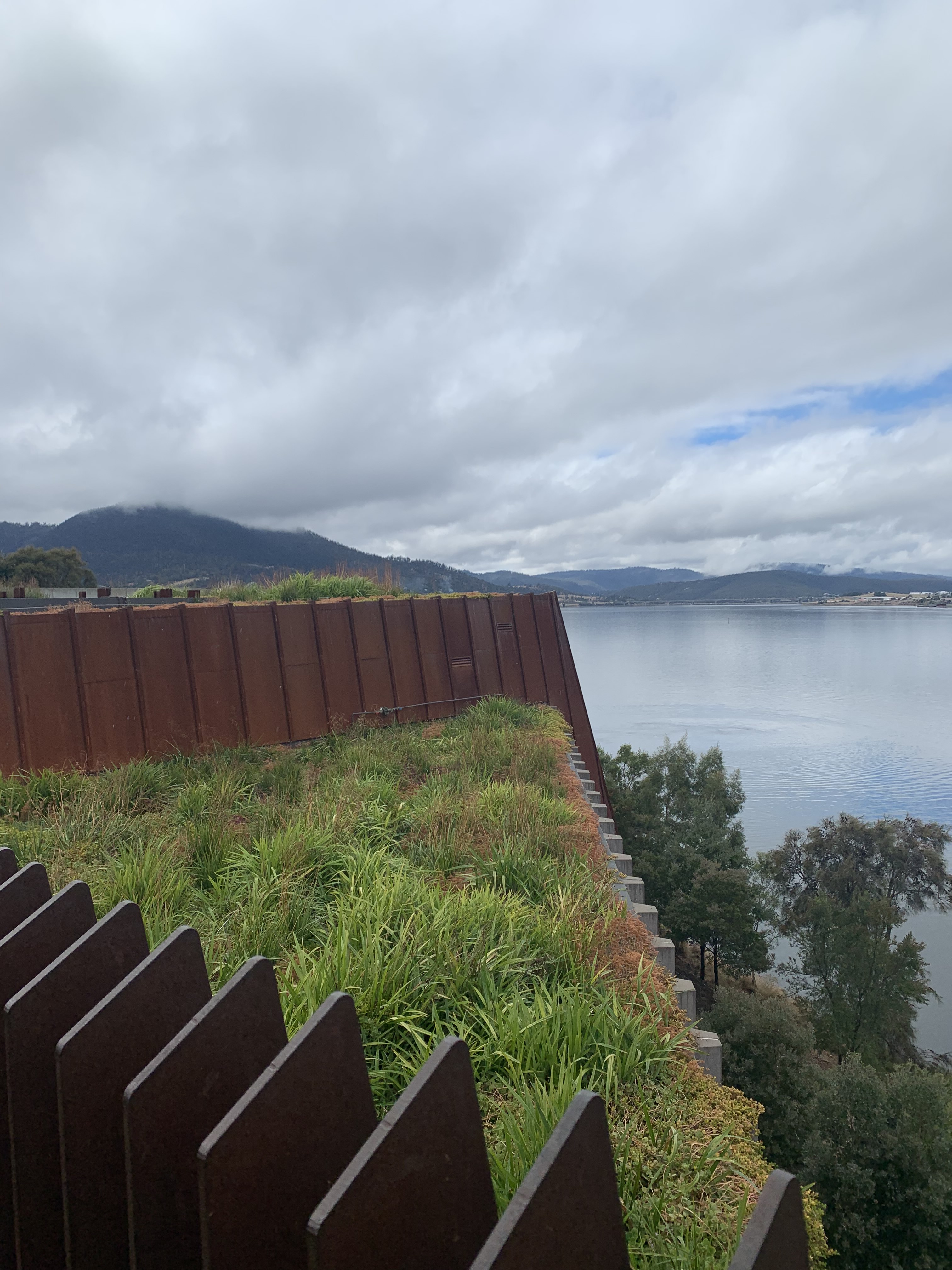
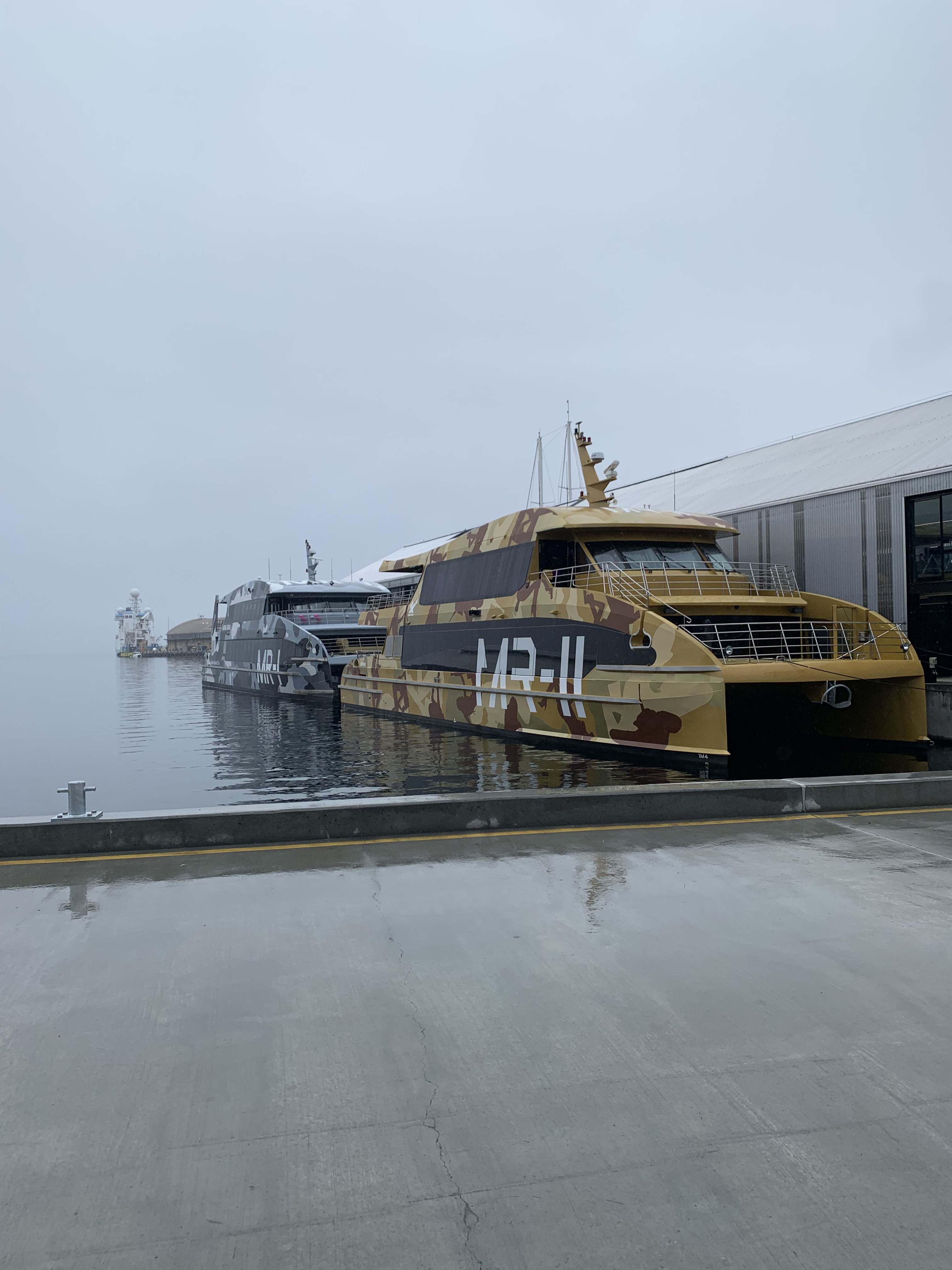
    I caught the first ferry across from Hobart which arrived at MONA for its 10 am opening. Visitors are strongly encouraged to access the museum via the ferry – this is how it was designed and the site does look great from the water. This ferry was not busy at all, which meant that I was in some exhibition spaces by myself until later ferries arrived. I went through the museum, visiting all the rooms (I think!), some more than once, had lunch in the café and spent a decent amount of time in the outdoor areas. I got the 1:45pm ferry back to Hobart, and felt that I had seen all I needed to. I did not view any of the temporary exhibitions which had an additional cost. You book your return ferry trip times when purchasing your museum entry and can easily change your return ferry time at the information desk which is great. If you wanted to do all of the above and view one or more of the paid temporary exhibitions and/or have a longer lunch at one of the many venues on site (the café was great and very quick) I would choose a later return ferry. I definitely recommend getting the first ferry over in the morning – later ferries were arriving completely full.

    IMG_1003
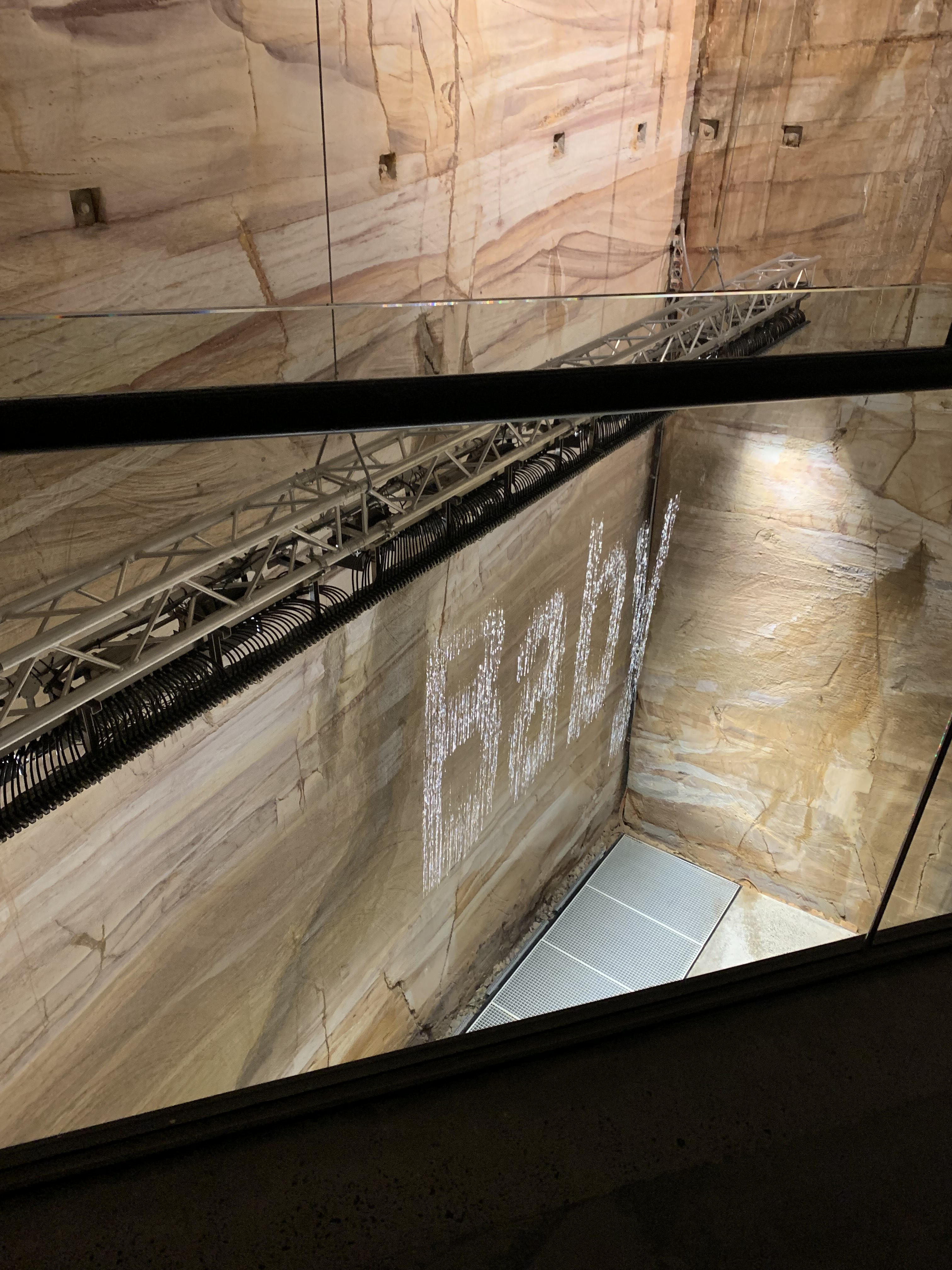
    View from MONA
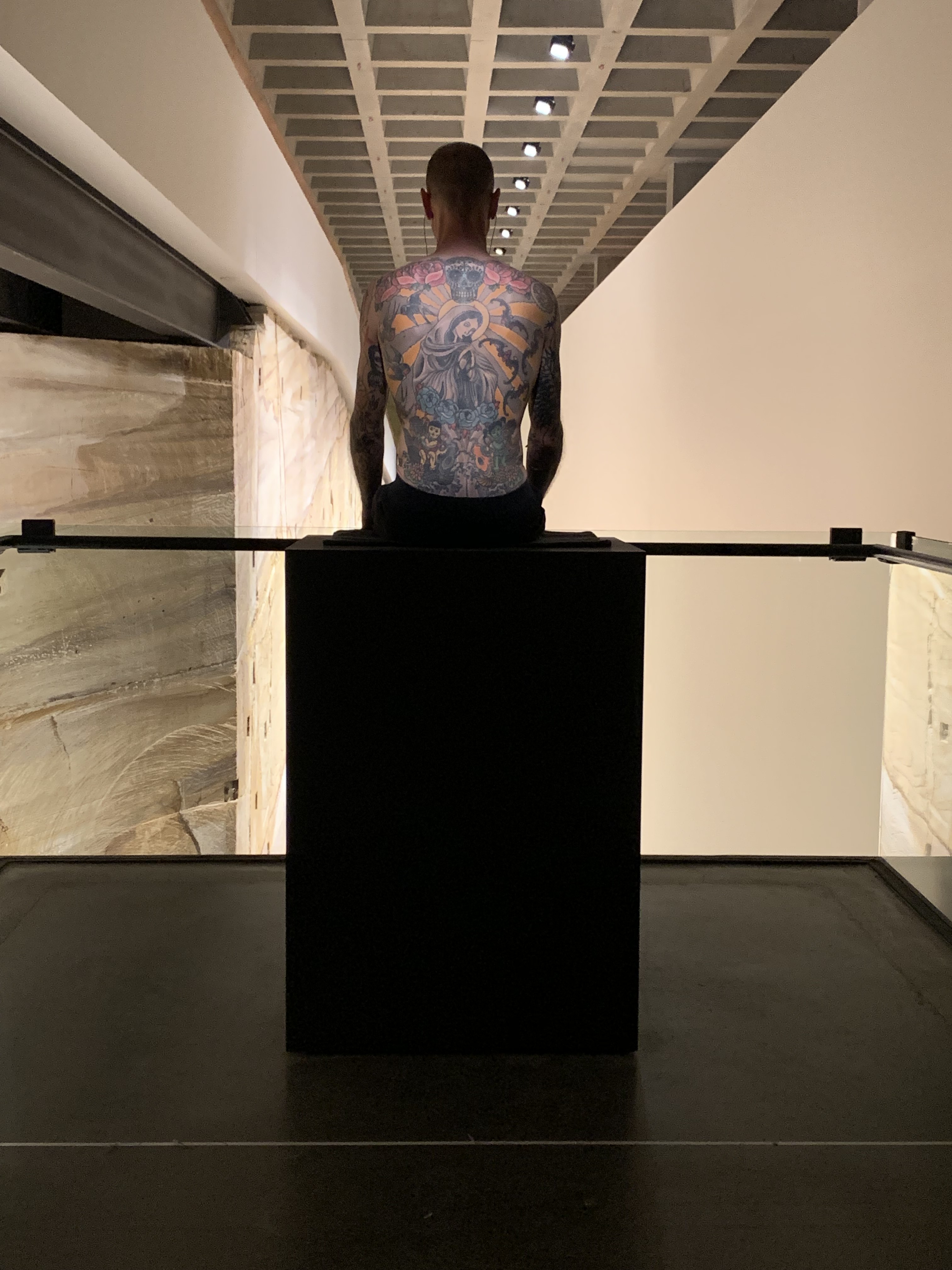
    IMG_0861
    MONA Ferry

    There is plenty to be read elsewhere on what is trying to be achieved at MONA and how it sits within the cultural landscape of Hobart and in the minds of Tasmanians so I won’t cover that here. It is the private collection of one eccentric millionaire which is something to keep in mind when viewing or critiquing. I have found that visitors often feel a sense of ownership over museum spaces and collections, particularly visual arts collections, and can get offended when they see something that they disagree with. MONA is an interesting reminder that, to a large extent, what you think about what you see in a gallery (particularly a private one) really doesn’t matter. It did make me wish that I was as wealthy as David Walsh, the owner, so that I too could afford to interpret the world through an art collection. I’ll share here a few things that stood out to me and how they sit within some of the broader discussions of MONA that I’ve often heard.

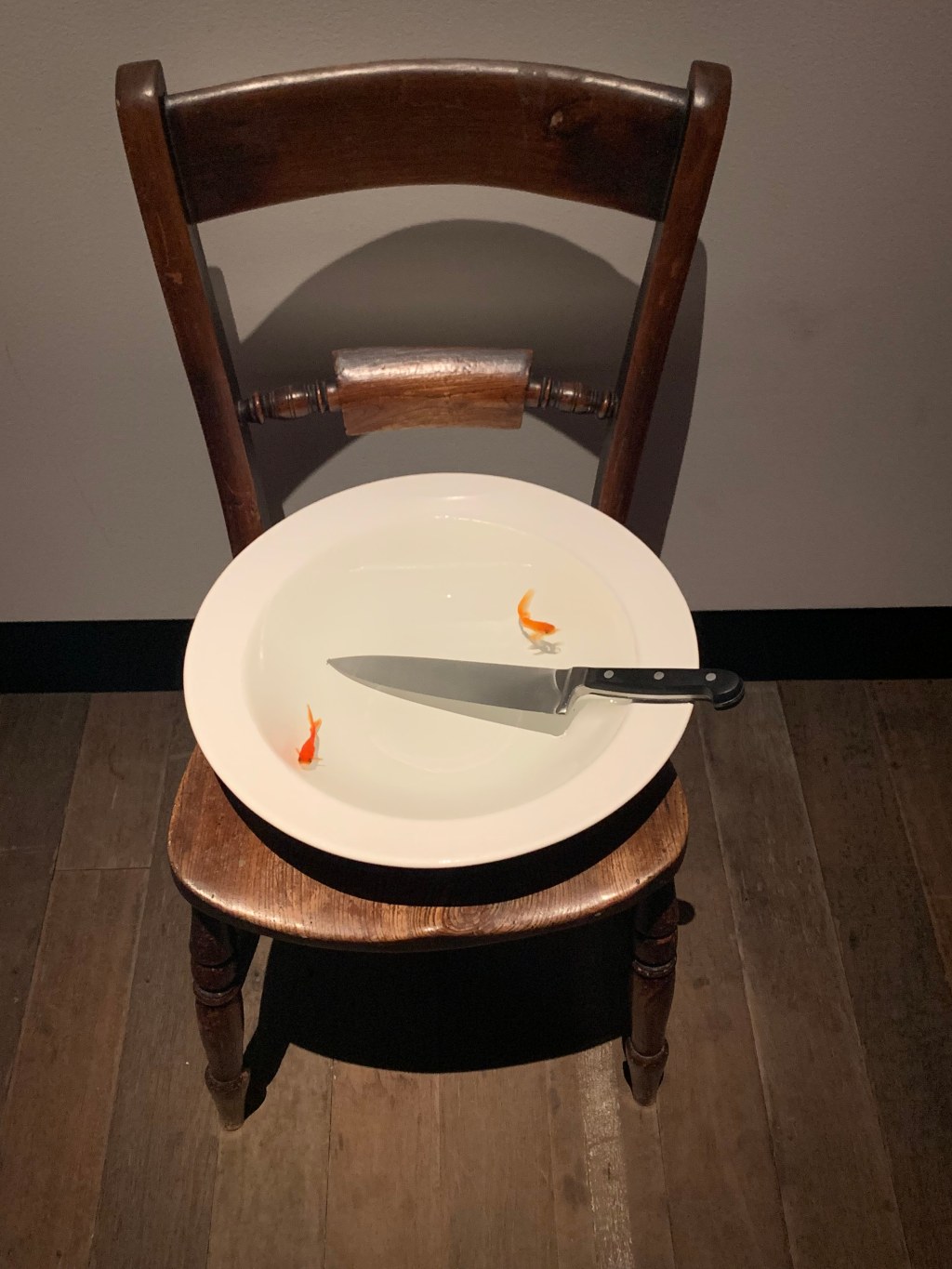
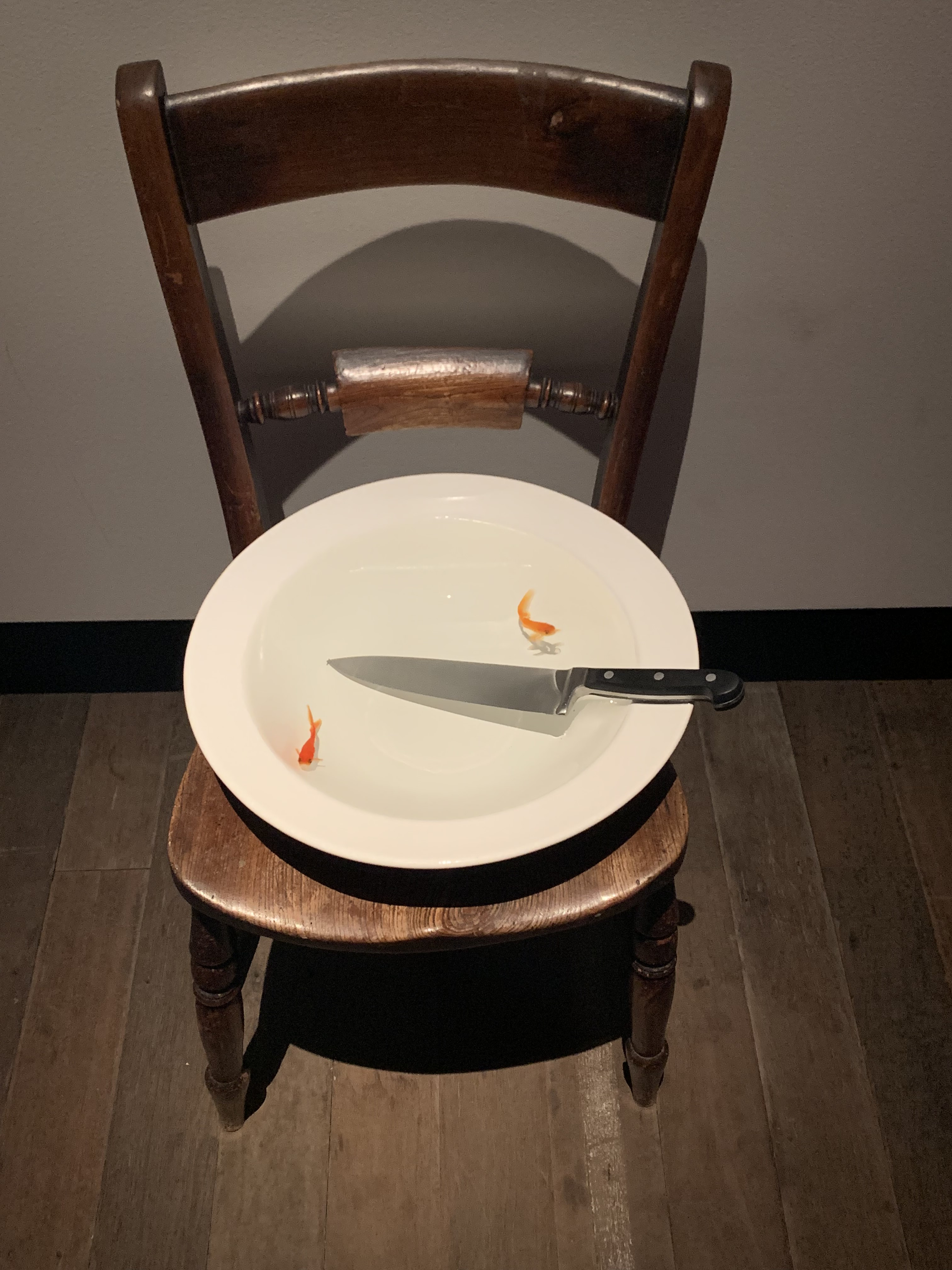
    The whole building and precinct is really an artwork in itself so even if you’re not into art it is worth visiting for the architecture alone. One of the first artworks I came across was Untitled 1991/2011 by Jannis Kounellis, consisting of a bowl of water with goldfish and knife. This remained one of my favourite artworks in the whole museum. The novelty of live animals as a part of the art worked for me. I was interested to read about the frequent anger that visitors express in response to this work, and the irony this generates as “the only reason that we should torture animals is for food…entertainment…or art, that’s just indulgent” – David Walsh. Of course, the knife gives the visual metaphor of torture but the fish themselves are safe and are returned to a more spacious habitat every night and share their performative role with a number of other aquatic colleagues.

    Jannis Kounellis, Untitled
    Jannis Kounellis, Untitled, 1991/2011

    I am not usually a big fan of modern or contemporary art, which I assumed was what made up the majority of the collection of MONA. There was certainly a lot of contemporary art, with “older” pieces mixed in. I was surprised at how much I enjoyed the digital and video works. I didn’t find many of the artworks with an explicit theme of sexuality or death confronting. One of the works that I found the most challenging was a large, long room which was filled with computer monitors and lights. The room was mostly pitch black and was illuminated at random with fluorescent strobe lighting which was accompanied by a loud, screeching electronic soundscape.

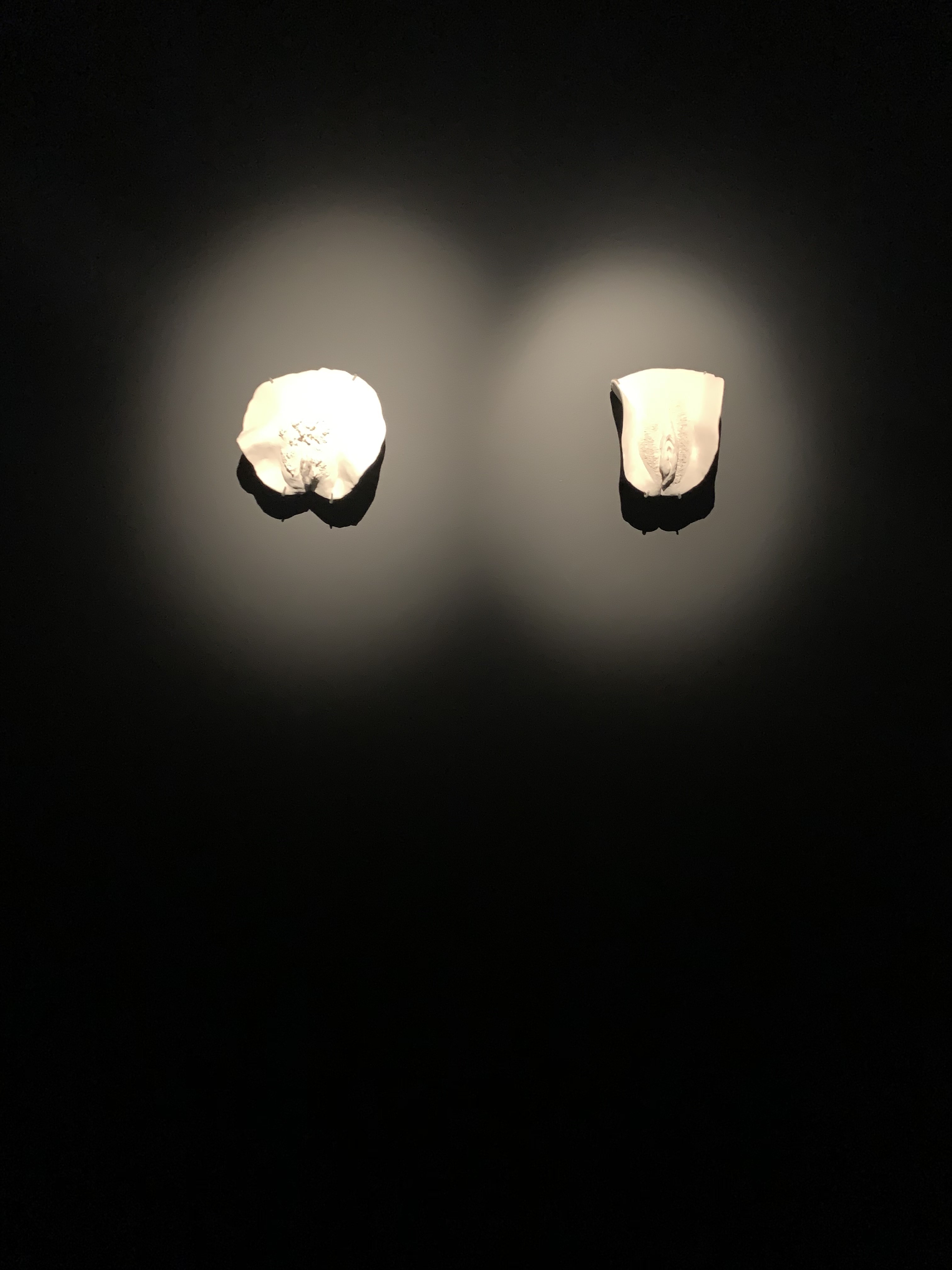
    I was looking forward to seeing the artwork that is often referred to as the “vagina wall”, or, Cunts…and other conversations by Greg Taylor and friends, one of the most well-known works at MONA. This work does have a great impact and is displayed in a really effective way. I was surprised, and then on reflection, not surprised at all, to learn that this artwork is by a male artist. The artist’s explanation of this work does not sit well with me (I’ll let you look it up yourselves) and many others would likely agree. However, that certainly doesn’t mean the artwork doesn’t deserve to be displayed. A further issue I had with the interpretation of this artwork relates to “The O”, which is the app MONA uses to provide information on the artworks on display. There are no traditional labels displayed with the works. Rather, visitors must use an app or O device provided by MONA to access information on the works and artists. Users have the option to “love” or “hate” works via the app. You also have the option of including a written comment with your reaction. An example of what I assume were previous visitor’s written comments (usually witty and observant) also popped up on this screen. When I selected “love” for Cunts…and other conversations, the comment that popped up was “some may want to see a doctor”. This comment didn’t sit well with me and felt far more like body shaming than the perceived inclusivity and diversity that the artwork itself represents. A comment that perhaps hasn’t aged as well as its writer would have hoped, or was never as funny as they thought it was.

    Cunts...and other conversations
    Greg Taylor and Friends, Cunts….and other conversations, 2001-11

    This issue leads me to one of the other negatives that stood out for me at MONA. I have thought and written about the ethical and practical issues of not having object labels in the museum before, and I remain undecided on this practice after experiencing it for myself. The main benefit I can think of for this system is that it encourages visitors to view the artworks independently, without feeling the need to read an artist’s statement or curatorial explanation. I definitely benefitted from this as I probably spent more time looking at artworks I might have otherwise overlooked. However, issues of attribution and the practicalities of the technology itself outweigh this benefit for me. So many artists have fought their whole careers for proper attribution and acknowledgment of their work. To distance the artist from their work feels, to me, like a step backwards, one towards disrespect. I also observed most other visitors spending more time staring at the app than actually looking at the artworks in front of them, which was disappointing.

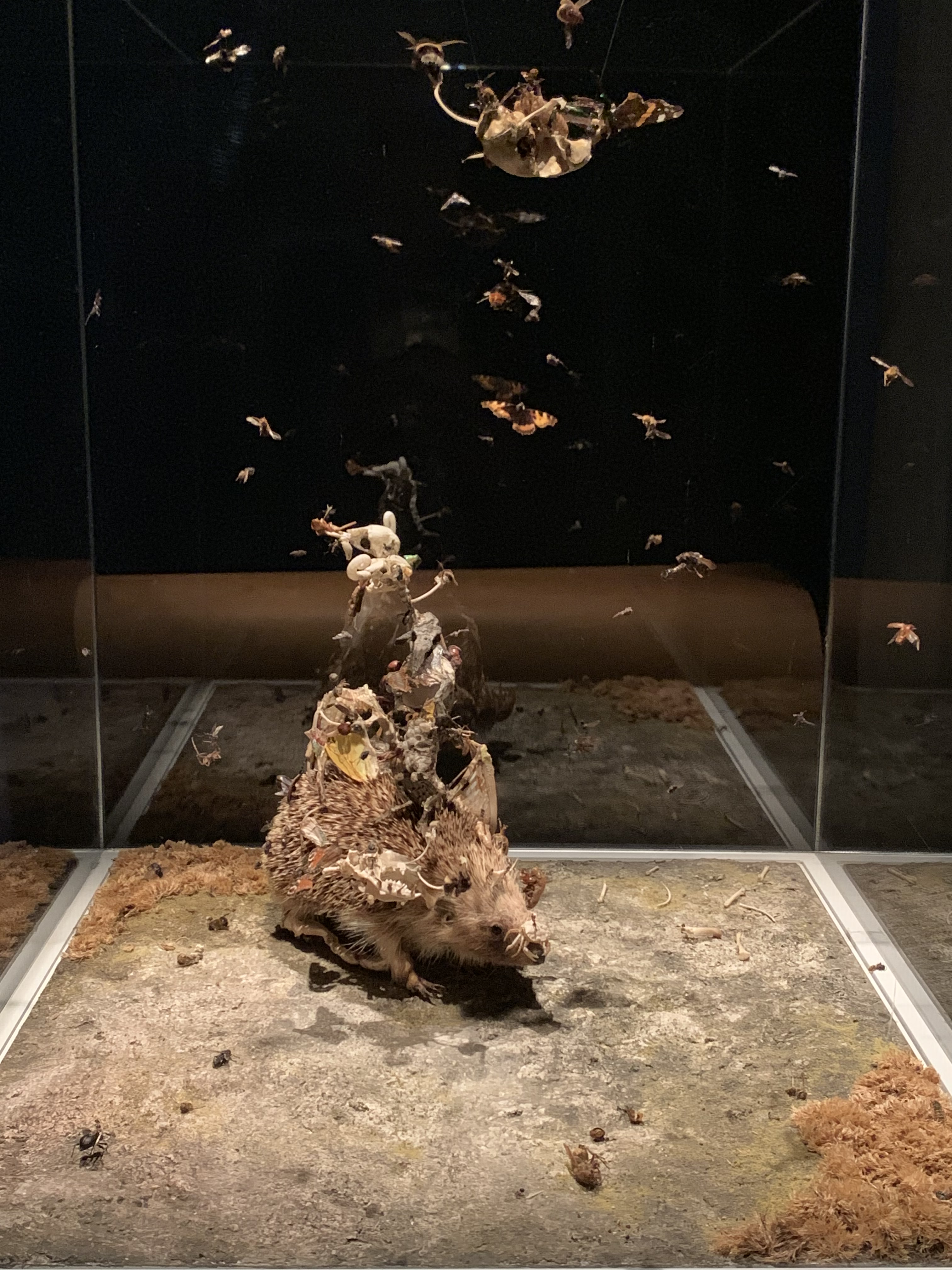
    The Fairy Horde and the Hedgehog Host, Tessa Farmer
    Tessa Farmer, The Fairy Horde and the Hedgehog Host, 2008-2010
    Julius Popp, bit.fall
    Julius Popp, bit.fall, 2001-2006
    Wim Delvoye, Tim
    Wim Delvoye, Tim, 2006-2008

    Despite this, I came away from MONA a convert, glad that it exists and excited to return in the future to see what other weird stuff people can come up with.

  • Weimar: Bauhaus

    2019 marks 100 years of Bauhaus. The word Bauhaus literally translates in English to ‘construction house’. Bauhaus wasn’t just a school for the arts that strived to combine all disciplines of the arts in one place, it was a modern art movement. As an institution, it operated in three German cities – Weimar (1919 to 1925), Dessau (1925 to 1932) and Berlin (1932 to 1933). The Bauhaus institution was eventually closed in Berlin by the Nazi Party due to their disagreement with the ‘leftist’ curriculum being taught. Although only operating as a school for 14 years, the legacy of Bauhaus has continued to permeate almost every facet of art and design to this day. This is primarily due to its overarching aim of combining fine art with functional design.

    To celebrate, I am going to write three blog posts throughout the year on my time spent in each of the three Bauhaus centres. First up is Weimar. Rather than focus on what Bauhaus-related activities are available, I’m going to give a more broad overview of the various museums and heritage sites on offer. This will, of course, include anything to do with Bauhaus.

    It’s also worth mentioning that to celebrate this year, there are a wide variety of activities and new museum openings happening at the three sites. This website is a great guide to what’s on. Also, make sure to follow the hashtag #CelebratingBauhaus on social media to join in on the fun. I am going to be absolutely glued to this hashtag all year.

    Weimar Museums & Heritage

    Apart from Berlin, which will forever have my heart, Weimar is my favourite city in Germany. It is an absolute centre of German culture and government and a fantastic place to dig deeper into German Romanticism. It is where playwrights and poets such as Goethe and Schiller lived and also where the Weimar Republic, German constitutional democracy of 1919, was formed. It is also a location of sorrow with Buchenwald Concentration Camp only a short bus ride away. I first visited Weimar because of my love of Bauhaus. Instead, I found that Bauhaus was the cherry on top of what is truly a beautiful city.

    Weimar is incredibly easy to walk around. This is great because it means all the museums and heritage sites are at your fingertips. Here is what you can see and do! I also want to say that you should get to the end of this post and be absolutely mesmerized by how one city can absolutely win at pastel-coloured buildings.

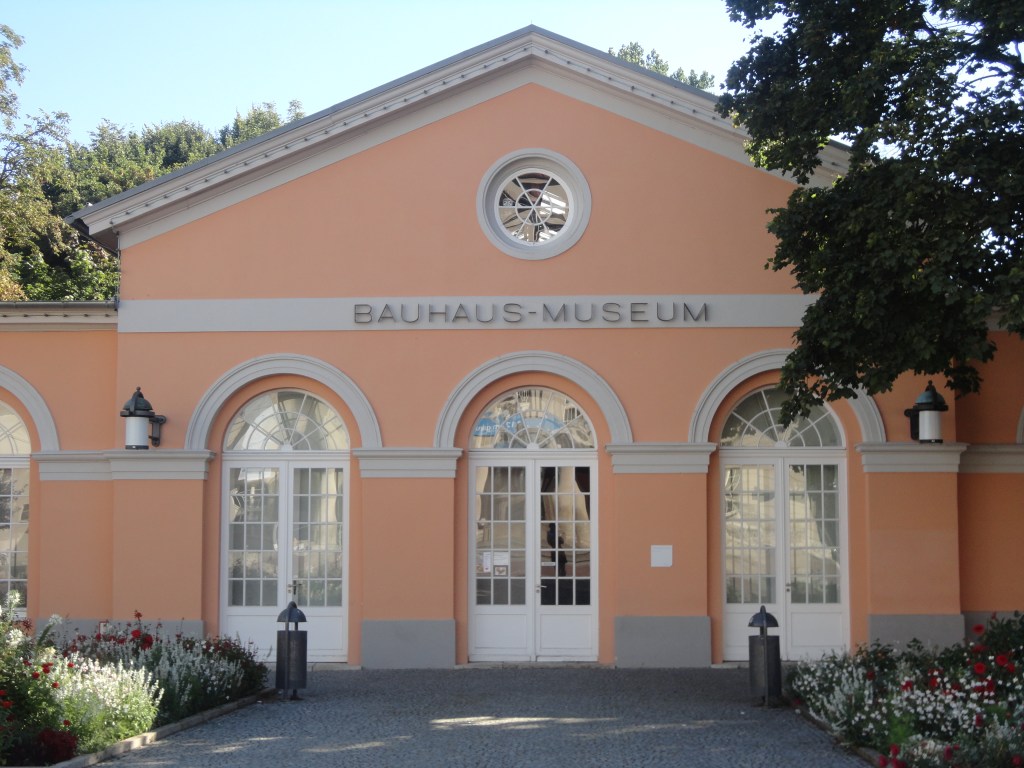
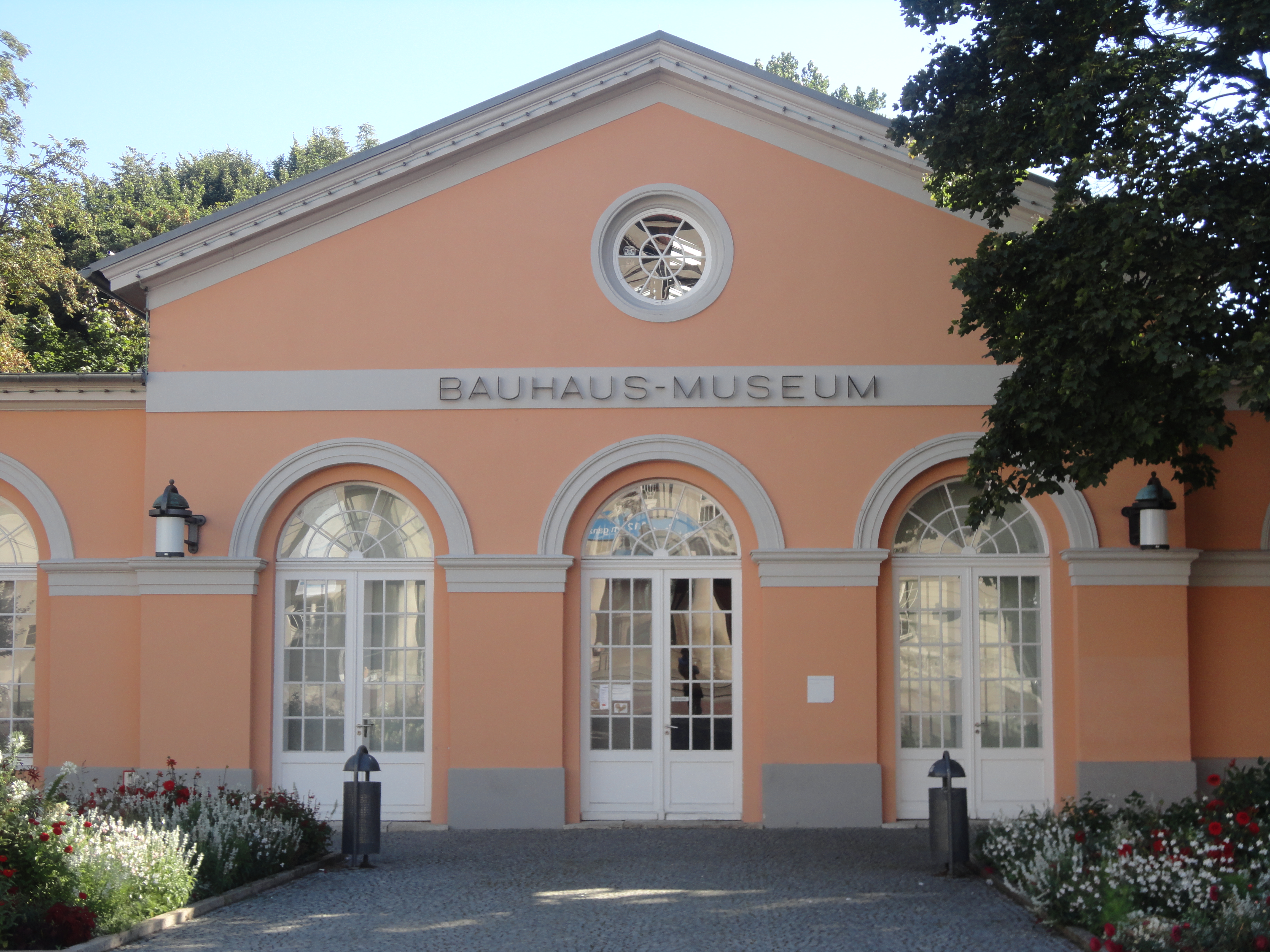
    1. Bauhaus Museum, Theater Square

    This museum closed in 2018 to make way for a brand new museum opening in April 2019. I cannot wait to return and see the new museum, but, I am really glad I had the opportunity to see the old one. Considering the contents are being transferred, I can confidently say that the new museum is going to be filled with treasures. Some of the earliest sketches and course notes are amongst thousands of other objects that are sure to leave you feeling Bauhaus-fulfilled.

    Out of all the Bauhaus-related museums and sites I’ve visited, this one has probably been the most informative. Some of the objects are currently travelling to other sites in Weimar to ensure that there is still some Bauhaus offerings prior to the new museum opening.

    Bauhaus Museum
    Bauhaus Museum, Theater Square

    2. Herzogin Anna Amalia Bibliothek

    I have already written at length about how much I love this library. If you would like more information, or to see a snippet of video from Beauty and the Beast, you can read my blog post here.

    Anna Amalia Bibliotehk
    Herzogin Anna Amalia Bibliothek

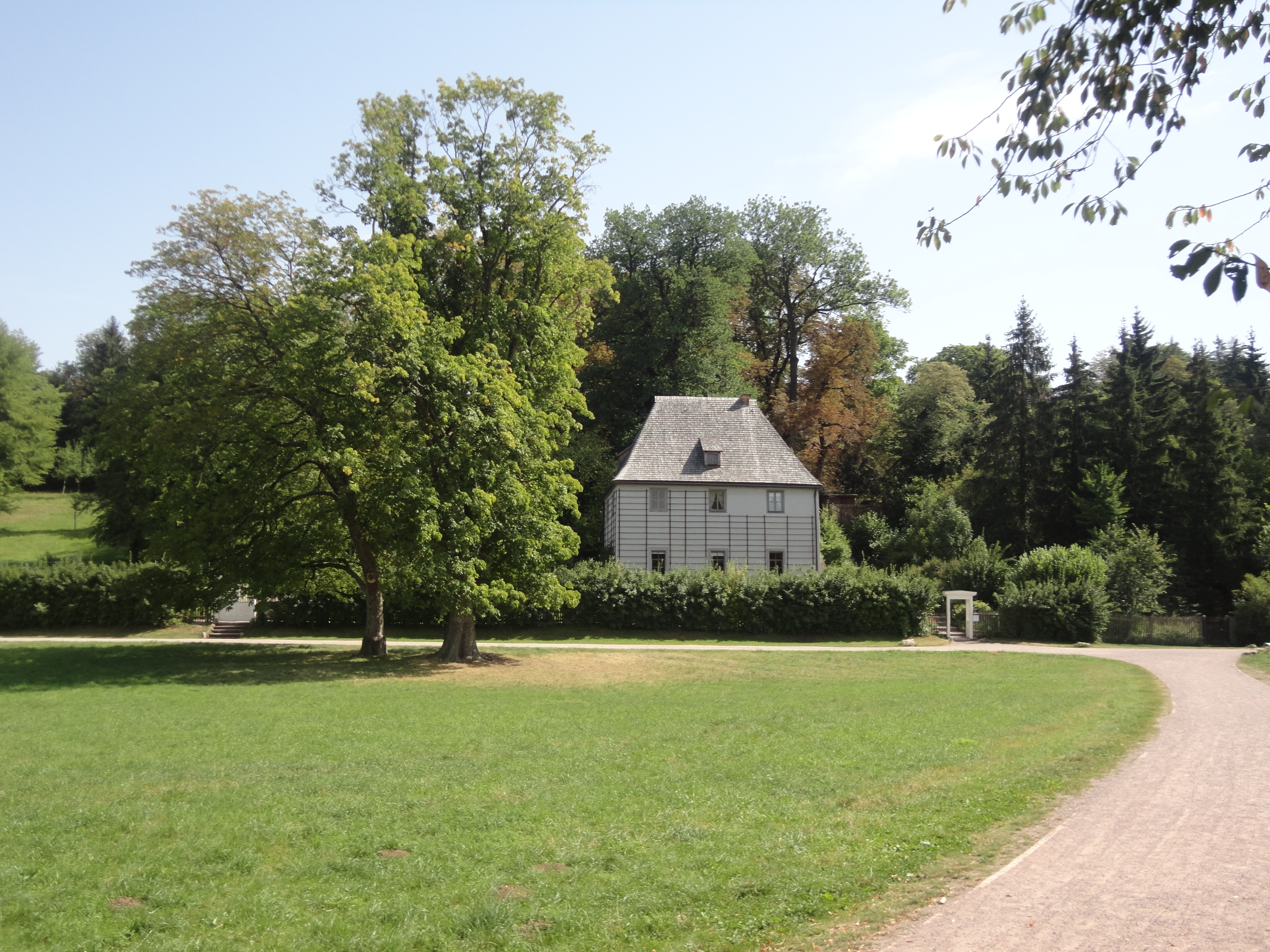
    3. Goethes Gartenhaus

    If you are looking for a tranquil and peaceful break from the city centre then travel to the UNESCO World Heritage Site, Goethes Gartenhaus. From 1776 until 1782, Goethe called this little house home. It was listed as a World Heritage Site due to its testimony to the cultural epoch of Weimar Classic and the role Weimar played as an intellectual centre in the late 18th and early 19th century.

    Johann Wolfgang von Goethe was essentially a writer and statesman. In his spare time he also named a bone in his hand and wrote extensively on botany, anatomy and colour. The dynamite team of Goethe, Schiller (who I’ll write about later) and Anna Amalia most definitely put Weimar on the map. I’ve also included a photograph of the Goethe and Schiller statue that stands in Theater Square outside Weimar’s major theatre.

    Goethes Gartenhaus
    Park an der Ilm

    Open:
    27 October – 30 March
    Tuesday – Sunday: 10 am to 4 pm

    31 March – 26 October
    Tuesday – Sunday: 10 am to 6 pm

    Entrance:
    Adults 6,50 € | Discount 5,00 € | School Kid (16-20 years) 2,50 €
    Youth under 16 years free
    Audioguide available

    Goethe's Garden House
    Goethes Gartenhaus
    Better Statue of Goethe and Schiller
    Goethe and Schiller Statue

    4. Goethe Residence

    Goethe lived in this house from 1782 until his death in 1832. It is essentially a house museum where you can learn everything you could want to know about Goethe and the cultural context of Weimar during this period. Well worth visiting.

    Goethe National Museum
    Frauenplan 1

    Open:
    27 October – 30 March
    Tuesday – Sunday: 9.30 am to 4 pm

    31 March – 26 October
    Tuesday – Sunday: 9.30 am to 6 pm

    Entrance:
    Adults 12,50 € | Discount 9,00 € | School Kid (16-20 years) 4,00 €
    Youth under 16 years free
    Audioguide available

    Goethe's Haus
    Goethe Residence

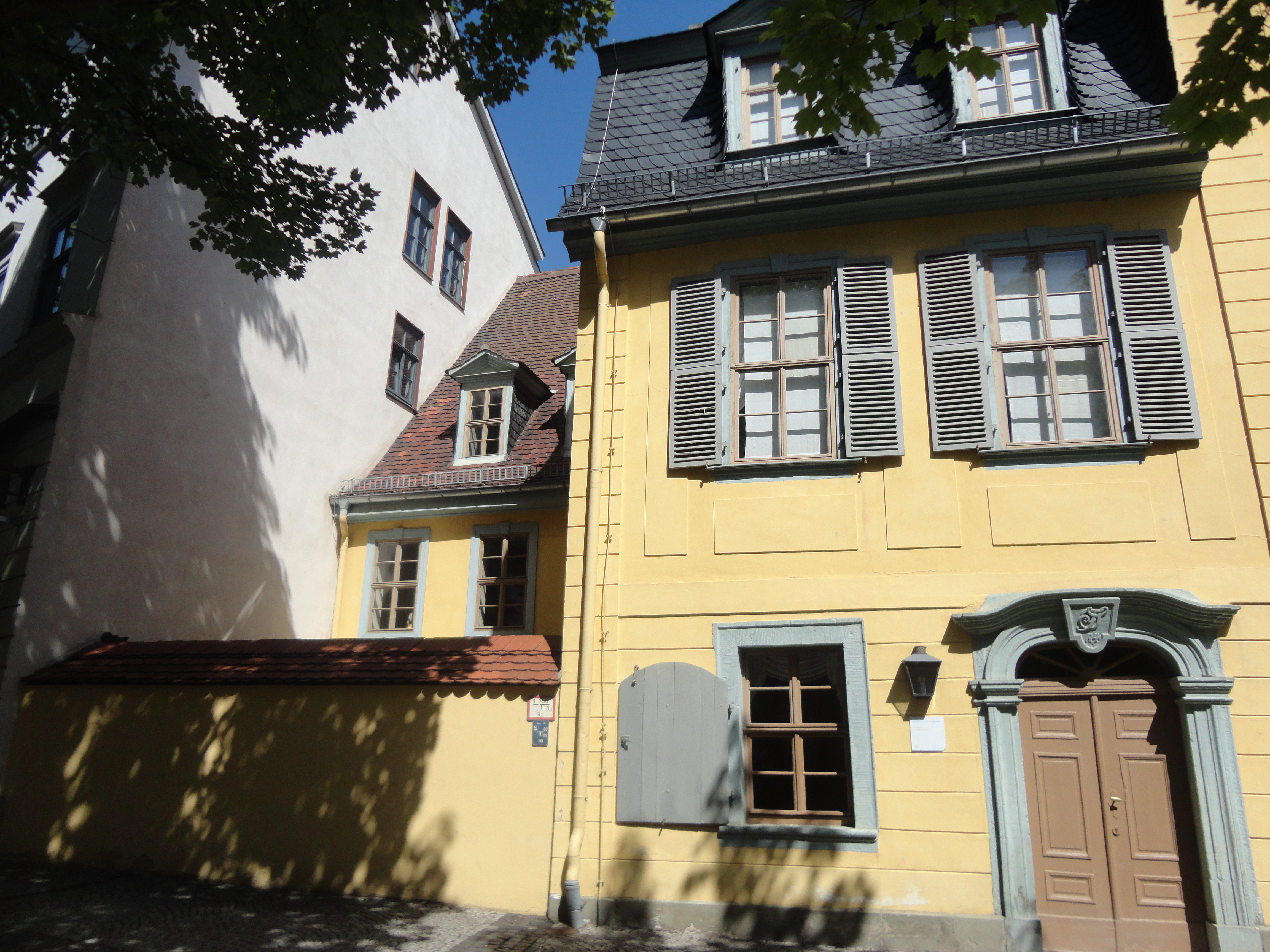
    5. Schiller Residence

    Similar to Goethe, Fredrich Schiller was a bit of everything from poet to physician. While on the tour of his residence, I heard about his philsophy for meeting with people. If someone bored him within the first five minutes they were kicked out. If that isn’t my 2019 mood I don’t know what is.

    Similar to Goethe’s Residence, this is a house museum where you can walk through and learn about the life and times of Schiller. I would highly recommend visiting both, there isn’t a great deal of overlap.

    Schiller Residence
    Schillerstraße 12

    Open:
    27 October – 30 March
    Tuesday – Sunday: 9.30 am to 4 pm

    31 March – 26 October
    Tuesday – Sunday: 9.30 am to 6 pm

    Entrance:
    Adults 8,00 € | Discount 6,50 € | School Kid (16-20 years) 3,00 €
    Youth under 16 years free
    Audioguide available

    Schiller Haus
    Schiller Residence

    6. Castle Museum

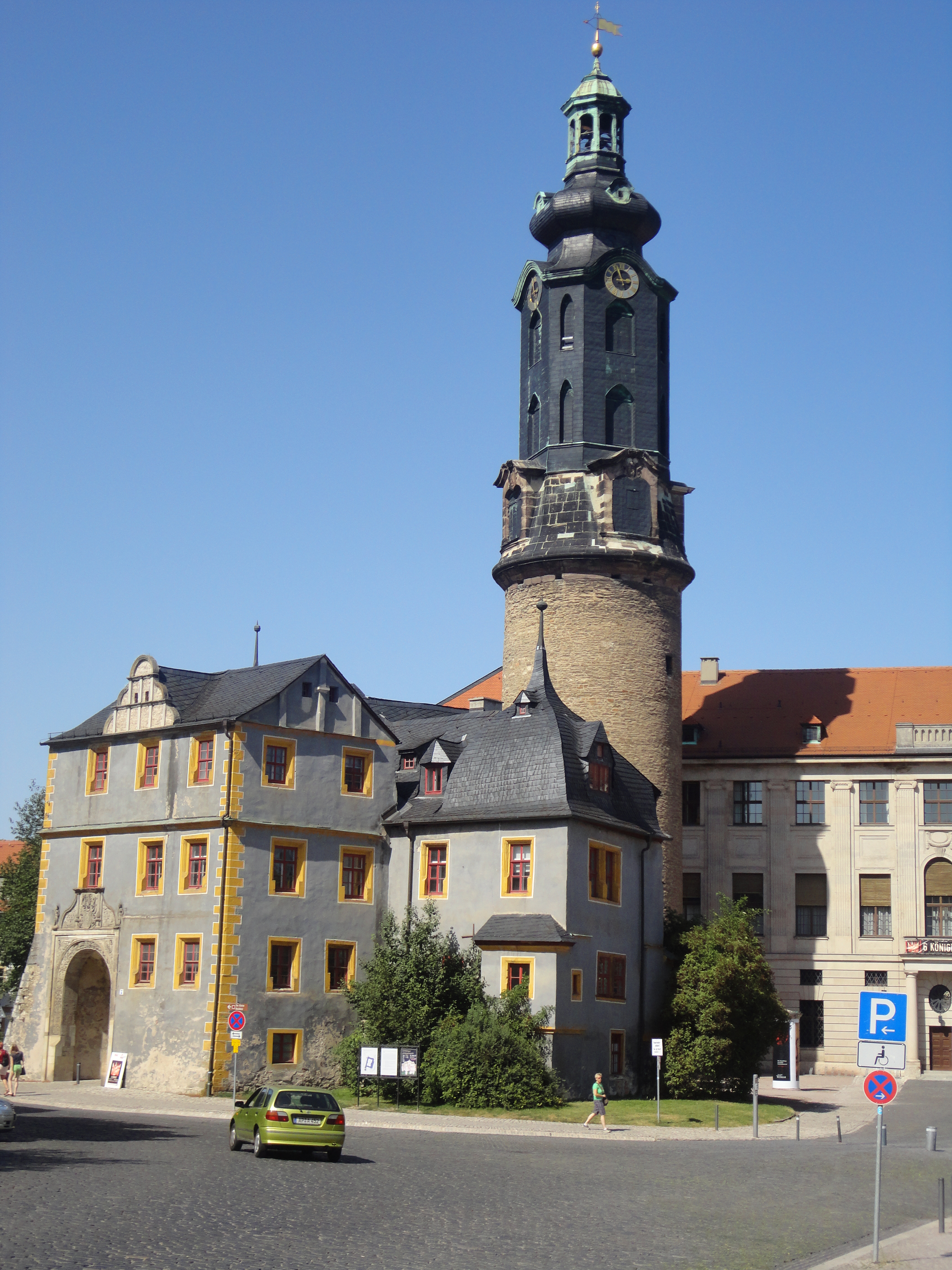
    When I visited, the Castle Museum was undergoing significant restoration. I’ve discovered that it is closed from July 2018 to the end of 2021. Still, if you are planning to visit post-2021, add this to your list. The castle was built for the Duke of Saxe-Weimar-Eisenach circa end of the 10th century. Periods of restoration have been ongoing since 1424 in an effort to stablise the building. In 1923, it was transformed into a museum documenting the history of royalty in Weimar. Composers such as Johann Sebastian Bach worked in the chapel to compose their music and Goethe himself oversaw a reconstruction in 1789.

    Entrance to Old Palace
    Castle Museum

    7. Buchenwald Concentration Camp

    There is no denying that a trip to Buchenwald Concentration Camp is harrowing. After spending a bit of time on the bus driving through thick forest which seems virtually inhabitable, you arrive at a large area of clearing. Buchenwald was one of the largest concentration camps in Germany primarily housing political prisoners, later Jewish prisoners. Apart from forced labour, it was also a camp for medical experiments where prisoners were injected with typhus, typhoid, cholera and diphtheria just to see how they would react and whether or not they could be cured.

    This history is truly difficult to write about, but, a visit to Buchenwald is an eye-opening experience that will ensure this period of history is never repeated or forgotten.

    Entrance Gate to Inmates prison
    Buchenwald Concentration Camp

    I have really just skimmed the surface of the museums and heritage to see in Weimar. Other museums include the Haus Am Horn, Liszt House, Neues Museum Weimar, Nietzsche Archive and Carriage Museum in Auerstedt.

    I hope this post encourages you to even momentarily think about a visit to Weimar if you ever find yourself in Germany.

  • GLAM Blog Club: Serendipity

    The theme for this month’s GLAM Blog Club is…….Serendipity. When you literally Google ‘definition: serendipity’ you get the following: “the occurrence and development of events by chance in a happy or beneficial way.” As soon as I saw the theme, one particular event came to mind that I’d like to share.

    Queensland Parliamentary Library Curatorial Project

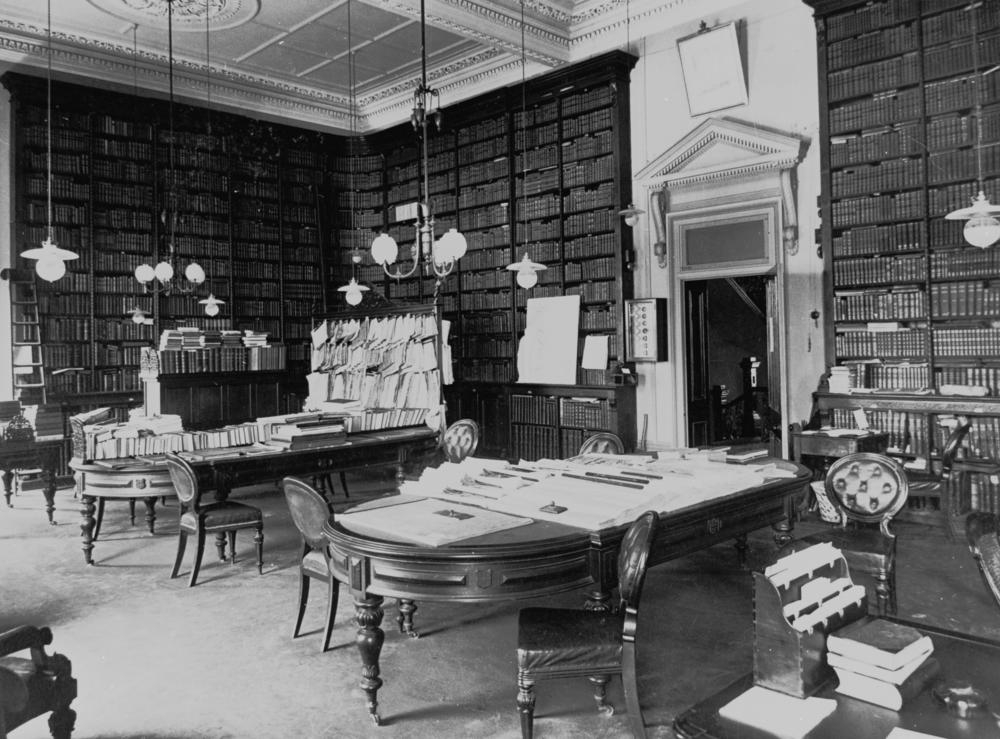
    In 2013 I was approached by one of my lecturers at The University of Queensland to be part of a research project team working with the O’Donovan Collection at the Queensland Parliamentary Library. The O’Donovan Collection is this incredible array of rare books covering all sorts of topics from botany to philosophy and everything in-between. It dates back to 1860, when Queensland Parliament was formed. The collection was amassed to ensure that the Parliament had access to a contemporary series of books and manuscripts. One of the most notable collectors was Denis O’Donovan, Queensland Parliamentary Librarian from 1874 to 1901. He catalogued the collection so that future generations could more easily find information. Yay for cataloguing.

    Library reading room in Parliament House Brisbane ca. 1906
    Library reading room in Parliament House Brisbane ca. 1906. Courtesy of State Library of Queensland.

    Our task was to curate an exhibition using the collection as our main focus, highlighting one particular theme or book. The first step was to use the catalogue created by O’Donovan to find an area of interest I wanted to pursue. After reading only a few pages, I came across a series of catalogues from 19th century international exhibitions.

    I won’t go into too much depth here, but, international exhibitions were opportunities for countries around the world to send examples of their best products, for example technology or food/drink, for others to see and sample. The first, called The Great Exhibition, was held in London in 1851. You may be familiar with the building it was held in, The Crystal Palace, which eventually burned down. Side note, while on a train in downtown Dallas I saw a building that looked remarkably familiar. Turned out to be a smaller reconstruction of The Crystal Palace building which is both bizarre and cool. Anyway, there is so much to say about these exhibitions I would strongly recommend you read a little about them. For example, by clicking here.

    I immediately knew that this would be the focus of my exhibition. An exhibition about exhibitions containing catalogues I had found in a catalogue. The symmetry was just too tempting.

    Because the exhibition was going to be on display in the Queensland Parliamentary Library, I wanted to ensure it was relevant to its context. So, instead of looking generally at the exhibitions, I decided to focus on Queensland and how it was represented at the:

    • 1862 International Exhibition in London
    • 1867 Centennial Exhibition in Philadelphia
    • 1880 Melbourne International Exhibition
    • 1888 Centennial International Exhibition in Melbourne

    Why did I select Melbourne twice? Part of the reason was because there were only a select number of catalogues. Also, Queensland won some medals for wine sent to the 1888 exhibition and who doesn’t love hearing about wine.

    I had the catalogues ready for display, but, I needed some objects to really bring the exhibition to life and tell the story of how Queensland represented itself to the world in the 19th century.

    This is where the serendipity kicks in…..

    Over the next 2 months the most incredible thing happened. I had found an image of the 1867 Philadelphia display in the State Library of Queensland. I also managed to find and secure a silver medal from the 1880 exhibition. These were pretty straightforward to acquire, but, I really wanted something wine-related from the 1888 exhibition.

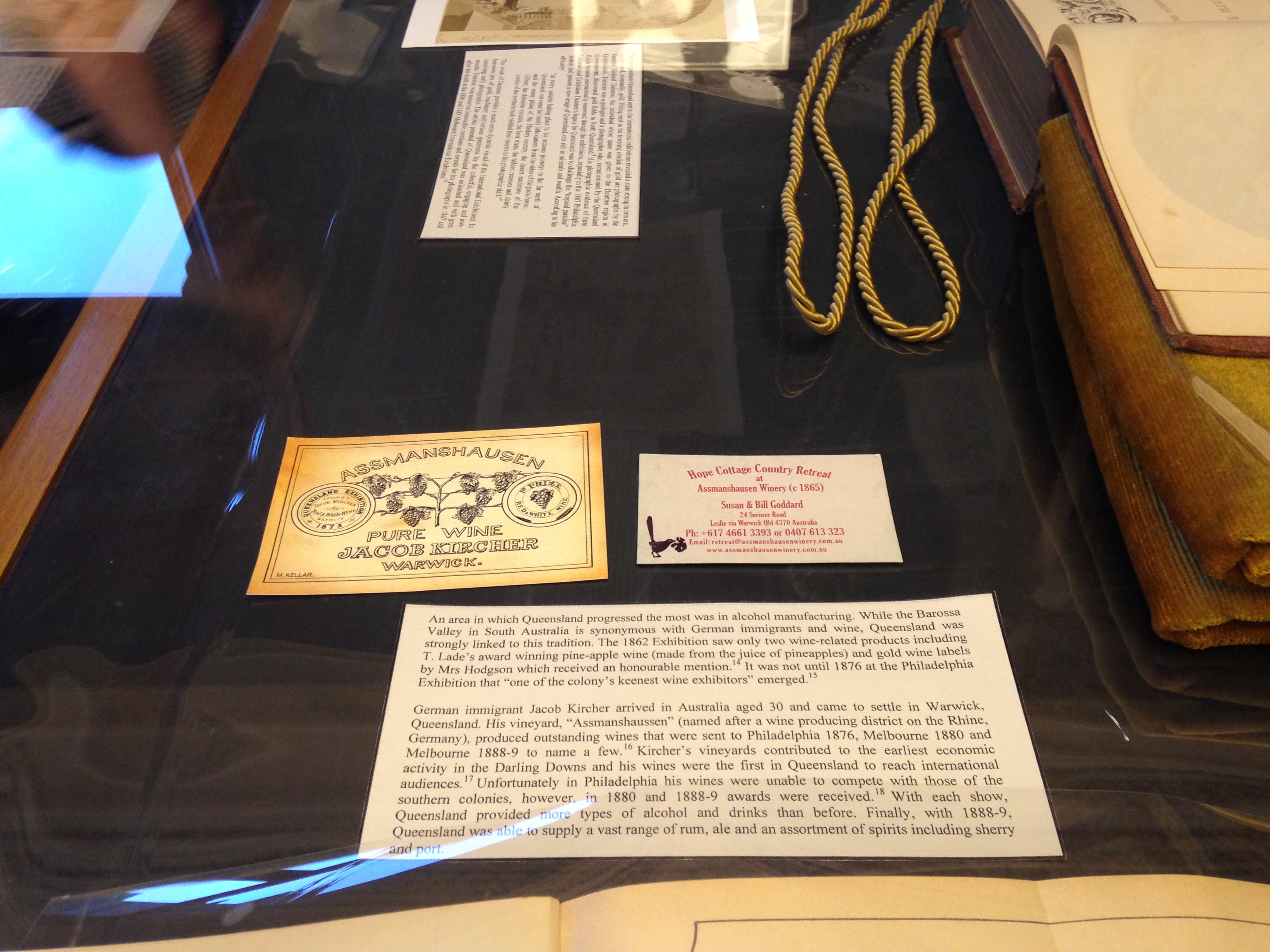
    Queensland didn’t really start sending alcohol to these exhibitions until the 1867 exhibition in Philadelphia. Bottles were sent by Jacob Kircher who had settled in Warwick and started the vineyard Assmanshaussen (named after a wine producing district on the Rhine, Germany). In the 1888 exhibition, he managed to secure a silver and gold medal, firmly placing Queensland on the map of Australian wine-producers at that time.

    I sent some emails to a few wineries in Queensland searching for any information I could about Kircher’s wine. A few days later I received a phone call from The University of Queensland saying they had someone on the line hoping to have a chat. I accepted the call and soon discovered it was a descendant of the 1888 winemaker living in Warwick, Queensland. That wasn’t even the best part.

    Turns out, he had found an old bottle of the wine in an antique shop around where he lived and was trying to re-create the wine label with the assistance of a graphic designer. The label was sort of engraved into the bottle, but, after years of wear, was quite difficult to see. I was invited to a meeting to see for myself what this bottle of wine looked like. I left with an example of the label created by the graphic designer to add to my exhibition.

    53190946_849220738803568_6054162372610752512_n

    It was such a happy development of events I couldn’t help but think it was definitely serendipitous. The fact the bottle had been found and a graphic designer had finished with the label turned out to be absolutely perfect timing for my exhibition. If you want to learn more about the winery please click here.

    1654014_10153796793515261_362746295_n
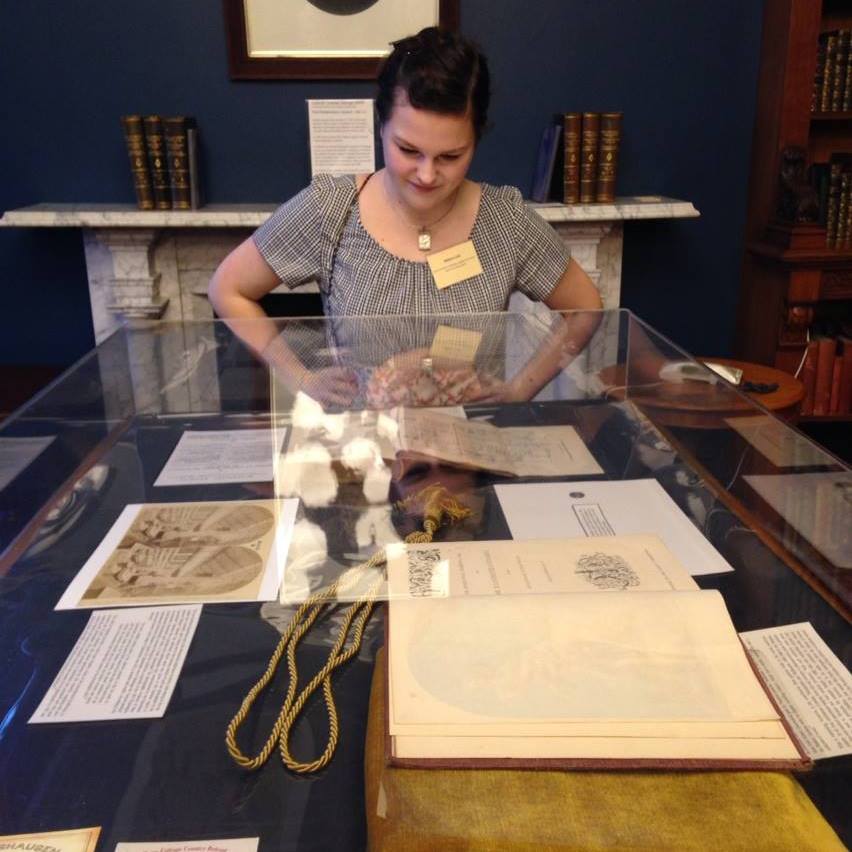
    You can see a slight slither of the wine label in the lower left-hand corner.
    Display Case.001
  • Brisbane: UQ Art Museum

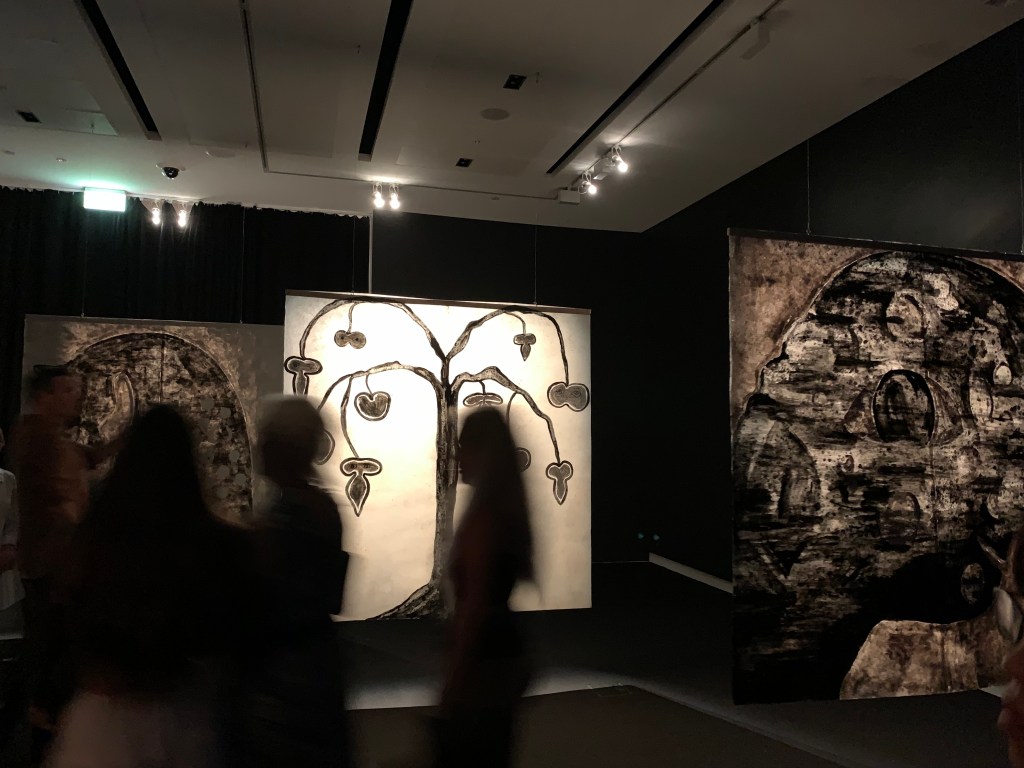
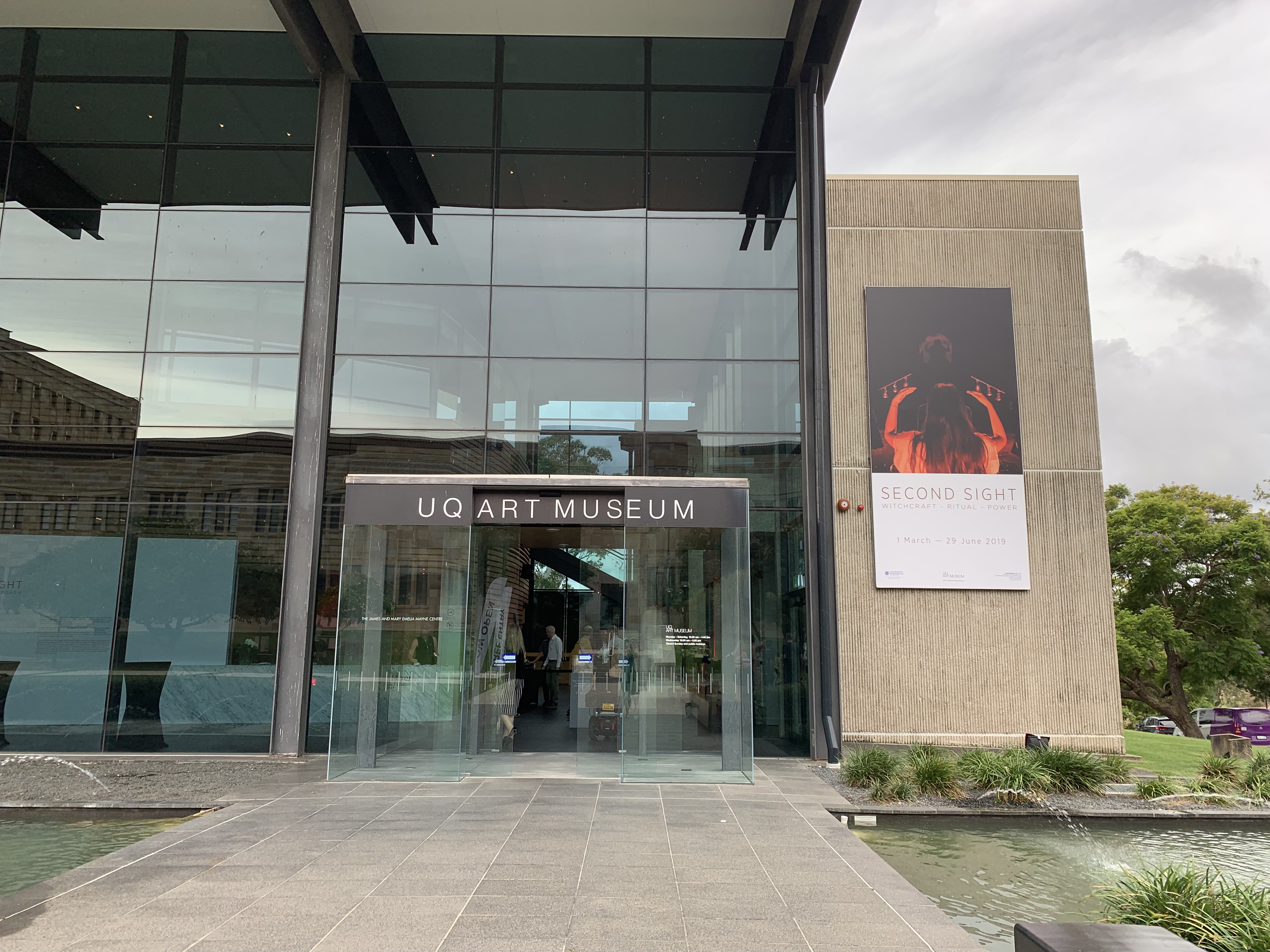
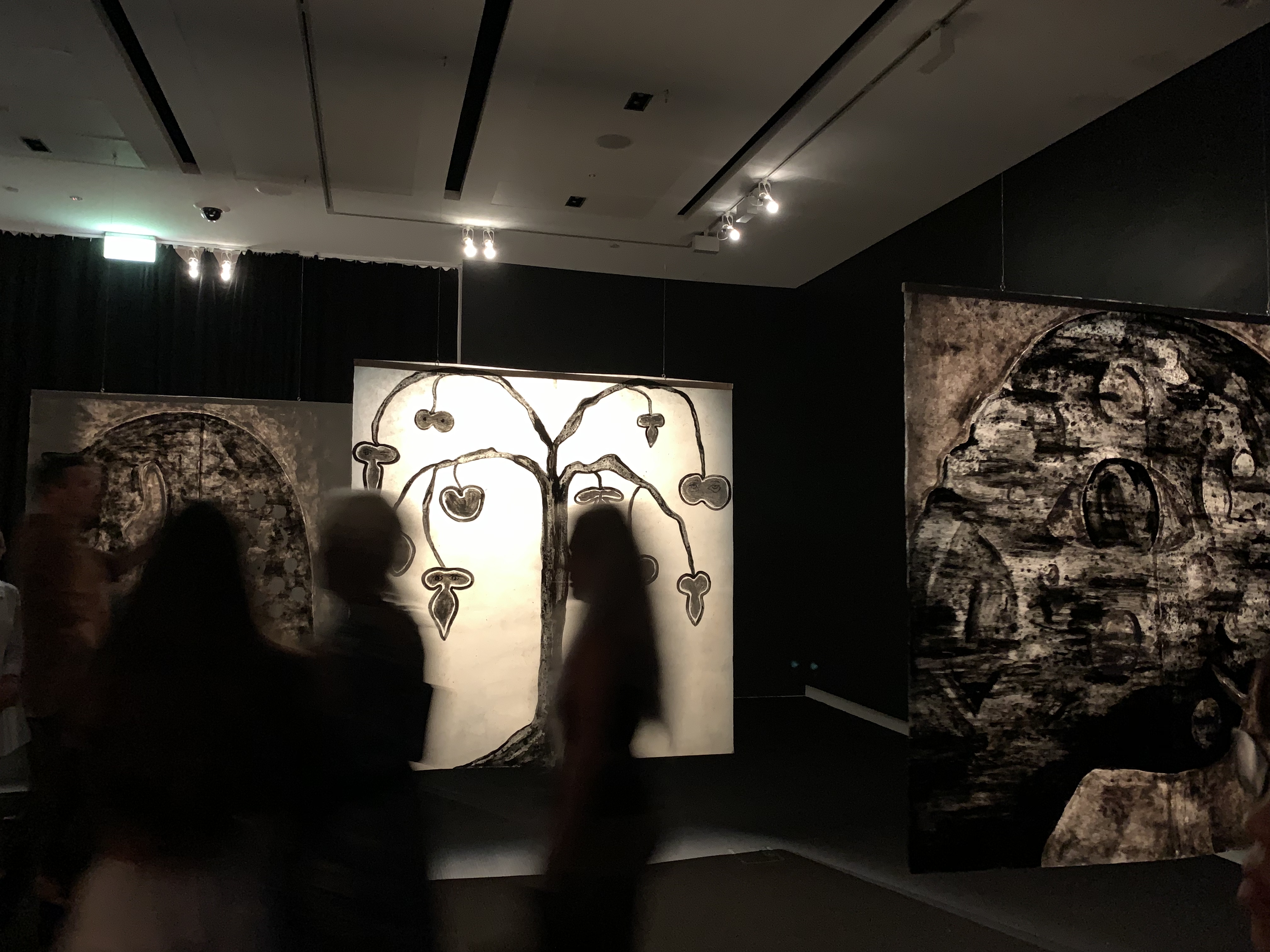
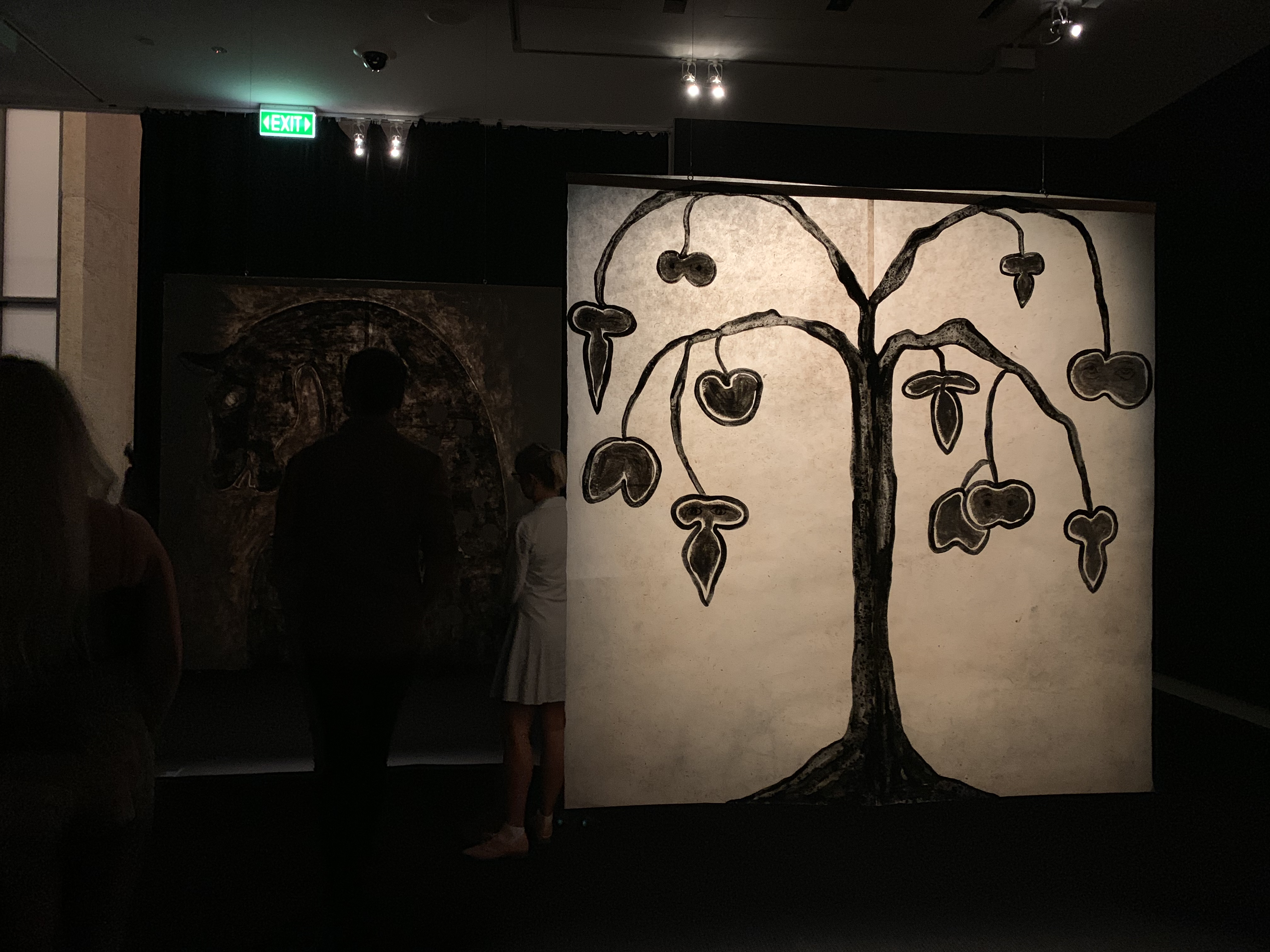
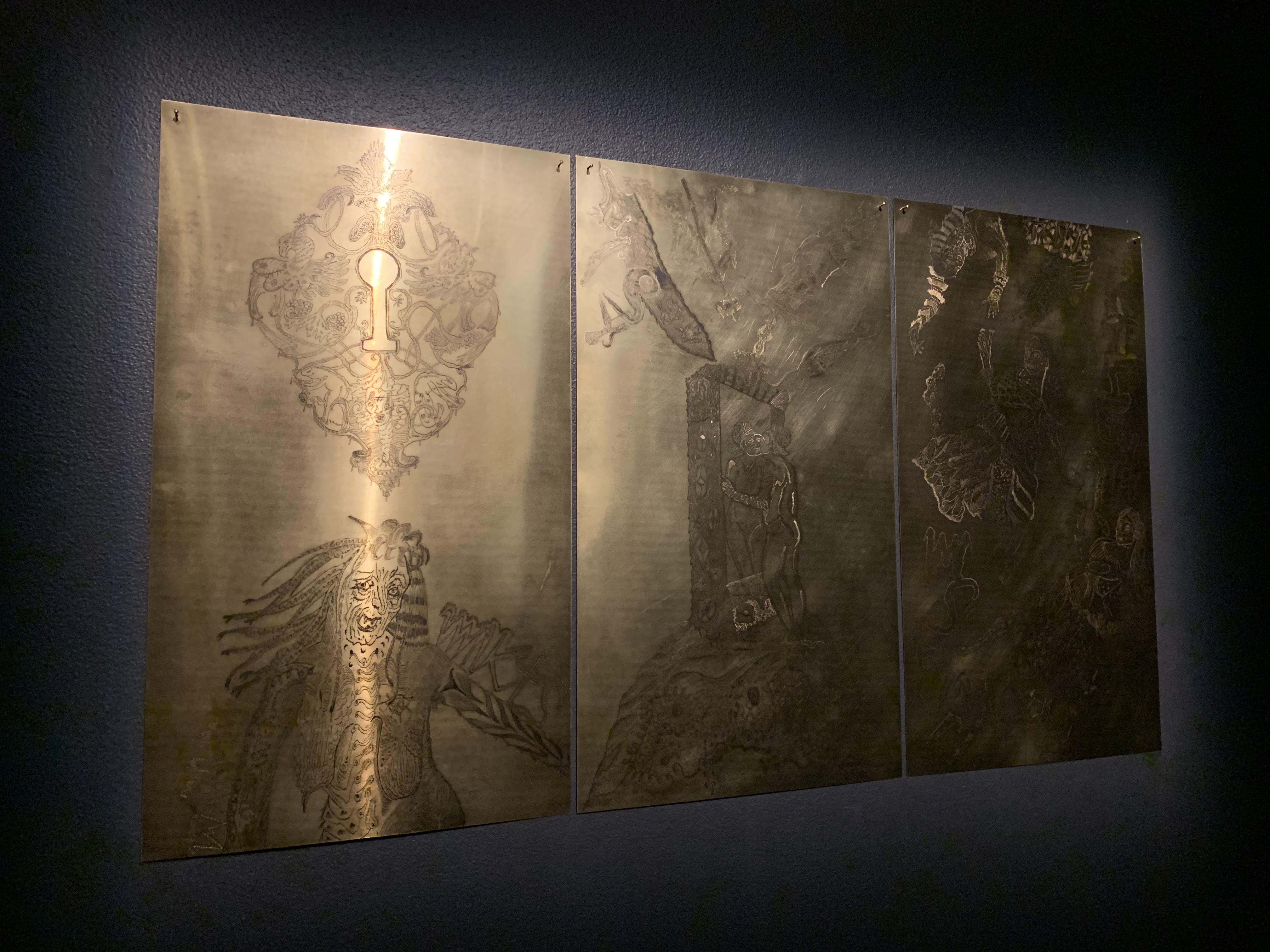
    This evening I attended the opening of Second Sight: Witchcraft, Ritual, Power at The University of Queensland Art Museum. In 2015 I completed my Honours in history focusing on the memorialisation of the Salem Witch Trials in Salem and Danvers, Massachusetts. Needless to say, I have a very special place in my heart for anything to do with witchcraft. I was really looking forward to this exhibition and jumped at the chance to attend the opening.

    Exhibition Aim

    Before entering the exhibition, there is a panel explaining why this exhibition has been curated and what it’s hoping to achieve. According to the panel, the historical etchings and contemporary artworks seek to depict or disrupt ideas of witchcraft. Whereas some of the historic pieces have quite stereotypical depictions, the contemporary works delve deeper into themes of gender, nature and sexuality, to name a few.

    It worked really well not having the works displayed chronologically. Instead, as the panel states, the exhibition becomes less literal and more open to interpretation. If I were seeing purely historic artworks, I would argue the opposite and hope they would be displayed in some sort of chronological or geographical way.

    IMG_2159
    UQ Art Museum

    Exhibition Guide

    There are guides available in most of the galleries that cover the whole exhibition. You need to pick one up. I say need because there are no labels accompanying the artworks. Although I did like the aesthetic of having no labels, I am absolutely useless with a map. It took me about 10 minutes to gain some sort of understanding as to where I was and what I was looking at. Thankfully I was with a friend who got the map straight away. I know I am not alone in my struggle.

    The guides were great because they not only provided information such as artwork title, artist name, year, etc, but also, explanations of each artwork that were quite long and a short artist biography. While in the exhibition, or later, you can read all about the works on display in a lot more depth than a label would have allowed.

    I would have preferred just the artwork title or artist name somewhere near each artwork. For those who don’t take a booklet, or those who take one but don’t read it, there will be little awareness.

    Favourite Works

    I was expecting to only enjoy the historical etchings, particularly any by Hans Baldung Grien. A couple of years ago I researched and presented a paper on representations of the Witches’ Sabbath. There is a famous etching created by Grien depicting a Sabbath. I distinctly remember spending hours researching its context and learning a lot about Grien and his ideas of witchcraft. Seeing an original of his work was always going to be a highlight. I was surprised, however, that there were a few contemporary works I enjoyed viewing just as much.

    1. The Bewitched Groom, Hans Baldung Grien, c. 1544

    This woodcut on paper has everything you could possibly want to see in a representation of a witch – including a sassy horse. It is believed that the witch, seen on the left of the image, has bewitched the horse and subsequently injured the man unconscious on the floor. It is definitely worth mentioning that art historians believe this is one of the first artworks demonstrating foreshortening as a technique, i.e. showing an object closer than it is or having less depth/distance. Yes, that definition comes straight from Google.

    IMG_2192
    The Bewitched Groom

    2. Witch Riding Backwards on a Goat, Albrecht Dürer, 1501-1502

    You would be quite surprised to see anything but a witch riding backwards on a goat. In this work, the goat is depicted as the devil creating all sorts of supernatural mischief. Surrounding the witch and goat are four cherubs holding symbols of witchcraft, including a thorn apple plant and alchemist’s pot. Dürer’s representation of a witch as a demonisied female character is one that has persisted and continues to have great influence.

    IMG_2198
    Witch Riding Backwards on a Goat

    3. Witch’s Globe, c. 1850

    This object is in the very first gallery and is alluring, drawing you into the space. It has been used in this context to mark a liminal space and prevent any evil from entering.

    IMG_2214
    Witch’s Globe

    4. Second Sight, Judith Wright, 2018

    I had to include the artwork after which the exhibition is titled. Wright’s work draws on witch symbolism, especially that concerning nature. The three paintings were quite large and had great impact in the first gallery.

    IMG_2180
    Second Sight
    IMG_2183
    Second Sight

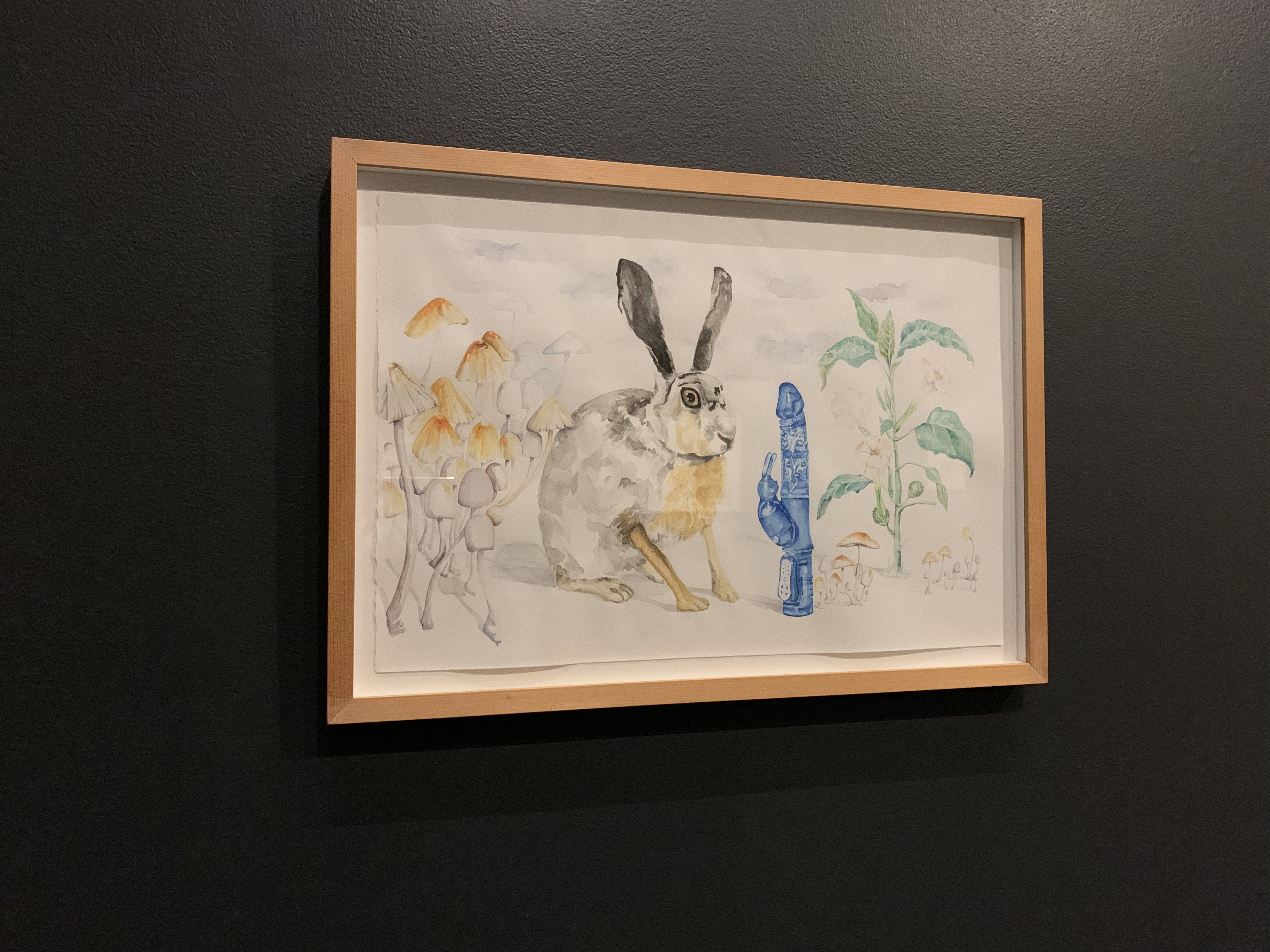
    5. Witch’s Hammer, Monika Behrens and Rochelle Haley, 2011

    It was difficult only selecting one of these artworks, so I’ve included images of another as well. In total, there were five beautiful watercolour works on display. As you can see, the focus of these works is on fantastical botanic scenes with dominating imagery of forest animals and plants. The plants all have strong connections to witchcraft and include, for example, hemlock. Alongside representations of nature are images of glass dildos.

    The purpose of these works is to look at the origin of broomsticks and connect them to female sexual self-gratification. So, the dildo represents the taboo, hidden and sexualised status of the witch. By addressing these issues, the artists are drawing strong connections to how feminine sexual power is perceived. I thought these artworks were the most thought-provoking in the entire exhibition.

    IMG_2203
    Witch’s Hammer
    IMG_2205
    In Search of Long Life
    IMG_2208
    Witch’s Hammer

    6. Ghosted, Rave and Swarm, Emily Hunt, 2018

    Similar to the works by Behrens and Haley, Hunt disrupts the stereotypical image of the witch and speaks to broader issues. The representation of the witch for centuries was led by male artists. Works by these female artists can provide a great opportunity to re-claim and explore fears about feminine sexuality.

    One way Hunt achieves this re-claiming is by placing the figures in a more contemporary framework. For example, the use of the hashtag in her work acknowledges how powerful some contemporary symbols can be (thinking of the #MeToo movement).

    IMG_2186
    Ghosted, Rave and Swarm

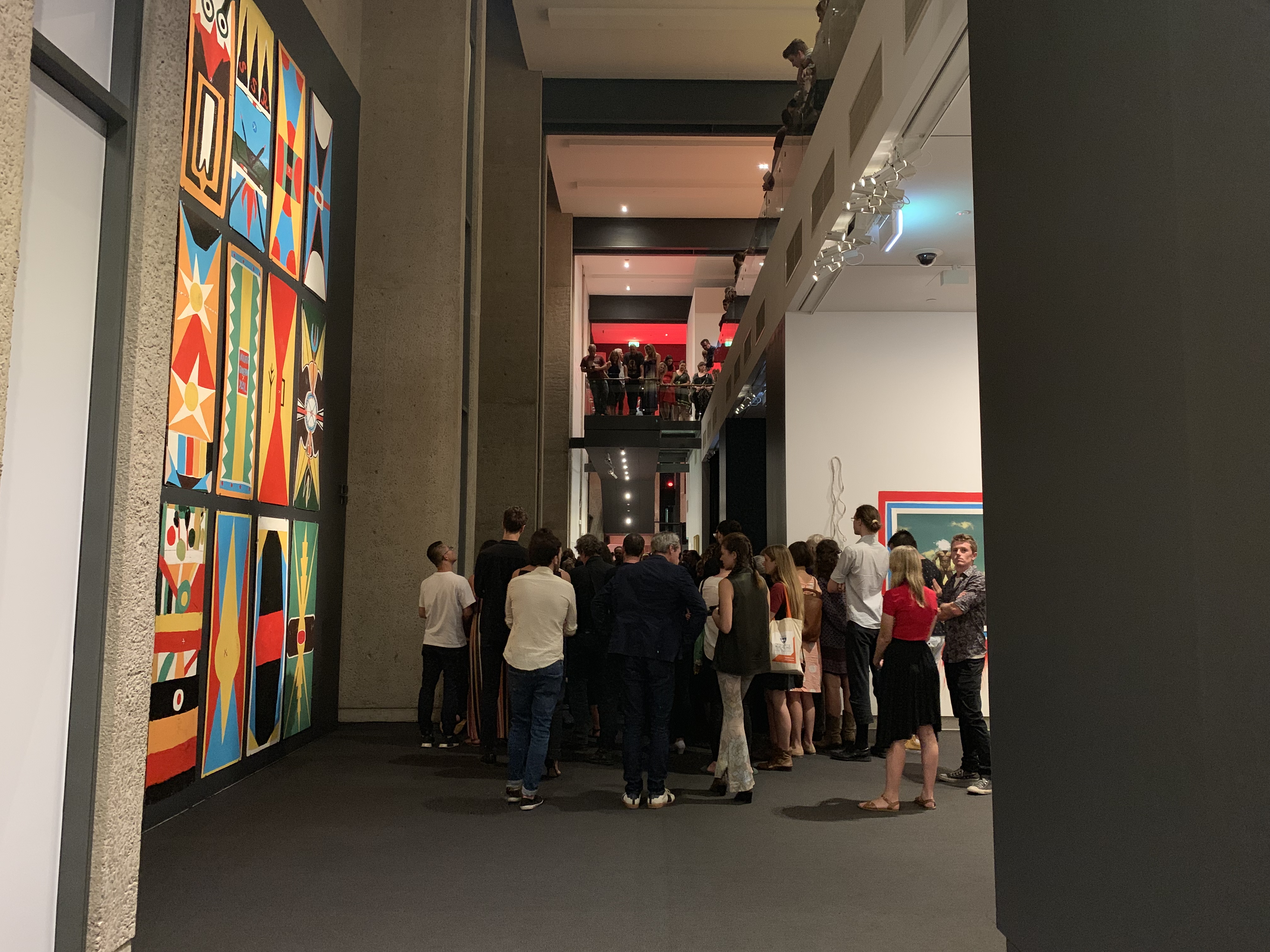
    Exhibition Opening

    To finish, I just want to say that this was a fantastic opening. The gallery allowed for plenty of time to walk around the exhibition with no time pressure. Some openings I have attended focus a lot more on speeches rather than on a preview of the exhibition. Although it is nice to have speeches, I really liked how instead there was a performance. The entire evening was very organised and everything felt under control.

    IMG_2206
    Exhibition Opening
    IMG_2215
    Exhibition Opening

    Second Sight: Witchcraft, Ritual, Power is on display at The University of Queensland Art Museum until 29 June 2019. The gallery is open everyday from 10 am to 4 pm (except Sunday and until 8 pm on Wednesday) and entry is completely free.

  • Sydney: Australian Museum

    Thank you Ziggy for yet another fantastic blog post! Enjoy reading about the Whales/Tohorā exhibition currently on display at the Australian Museum.

    The Whales/Tohorā exhibition, currently on at the Australian Museum, explores the evolution and biological diversity of whales, and their significant role in the cultural history and heritage of South Pacific Islanders. This exhibition was created by, and is on loan from, Te Papa Tongarewa (Museum of New Zealand).

    All images included in this post are courtesy of Te Papa or the Australian Museum and have been retrieved from the Australian Museum website. Click here to visit the website.A huge thank you to Claire Vince and the Media and Communications Team at the Australian Museum for providing us with the following images and videos. Attribution information can be found beneath each image.
    For cultural sensitivity reasons, no photography is allowed within this exhibition. A free self-guided audio tour and interactive Whale Trail are both available to download from the Australian Museum App.

    As you enter the exhibition space, you pass under a Māori wharenui (carved meeting house). It depicts Paikea, a Maori ancestor, riding a whale, reinforcing the cultural importance of whales in Maori tradition as explored throughout this exhibition. The first part of the exhibition centres on the evolutionary development of whales, including the reduction of the pelvis as the tail developed, and how flippers have the same skeletal structure as a hand, as demonstrated by x-rays. I particularly enjoyed this section, learning much about the evolutionary branches and development of whales. This was clearly outlined in this section through the exploration of various whale ancestor species and their variations.

    Also included in this section was a fairly detailed display case relating to the differences between toothed whales and those with baleen – along with the various feeding methods relating to them. Killer whales, which are in fact a type of dolphin, have teeth but swallow their prey whole. Baleen whales, however, filter food by letting the water move through their mouths. For younger visitors, there were a number of interactives, such as trying to design your own whale/dolphin using different fin designs and body shapes, which ended up being quite frustrating. Another highlighted the various skeletal, muscular and digestive systems of whales and explained their purpose, which was easy to understand without overloading the visitor with too much information.

    Having visited both the Mammoths and Spiders exhibitions shown previously at the Australian Museum, I have noticed a distinct pattern in exhibition design and layout. All three exhibitions begin with the evolutionary history and biological specifications of the species in question. For both the Whales/Tohorā and Mammoths exhibitions, the parallels are more obvious, as they both present the evolutionary history of the species in a clear and concise manner, using examples, specimens and displays to highlight particular key developments. Both also examine the different types of the species in question, displaying skeletons indicating aged-related decay and degradation. For example, Mammoths compared two teeth from a younger and an older mammoth, showing the wearing away of the grooves in the older specimen. Whales/Tohorā achieves something similar, as in the second section of the exhibition, a male and female Sperm Whale skeleton are displayed side by side, highlighting arthritis and injury from fighting.

    Along the far left wall, we move into the contemporary history of whales, specifically the long history of hunting and killing whales for their blubber throughout New Zealand from 1820 onwards. The environmental impact of such practice is continually referenced throughout, noting the drastically reduced numbers after some years of this unchecked practice. Objects of note include whaling tools, spears, and scrimshaw (decorated whale teeth). Into the late 20th century, New Zealand stopped its whaling practices and to this day actively promotes a conservation effort to rehabilitate and care for the whale populations near New Zealand.

    The next section related to the cultural significance of whales in Maori tradition and society. Information included how only the chief could wear whale bone necklaces, and how many of the decorative carvings and patterns on weapons reference whales.

    Similar to Mammoths, this exhibition presents the contemporary 21st century challenges of conservation and the importance of continued research. It examines why whales beach themselves and how it is often very difficult to safely return them to the ocean. One clear improvement, when comparing to Mammoths, is that this section had a distinct narrative and a clear structure. Mammoths, however, had inset displays from The Field Museum that, for me at least, were in such contrast to the other displays that it broke the immersive experience. However, this could simply be due to subject matter as mammoths are extinct, whereas whales are contemporaneous so discussing contemporary issues and their significance to culture is far easier and relatable. This was perhaps most evident in the small theatre near the end showing three clips of Maori people telling three stories about whales, showing the clear and ongoing significance to Maori people and their intangible cultural heritage.

    Overall, Whales/Tohorā is a comprehensive exhibition that manages to cover species evolution, history of whaling, and the cultural significance to Indigenous cultures. The latter left me with more knowledge than when I entered, but also a distinct awareness and appreciation for the species within Maori cultural heritage frameworks that were previously unfamiliar to me. Whales/Tohorā is currently on at the Australian Museum and I would encourage all readers to go and experience this exhibition for yourselves.

  • Brisbane: Vitra 100 Miniatures Exhibition

    Words cannot really express how bizarre it was seeing this exhibition of 100 miniature chairs inside St John’s Anglican Cathedral. For quite some time the exhibition was scheduled to be on display at the Living Edge Brisbane Showroom – hosts of the exhibition. I can only imagine something happened last minute and this was no longer possible. Either that, or the decision was made to make this a truly spiritual experience.

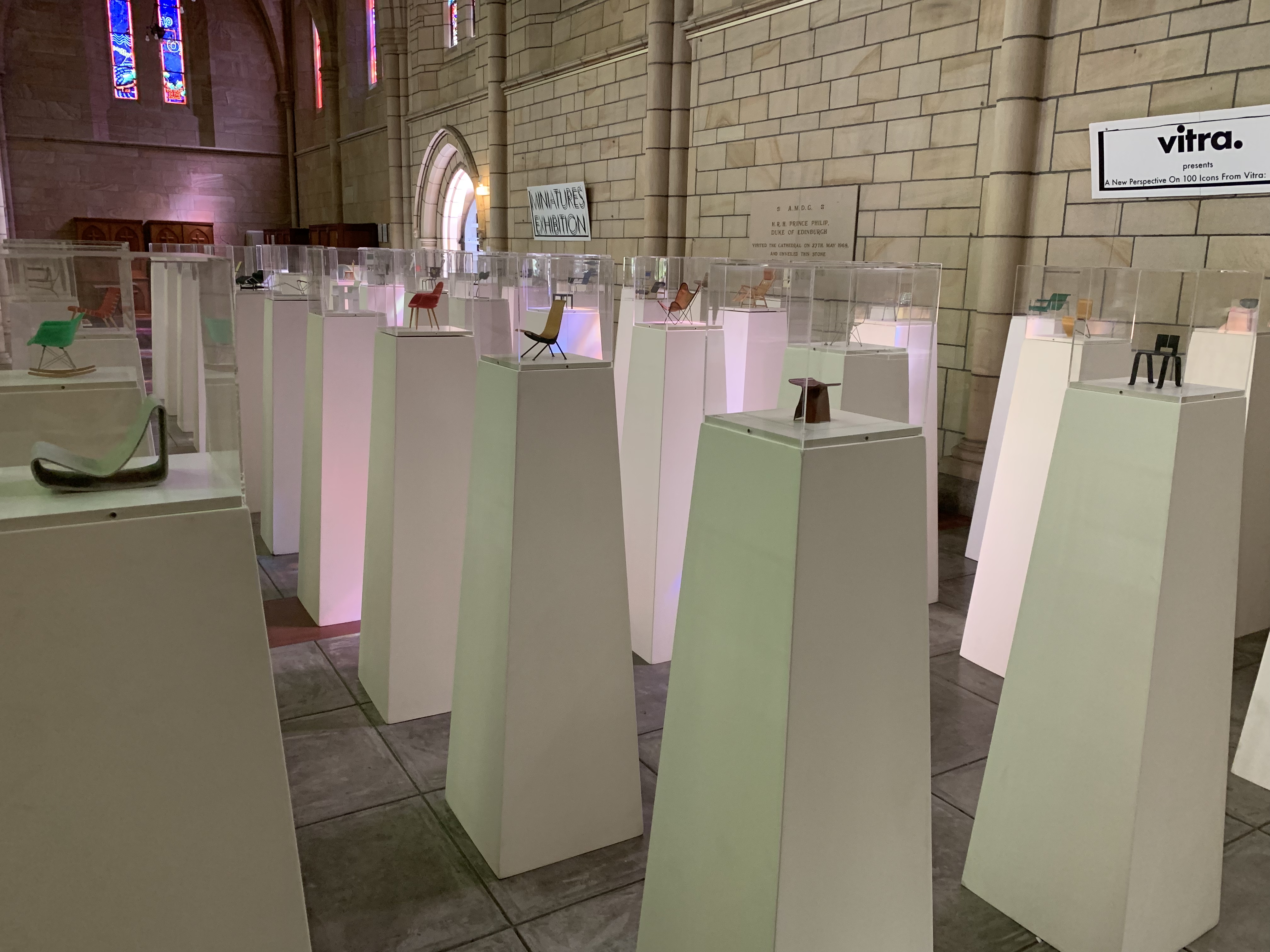
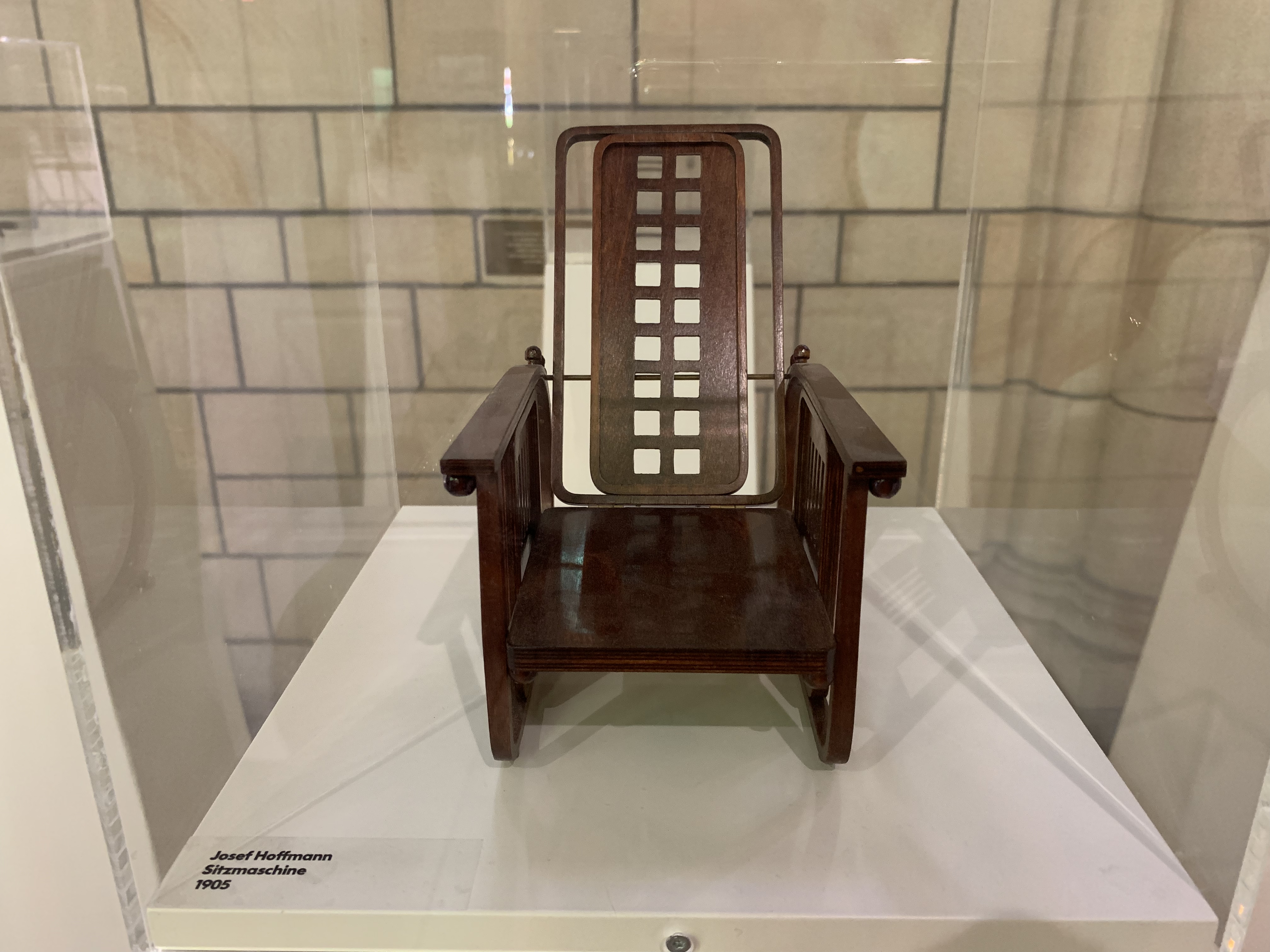
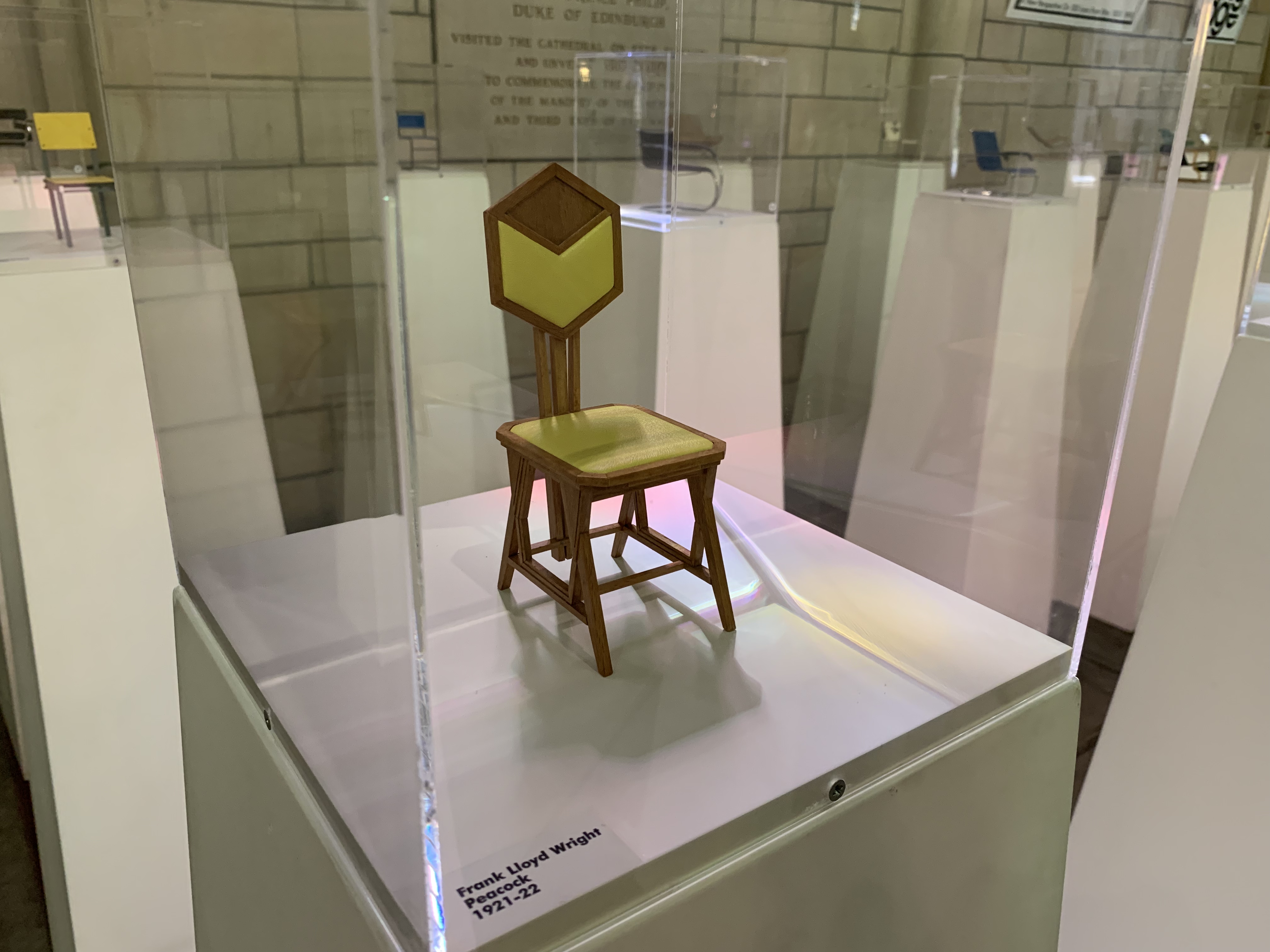
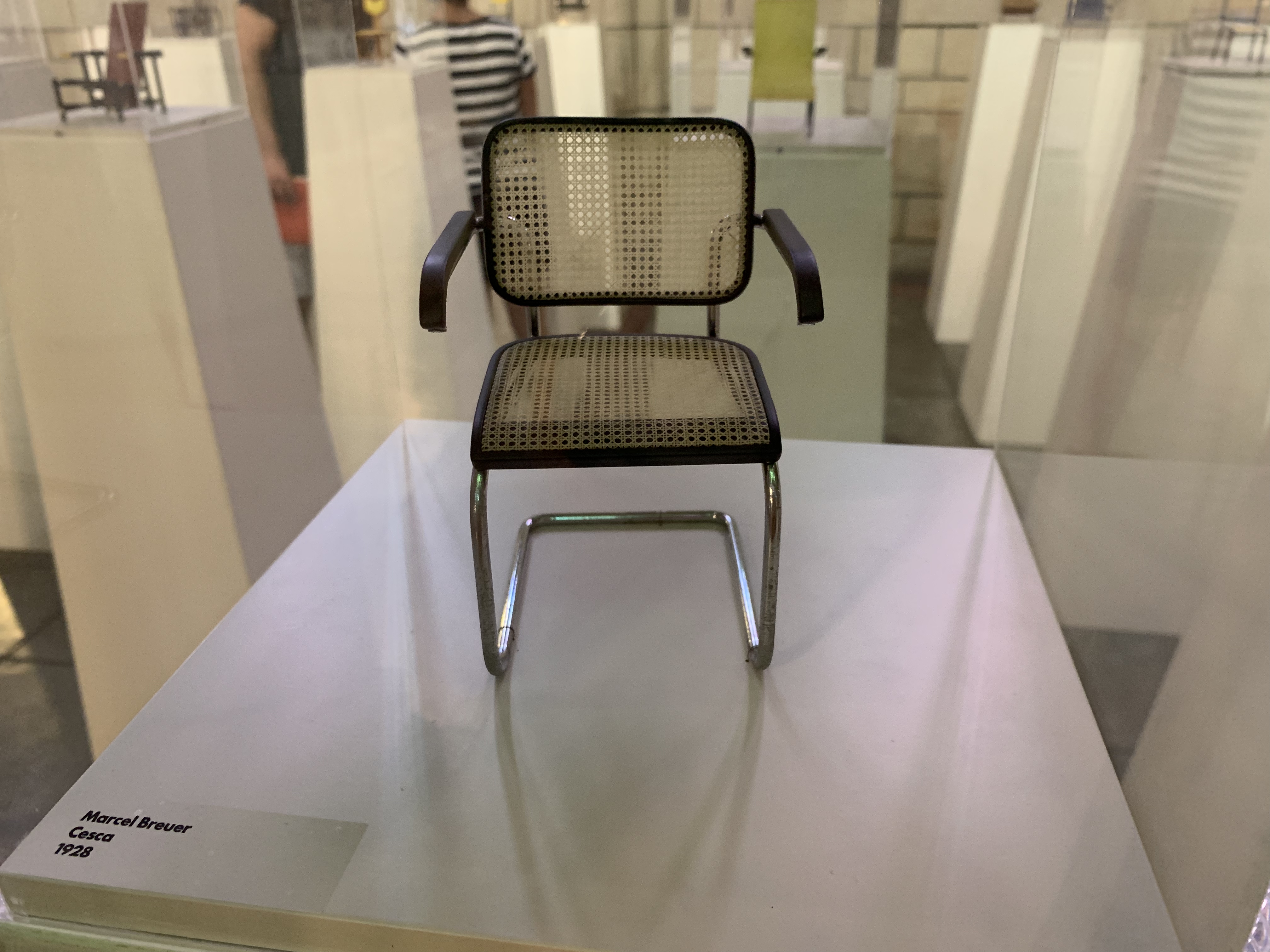
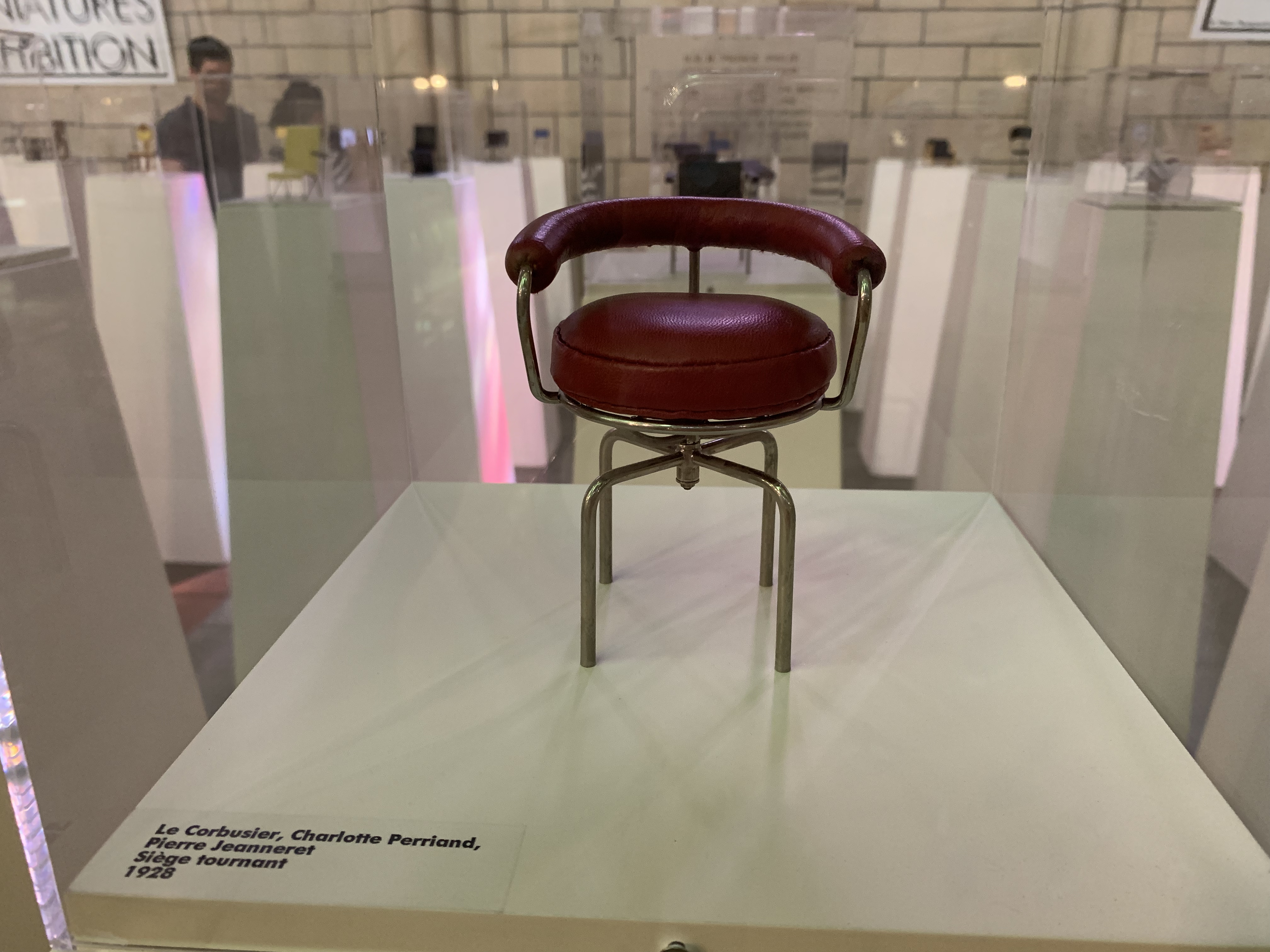
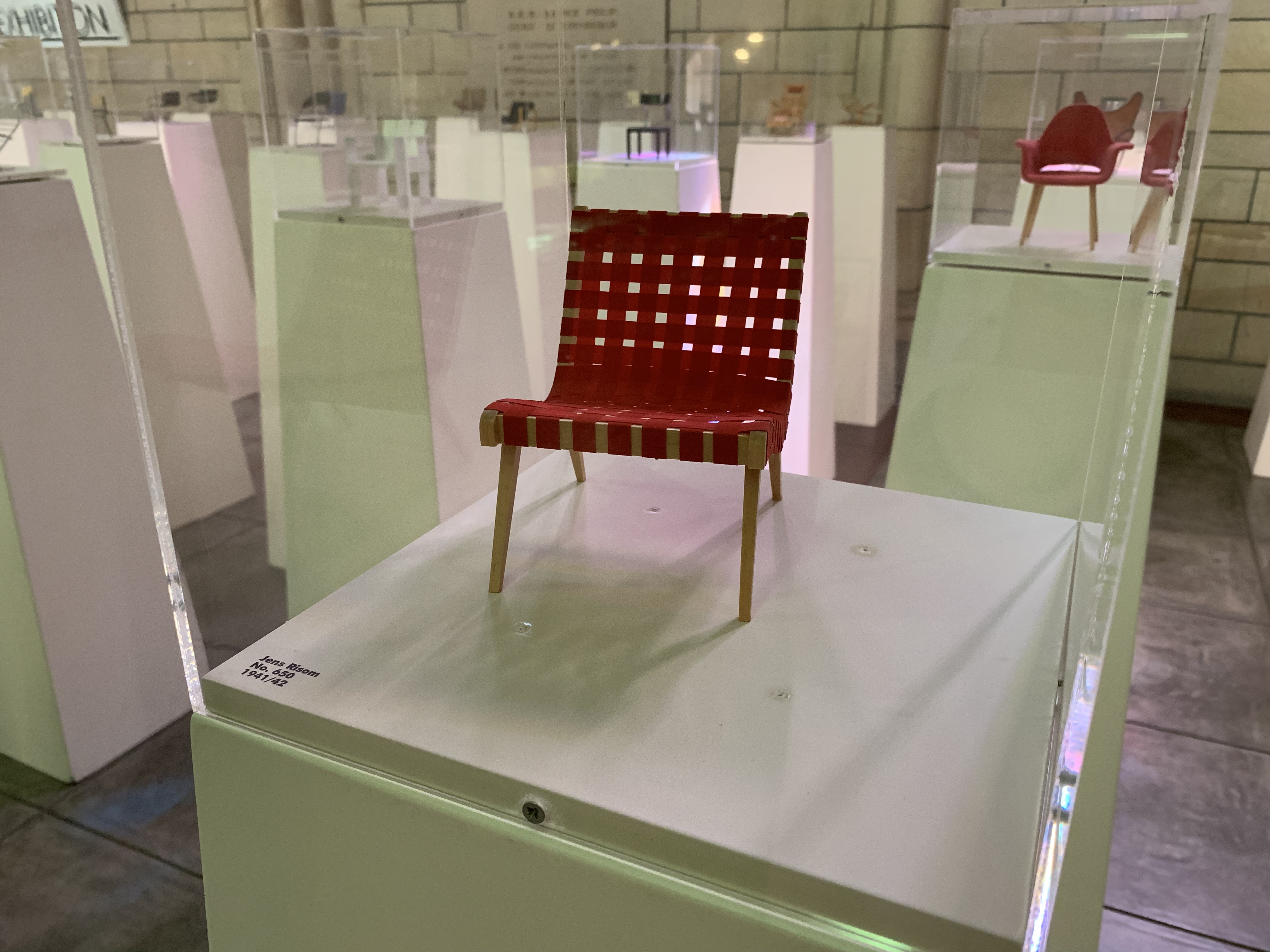
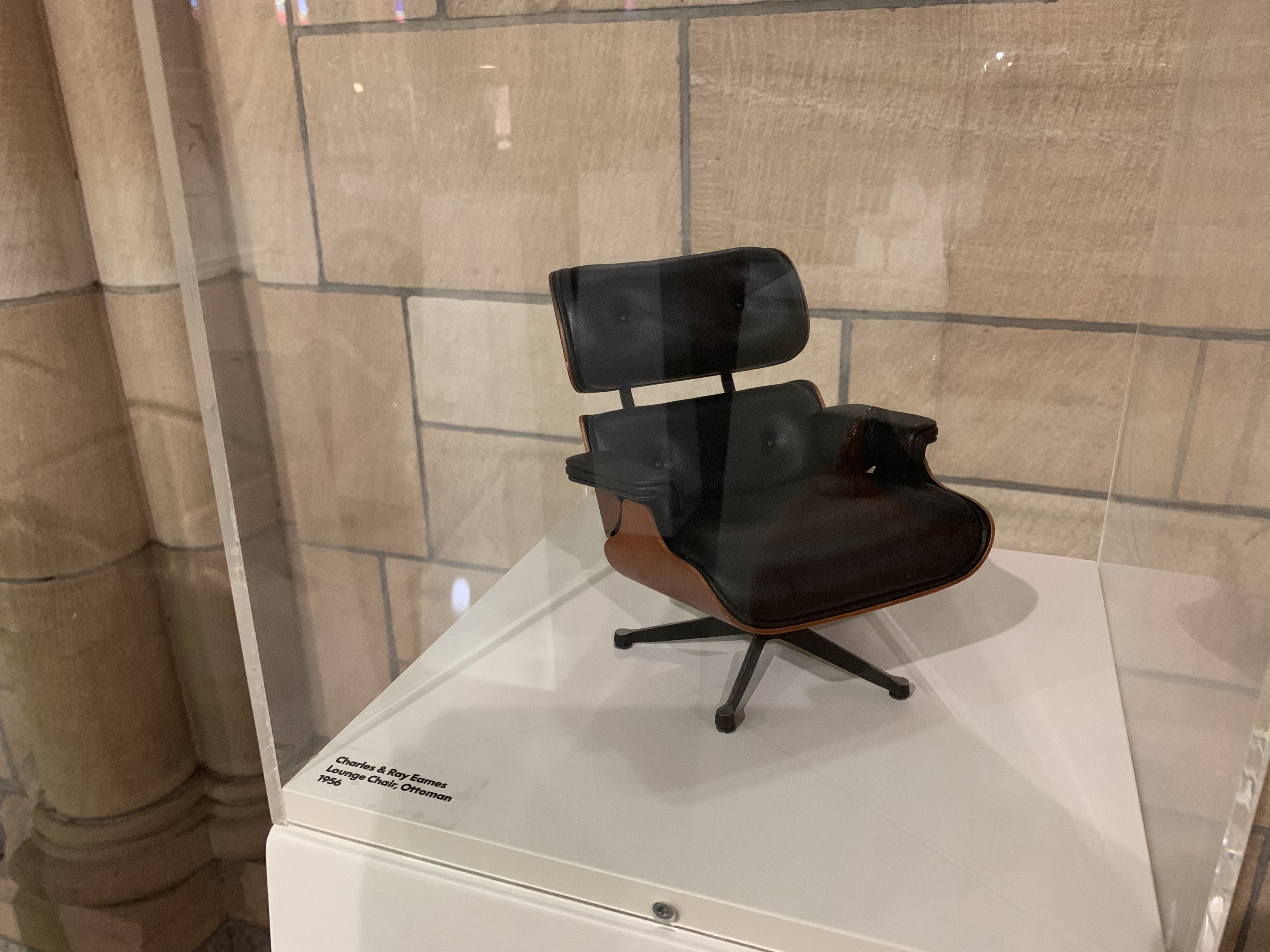
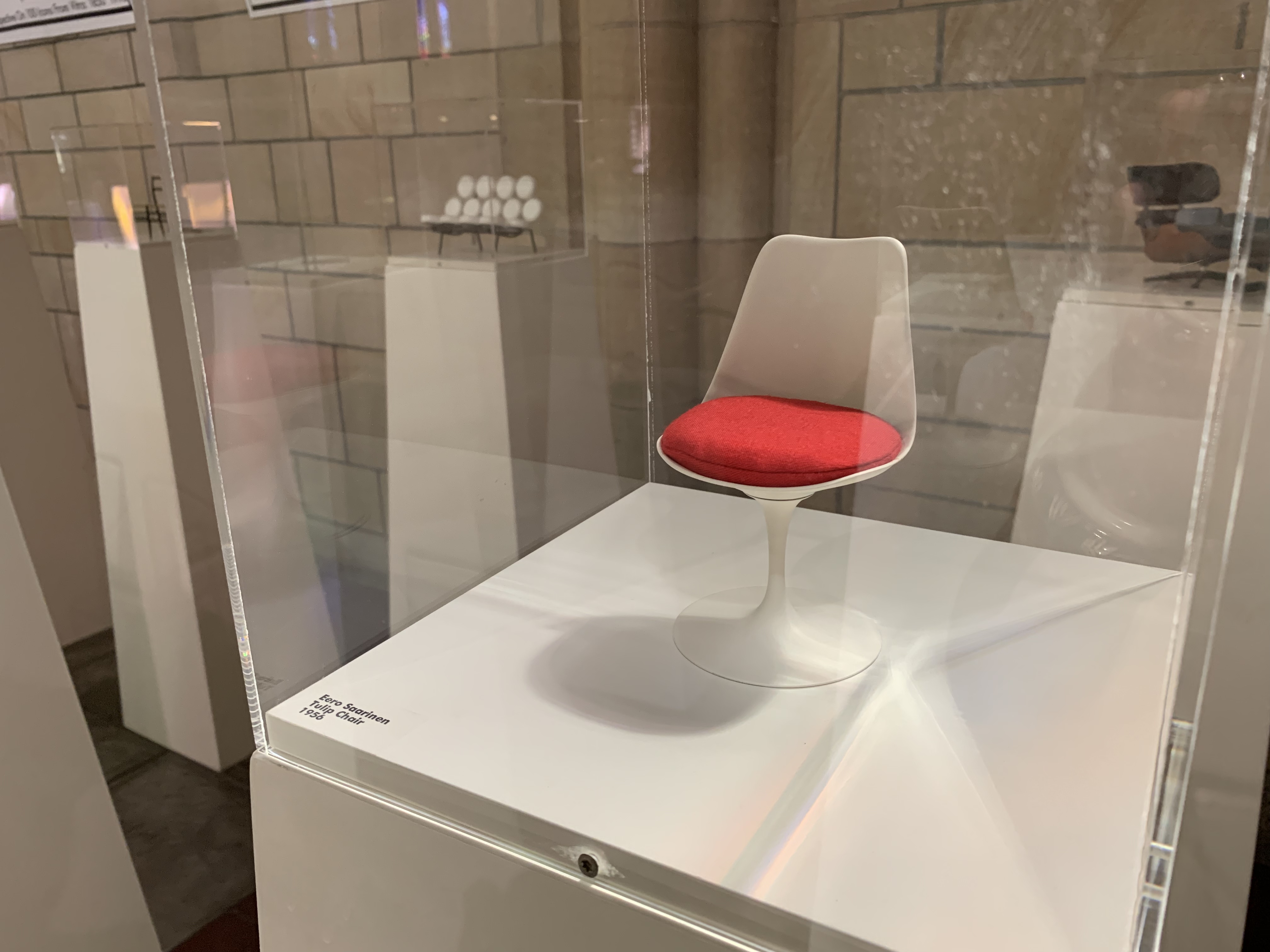
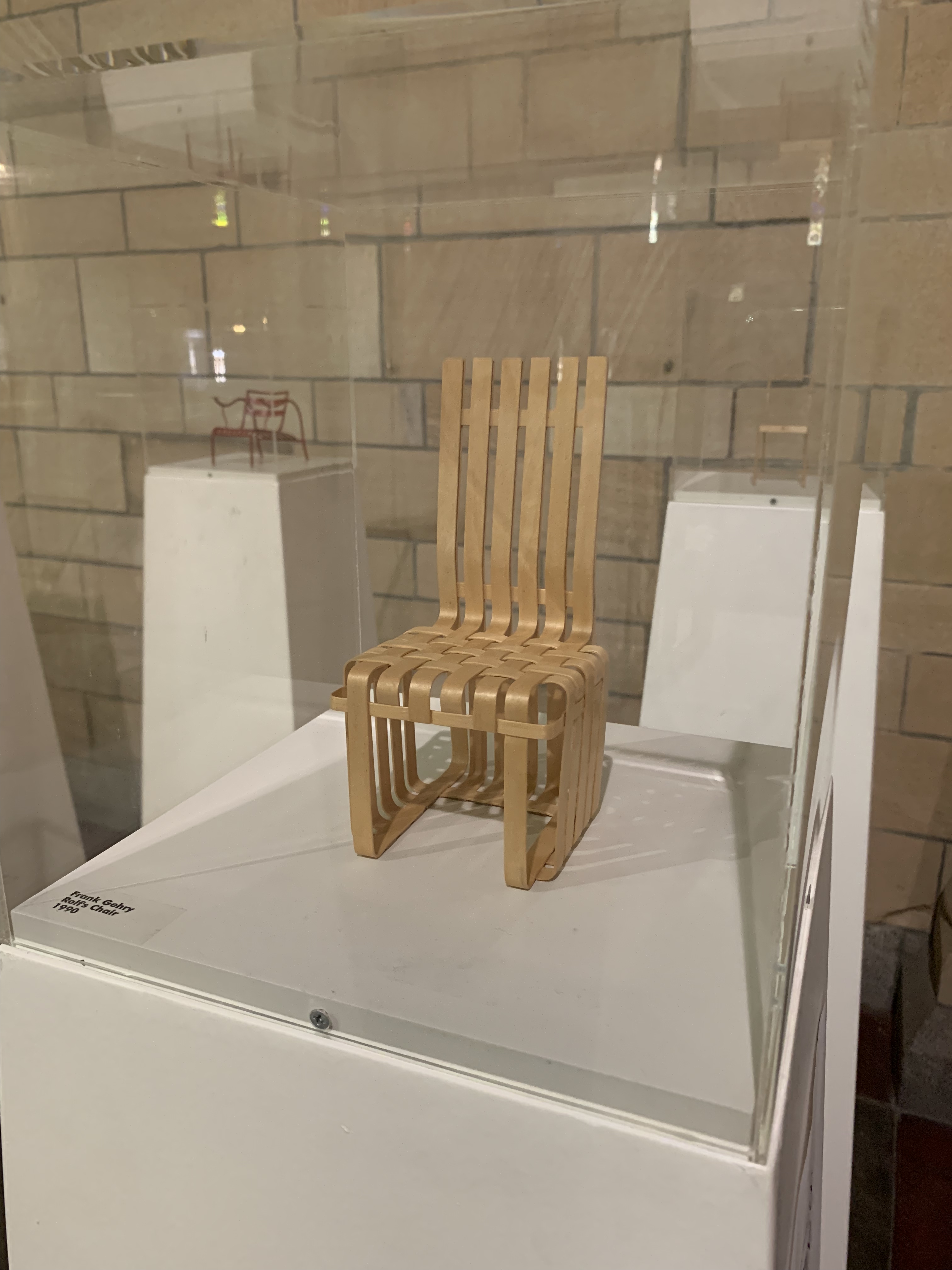
    The exhibition contains 100 miniature chairs, all in their own little Perspex box. The first chair is from 1870 and the final, from 1990. They essentially look like doll house chairs – if that helps you to visualise what is meant by the word miniature. There are three components I want to discuss: layout, content, and labels.

    IMG_9221
    St John’s Anglican Cathedral

    Layout

    The chairs are arranged in chronological order. They are not, however, arranged in a way that forces you to take a particular path. In other words, you don’t have to start with the first chair. I do think you can get more out of the exhibition by following a chronological path. Otherwise, it is easy enough to weave your way in and out of the display.

    The most unfortunate thing about the layout is that the plinths are very close together. Scrap that, extremely close together. It is almost inevitable that you will accidentally bump one, especially if you have a bag. I could see that so many chairs had been rattled about inside their boxes. There were even a few that had moved from the middle right to the edge of their box. Luckily, none had flipped over. I had to make a real effort to be extra careful walking around this display and not gasp too loud when someone else bumped into a plinth.

    IMG_2671
    Vitra 100 Miniatures
    IMG_4109
    Vitra 100 Miniatures

    As you can see from the images above, the plinths also make it difficult to stand directly in front of a chair without blocking the entire horizontal aisle. It wasn’t too busy when I visited but, at times, I did feel I was in a hedge maze trying to avoid other people.

    I am sure this layout was unavoidable due to the venue change. However, it does place the objects at a pretty high risk.

    Content

    Ok, what’s not to love about miniature chairs. It is literally taking the history of a pretty significant piece of furniture and shrinking it down in a “honey, I shrunk the kids” kind of way. It really allows you to see the evolution of chair design including the impacts of changing social and cultural contexts. For example, the creation of the Eames office chair and how it represents an ushering in of the more business-orientated capitalist world we now live in.

    Right at the beginning of the exhibition are some explanatory notes on each era that you can take and read in your own time. The notes are long and incredibly comprehensive, but, speak to the larger contexts that these chairs were created in. I especially liked the card that referred to the Bauhaus movement and how chair design needed to change to become more functional and suitable for mass production.

    These cards are great for exploring trends in design and material availability as well. For example, the explosion of plastic on the market during World War II, and continuing afterwards, resulted in a set of new challenges. Working with the new material meant the chair eventually became an ergonomic seat that wasn’t entirely made from wood, as the majority of chairs had been in the past.

    Here are a few of my favourite chairs on display.

    IMG_1930
    IMG_1929
    IMG_1921
    IMG_1920
    IMG_1919
    IMG_1928
    IMG_1927
    IMG_1925
    IMG_1918
    IMG_1917
    IMG_1915
    IMG_1914
    IMG_1913
    IMG_1912
    IMG_1911
    IMG_5567
    IMG_1909
    IMG_1908
    IMG_1907
    IMG_4786
    IMG_0282
    IMG_2296

    Labels

    Apart from the cards you can carry around, there isn’t a great deal of interpretation. This is not a negative at all. Each chair has the name of the designer (if known), the design name and the year it was created. This information was on a label stuck inside each Perspex box.

    Considering the purpose of the display is to examine design features, extra text on the display would have been problematic. Instead, I thought it was a wise idea to have extra information available, but, not integrated in the display. This is also considering the limitations of the space and how close the plinths were placed together. It would have been a nightmare having to read a huge amount of text on each chair and I probably would have started feeling claustrophobic.

    Conclusion

    If you have an interest in design or seeing miniature objects, I would recommend scheduling a quick visit to this exhibition. It has already travelled to Sydney and Melbourne and is only showing in Brisbane until 22 February 2019.

    Cover Photograph Courtesy of Living Edge. 

  • Update: Museums I’d Love to Visit

    Despite the fact that Valentine’s Day was yesterday in Australia, it is still technically the correct day to be posting this in other parts of the world. Every year, I write a little something on museums/heritage and the theme of love. I am taking the opportunity this year to reflect on my post from 2017, Museums I’d Love to Visit. Let’s see how many I have been able to tick off my list.

    1. Mütter Museum – Philadelphia

    The number one museum on my list in 2017 was the Mütter Museum in Philadelphia. A few months after writing the blog post, in November, I presented at a conference in Boston. I decided to make the journey to Philadelphia specifically to visit this museum and to explore the city. Not only did it live up to my expectations, but, it was also one of the most interesting and intriguing museums I have ever visited.

    IMG_0629
    Mutter Museum
    IMG_2132
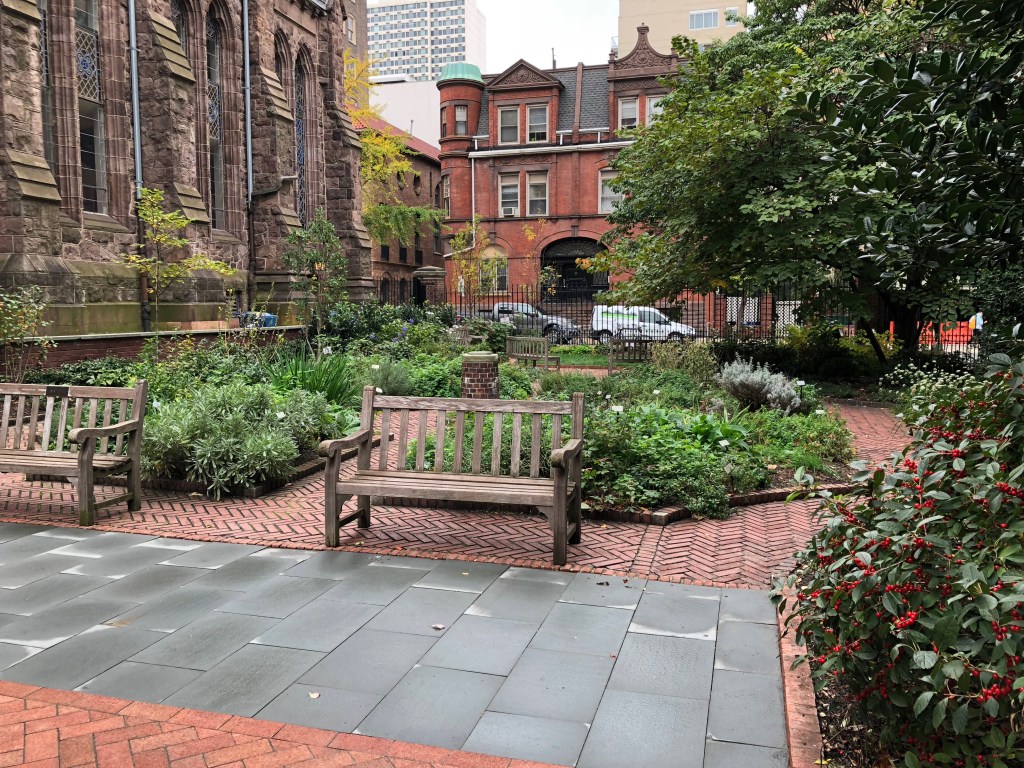
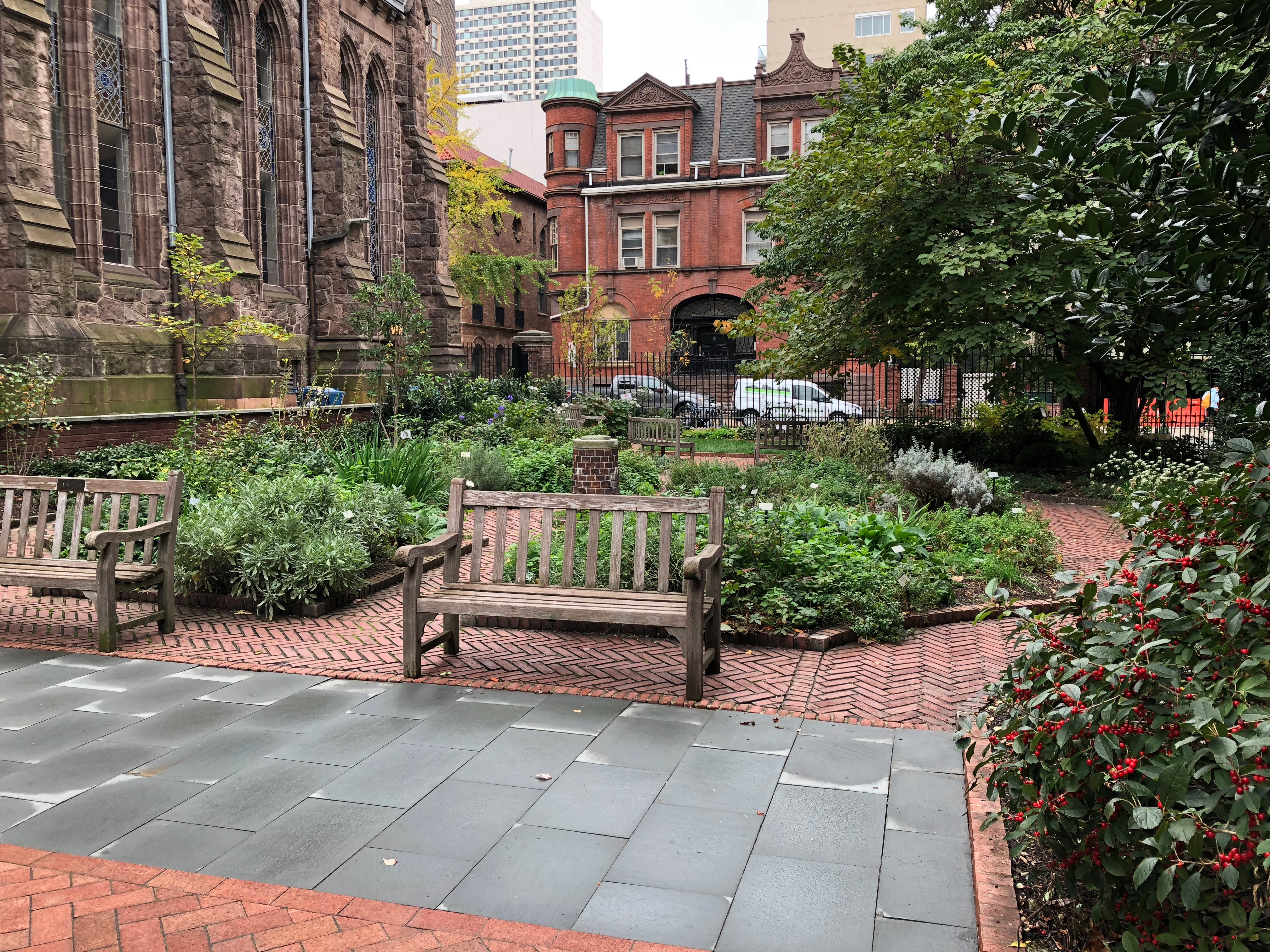
    Benjamin Rush Medicinal Plant Garden

    Everything from the permanent display to the Benjamin Rush Medicinal Plant Garden were just incredible to see firsthand. I thoroughly enjoyed the garden and thought it was a great addition to the museum and a relaxing place to combat visitor fatigue. I also have to give a shout out to the museum gift shop – it sparked my absolute love of soft toys that are shaped like various organs and diseases.

    You can read the full blog post by clicking here. 

    2. Museum of Broken Relationships – Los Angeles & Croatia

    Similar to the name, this is a tale of heartbreak. I really wanted to visit the Museum of Broken Relationships while we were in Los Angeles, however, the American branch of the museum has closed and is yet to re-open. Looks like I might have to make the journey to Croatia soon in order to see this one!

    3. Te Papa Tongarewa – Wellington

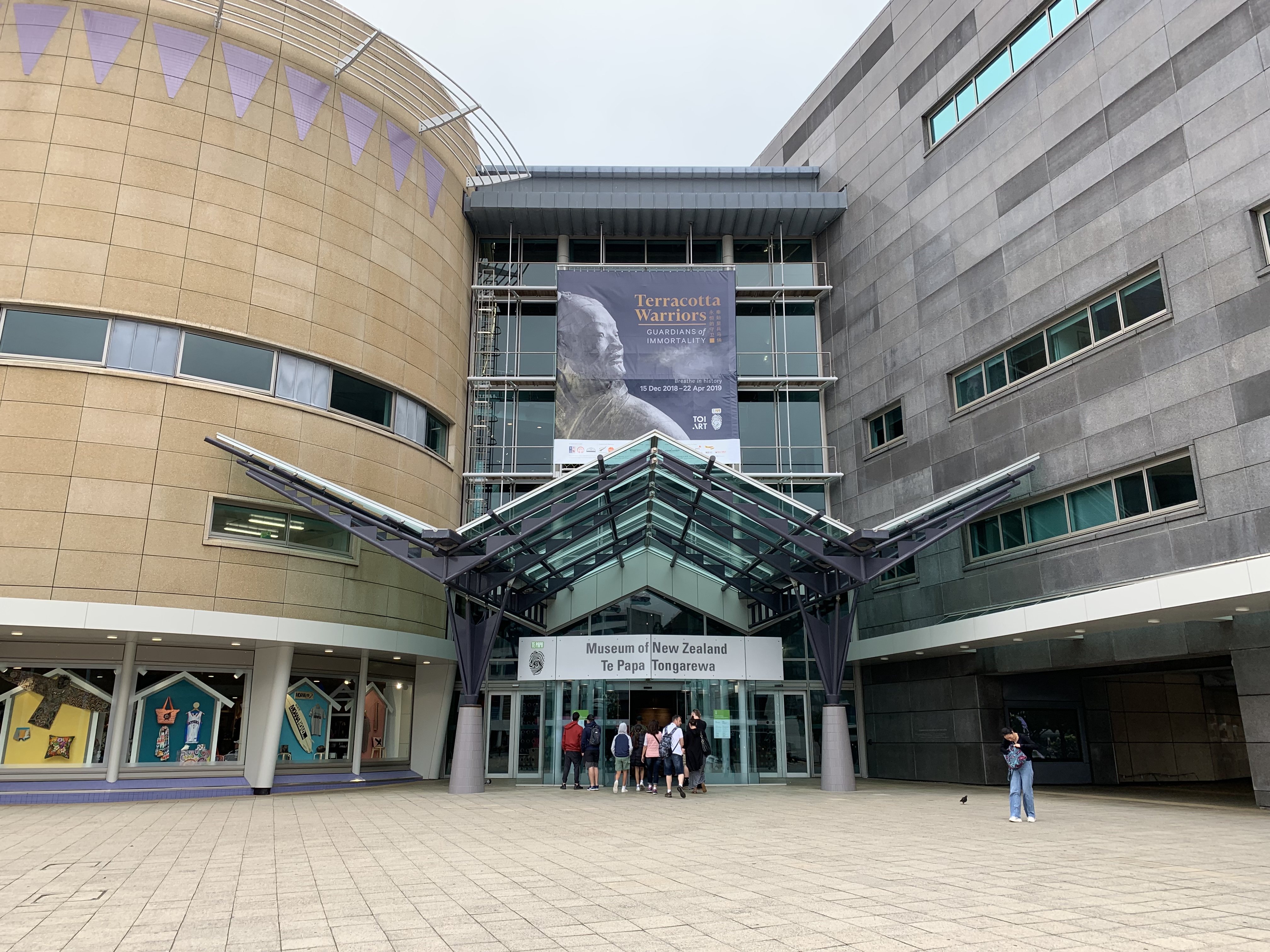
    From heartbreak to happiness, I have ticked Te Papa off my list. We visited Wellington a few months ago over Christmas and New Years. Te Papa was quite an experience. Everything from the exhibitions to the guided tours felt so effortlessly inclusive. If you are looking for a museum that combines different national stories together in a way that doesn’t feel forced or tokenistic, Te Papa should be on your list.

    img_0808
    Te Papa Tongarewa
    img_0957
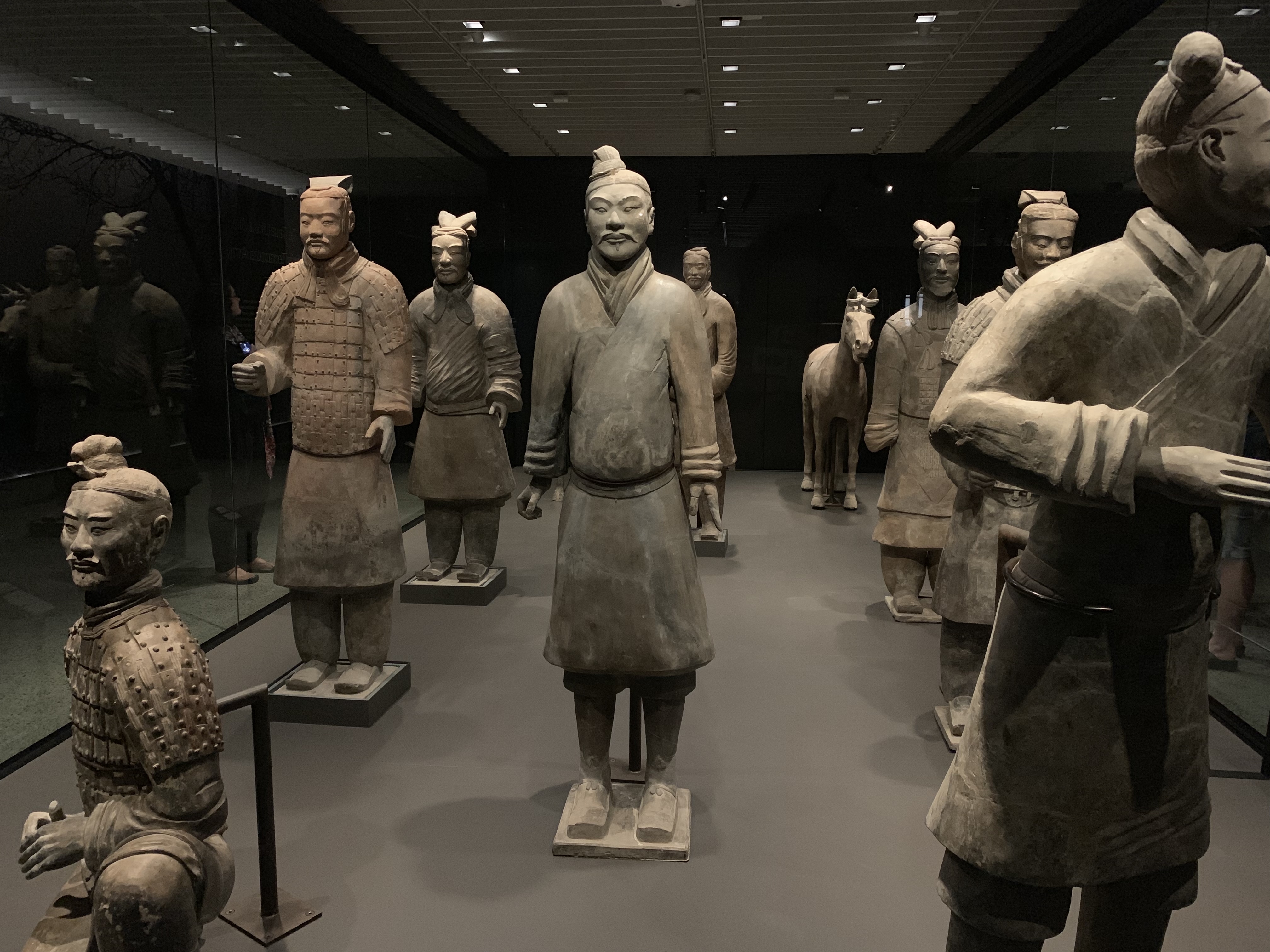
    Terracotta Warriors Temporary Exhibition at Te Papa

    I highly recommend joining a guided tour before trying to tackle this one on your own. It is a huge museum with so much to see and do. A tour is a great way to get yourself orientated.

    You can read the full blog post by clicking here

    4. Smithsonian National Air and Space Museum – Washington D.C.
    5. United States Holocaust Memorial Museum – Washington D.C.

    I am aiming for an almost perfect score on this list. When I visited Boston and Philadelphia, we also included a short visit to Washington D.C. While there, we made sure to visit number 4 and 5. The National Air and Space Museum was slightly outdated, but, truly allowed my inner child to feel at home. I loved the huge aircraft hanging from the ceilings displaying the evolution of aviation travel.

    img_1721

    On a sort of similar note, I am so excited that the Queensland Museum will have a NASA exhibition opening in March.

    You can read the full blog post by clicking here

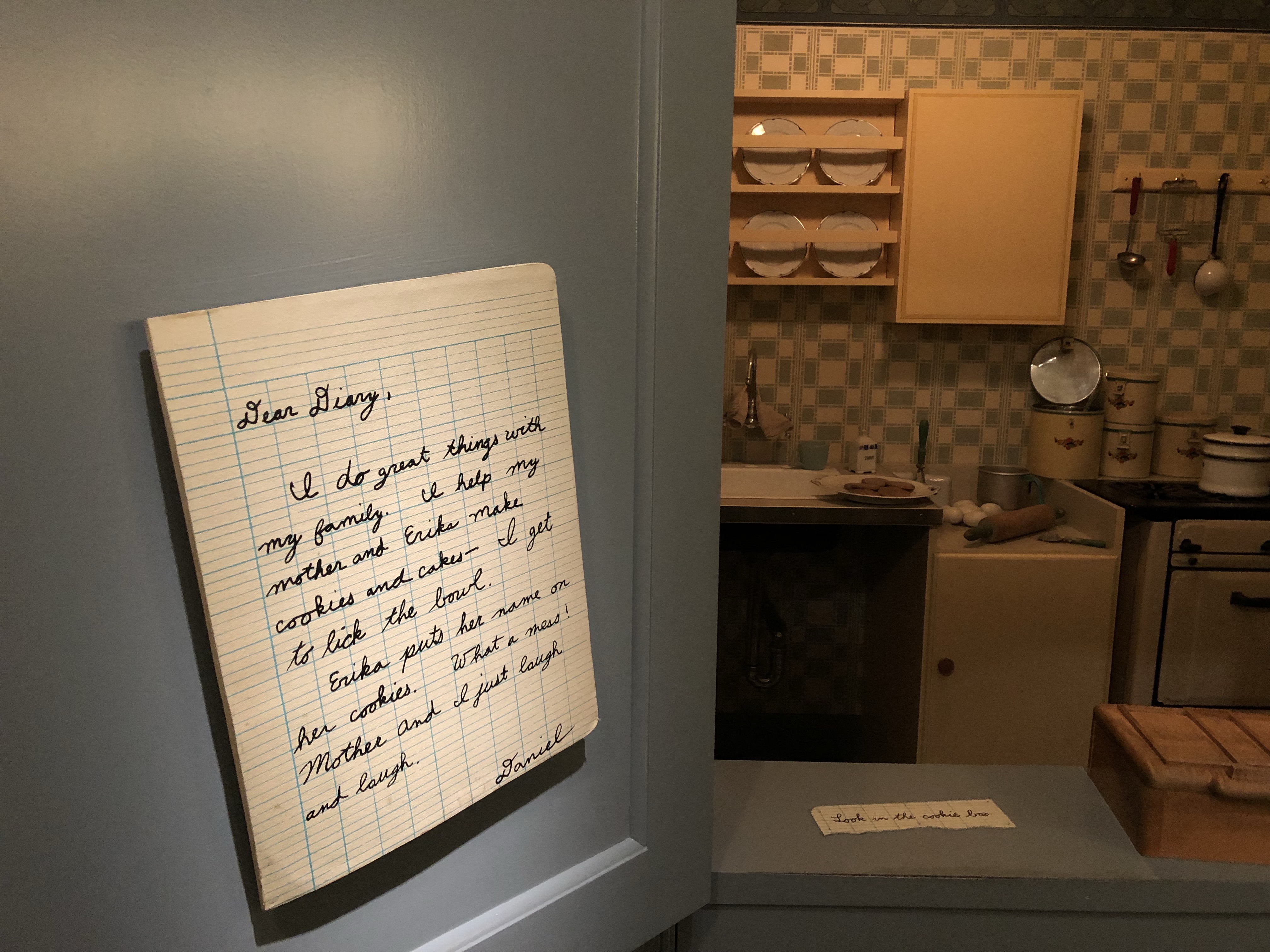
    Visiting the United States Holocaust Memorial Museum was quite a sombre experience. I found the temporary exhibition, Daniel’s Story to be well curated, offering an in-depth look at how children experienced the Holocaust. The permanent exhibition was informative and contained some harrowing objects.

    img_1273
    Daniel’s Story Temporary Exhibition
    img_1325
    Photographs of Jewish families and individuals from Lithuania

    You can read the full blog post by clicking here

    6. The Henry Ford Museum

    This is quite an exciting one to write about as I haven’t visited yet, but, will be in April this year! I have already had way too much fun planning our visit on their website. There are so many significant objects from American history in the one place. I think we’ll need at least 3 hours to truly take in the entire museum.
    Watch this space for the blog post coming soon.

    Other Museums I’d Love to Visit 

    Although this may seem very convenient, there are a few other museums I’d love to visit that I will actually be visiting in April/May.

    These include:

    • The Mob Museum – Las Vegas
    • International Museum of Surgical Science – Chicago (there is a whole floor display on pathology so I’m basically wanting to astral project myself there right now)
    • Field Museum – Chicago

    The Field Museum has the largest, best preserved Tyrannosaurus rex specimen named Sue. Needless to say, I am counting down the days until our visit.

    I am saving a new list for next year. Until then, there are so many exhibitions and museums planned for 2019 and I cannot wait to start visiting them all!

  • Sydney: Museum of Applied Arts & Sciences

    A huge thanks to Ziggy Potts for writing his thoughts on the new Star Wars exhibition at the Powerhouse Museum. Happy reading!

    Hello again,

    Being a massive Star Wars fan, one of the highlights of the holiday period was going to see the new blockbuster exhibition Star Wars: Identities, currently on display at the Powerhouse Museum. This exhibition was fascinating and a very enjoyable experience, revolving around the mythos of Star Wars and featuring many of the movie props from the entire franchise. It highlights a psychological perspective and interpretation of the material that I had not really considered despite being an avid fan since first seeing The Phantom Menace in 1999. Star Wars: Identities explores the characters and settings of the Star Wars Universe to reflect on and discuss the psychological aspects that make up our own personal identities. This leaves the visitor pondering questions of who we are and why we do the things that we do.

    The exhibition begins with each visitor being handed a wristband and headset, both key to the full exhibition experience. Entry is timed to every half hour, ensuring that each visitor can experience the content at their own pace without being too distracted by other people. Once inside the exhibition, you are shown a brief introductory film explaining the context of the exhibition and how the wristbands are to be used at each of the ten wrist band activation stations. At these stations you are able to make your own Star Wars character and have it emailed to you at the end of the session. There are ten main themes within the exhibition: Origins, where we come from including Species, Genes, Parents, and Culture; Influences: the outside influences that impact our lives including Mentors, Friends and Events; and Choices: the lifestyle choices that shape who we become including Occupation, Personality and Values.

    In terms of narrative structure, there is a strong sense of continuity, tracing how our identities build from birth, through adolescence and into adulthood. It covers how, despite similar upbringing and experiencing similar life events, people can have different reactions, depending on their personality. This thread is carried throughout the entire exhibition in the comparison of both Anakin and Luke’s journeys from Tattooine, meeting a stranger who opens up their world to the galaxy (Amidala and Ben Kenobi), to their reaction to loss and setback (falling to the dark side or staying true to the Jedi). This primary thread is clear, but, not too overstated, meaning those who visit just to look at the movie props can enjoy that without the psychological overtones. But, for those with an extensive knowledge of Star Wars, it provides an additional reason to see the exhibition (especially considering there have been two previous Star Wars blockbusters at the Powerhouse).

    As a Star Wars fan, who also has a psychology background, this fostered in me a deeper appreciation for the source material and an even stronger analytical perspective that has only developed further since visiting. From a museum perspective, this exhibition has clearly met two of the key criteria for blockbusters – increasing visitation to the museum space and creating a positive and memorable experience that will likely increase awareness of and repeat visitation of the institution at large.

    In terms of the physical layout, each of the themes is clearly marked by an introductory wall panel exploring how the theme relates to identity. The space is fairly open with display cases dedicated to specific costumes and movie props that link back to the theme, as well as short videos on loop that more explicitly link the psychology to Star Wars. For example, the ‘Occupation’ section centres largely around Padme Amidala with a plinth showing her Queen costume from Episode 1, senator outfit from Attack of the Clones and the dress she wore when the Emperor rose to power at the end of Revenge of the Sith. The only slight drawback here is that the video is motion triggered within a designated area. If you step in mid-clip, you have to wait until it loops back to the start to get all the information. The motion triggered area is also quite small, so, despite the staggered entry, if people are slow to move through the space, it could detract from the experience.

    Some of the key objects on display from the Lucasfilm Archives include the original eyes from Jabba the Hutt in Return of the Jedi and a display case depicting, for the first time, the full evolution of the Clone Trooper, Stormtrooper and First Order armour sets complete with a full sized Boba Fett. I also enjoyed the long display case filled with many of the spaceships and vehicles including the Mon Calamari Star Cruiser, AT&T, Rebel snowspeeder and X-Wing Starfighter. The only slight drawback here is that the background sound effects from the display case negatively affects the nearby video.

    I also greatly enjoyed the ‘Values’ section, containing one central plinth with the costumes of Mace Windu, Plo Koon, Obi- Wan Kenobi and Luke Skywalker all displayed together. In a throwback to high school English, when I analysed ‘The Matrix’ as part of The Hero’s Journey, I learned the meaning behind the introduction of darker colours in the costumes of both Anakin and Luke. Anakin’s robes were representative of his impending fall to the dark side, and the dark colours of Luke’s costume was a distinct visual link between Vader and Luke.

    Finally, at the end of the exhibition, the choices you have made throughout in terms of Origins, Influences and Choices culminate in choosing either the Light or the Dark Side and finalising your character which you can then email yourself as a reminder of the experience. Overall, the wristbands worked perfectly and there were no issues. The only slight problems I can think of were only being able to choose one mentor (as we are each the product of many people), and the fact that if you are going through the exhibition by yourself you have no friend to link up with at one of the stations and this affects the end character profile picture.

    Unfortunately, as what happens with big exhibitions, some of the movie props are not exhibited here including Anakin’s podracer, due to its size, as well as Darth Maul’s costume. There are also some objects that were not included and sent back due to conservation issues, namely because they had reached their time limit for continuous display.

    Notwithstanding this, there are also three showcases outside the main exhibition displaying collectables from the original trilogy, collected by Mike Sarantos, presented alongside his personal story. This helps to incite interest in the exhibition for those generally visiting the museum, while demonstrating the strong influences the franchise has had on generations of people that have made collecting memorabilia their main passion and forms a cornerstone of their identity.

    Overall, Star Wars: Identities does a fabulous job of presenting and contextualising the mythology. No matter your previous history with the franchise, you can enjoy the exhibition and learn something about yourself. This is along with the usual enjoyment that comes from seeing original movie props and learning about the development of one of the most successful franchises in history. Star Wars: Identities is currently showing at the Powerhouse Museum until 10 June, 2019.

    My Hero:

    StarWarsIdentities_ziggy_5becf95817f1d

    Male Zabrak
    I was raised on the lush planet Naboo, where members of my community made their living working as landscapers at the planet’s many cultural heritage sites. On holidays my best friend and I would traditionally wander through the art galleries in the city of Theed.

    My parents required discipline from me but gave me support when I needed it, and I inherited my strong set of intellectual abilities from them. Later on I spent some time with the great leader Padmé Amidala, whose guidance left me with knowledge I still use every day in my job as a merchant.

    I remember this one time when I won a Podrace, and my reward was my freedom from slavery. I didn’t let this affect me too much, though; instead I struck out in my X-wing to explore the edges of the universe.

    People often tell me I’m a generally organised and prepared person, I also tend to be adventurous and curious. But the most important thing to me is achievement: I believe that excellence deserves recognition and respect.

    I have pretty strong powers with the Force; I guess that’s why the Emperor came looking for me. When he offered me limitless power in exchange for my allegiance, I fought the urge to join him and his evil minions and rejected his offer.

    Thank you Ziggy for a great blog post! What an interesting way to display the Star Wars Universe.

  • Sydney: Carriageworks

    When I first heard about this exhibition I thought wow, the Australian singer Nick Cave has an exhibition opening at Carriageworks! I soon discovered that there is also an American artist called Nick Cave. Just goes to show I do not operate in the world of contemporary art. Thank you to the other people out there who thought the exact same thing and have made me feel much less foolish.

    Nick Cave (artist)

    Nick Cave’s first collection of works, titled Soundsuit, were created in response to the beating of Rodney King in Los Angeles. The artworks are made from a variety of mediums including fabric and twigs. Their aim, to highlight social justice in a way that is both empowering and confronting.

    In his new show, Until, Cave again looks at the idea of social justice addressing issues such as gun control, race relations and gender politics. Although this is achieved through large scale sculptures, Cave also wants the exhibition to be a forum where important issues can be freely discussed.

    Until 

    The exhibition comprises of sculpture installations and a few digital works. We decided to focus on the sculptures and skip the digital displays. I thought the layout of the exhibition worked well, however, there was one major problem that I’ll talk about a little later. Here are four of the sculpture installations in order of their layout (starting with the closest to the entrance).

    1. Kinetic Spinner Forest

    When you first enter the space, it is really hard to miss the 1 800 hanging mobiles spinning around. They have been created from spinning garden ornaments and are truly quite mesmorising. At first glance, they look innocent enough – a group of mobiles spinning in the light breeze. However, some have images of guns, bullets and tear drops in their centre. According to the catalogue, this installation aims to be playful-looking from afar, yet filled with messages of gun control and gun violence when viewed up close.

    This is the installation that had a layout issue. There were some pretty clear paths created to walk through the forest, however, visitors were constantly going off grid to take photographs. The front of house staff were constantly having to run and tell people to stay on the path. Maybe if there was some kind of small barrier that didn’t look too intrusive it could save multiple headaches.

    img_1637
    Kinetic Spinner Forest
    img_1631
    Kinetic Spinner Forest

    2. Crystal Cloudscape

    This was such an incredibly beautiful installation. Thousands of crystals and a few chandeliers were transformed into a crystal cloud. It was amazing to stand beneath and look up.

    As well as the crystals, there were four large yellow ladders leading to viewing platforms above the canopy. I decided not to climb the stairs because it was unbelievably hot in the exhibition space and I didn’t want to pass out. From what I could see, it looked as though thousands of little porcelain figures and random bits and pieces from vintage shops had been stuck together. After reading the cataologue, I learnt that integrated into the display are a selection of racist memorabilia collected by Cave over the years. There are sixteen ‘Jocko’ garden figurines that are caricatures of African Americans. Cave wanted these figurines in the work to play the role of messengers and keepers of past memory. The fact they have been included disrupts the sort of beautifully aesthetic cloud and forces visitors to come face to face with difficult histories.

    img_1663
    Crystal Cloudscape
    img_1664
    Crystal Cloudscape
    img_1599
    Crystal Cloudscape
    img_1610
    Crystal Cloudscape

    3. Flow/Blow

    I really enjoyed this installation because it basically consisted of blue/silver tinsel and fans. Considering it was so hot, the fans were a very welcome addition in the space. This artwork looks at how oxygen and water are healing properties and invites visitors to stop and take a breath before moving on.

    img_1643
    Flow/Blow
    img_1648
    Flow/Blow

    4. Beaded Cliff Wall

    This was an impressive installation that took Cave and 12 studio assistants 18 months to create. There are millions of plastic hair pony beads threaded through shoelaces and woven over industrial cargo netting. Throughout the work are words, such as ‘power’, and symbols, such as the rainbow, incorporated.
    I like how the installation is described as reminding visitors that the whole can be greater than the sum of its parts. So, by joining all these little individual beads together, Cave has been able to create something powerful.

    img_1650
    Beaded Cliff Wall
    img_1659
    Beaded Cliff Wall
    img_1660
    Beaded Cliff Wall

    Until is on display until 3 March 2019 at Carriageworks. Entrance is free and the exhibition is accessible. Please note that the display area does get hot in summer so try to avoid the middle of the day.
  • Sydney: Sydney Jewish Museum

    In October 2018 I wrote a review on the Sydney Jewish Museum and its newly renovated permanent display (link). I basically had the same thoughts and feelings after visiting this time so I don’t want to repeat myself. I did, however, listen to the audio guide. I wish it was accessible outside of the museum so I could revisit some of the testimonies and read the more in depth information provided. Inside the museum space, it worked really well and, although the interface was quite clunky, it was so enlightening to have survivor testimonies available in each display area.

    I also must say that the front of house staff were exceptional and made sure we knew exactly how to download the app and how it worked. Thank you!

    Before moving on, here are a couple more photographs of the permanent display.

    img_1451
    Sydney Jewish Museum
    img_1465
    Sydney Jewish Museum
    img_1476-1
    Sydney Jewish Museum
    img_1482
    Sydney Jewish Museum

    For this post, I want to focus on the temporary exhibition The Fate of Things: Memory Objects and Art. The exhibition features artwork by Australian artists Anne Zahalka and Sylvia Griffin. Both are the children of Holocaust survivors. Essentially, these artists have utilised contemporary art to try and piece together their fragmented histories and make sense of their past.

    The display is housed in a special temporary exhibition space. It is a bit difficult to find if you’re not familiar with the layout of the museum. Towards the end of the permanent display there is a door leading to the cafe. Walk through the door, through the cafe and you will find it down the corridor. Easy to miss but definitely worth finding!

    Here are a few of my favourite artworks on display.

    1. Inhabit by Sylvia Griffin – linen and human hair

    This collection of dowry linen once belonged to Griffin’s mother. Embroidering her own hair around the monogram shows how delicately family and stories are interwoven. It also symbolises how, in Jewish graveside tradition, the monogram is being replicated (usually through stones placed on the grave, but, in this case, through stitching).

    img_1488
    Inhabit by Sylvia Griffin

    2. Little Memorials by Sylvia Griffin, linen and plaster

    img_1494
    Little Memorials by Sylvia Griffin

    3. An Archaeology of Diaspora by Sylvia Griffin – linen and personal objects

    I found it quite interesting that not every object label had an explanation. Instead, some of the artworks were grouped together on one label that explained them in relation to an overarching concept. An Archaeology of Diaspora, along with two other artworks, challenges the ‘materiality of traditional memorial culture’ and how these seemingly impersonal objects can shed light on someone’s personal memory. Between the layers of linen are small keepsakes, only partially visible.

    img_1500
    An Archaeology of Diaspora

    4. A thousand kisses across the sea by Anne Zahalka – Persian carpet, letters, chair and pins

    Out of all the artworks on display, this, for me, had the most impact. When Zahalka’s mother passed away in May 2016, she was tasked with sorting through her belongings. Zahalka discovered fifty letters written by her grandmother to her mother. A handful have been pinned to a Persian carpet that belonged to her mother. A reminder of her family home in Vienna that she never had the opportunity to return to. During the War, her mother and aunt escaped to England and were separated from the rest of their family forever.

    Each letter highlights love, loss and loneliness experienced by her grandmother without her daughters.

    img_1503
    A thousand kisses across the sea

    5. In exile by Anne Zahalka – pigment ink on canvas in frame

    This artwork is a collection of postcards and photographs that document the Zahalka family’s first years in exile from Vienna following the Anschlüss. In the top centre of the board is the last photograph ever taken of her mother and aunt with her grandmother.

    img_1506
    In exile

    6. Heirloom by Anne Zahalka – wooden glass case, velvet and hair

    This artwork was very revealing of the lasting impacts of the Holocaust on Zahalka’s mother. These strands of Anne’s hair were kept by her mother and stored in a plastic envelope. According to Zahalka, her mother was so happy she was born blonde and therefore had less chance of being identified as Jewish.

    img_1511
    Heirloom

    7. If these objects could speak by Anne Zahalka – photographs

    A selection of images depicting table runners, recipe books, and memories of her mother.

    img_1514
    If these objects could speak

    8. Keepsakes by Sylvia Griffin – wax

    The final artwork I have selected is a series of wax blocks each preserving something personal such as a family photograph, textile or embroidered monogram. This serves as commentary on how we seal and preserve material objects that, to us, are significant.

    img_1517
    Keepsakes

    The Fate of Things: Memory Objects and Art is on display at Sydney Jewish Museum until 28 February 2019. I would like to thank the Sydney Jewish Museum for providing me with two free passes to see the exhibition.