• OPP Day 11 – Stowe House

    For our final day in Stowe we focused on the potential uses of heritage buildings. We had to select one of two heritage buildings to study in depth and suggest an alternative purpose. Our group selected the Queens Temple that is currently being used as an athletic equipment storage facility. The other option was the Menagerie which I will quickly summarize. The Menagerie was built in 1781 and now holds as the school shop. It would take approximately 1.7 million pounds to fully restore the building. In its current state, parts of the roof are caving in and there are large cracks in the foundations. The Menagerie was initially the private retreat of the Duchess of Buckingham and stored her aviary and orangery. It also functioned as a museum space to showcase the Duke’s collection.

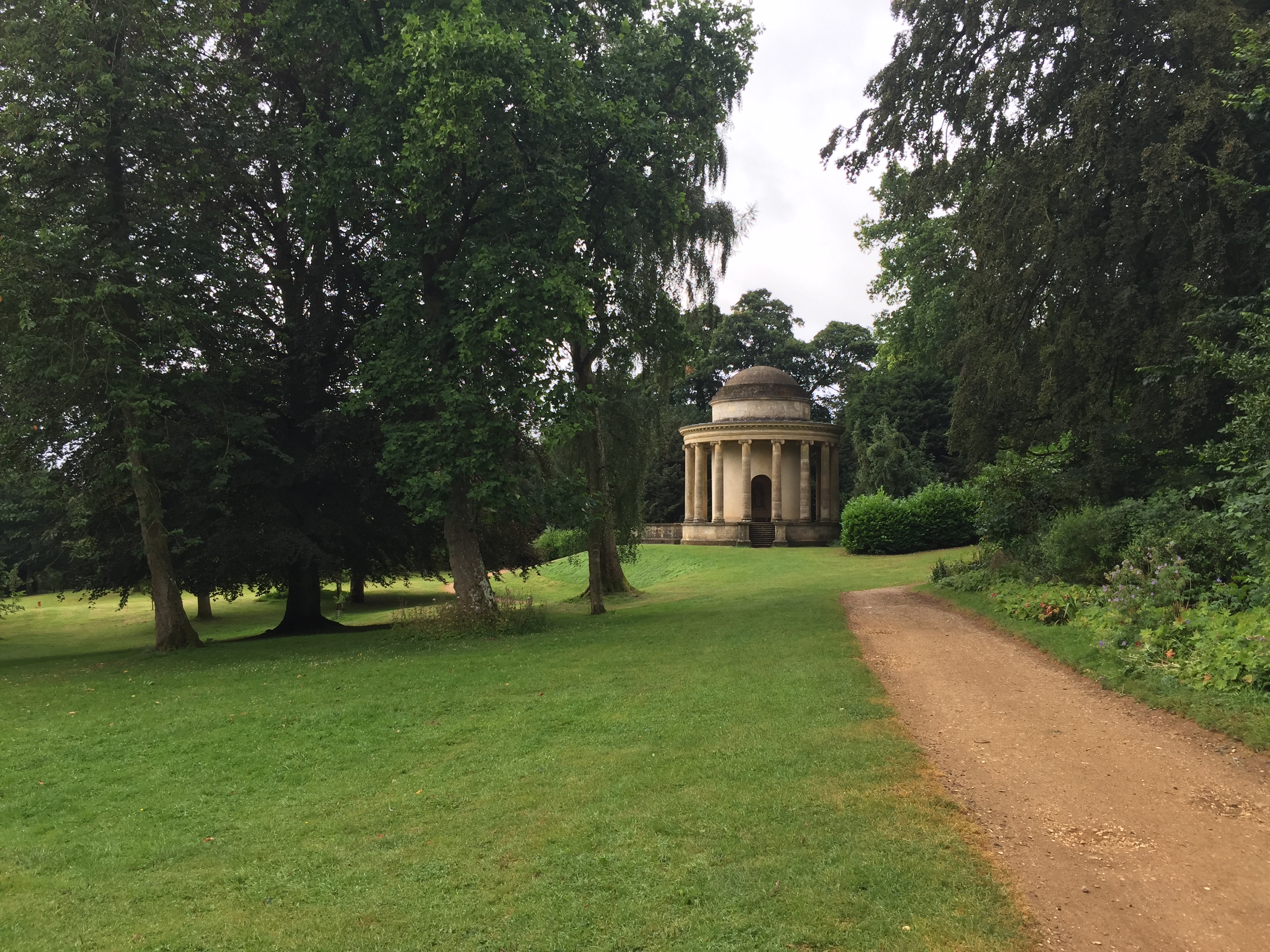
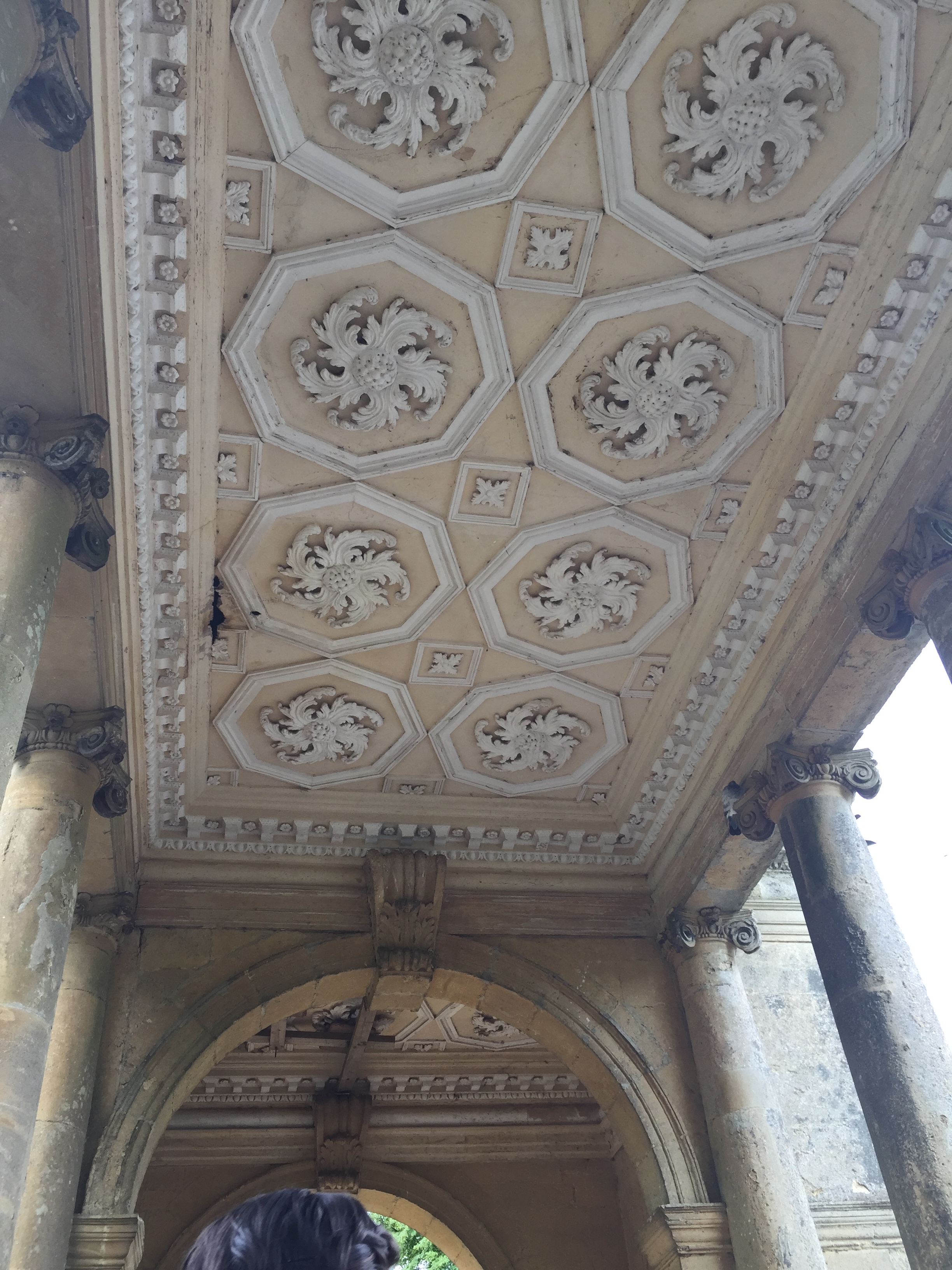
    The Queens Temple is similarly in a state of disrepair. Unlike the Menagerie, the Temple is in an isolated location – something we had to take into account in our activity. The Temple was completed in the 1740s and was later named Queens Temple in honour of Queen Charlotte, wife of King George III. The interior was restored in the 1930s, however, immediate work needs to be completed. Tiles are falling off the ceiling and the structural foundations of the building require some work.

    IMG_8344
    Stowe House

    Our intended purpose for the Queens Temple was as follows. We divided our project into the four seasons each allowing for a slightly different use of the building. In summer, we suggested an artist in residence stay in the Temple and paint whatever inspires them. We were hoping, for example, this could be the landscape or the gardens. It would be nice to have an an alumni from the school as the first artist. This is because it would strengthen ties with the school. In the middle/towards the end of summer, the artist would hopefully create enough works to then have a small temporary exhibition. In autumn, the temporary exhibition could continue. The rooms on the bottom level of the Temple would function as Vocational Education and Training Rooms including, for example, a dark room for teaching photography. In winter, we suggested a small Christmas market be established outside the Temple with guests allowed to enter the Temple as they wish. Finally, in spring, the space could be used as a mini temporary exhibition space of the students’ artistic works or as a rehearsal space for the choir/band.

    IMG_8345
    Back of Queens Temple – lower floor rooms
    IMG_8342
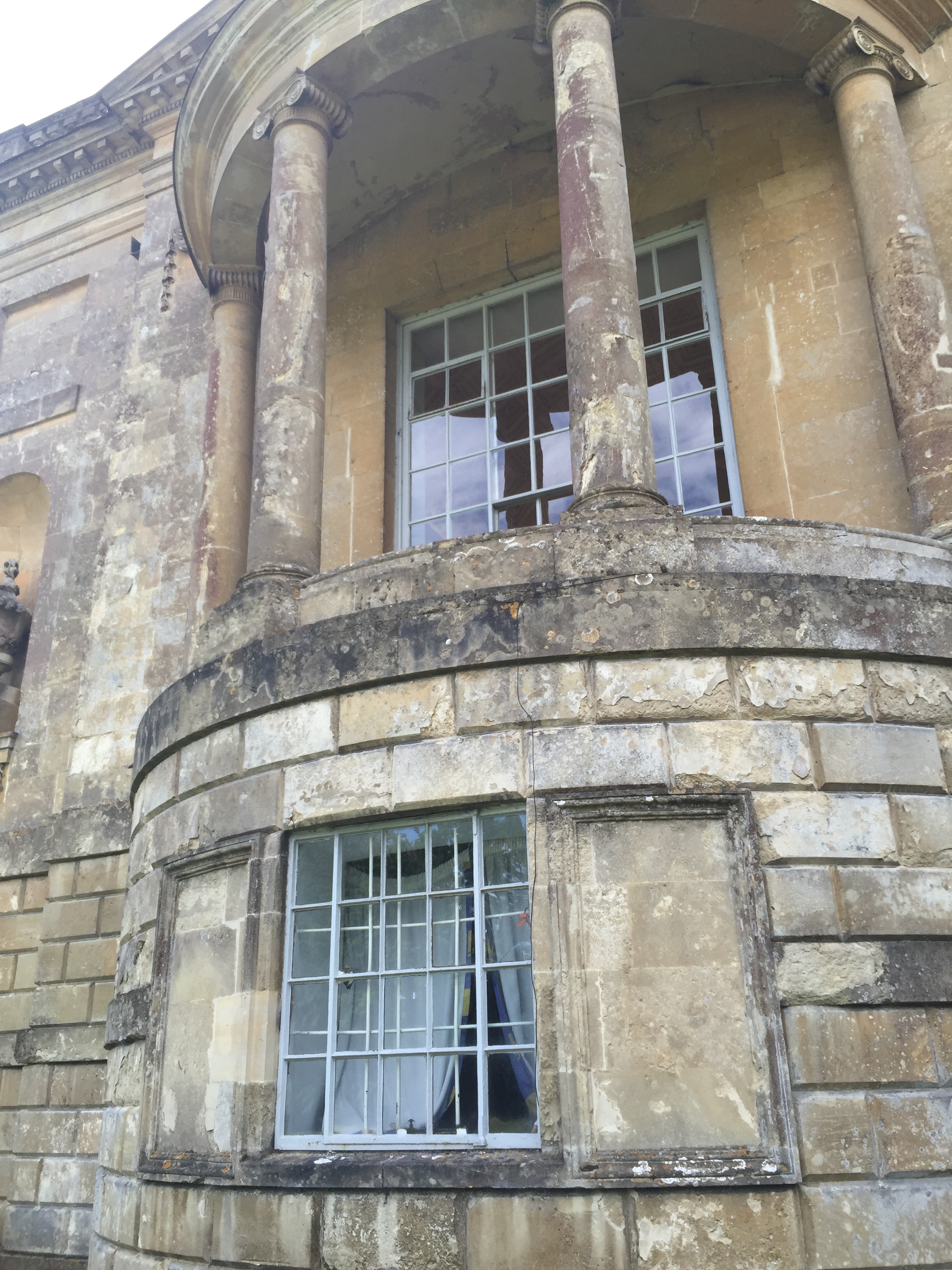
    Front of Queens Temple – upper floor

    After finalizing our project we had to go through the strengths, weaknesses, opportunities, and threats. An obvious strength of our intended purpose is that the activities we suggest link back to the original use of the house. Ladies of the Temple-Grenville family would use the Temple for arts and crafts. Our project also means the building could have a dual use being for both the school and the community. Weaknesses included a lack of profit made by the activities and the possibility that initial marketing would be difficult.

    Opportunities for the project included the fact that the Queens Temple would be used all year round. It could also engage students and support the school curricula. We weren’t quite sure how to answer the threats section. We thought it could be an issue if too many visitors wished to visit. There is also the threat of damage from bumping in and out exhibitions.

    We received good feedback on our presentation! It was quite an interesting activity as we have yet to really think about re-purposing heritage places. Maintaining that historical connection is incredibly important and something that should always be a priority. Otherwise, the intangible stories may be lost.

    IMG_8349
    Stowe House
  • OPP Day 10.2 – Oxford

    This afternoon we had four hours to explore the amazing city of Oxford. I am very lucky to have visited Oxford some years ago. This time I was desperate to visit the Ashmolean and Pitt Rivers Museum. This is mostly because I have learnt so much about both museums in my master’s course. I was not quite prepared for the Pitt Rivers to say the least but more on that later.

    The Ashmolean is the worlds first public museum so I felt as though not going would have been a huge mistake. We spent some time in the permanent galleries and in the temporary exhibition space. I also managed to complete a kids trail in the Egyptian rooms which was a lot of fun.

    I really enjoyed the temporary exhibition Storms, War and Shipwrecks. It was an almost full sensory experience. I think the only sense it didn’t engage was taste which would have been very strange to have in an exhibition anyway. The exhibition displays objects from discovered shipwrecks off the coast of Sicily. This allowed for quite an eclectic mix ranging from pots to mirrors and even helmets. Each display case showcased objects from one particular shipwreck site. I loved the quick fact labels which provided an overview of the shipwreck name, location, and reason for sinking. If you wanted to find out more information you could, but, I was happy to just see the snapshot.

    In total the exhibition had three thematic spaces that were divided by wall colour and even sound. The first rooms served as an introduction explaining water archaeology amongst other topics. The second room was more on the objects discovered. There was a beautiful central feature of objects arranged in the shape of a boat with cardboard pieces to replicate the skeleton of the hull. The activities for children were well integrated into the space. My favourite was a smell and guess game. As the Ancient Sicilians were traders, the game taught adults and kids what the contents of the ship may have smelt like. There was wine, fish, and oil. The middle was most unpleasant.

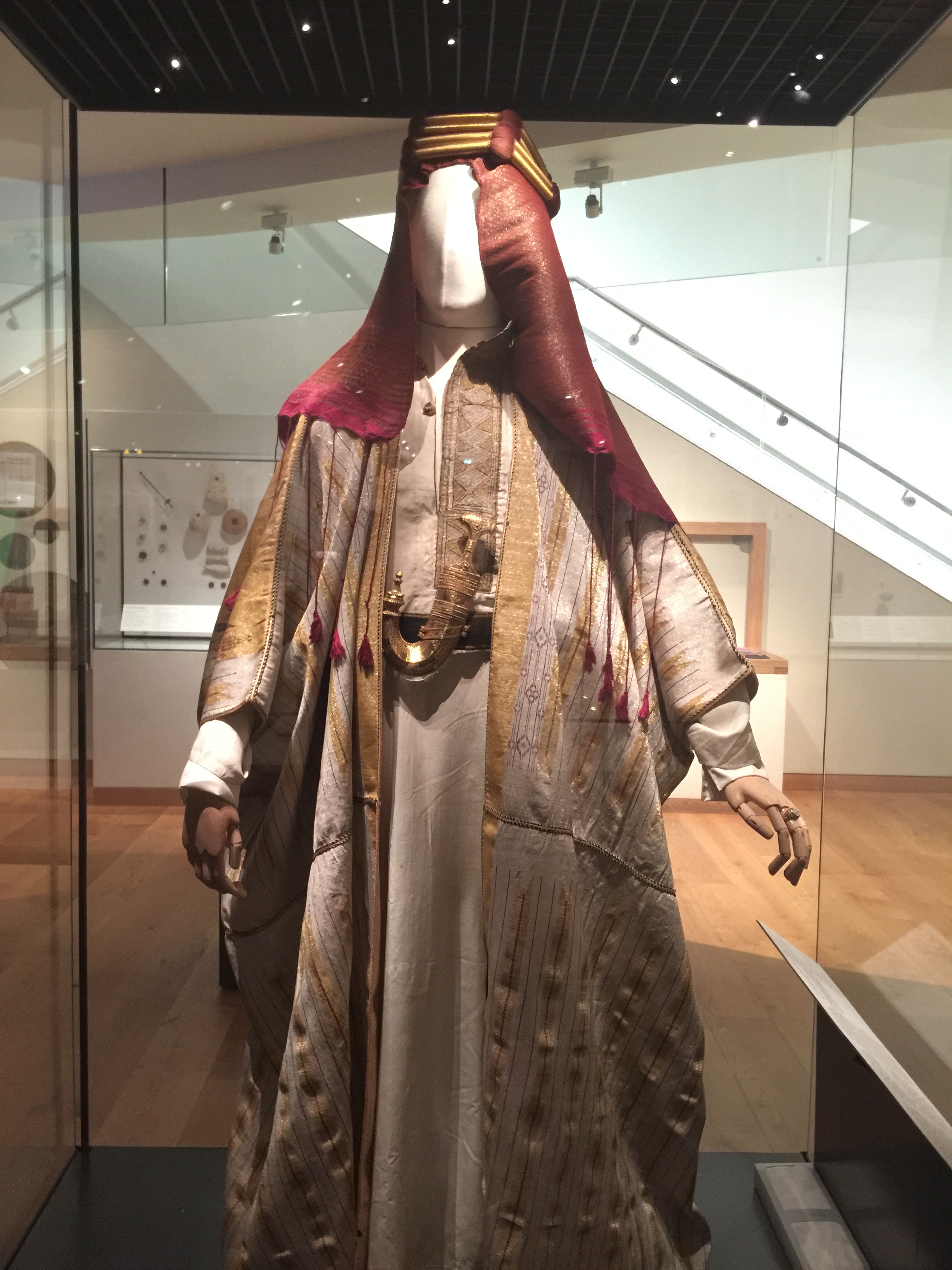
    On exiting the exhibition we had a brief look around the other floors. I enjoyed seeing the clothing of Lawrence of Arabia and the textiles hall. The rest of the museum was quite overwhelming and I would definitely need to return if I felt there was more to see.

    IMG_8189
    Lawrence of Arabia

    A hop, skip, and a jump away was the Pitt Rivers Museum. To get to this space you must walk through the Natural History Museum. Unfortunately we had to communicate with a very rude member of staff in the Natural History Museum so we did not wish to stay too long in this space. We are still a little confused as to why a non-formal small group of friends would be told that they had to book in advance. Anyway, we walked straight through to the Pitt Rivers and it was just wow.

    IMG_8196
    Pitt Rivers Museum
    IMG_8239
    Inside the Natural History Museum

    Think of hundreds of display cases filled to the brim with objects with little interpretation. There were some object labels, but, I just couldn’t see myself reading them all. It was just an overwhelming mix of pretty much everything. It was definitely an experience to see and I am so glad to have visited. I will now understand why it is used constantly as an example when talking about private collections and how they are displayed today. It was intense – really really intense. I left a little disorientated and not wanting to read another object label for a while.

    IMG_8291
    Pitt Rivers Museum

    We spent the rest of the day walking around the university and eating at the Eagle and Child where Tolkien and C S Lewis once had their Inklings meetings. It was a lovely afternoon and now back to our country estate.

  • OPP Day 10 – Gardens of Stowe

    Our group is currently en route to Oxford for an afternoon of exploring the city. I am taking this opportunity to write a quick post on our tour around the Stowe House gardens. They are owned and operated by the National Trust. The house, however, is managed and owned by the Stowe Preservation Trust and Stowe School. Our guide was Philip Clarke who accompanied us on a morning stroll through most of the gardens. We stopped at around six temples and heard a little about their significance and place in the landscape.

    The first temple, the Corinthian archway, is clearly visible from the south side staircase of the house. Even though it was lightly drizzling and quite misty, you could still see the archway dominating the landscape. The purpose of the arch is to serve as a political statement having been built to commemorate the Seven Years War. It was commissioned by William Pitt the Elder in 1765. The arch is in direct line with the Roman General in the Marble Room fresco (representing Cobham) and the statue of King George I.

    After walking for a few minutes we came across the old parish church from the original village of Stowe. It is still in use today and I would imagine it is a popular place to get married. It is also significant as the Temple family are buried within its grounds including Viscount Cobham. It is truly an amazing and beautiful garden to walk through. Around each corner is a temple that contributes to the overall theme of liberty.

    If you follow the path from the parish church you will stumble across the Temple of Ancient Virtue. Inside are four Greek heroes: Homer, Socrates, Lycurgus and Pelopidas. To Cobham, these would have been the best of the best from the ancient world. A visitor in the 18th or 19th century would have understood their significance and purpose in the space. Clarke did a great job explaining this kind of detail to us. 

    IMG_8136
    Stowe House Garden

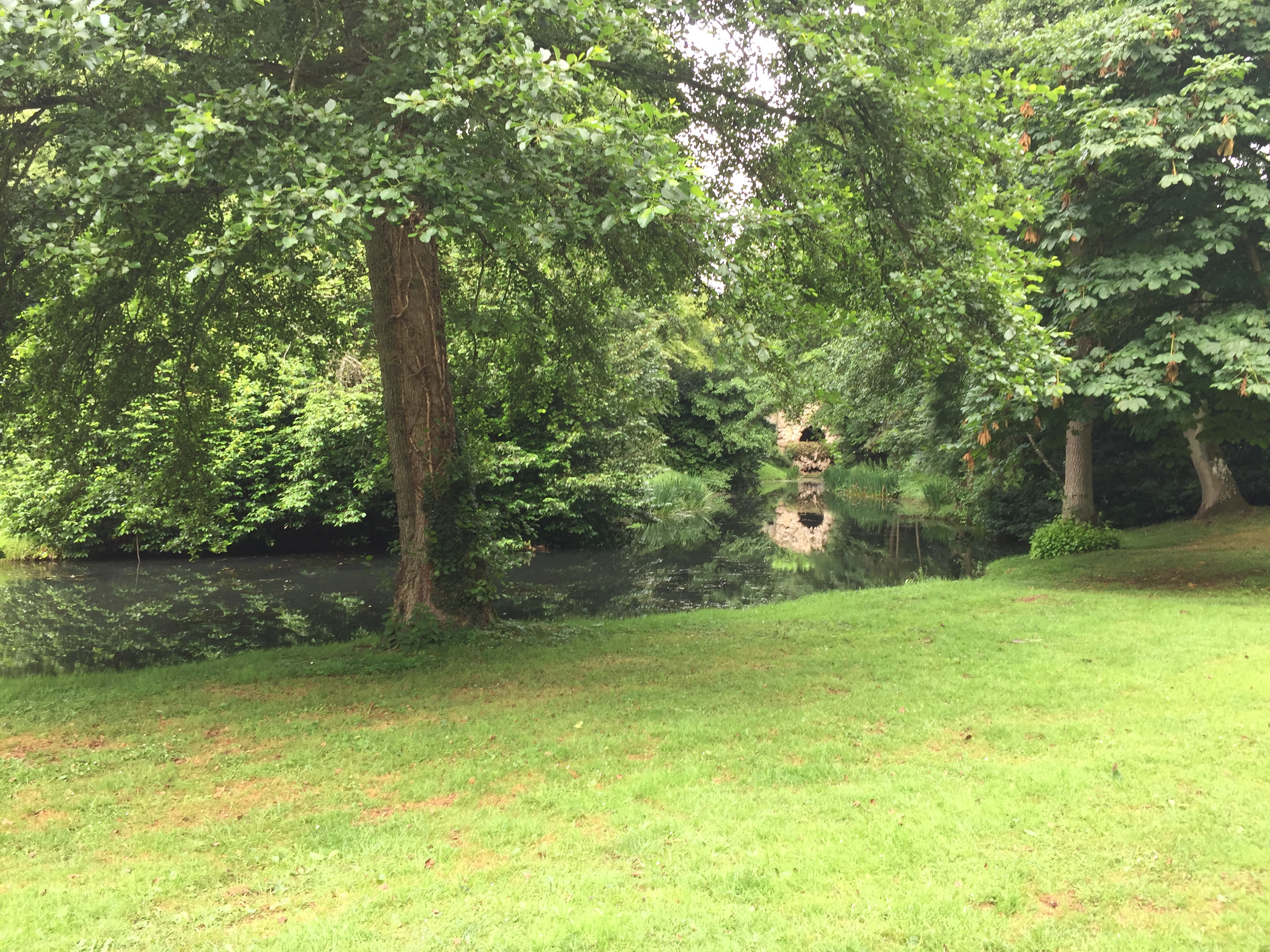
    We then saw the garden’s grotto and the mouth of the underworld. Created by using stone from Vesuvius, at one end of the grotto is the structure leading to the underworld. From it emerges a river that is meant to represent the River Stix. Although created by William Kent, this part of the garden would later inspire Capability Brown. Brown of course being the father of the English Garden style.

    IMG_8137
    Stowe House Garden

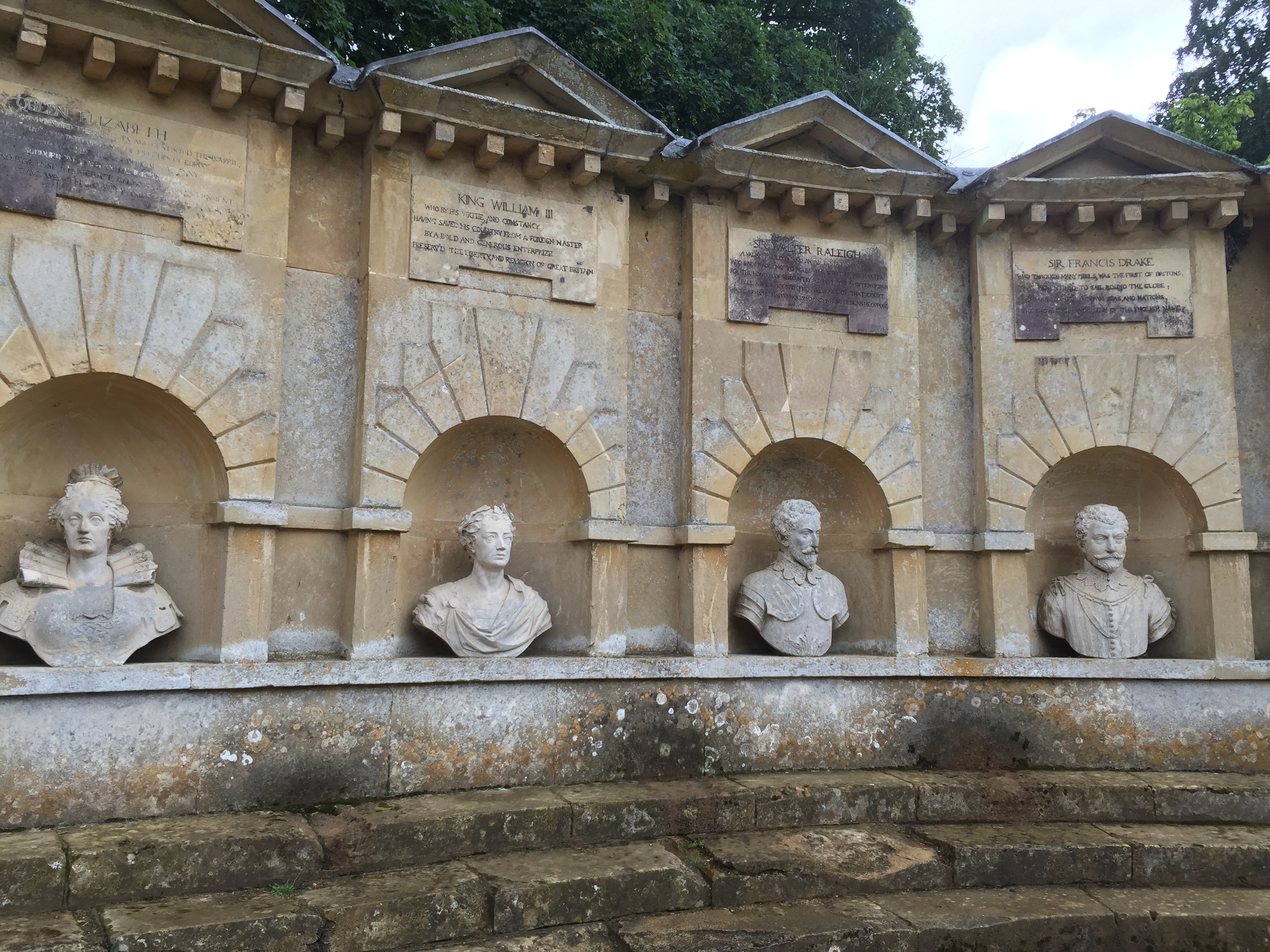
    My favourite monument/temple came next on the tour: the Temple of British Worthies. It was essentially a row of stone busts portraying a range of famous personalities. Included were Alfred the Great, Sir Isaac Newtown, and Elizabeth the First. As Clarke mentioned, the heroes on the temple our positioned at our level meaning we can aspire to reach their level. Situated above the busts was Mercury who was responsible for transporting these individuals to the afterlife.

    IMG_8147
    Stowe House Garden

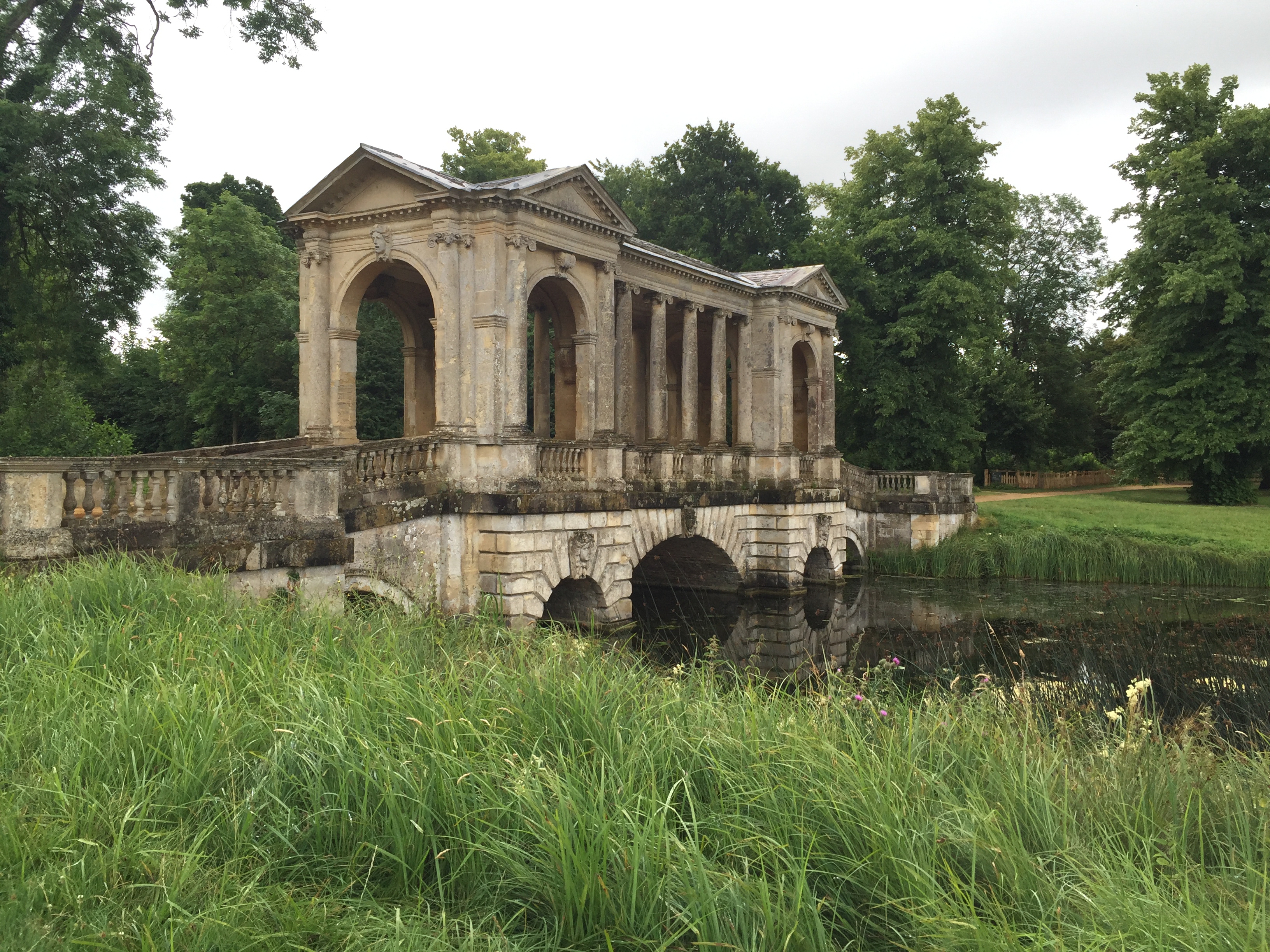
    Out of all the temples built there is one exception to the Neo-Classical style, the Gothic Temple. It is a very foreboding building positioned on a natural hill. The purpose of the temple is to be a Saxon fantasy church that stands out as a Saxon symbol of liberty. After crossing the Palladian bridge we reached our final stop – the Temple of Friendship. Literally a place where the men of the Stowe House could meet and conspire against the government. Famous faces that frequented the temple includes our good old friend William Pitt the Elder.

    IMG_8161
    Stowe House Garden
    IMG_8158
    Stowe House Garden

    The tour finished with a quick summary of tourism in the gardens. It was a lovely experience hearing the history and symbolism of the garden whilst walking throughout. I highly recommend delving deeper into the meaning of the garden if you visit because there are some wonderful stories to be uncovered.

  • OPP Day 9 -Stowe House

    We had a very jam-packed day at Stowe. In total we listened to four lectures and had a very comprehensive tour of the entire house. Whilst I would love to write a little something on each of the talks and on the tour, I feel as though that would be an incredibly long post. Instead, I am only going to write on the tour of the house we had with Susan, a wonderful volunteer. Rather than dates and events, the tour focused on the stories of the house and those that lived within. The house was originally owned by the Temples-Grenville family and was built in the late 17th century and completely rebuilt in the 18th century. Arriving in England as sheep farmers, the family eventually worked their way up the social ladder to become Dukes and Duchesses.

    IMG_8044
    Stowe House

    The tour began in the North Annex of the house where we heard a little bit more about the family and the first owner of the house, Viscount Cobham or Richard Temple. Cobham fought in the War of Spanish Succession alongside the 1st Duke of Marlborough. On return to England, Cobham offended the Prime Minister at the time, Walpole, who stripped him of his military titles. Forced into an early retirement, Cobham turned his attention to completing Stowe House. Elements of his attitude towards Walpole can be seen throughout the house and in the garden. For example, Cobham painted himself into the ceiling of the North Annex receiving the sword of Mars – a sign of military strength. He is also surrounded by images of Roman mythology adding to the allure of power.

    We left the Temple family for a quick visit to the ante-library to talk about the development of Stowe School. Opening in 1923, the school quite literally prevented the demolition of the building. The first headmaster, J. F. Roxburgh, had a ‘modern’ attitude towards his students. He believed in valuing each individual stating they should be acceptable at a dance, but, invaluable at a shipwreck. Although initially a school just for boys, in 2003 it became co-ed. We are currently staying in one of the school dorms!

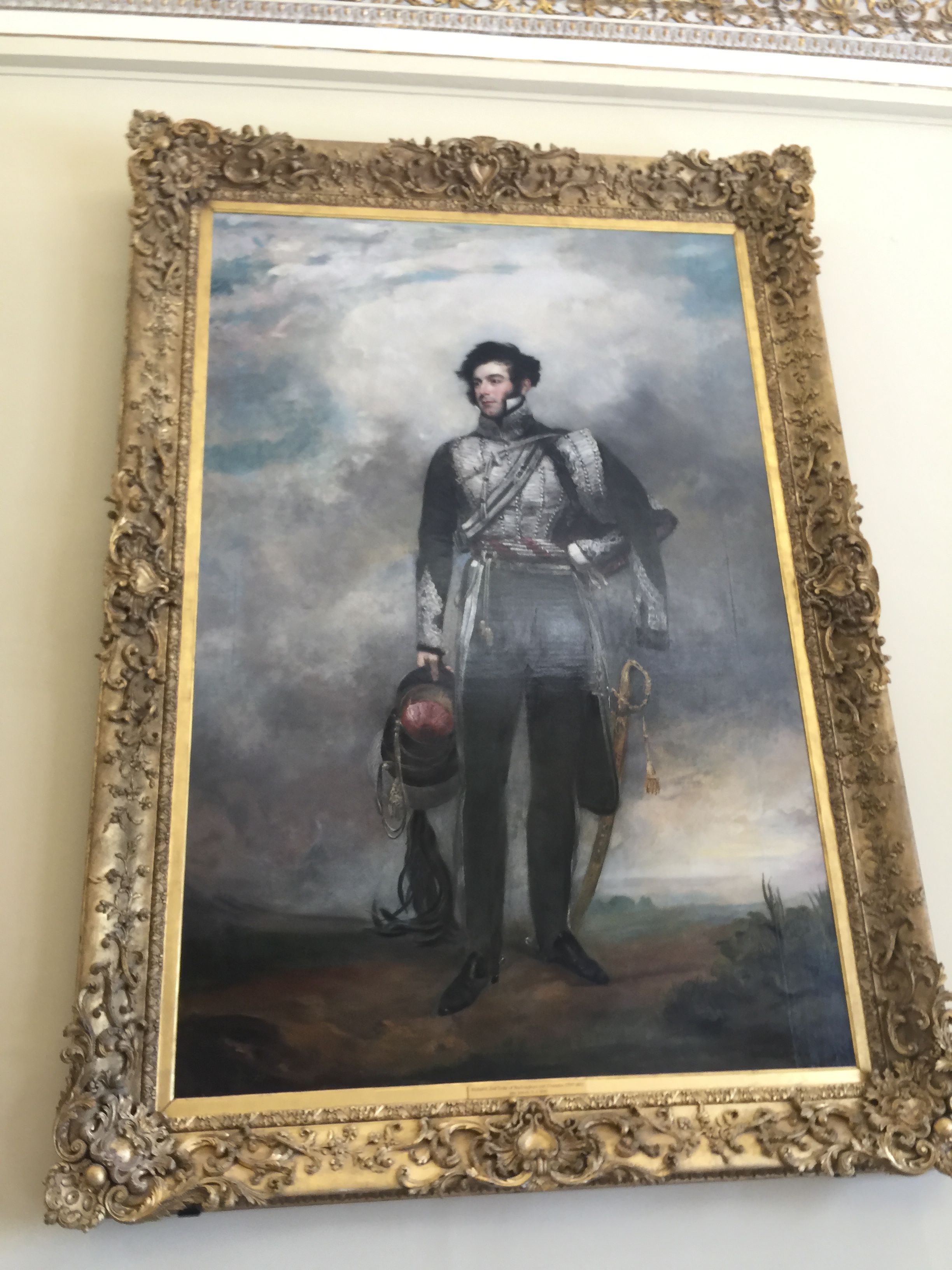
    After the library we rejoined the story of the Temple-Grenville family in the blue drawing room. You could trace the family history from the portraits in the room. After Cobham’s death in 1749, no legal heir meant the estate was passed to his sister, Hester, who had married into the Grenville family. Hester had five sons and one daughter, also named Hester. The daughter would eventually marry William Pitt the Elder. Three of the sons became Prime Ministers of England. As you can see, the family became quite influential.

    IMG_8069
    Stowe House

    During this time period, the 18th century, the world famous gardens of Stowe were completed by Capability Brown. Brown was a protagonist of the English Garden movement. Unlike the gardens in France that were so structured, English Gardens naturalized the landscape making it appear as though it was entirely natural. We are going to walk through the gardens tomorrow and admire the many temples.

    We then moved into the library and admired the 23 carat gold leaf ceiling decal. It is amazing to think it is now used by students! Our tour finished with a discussion on the downfall of the Temple-Grenville family. Eventually the family achieved the title of Duke and Duchess. They only momentarily enjoyed reaching this social status. The second Duke of Buckingham owned the estate in 1832. Unfortunately he was a womanizer, gambler and horrifically in debt. In one day, he spent between 20 to 30 million pounds (today’s equivalent) to prepare Stowe House for the visit of Queen Victoria. After this visit, the family went bankrupt. In 1848 there was a huge sale of the interiors of the estate with Christie’s holding a forty day sale.

    IMG_8093
    2nd Duke of Buckingham
    IMG_8071
    Stowe House

    This is why the house is not adorned with furniture or trinkets. The Stowe Preservation Trust, however, has been able to salvage some objects. They are currently on display in the Discovery Centre and the house itself. It was an excellent tour of the house and provided such a great introduction to the Temple-Grenville family. If you’re wondering why it is called Stowe House, Stowe means a religious place in early Anglo-Saxon.

    Besides from the tour we had a talk on how the site is managed, how the house is interpreted, and the community and school programs on offer. We had one activity to complete – create a thematic trail around the house. I created a fashion trail utilizing the paintings on display. Considering we had 10 minutes to complete the activity I was quite happy with the end result!

    It was such a great day filled to the brim with information. I cannot wait to learn more about Stowe.

  • OPP Day 8 – Windsor Castle

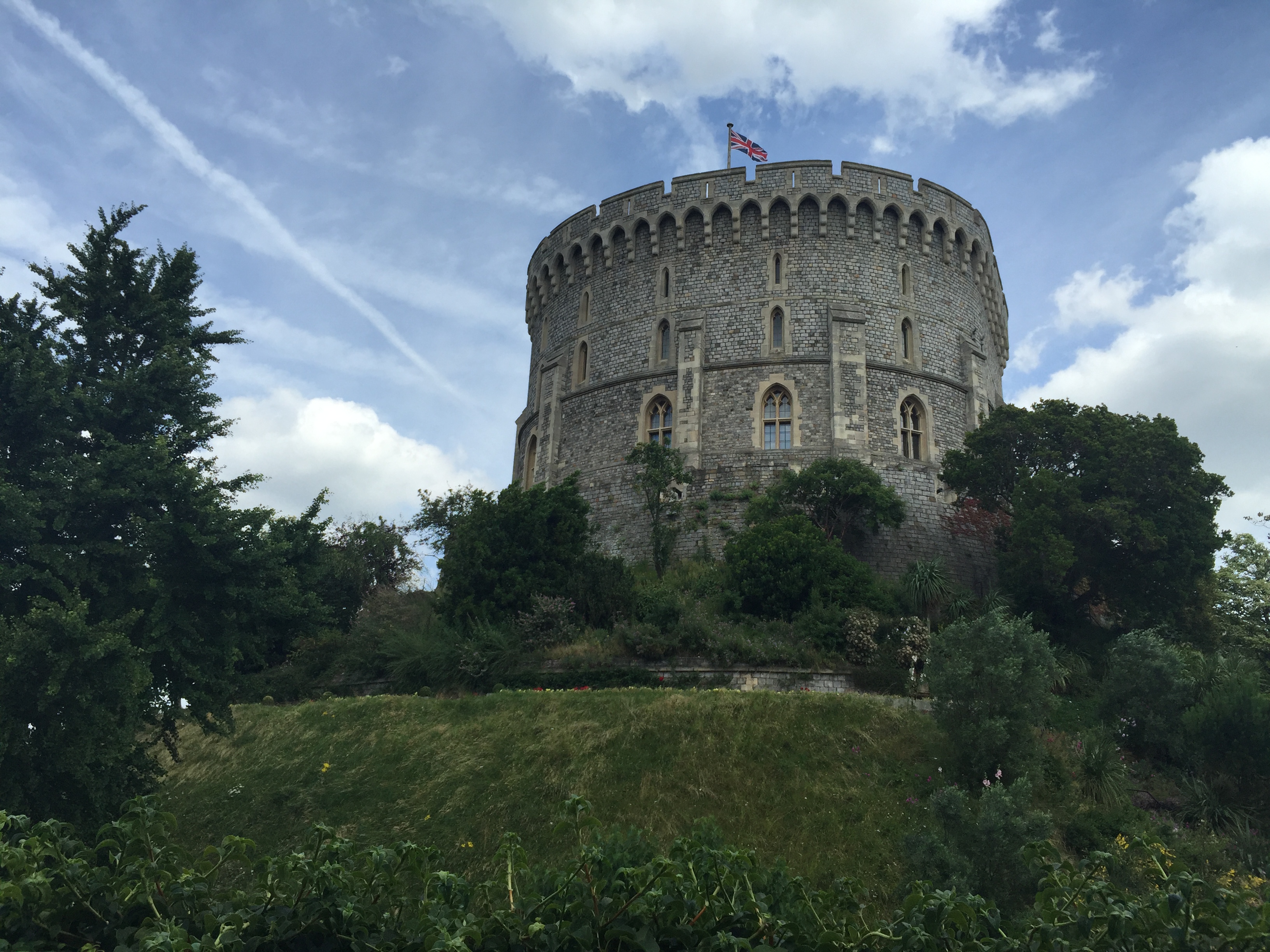
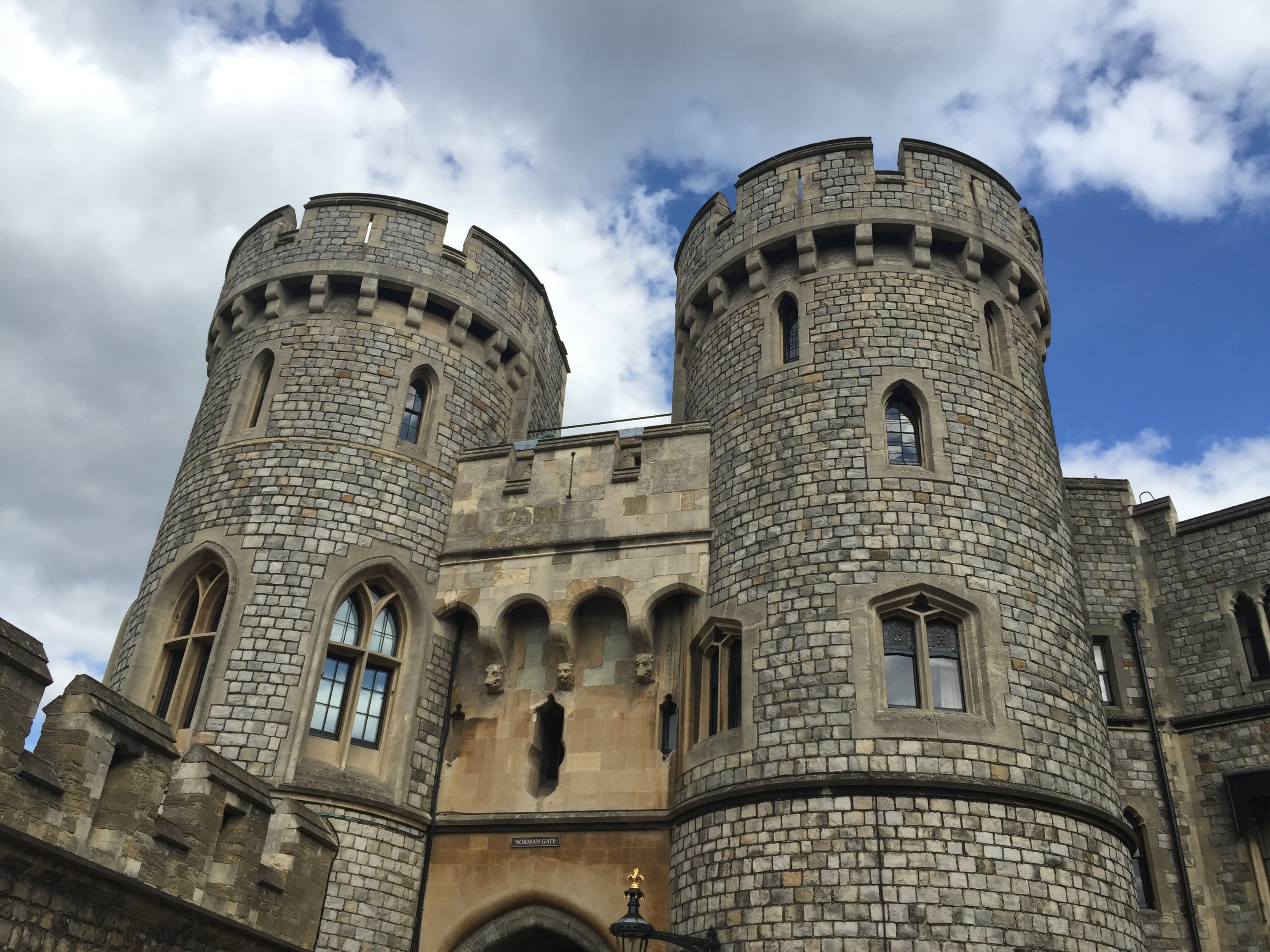
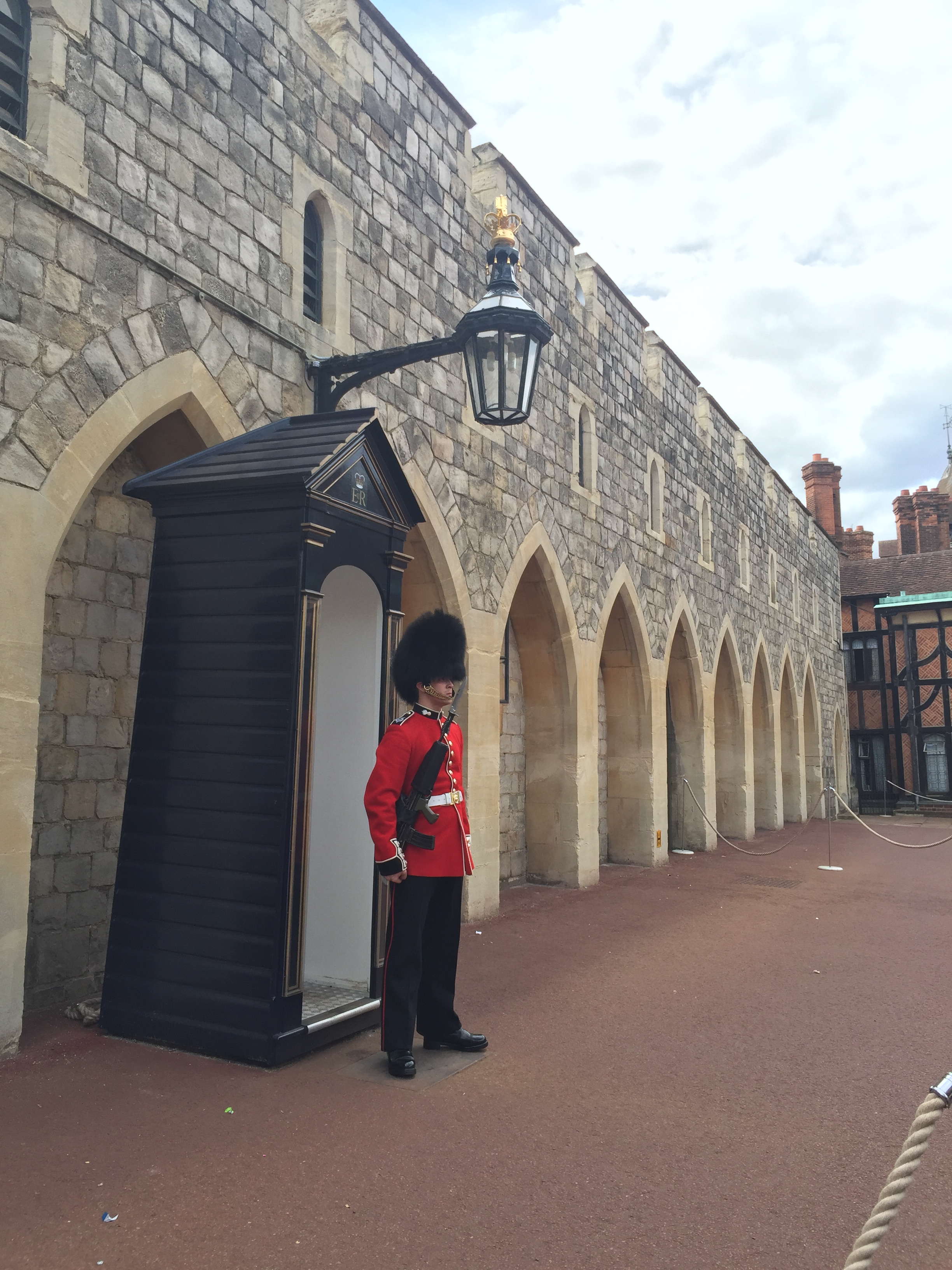
    Today was a pretty intense day. Apart from around five hours of driving around the lower part of England, we stopped at both the Jane Austen House and Windsor Castle. This post will focus solely on Windsor Castle. Here we listened to a talk by one of the Royal Library curators, Elizabeth Clark Ashby. She presented on the new exhibition titled Shakespeare in the Royal Library. It was a fantastic talk that explored so many elements of exhibition design.

    The Royal Library is part of the Royal Collection. It aims to showcase as many of its own objects as possible in temporary exhibitions. The library in Windsor holds around 45 000 out of the total 200 000 objects and consists of three rooms each built by a different monarch. The other objects have been dispersed throughout other properties. The collection began with George III and has approximately 800 acquisitions each year allowing for a diversity of topics to be represented.

    IMG_7980
    Windsor Castle

    The Shakespeare exhibition opened in February this year to commemorate 400 years since his death in 1616. Ashby gave a fantastic overview of the entire exhibition in her talk covering the three themes of Shakespeare’s influences, links to Windsor, and links to Royal family. Her commentary additionally included how objects were selected and for what purpose. This was the real highlight of the talk. It was great to hear some of the thought processes behind the displaying of objects.

    The exhibition begins with a small section on Shakespeare himself. Next to his infamous picture (see Copper engraving of Shakespeare by Martin Droeshout) is one print of Queen Elizabeth I and one of King James I. We were told this layout reinforces how Shakespeare’s writing altered to reflect the different courts. Ashby even went into the nitty gritty details of why the particular prints were selected. For example, the one of James I has the Globe Theatre in the background so seemed very relevant.

    The exhibition then leads into a section on the world when Shakespeare was writing. Maps and atlases display the exploration of the new world happening during this time period. It was great to hear about why the main atlas was turned to a particular page and how other maps were still able to be incorporated. They were either included on the object label or as a wall decal behind the case.

    After establishing this context, the exhibition continues by focusing on Shakespeare’s play The Merry Wives of Windsor. The best part of this section was its design. As the library holds a rare quarto playbook, meaning one play contained within, it made sense to place it on display. It is, however, a little boring to look at and without an audio guide you could easily miss it. To compensate, a large, colourful copy of the play in a folio has been placed next to the quarto to draw people in.

    Following this is a display on treasures in the library relating to Shakespeare. The first folio collected edition is one of the most important books on Shakespeare in existence. Without it, almost half of his plays would have never been uncovered. Displayed alongside it was a second and third edition. Together they looked quite spectacular.

    At the end of her talk Ashby spoke about problems encountered during the entire exhibition process which were both refreshing and insightful to hear. How to present and navigate Shakespeare without the myths, how to control the environmental conditions of the room for the books, and how to ascertain visitor numbers were all elaborated on. The latter was especially interesting as the exhibition is included in the castle entry fee meaning Ashby and her team must rely on qualitative feedback in order to gauge its popularity. Tripadvisor and social media reviews, as well as feedback from gallery officers in this space, is valued.

    IMG_7996
    Windsor Castle
    IMG_8030
    Windsor Castle

    I have never heard such a comprehensive account of an exhibition before seeing it so that was pretty unique. It meant when we finally stepped through the doors, we could see the thought processes and we knew the background information and context. Afterwards, we ran through the state rooms before boarding our bus on to Stowe. I will be glad to settle in to Stowe tomorrow!

  • OPP Day 7 – Regency Town House

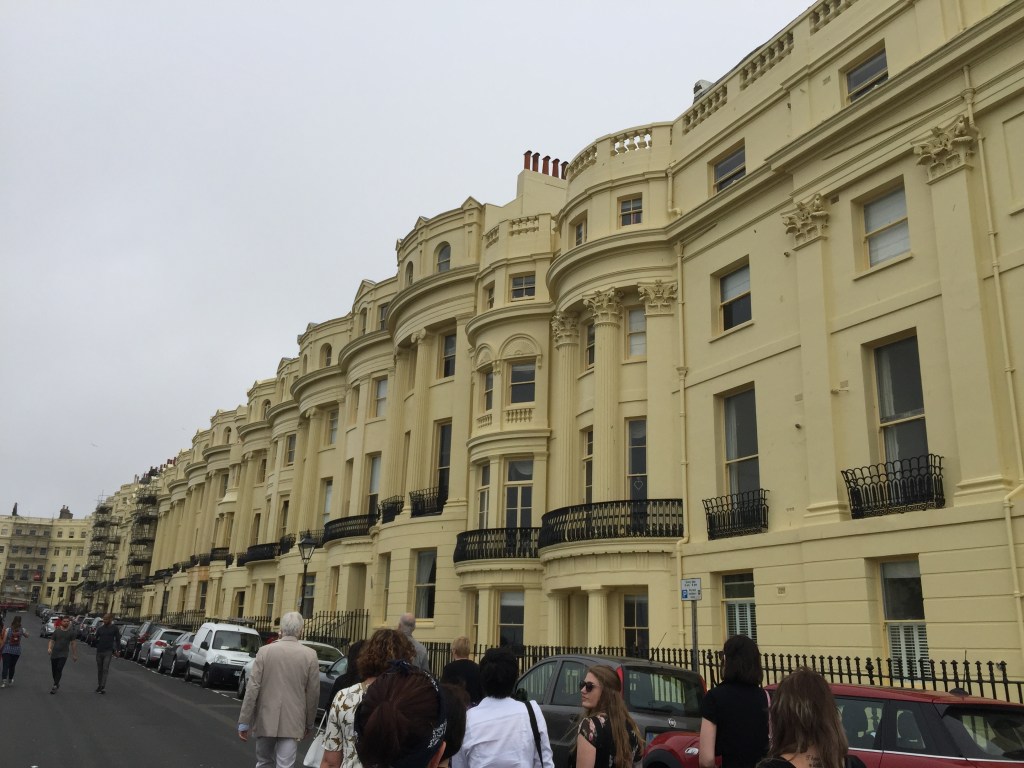
    As well as the Royal Pavilion, yesterday we visited the Regency Town House. The house is a grade I heritage listed building in the heart of Brighton. It is currently being transformed into a heritage centre and museum. The purpose of our visit was to learn not only about the architectural history of Brighton and Hove, but also, the conservation and preservation efforts. Our tour guide was curator Nick Tyson who was an incredibly passionate individual and gave us a wonderful tour of both the upstairs and the downstairs of the house.

    IMG_7784
    Regency Town House

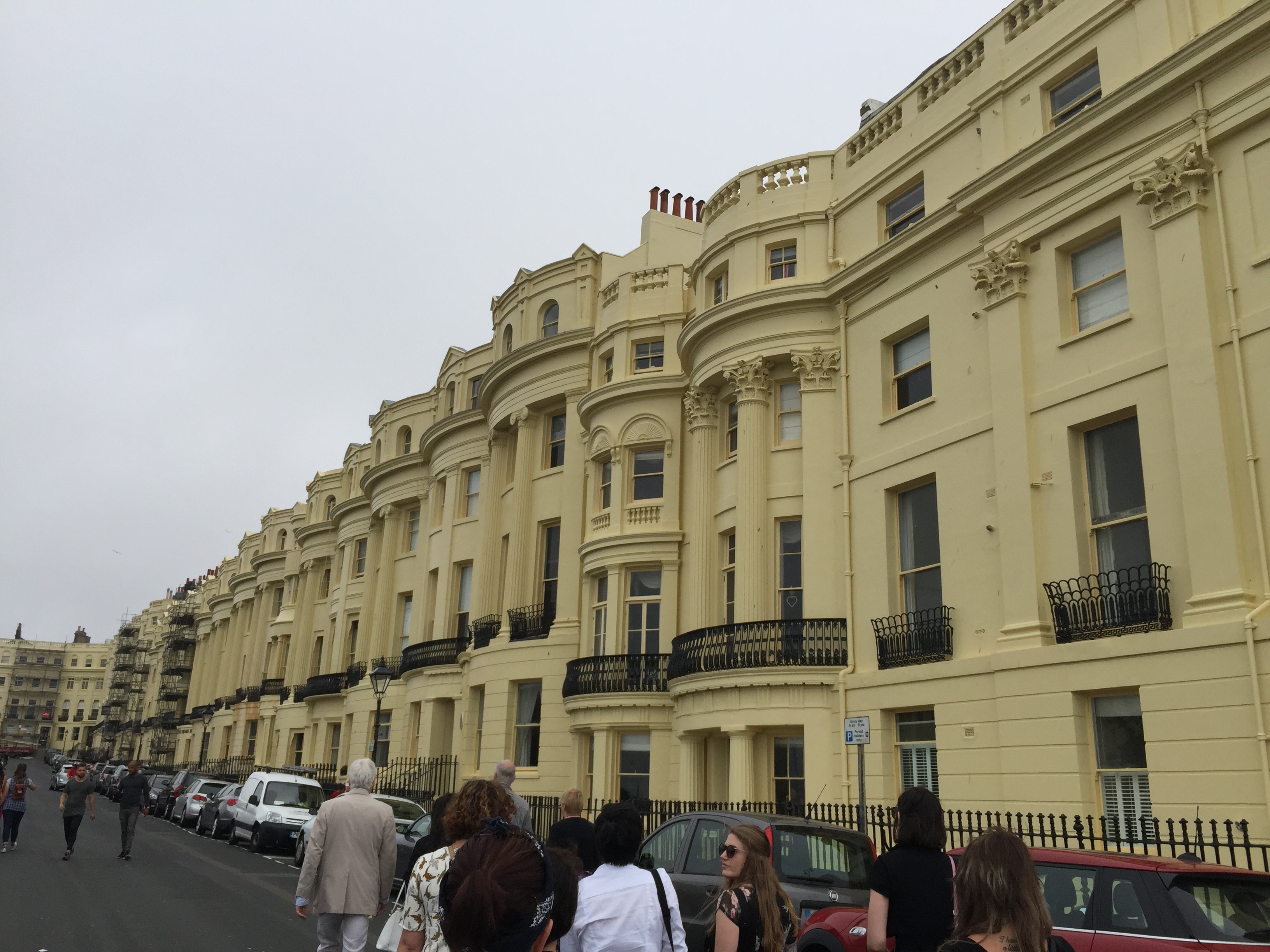
    We started with a quick introduction to the architectural and social history of Brighton with references to where we were located, Brunswick Square. I am a visual learner so it was great to hear this history accompanied by maps. They showed the development of Brighton and Hove from small towns to lavish holiday destinations. There was also some discussion on why Brighton became so popular. Reasons included the growing idea of seawater being associated with good health and better roads connecting Brighton to London. The talk then went into the work of architect Charles Busby – a largely forgotten contributor to Brighton/Hove architecture. His designs were influenced by his time in the United States. Busby gave very specific instructions on how to build the houses and the specific function of each room. After the talk, we were guided through the house to see the rooms for ourselves.

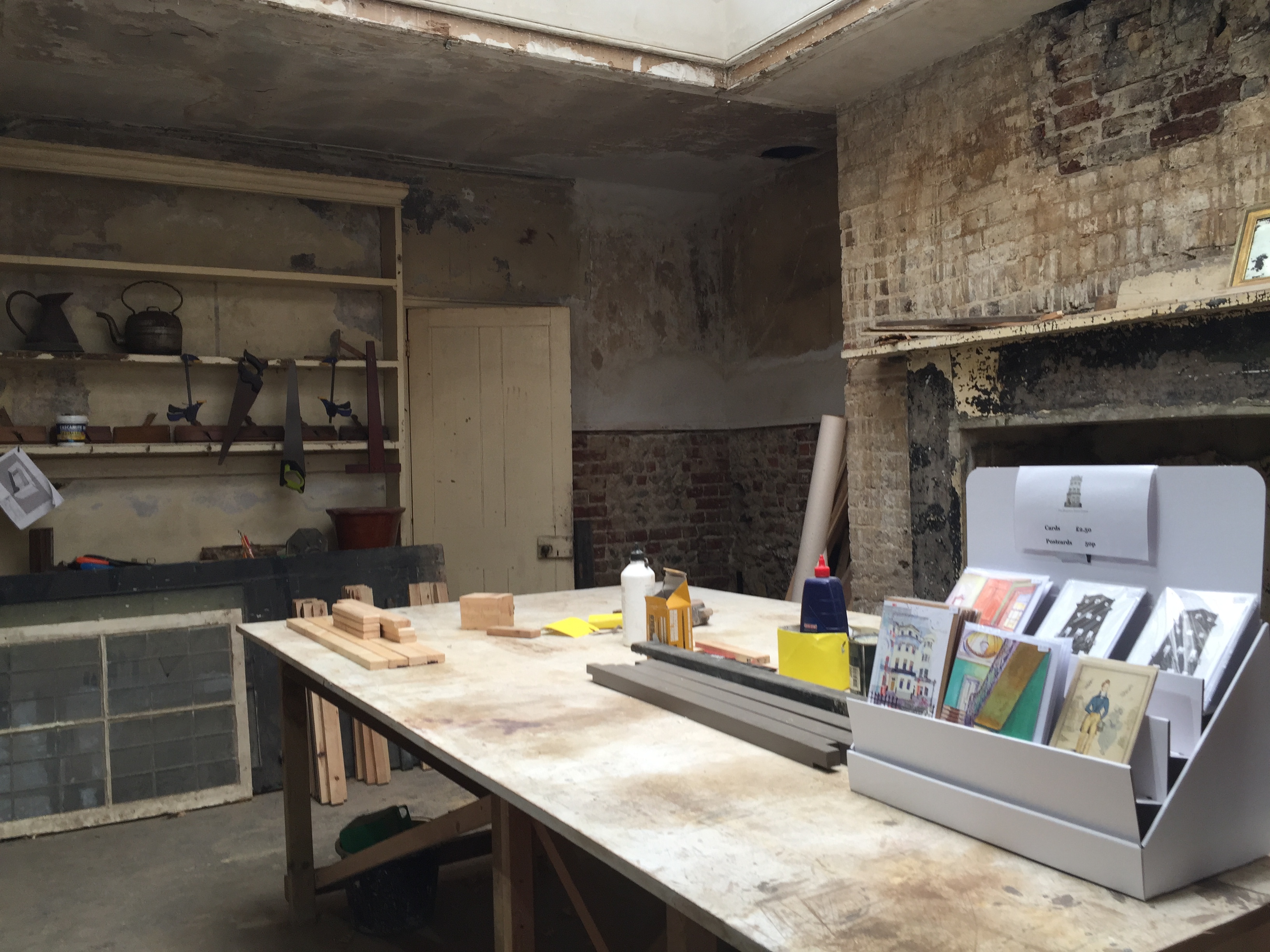
    We started by going through the servants’ quarters on the lower ground of the house. They were lived in until 1998 when the tenant was transferred to a retirement home. The first room we visited was the housekeepers room where we learnt about how the room would have looked. Features such as the use of oak would have signified status and, unfortunately, it is no longer evident today. Following the servants corridor we also stopped to see the wine cellar, servants’ room, and kitchen. The structure of the rooms has been well preserved and it will look amazing when the interiors can be restored. As we walked along, Nick was able to train our eyes to read the archaeological evidence. For example, in the servants’ room there was an indent in the wall that had timber rather than stone floors. Further research indicated that servants would have slept in this area. The timber floors would have been much more pleasant to step on first thing in the morning when compared to cold, hard stone. I really enjoyed seeing this hidden or dark history of England!

    IMG_7790
    Kitchen in the servants’ quarters
    IMG_7788
    Wallpaper in the servants’ quarters

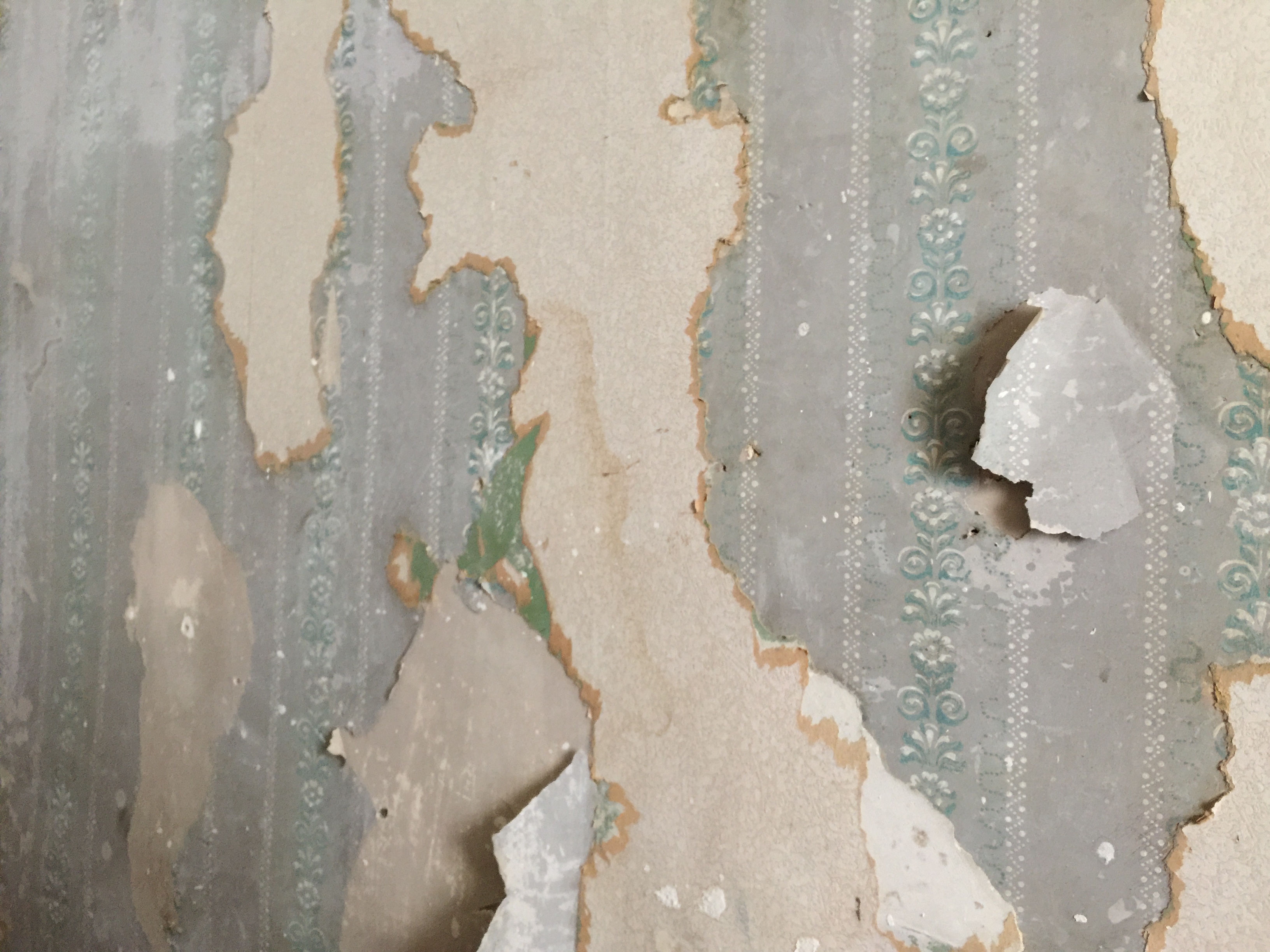
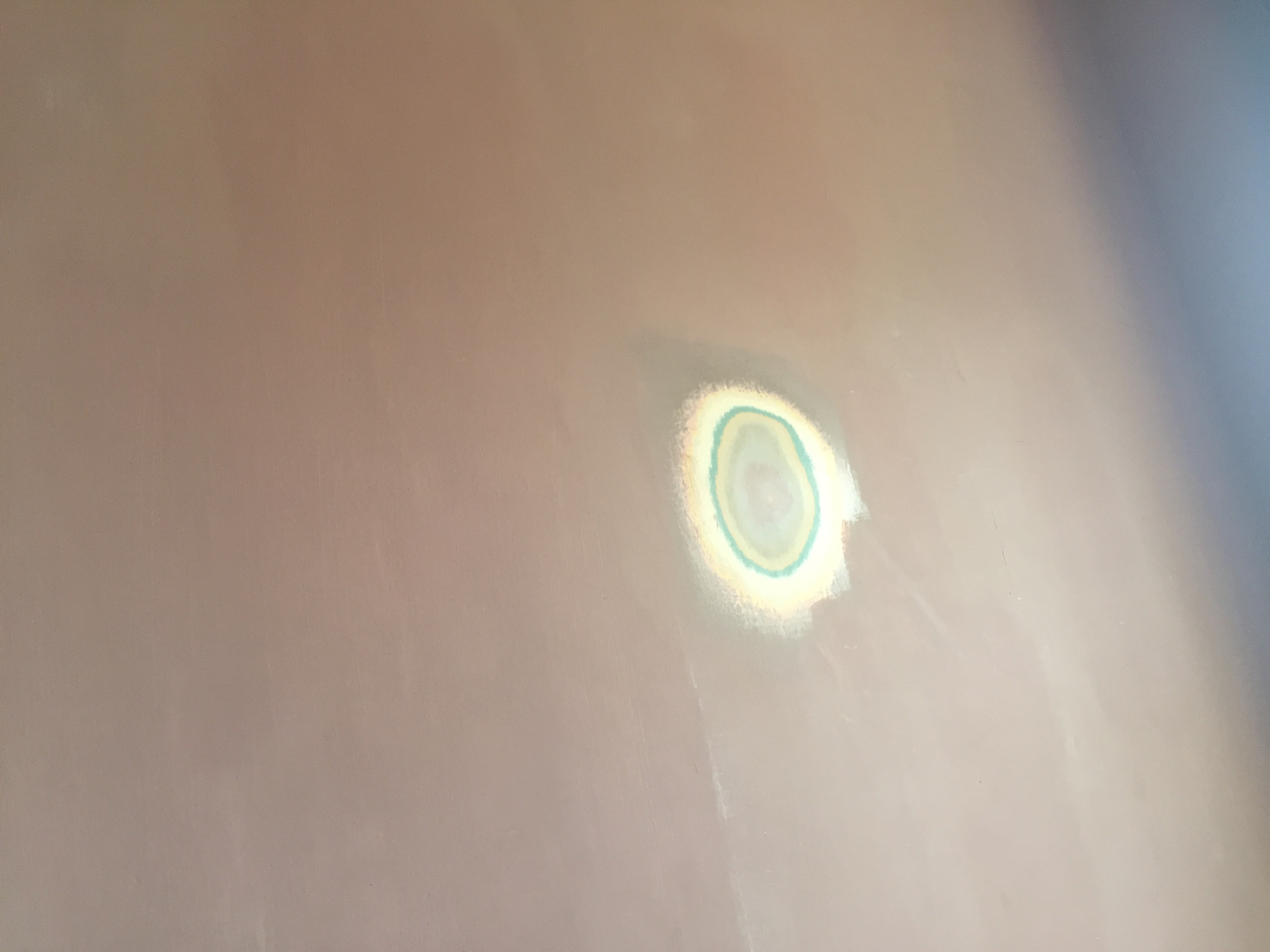
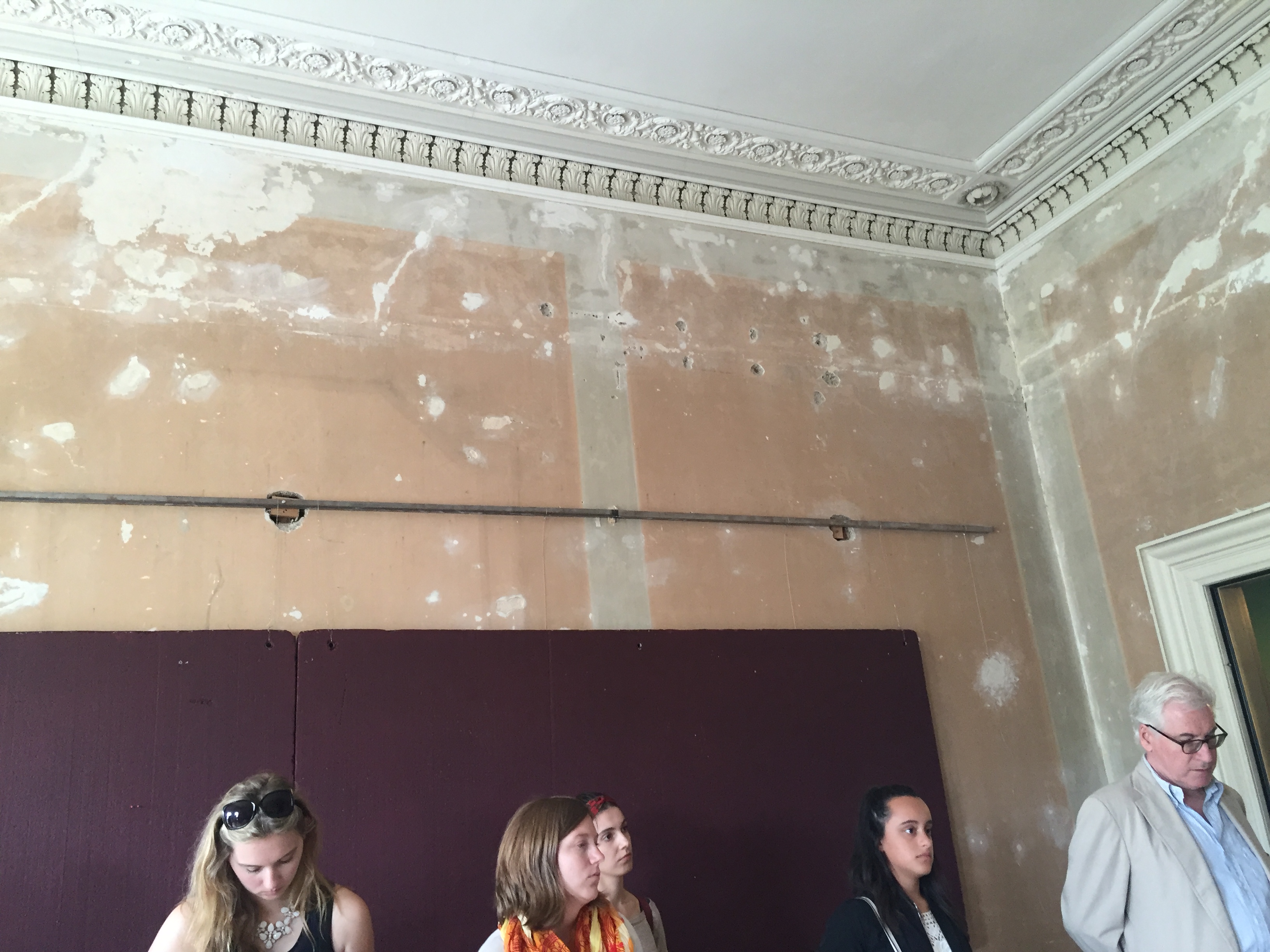
    We were then led to the upper floors of the house. My absolute favourite part of the tour was hearing about the dining hall on the first floor. The room was painted a pretty soft pink colour in line with the theory of Goethe that this particular colour aided in digestion. How the colour was discovered is the very interesting part. On a small section of the wall it looked as though the surface had been scraped away layer by layer. This had been carefully done with various grains of sandpaper to reveal the coats of paint hidden on the wall. After analysis and exposure to sunlight, the original painted colour of the walls was, therefore, restored. It was really great to see this heritage work on display for visitors as the process as well as the result could be highlighted.

    IMG_7795
    Regency Town House Wall Paint

    Walking up the staircase to the next level, we learnt the marginalized cast iron industry of Brighton and how the house materials had been locally sourced. In the front and back drawing rooms we were again put to the archaeological test determining where paintings or other wall fixtures may have been located.

    IMG_7804
    Front drawing room
    IMG_7806
    Light fixture in the front drawing room

    We finished the session with a summary of the building and its significance in Brighton’s history. The Regency/Georgian buildings were replaced with those built in a modernist style. At the end of World War II, conservation and preservation efforts began meaning buildings like those in Brunswick Square have survived. The building most certainly has fantastic stories to tell and it is fantastic to see this piece of history being restored.

    Find out more information here:

    http://www.rth.org.uk/

  • OPP Day 6 – The Brighton Pavilion

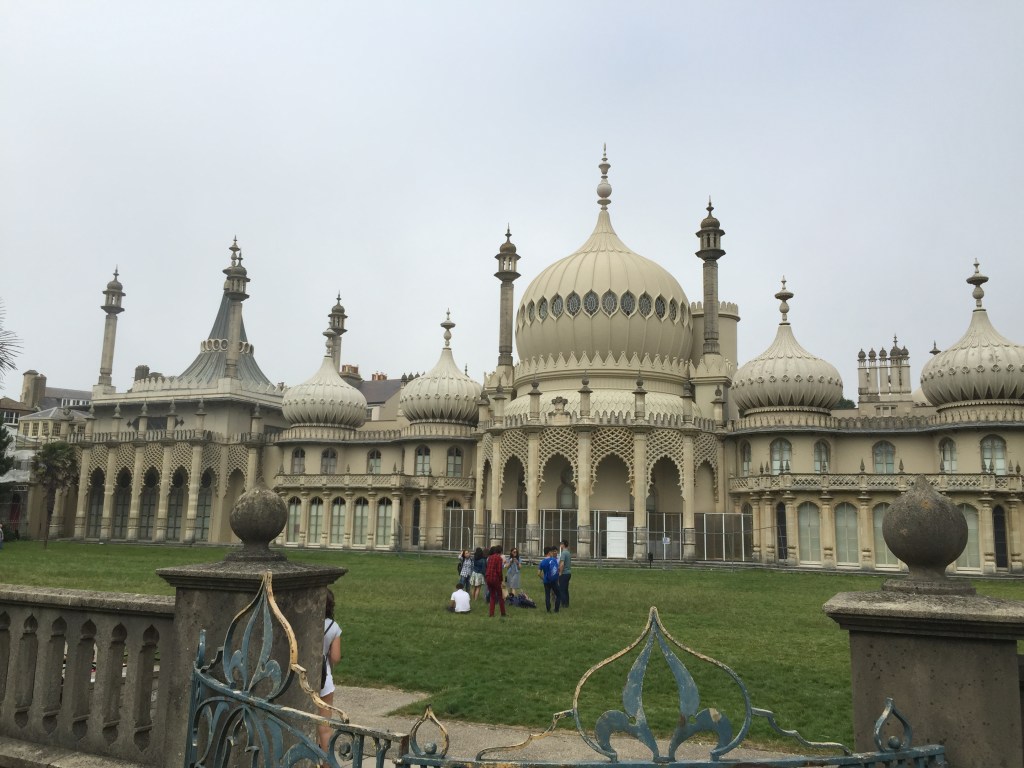
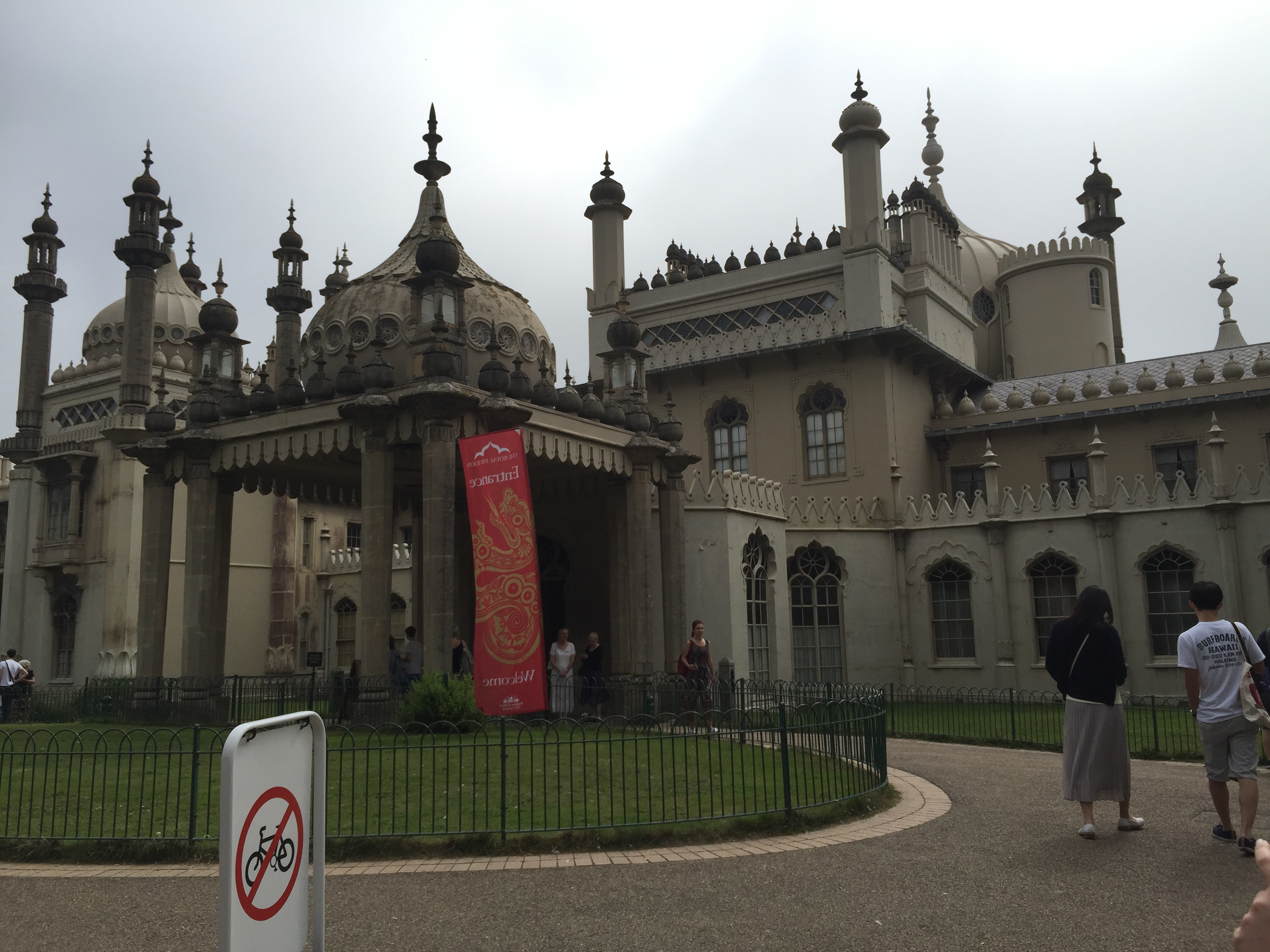
    The Brighton Pavilion was one of the brightest and most architecturally interesting buildings I have ever visited. From the outside, it looks similar to a building complex you may find in India. It is stunning juxtaposed against the other buildings in Brighton. We had two talks in the Pavilion. The first was by Deborah Lambert who works in the fundraising team. We were then guided around by Jackie Marsh-Hobbs who was so passionate and knowledgeable.

    Topics raised in the first talk on fundraising included membership, patronage, and Trusts and Foundations. It was interesting to hear that the Pavilion has around four thousand members who each pay an annual fee that varies depending on whether they are adults, students, etc. In return, they are allowed free entry into the Pavilion and associated sites and access to special events. Patrons, however, donate anything from 500 to 1000 pounds each year. As well as free entry, they are invited to more exclusive events. These were provided as examples of unrestricted income that the site can utilize for whatever they see fit. On the other hand, Trusts and Foundations are more restrictive and are usually granted for specific projects such as restoration works.

    IMG_7775
    The Brighton Pavilion

    After this quick discussion we went on a guided tour of the Pavilion with Jackie. The first thing stressed was that the interiors have been restored. Luckily, when the Pavilion was completed watercolour pictures were painted of each room. This meant the rooms could be restored to as close to the original as possible. Although predominantly Indian on the outside, the interior is decorated in what is known today as chinoiserie. This includes Chinese furniture and figurines, and even steel and wood painted to look like bamboo. The important thing to remember is the interior is decorated by individuals who had never been to China. They were depending on firsthand accounts and drawings as inspiration for their designs. It is a very recognizable style and a clear reflection of the period.

    The story of the Pavilion is fascinating. It was built by George IV and finished in 1815. According to Jackie, the building reflects the “kid in a candy store” personality of George. Everything was done to excess. Some years later, after George had passed away, Queen Victoria removed all interiors and the building was to be demolished. The town of Brighton, however, voted to keep the building and until very recent, it functioned as a civic centre stripped of its glory.
    Today, the decor of the building is a mix of original, copies of original, and miscellaneous pieces from the time period. A lot of the furniture, silverware, etc was kept by Queen Victoria and relocated, for example, to Buckingham Palace. Luckily quite a bit of the original furnishings have been returned.

    The lower floor tour included the music room, long gallery, banqueting hall, kitchen, banqueting hall gallery, and two reception rooms. In my opinion, the two most amazing rooms were the banqueting hall and music room. They were absolutely massive and filled to the brim with decorations and exquisite artworks. In the middle of the dining room was a huge chandelier designed to look as though a dragon figurine was supporting it from the ceiling. It comprised of around 15 000 pieces of glass. Another highlight object was an original wall painting that had been rescued from Buckingham Palace and now rests back in its original location.

    The music room was slightly less of a sensory overload. The most interesting stories in this room were unfortunately ones of destruction. After the restoration of the building finished, someone threw a fire bomb through the room’s window causing widespread destruction. Eleven years later, the room was reopened with a beautiful new handwoven carpet imported from Ireland. Later that year, a hurricane hit Brighton causing a segment of the dome to fall off and crash through the ceiling and floor. What resulted was quite a bit of rain damage. Again, the room had to be restored. The important part of the story is that both times the room has been restored and reopened.

    When the tour finished we were free to explore the rest of the Pavilion. We walked through the King’s Apartments and the rooms of Queen Victoria that were the only ones not restored to resemble when the building first opened. There were interpretive panels and one opportunity for tactile learning (touching the different types of wallpaper). We walked briskly through the top floor only stopping to read when something caught our attention.

    IMG_7767
    The Brighton Pavilion

    Visit the Pavilion if you want a truly unique experience in the middle of Brighton. It is unlike the majority of palaces I have seen and it is a great insight into a very different era.

    (photographs were not allowed inside the building)

  • OPP Day 5 – Stonehenge

    On our way to Brighton we had a momentary stop at Stonehenge to enjoy the site and its surrounding countryside. Having visited Stonehenge in the winter of 2008 I had never seen the visitor centre that opened in 2014 or the site so bustling with tourists. I think in 2008 we were the only visitors at the site. It was definitely a different experience!

    IMG_7659
    Stonehenge

    After arriving at the visitor centre we decided to catch one of the shuttle buses that transported us to the site itself. Due to UNESCO terms and conditions, a building could not be placed near Stonehenge for obvious reasons. Apart from the bus, there was also the option of walking, with many visitors opting to hike through the fields. It was an extremely hot day so I am glad the bus option existed. Although a long line, an empty bus arrived almost every 5 minutes meaning it was a short wait.

    IMG_7717
    Stonehenge

    Stepping off the bus and seeing Stonehenge was certainly an experience. There are interpretation panels dotted around, but, they are quite small and it is difficult to stand around and read with so many people pushing you along. There was also an audio guide option that I have made the decision to listen to later. It can be downloaded as an iPhone and Android app. Before even seeing the stones themselves I saw hundreds of tourists with their selfie sticks and phones at the ready hiking with such vigour to find the perfect selfie location. Not going to lie I did this as well, but, it is interesting to see this human behaviour around a heritage site. I don’t believe that taking a photo truly detracts from a moment. Unless, of course, it becomes an obsession to find the perfect photo opportunity.

    IMG_7702
    Stonehenge Interpretation
    IMG_7690
    Stonehenge
    IMG_7693
    Stonehenge

    We walked around the entire site trying to read the interpretation panels and failing. We weren’t too worried though considering the site has a museum that traces its history and the history of those who lived and worked there. It is an ok permanent exhibition displaying some information on who built it and why (not really addressing the controversy or sparking curiosity).

    I did enjoy the temporary exhibition titled “Wish you Were Here” – a look at visiting Stonehenge over time. There were some fascinating old guide books from the interwar period and glass plates displaying images taken at the site. It was a fun exhibition as it located you in this rich history of tourism and souvenir buying. The entire space was painted a very soothing red colour with all object labels easy to read. Also, each display case had a thematic panel contextualising the objects.

    IMG_7728
    Wall of postcards from exhibition
    IMG_7736
    Tickets to Stonehenge from the 1920s and 1930s

    There were a few things about the centre and the handling of the site that I really wanted to comment on. I am sure it would be a difficult task, but, I feel as though some more stringent forms of crowd control should be in place – even if this means timed tickets. People may be annoyed at the idea, however, it can work really well at specific sites. The other thing is that when you first arrive at the visitor centre it is quite confusing. There is no clear signage for where the buses to the site depart from or where exactly you can go if you have a ticket. This may have been more exaggerated by the fact it was an incredibly busy day.

    I did read TripAdvisor reviews the night before which can either be a terrible or very good idea. In this case it was hard to tell. A major criticism launched at the site is that it is primarily commercial and suffers from being quite tacky. I have mentioned this in a blog post before, but, I think it would be impossible to tread the line between commercial and purely heritage at such a popular site. At the end of the day, heritage sites do have to make money to fund conservation, research, etc. When and if this enterprising goes too far is really such a complicated issue to discuss in a blog post. I wanted to simply mention it because it is worth bringing to people’s attention. I personally didn’t feel Stonehenge was too overdone and besides from the crowds it was a fairly pleasant experience.

    IMG_7687
    Stonehenge


    It is obviously a pretty amazing site to be in the presence of and once you’re away from the gift shop and cafe you can appreciate its mystery. Having seen it in winter and now summer has been two diverse experiences and I am glad this program gave me the opportunity to see it again and visit the centre!

  • OPP Day 4 – Museum of Bath Architecture

    Over the past three days in Bath we have mainly focused on the principles of conservation and exhibition development. Today, we were joined by Polly Andrews for a very comprehensive workshop on audience engagement. Our session started with a short powerpoint presentation on engagement strategies and how to create school and community group activities.

    The powerpoint also included a bit on the history of the museum building. In contrast to the typical Bath architecture, the museum was a Methodist chapel built by the Countess of Huntingdon. It is, therefore, stylistically different. The building functioned as a chapel converting Bath residents until 1981. In 1983, the Bath Preservation Trust acquired the building, carried out conservation work, and opened it as a heritage centre. Eventually, it became the museum with a vast collection focusing on Georgian architecture and the structural development of the city.

    After this context was established, we went into more depth on engagement strategies. As Polly mentioned, the museum is unable to afford digital interpretation strategies. Instead, they must consider hands-on activities to engage a whole range of audiences. This has led to the development of some amazing and innovative ideas. Although I can love digital in the museum, I sometimes think it is superfluous and can distract from the experience. I was very excited to see a section of the powerpoint on experiential learning. Last semester I developed a project in my course that was solely employing experiential learning techniques. It was great to have that information reinforced. We also went into the challenges of experiential learning which were important to cover and consider when creating a program.

    Before completing a group activity, we were allowed some time to look around the museum. It was a great permanent exhibition exploring the work of individuals such as John Woods younger and elder (Circus and the Royal Crescent builders) and the layout of the city. I really enjoyed the display on wallpaper in Georgian Bath. Beneath examples of wallpaper were little dishes each filled with a different colour pigment. It was a reminder of how the Georgian period could be bright and bold.

    IMG_7606
    Bath Colours
    IMG_7600
    Bath Woodwork

    The most exciting part of the visit was having the opportunity to cut a piece of Bath stone. Armed with masonry tools and protective googles we were allowed to release our pent up rage on a piece of stone. It was truly therapeutic. Hands-on/experiential learning can certainly have its benefits.

    IMG_7578
    Stonemason Practice

    We were then ready for our group exercise – creating a program for a specific target audience. Our group were designated a Key Stage 1 school group aged 5 to 7 years. To guide us through our planning, we filled out a lesson plan including learning and outcomes and information on the activity itself. Firstly, we had to establish a learning outcome:

    “This workshop offers a hands-on learning experience focusing on Georgian buildings in Bath. It features four interactive stations between which groups of eight students will rotate. The stations will offer creative and intellectual stimulation featuring objects from the collection and craft activities.”

    Basically, the program would run as follows. On entering the museum, students would sit through a short introduction before being assigned to one of four activity tables. These are column creation – a craft activity colouring in or sticking tissue paper to a Corinthian, Doric or Ionic column, object handling – handling robust objects from the museum’s collection, Clay houses – creating a Georgian house from clay, and Memory match – matching iconic buildings in a game of memory that involves identifying Georgian elements of the building. After twenty minutes, the students would rotate to the next station until all had been completed. Obviously all of these activities would be directed at the age group. Finally, there would be a wrap up conclusion.

    IMG_7608
    Lesson Plan

    Similar to yesterday, having this opportunity to work in a team and present to a professional here in Bath was just an amazing experience in itself. It was also wonderful to listen to the presentations of the other groups. Their target audiences included families during school holidays, community groups, and other school years. We covered a lot of topics from marketing to age-appropriate activities. Following each discussion was a quick Q&A including feedback from Polly. I am so glad to have had this experience and, so far, it has been my favourite group activity.

    Tomorrow we are heading to Brighton with a stop at Stonehenge on the way. Bring on more heritage!

  • OPP Day 3 – No. 1 Royal Crescent

    On the agenda today was a session at No. 1 Royal Crescent Museum and the Cleveland Pools. When we arrived at the museum we were divided into two groups. My group went first with exhibition developer Kate Rogers to see the museum’s temporary exhibition. Titled “Indulgence” the museum traces daily delights in Georgian Bath through a variety of themes. These include Journey and Arrival in Bath, Comfort Eating, Evening Entertainment, and Trivial Pursuits.

    The most interesting, in my opinion, was Comfort Eating. Accompanying each theme were a variety of objects that ranged from interesting to bizarre. The Comfort Eating display case, from left to right, told the story of decadent foods to problems associated with overindulging. Each of the three display cases contained a highlight object. In the first, there was a beautiful hot chocolate silver pot. In the next, a recipe book that not only contained food recipes, but also, remedies for curing illnesses. Finally, there was a medical kit, my personal favourite object, that was employed in times of overindulgence to treat the symptoms.

    The one fantastic thing about this exhibition were some of the object labels. Alongside a photograph of an individual and a quote, there was a Facebook reaction. So you knew who liked, was angry with, or loved an individual. It was such a great way to get a quick snapshot of the relationships at work in Georgian Bath. Even those who may not use Facebook would still be able to ascertain what the certain faces meant.

    IMG_7489
    No. 1 Royal Crescent

    During the visit we were further divided into groups and had to assess how well the exhibition engaged certain visitors. Our group focused on new visitors to Bath. We decided that whilst the information was great in providing a historical overview, there were some basics missing. These included a timeline of Bath history and a map of the greater Bath area locating some of the sites mentioned in the exhibition.

    Following our temporary exhibition tour, we went on a tour with Frost (from yesterday) who guided us through the historic house. I really enjoyed the main aim of the house – to be a living, breathing historical house. This means engaging all senses. For example, the kitchen is fully functional and can be used for cooking. Also, on the top floor is a harpsichord that a volunteer is able to play. Both of these elements can really add another layer of interpretation that is often missing from a historical house. It was incredibly interesting to hear how the house is curated and the environment that they are trying to create.

    After these tours we had our hands-on activity – designing an exhibition for the 250 year anniversary of the Royal Crescent. We could only select five objects that were on display in the house. The main point of this exercise was to think about how to reinterpret the objects. Our group decided on an exhibition titled: No. 1 Royal Crescent – Appearances and Reality. As a bit of context, the buildings in Bath follow a similar pattern – a beautiful facade with a rough backing. Our exhibition was going to explore how lives within the houses were very similar. The first room in our exhibition space would explain the Georgian architecture. Then, visitors would be guided through two spaces. One would explore the superficiality of Georgian life showcasing the bedroom of the lady of the house. Around the corner, the life of a servant. Our five objects were the house itself, a vanity, an embroidery table, a housekeeper’s ledger table, and finally, jelly molds.

    IMG_7511
    No. 1 Royal Crescent
    IMG_7518
    Jelly Mould Exhibition

    It was such a great opportunity to design an exhibition in an extremely short period of time and present it to some wonderful professionals in the field! It is this hands-on learning that I am particularly impressed with in the course.

    Following the museum, we walked over to the Cleveland Pools. Built during the Regency period and left to decay in 1980s, it has been awarded money from the Heritage Lottery Fund to be rebuilt. It was so inspiring to see a heritage site before the reconstruction had even begun. You could really see what work had to be done and what areas required immediate conservation. It was also great to hear how the pools have been able to gain funding through grants and community support. It is one thing to see heritage restored, but, to see the process from the beginning is so insightful.

    IMG_7546
    Cleveland Pools
    IMG_7556
    Swans in the canal on our walk back into Bath city centre

    The pools have international, national, and local significance. It is the oldest surviving public cold pool in Britain serving as the community’s swimming pool from 1900 to 1975. It is also an outstanding example of a smaller Georgian crescent. I would love to revisit the pools when they are finished and open to the public.

    Overall, it was another fantastic day on the programme. So much heritage, so many museums, and so much knowledge being transferred!