• OPP Day 2 – Beckford’s Tower and Museum

    We spent most of today at Beckford’s Tower and Museum with the unbelievably amazing Dr Amy Frost from the Bath Preservation Trust. Her absolute wealth of knowledge will be tapped into over the next three days as she joins us again tomorrow for the Royal Crescent and Thursday for the Museum of Bath Architecture. For today, the focus was on heritage conservation, specifically buildings. After an in depth tour on the tower and a spiel on UK heritage laws and practices we broke into groups and completed our own building survey.

    I’ll start by summarising the tour of the tower. William Beckford had the tower built in 1826 with construction work finishing in 1827. One year later, all interiors were added to the building. It was built on the cusp of architectural change between Neo-classicism/Greek revival and Picturesque. This essentially means it looks like something drawn out of Ancient Greece with painting lookalike features. Greek revival has clear connotations of democracy and power and offers a visual statement of wealth. Beckford had the tower built to serve as a place of escape. It also stored some of his incredibly extensive collection that he amounted during his various travels and trade. He was a very interesting character to say the least.

    After a quick look at the building from the outside we were directed into the two-room museum. The first room provides a biography of Beckford including his family’s involvement in the slave trade and subsequent wealth. What was really interesting to hear is that, as Frost described, being a small museum means they can explore dark history and push the boundaries of their displays confronting audiences. Frost emphasised that their role was to tell the facts to the best of their ability and acknowledge what happened in the past not shy away. I respect this attitude so much in a museum context.

    In the first room of the museum was a model of Fonthill Abbey. This building stored most of Beckford’s collection. I will say the quality of his collection surpassed George IV, a King renowned for having his own exquisite collection. Anyway, the model is only one of two in the world in that it is an original architectural model from the 19th century that has survived. The second room contained more of his furniture and paintings.

    image
    Model of Beckford’s Tower

    The most interesting part of the tour was our discussion on how heritage is interpreted and conserved in the tower. There is no replica furniture etc in the rooms. All of it is original and has been sourced from private collectors who purchased the pieces at auction after Beckford’s death. This was used as a segway into a discussion on how important the term significance has become in English heritage. No matter what the state of a place, if it is significant it should be preserved. This term has also obviously become important in Australian heritage vernacular as well.

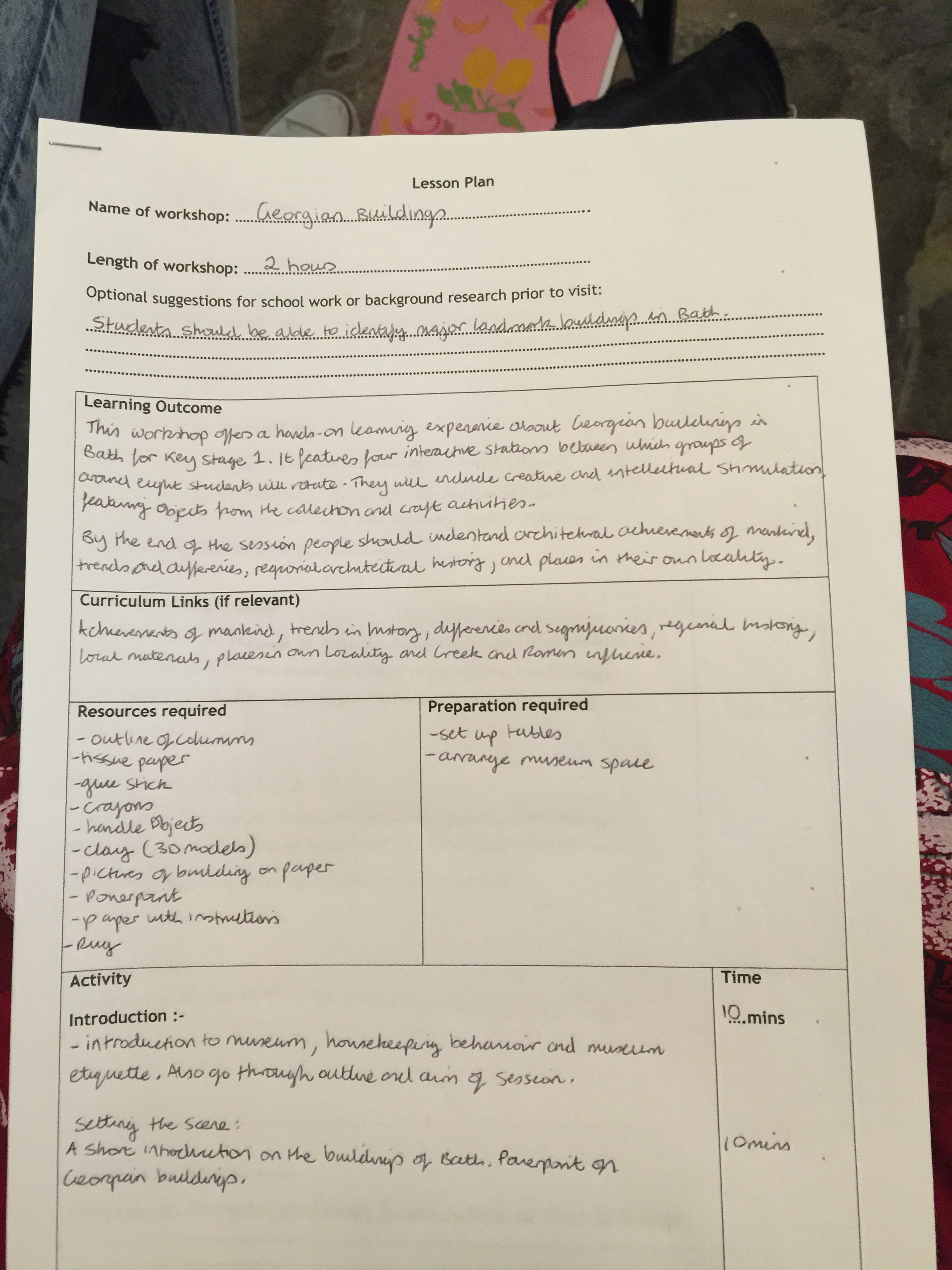
    What underpins all processes of English heritage from assessing significance to preservation work is this idea of constructive conservation. Not only should a building be researched, but also, observations should be documented and taken into consideration. Frost prepared a wonderful hand out for us on the basics of conservation in the UK and how to conserve on a shoestring budget. I will include a picture of the conservation principles below.

    image
    Conservation Principles

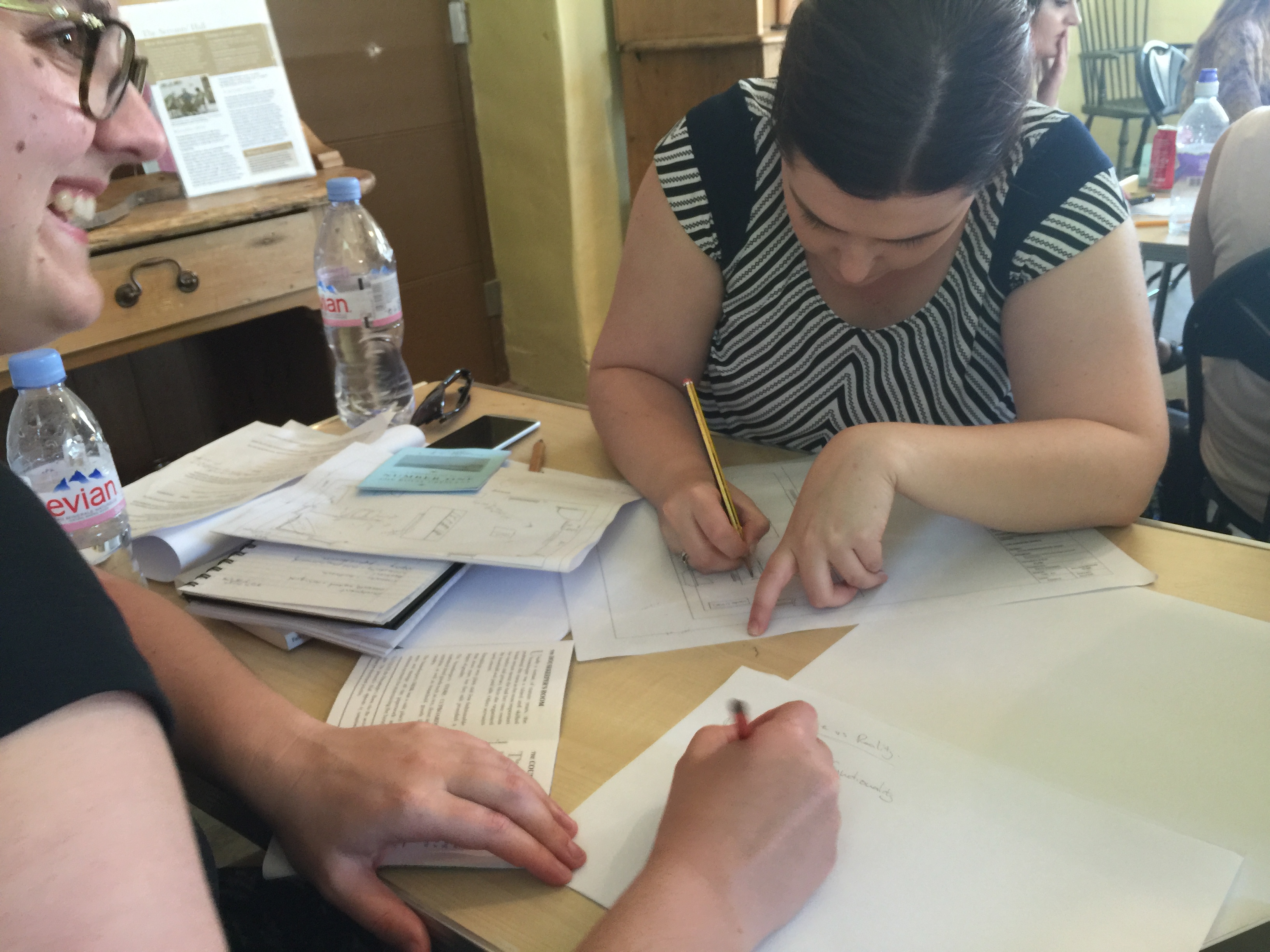
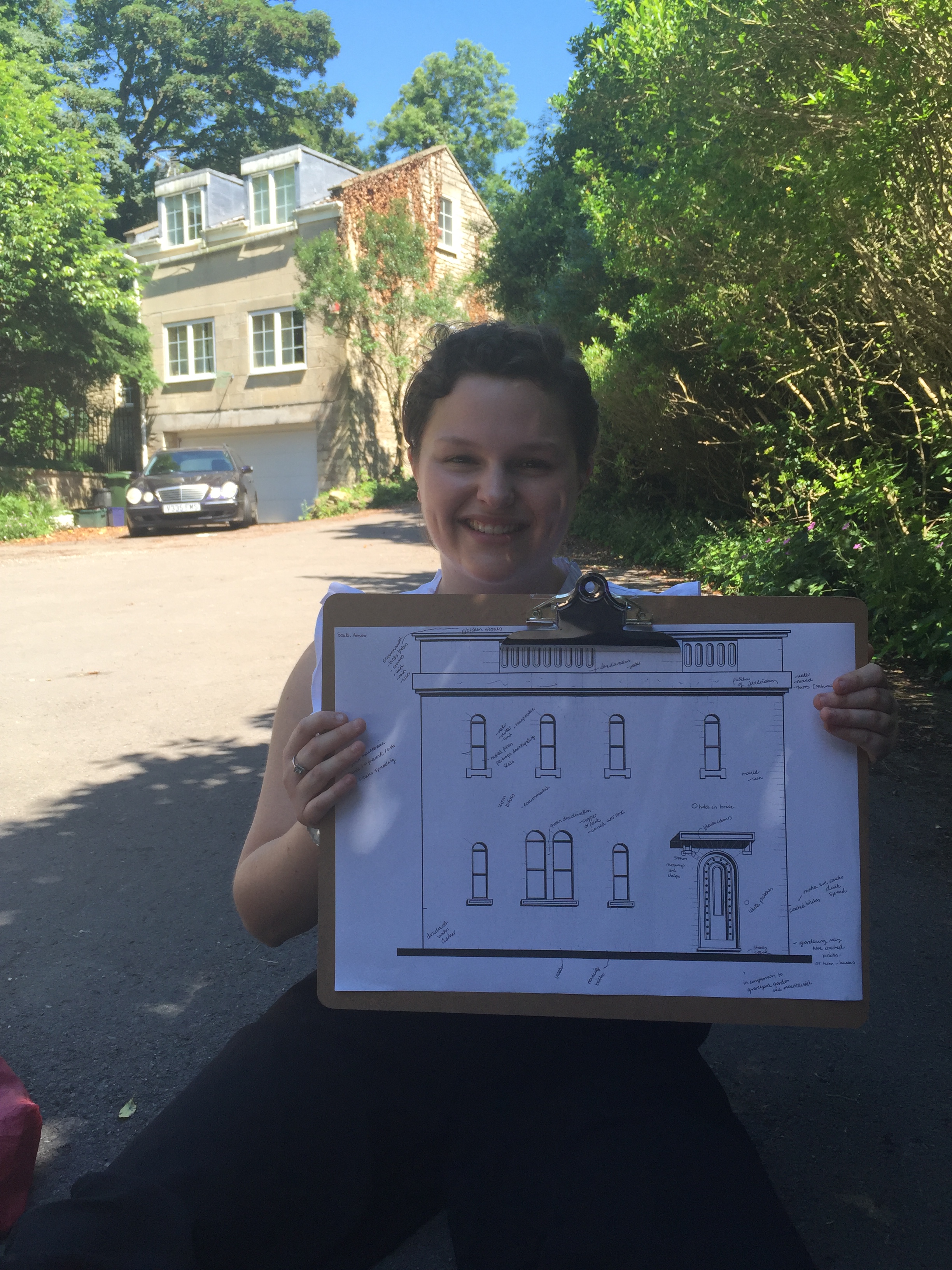
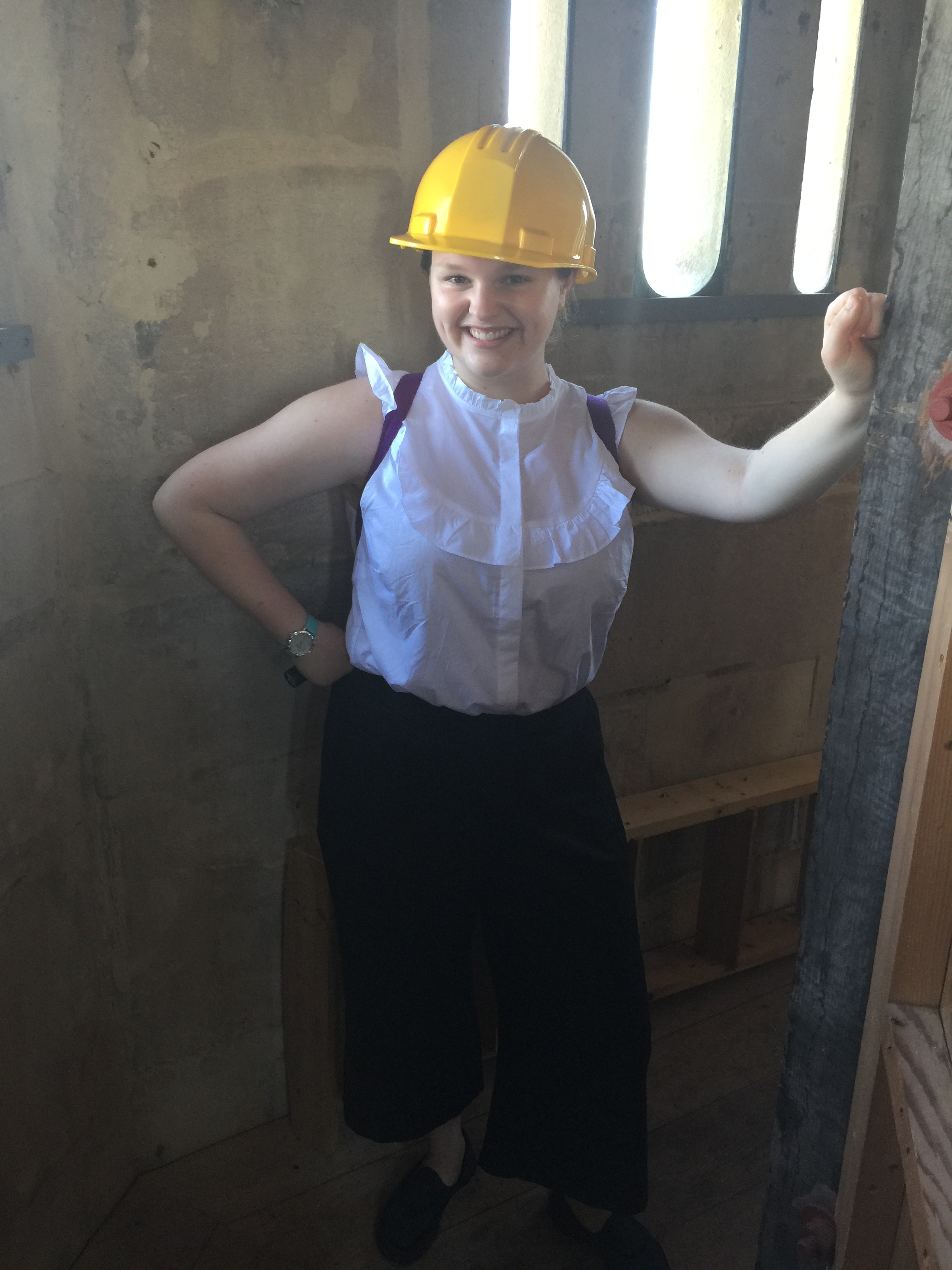
    The part we had hands on experience with was surveying a site. In groups of six we were allocated a building section and had to write our observations and furthermore, what we think had caused it and why. Our group had the south wall and all our observations were noted whilst standing in a 19th century cemetery. The true heritage experience. We noted things like rust on the windows, cracked stones, and water damage. Presenting to our whole group led us to investigate further why such decay had occurred. It was a fantastic learning experience and we came to appreciate what can be achieved on a shoestring budget.

    image
    Beckford’s Tower
    image
    Our group observations

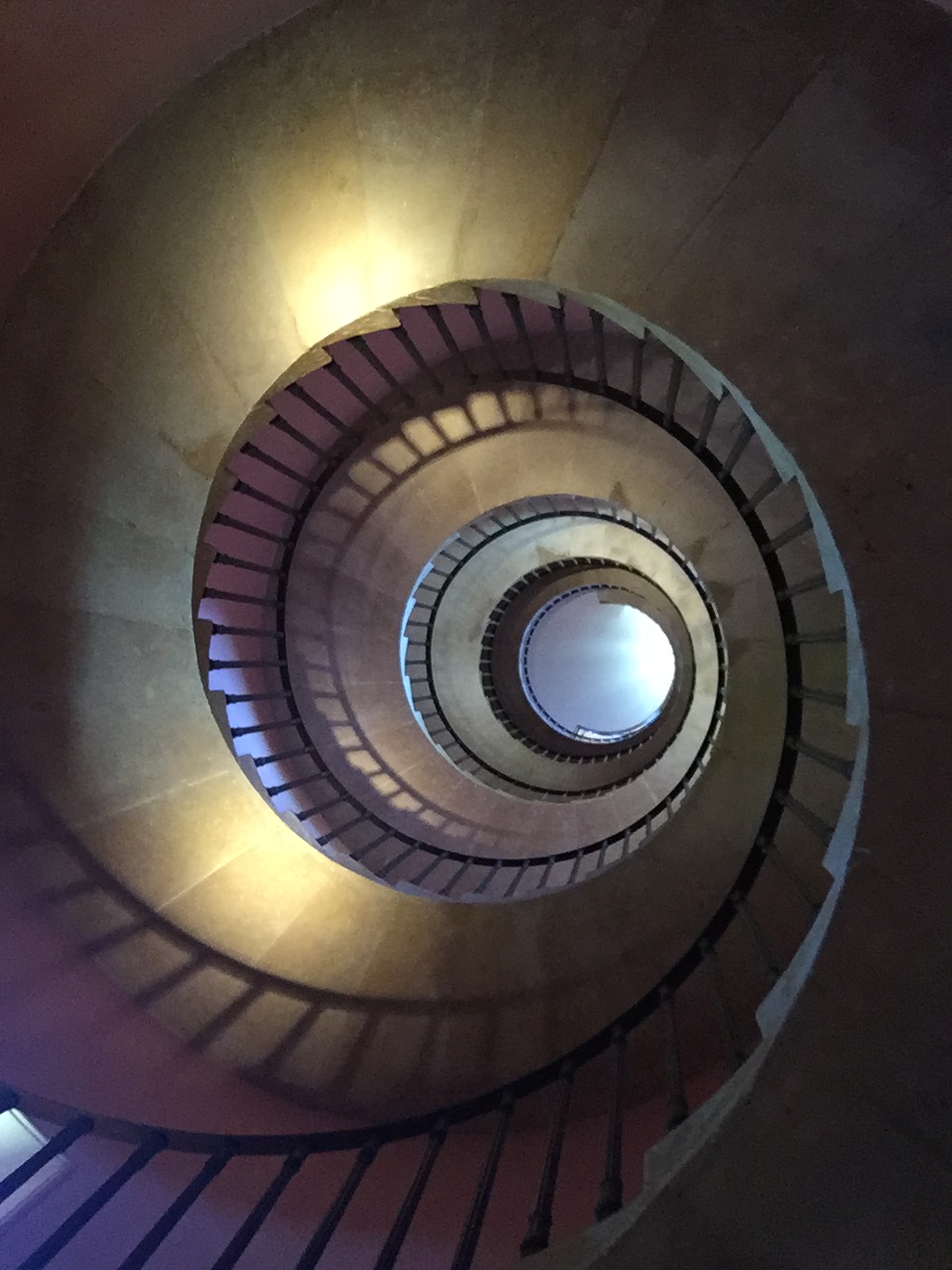
    After hiking up and down the 154 tower stairs we left Beckford Tower for a free afternoon in Bath. Such an amazing hands on morning that provided an in depth introduction to conservation.

    image
    Beckford’s Tower
    image
    Beckford’s Tower
  • OPP Day 1 – Walking Tour of Bath

    Today was the first day of the Open Palace Programme. This morning we embarked on a guided tour by the Mayor of Bath’s Honorary Guide, Phil, around the city centre. The theme of the tour was the historical and architectural evolution of the city. Lasting just over 2 hours, it provided a great introduction to the city and covered a significant amount of information.

    After a quick stop at Bath Abbey we continued on to talk about the city of Bath as a UNESCO World Heritage Site. What is particularly interesting is that the entire city is inscribed on the list – not just the Abbey or the Roman Baths. There are around thirty-three reasons why the city was listed and I was very glad our guide provided a summary. Firstly, it has been listed due to the Roman and 18th century remains. As I discovered in the Roman Baths yesterday, there is quite a significant amount of Victorian architecture, even within the main bath itself, that has been wonderfully conserved. Secondly, Bath was one of the first cities in the world designed to look beautiful. Lastly, the city was designed to be a centre of social activity, a site of leisure especially in the 18th century. Click on this link for more details: http://whc.unesco.org/en/list/428!

    IMG_7365
    UNESCO World Heritage symbol

    Personally, I found the most interesting part of Bath’s history was when it was foremost a health/medical centre. Those suffering specifically from Devonshire or Somerset palsy could spend six months in Bath to relieve their symptoms. Unlike other areas of the United Kingdom that preferred beer to water (more clean), Bath preferred cider. To make cider taste sweet, it was processed with lead which does apparently act as a sweetener. Drinking a lead-infused beverage is obviously not very good for your health and could lead to a variety of illnesses. By spending six months drinking copious amounts of water and bathing in hot water for hours each day, you could leave the city feeling a lot better than when you arrived. Throughout the tour, the significance of the water and hot springs was highlighted at each stop revealing it is literally the lifeblood of the city.

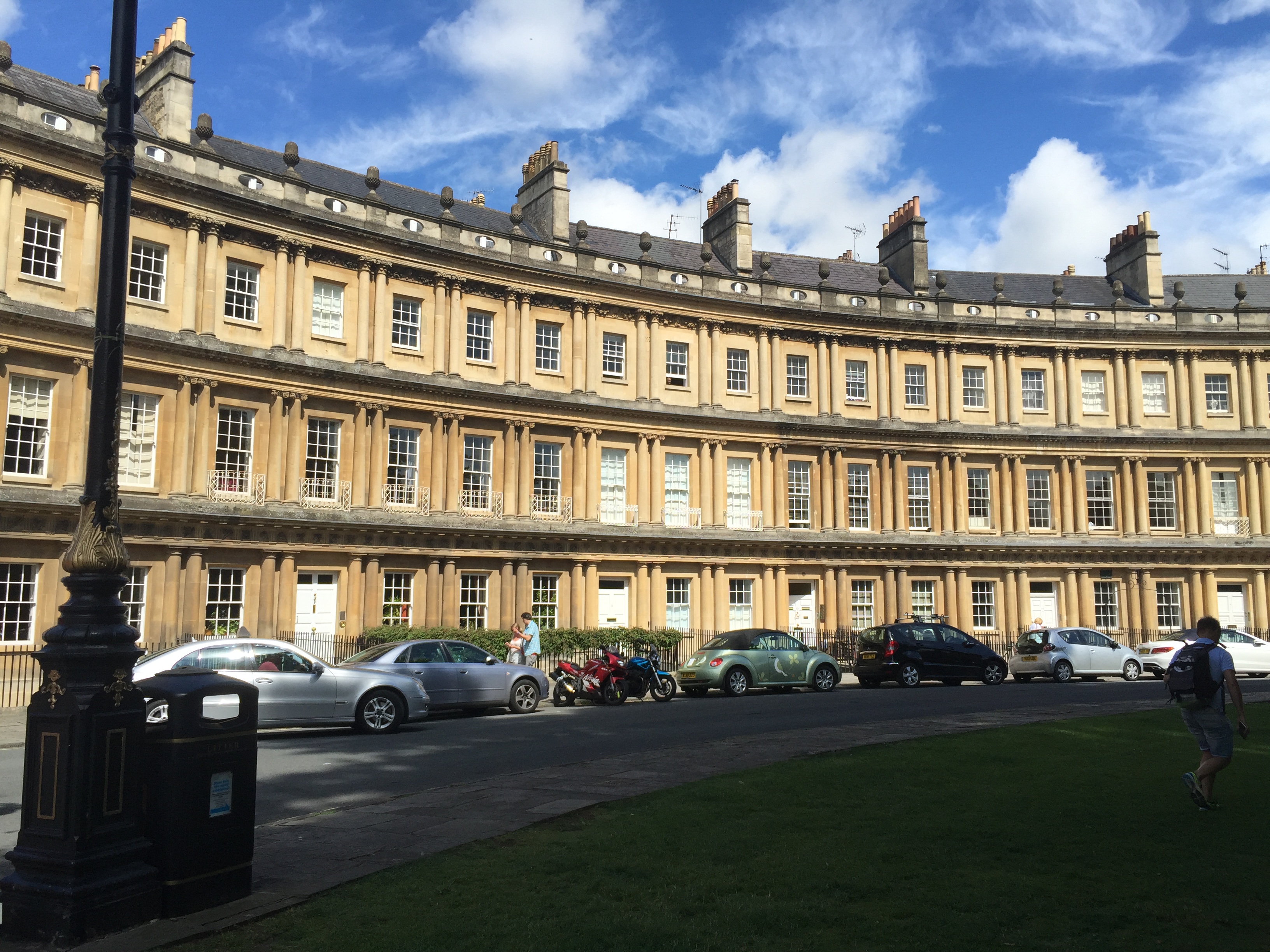
    There were two other highlights: the Royal Crescent and the Circus. The former was designed and built by John Woods the younger and represents how it was fashionable in the 18th century to feel attached to the countryside. No matter which building you were living in, you were guaranteed a view of the fields outside. Today, it is more like a view of the other buildings in Bath. The Circus, on the other hand, was built to reflect a new awareness of the ancient Roman presence in the city. Three layers of Corinthian, Ionic and Doric columns mimic those on the Colosseum.

    IMG_7384
    Royal Crescent
    IMG_7392
    The Circus

    I have mentioned before I enjoy guided tours because you can access more information if necessary by asking the guide etc. It’s also a great way to explore a city effortlessly. I like tours that focus more on the stories of a city and its personalities. Phil did a great job of adding that information at almost every stop ensuring the tour contained social, as well as architectural, history.

    There are so many stories that can be drawn from the tangible heritage in this city. We will be learning more about the Bath Preservation Trust tomorrow on our visit to Beckford’s Tower and Museum. Here, we will gain some hands on experience at conservation and site analysis. It was a lovely way to spend our first morning of the tour and I am now more excited than ever to hear and learn more!

  • Museum of Bath at Work

    This is going to be a really short blog post on the Museum of Bath at Work!

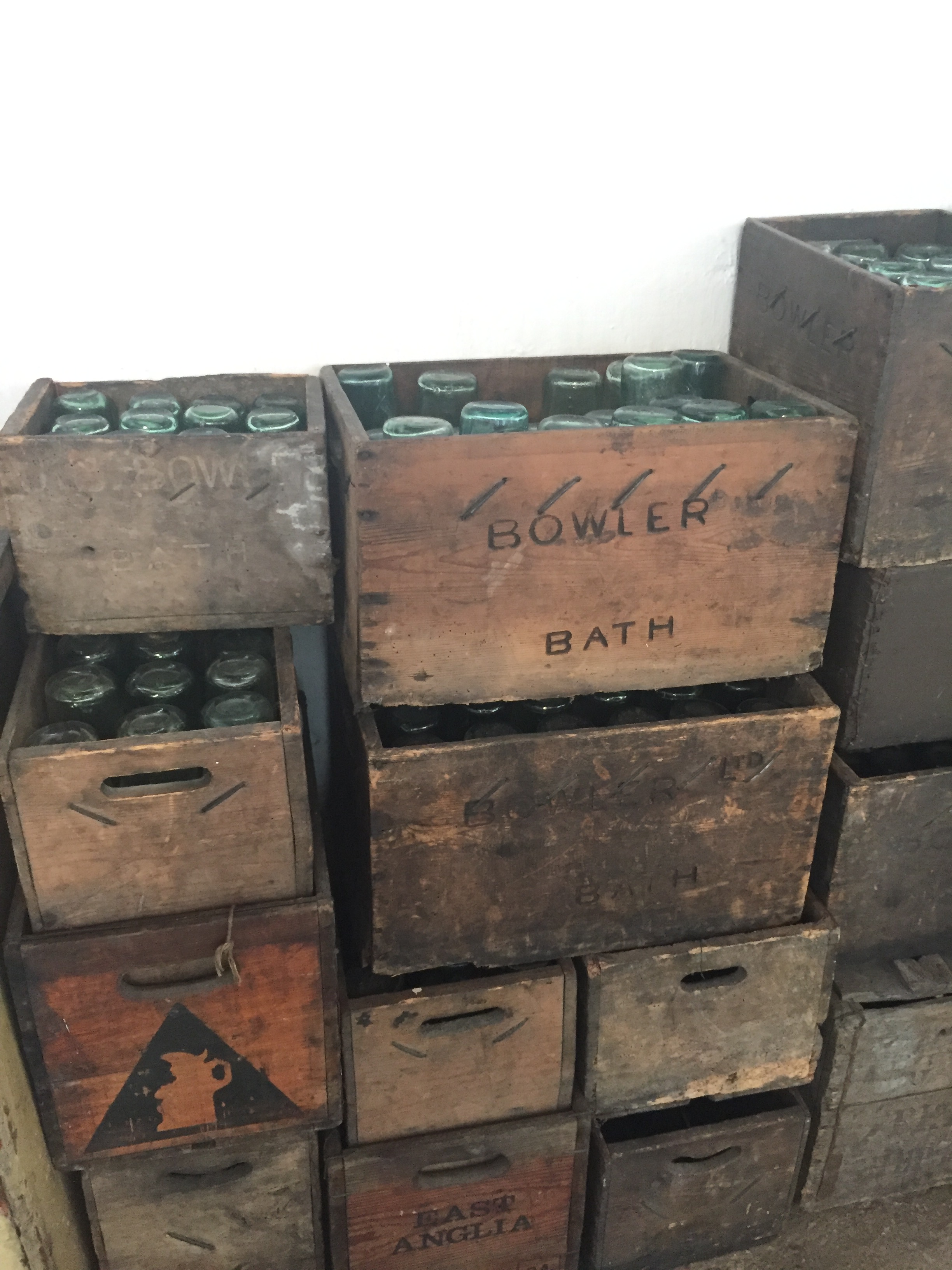
    The Museum of Bath at Work is a cross between a museum and a recreated factory. It reminded me a lot of living history houses which make you feel as though you are walking through a still inhabitable space. The museum tells the story of the Bowler family who operated a thriving engineering and mineral water business. When the business, originally on Corn Street, was closed down, its contents were rescued. Utilizing photographs, parts of the factory and offices were recreated in a new location and became a museum. It is divided into 13 sections each with its own focus. The first 6 stops were dedicated to engineering feats with, for example, a metals workshop and pattern making room.

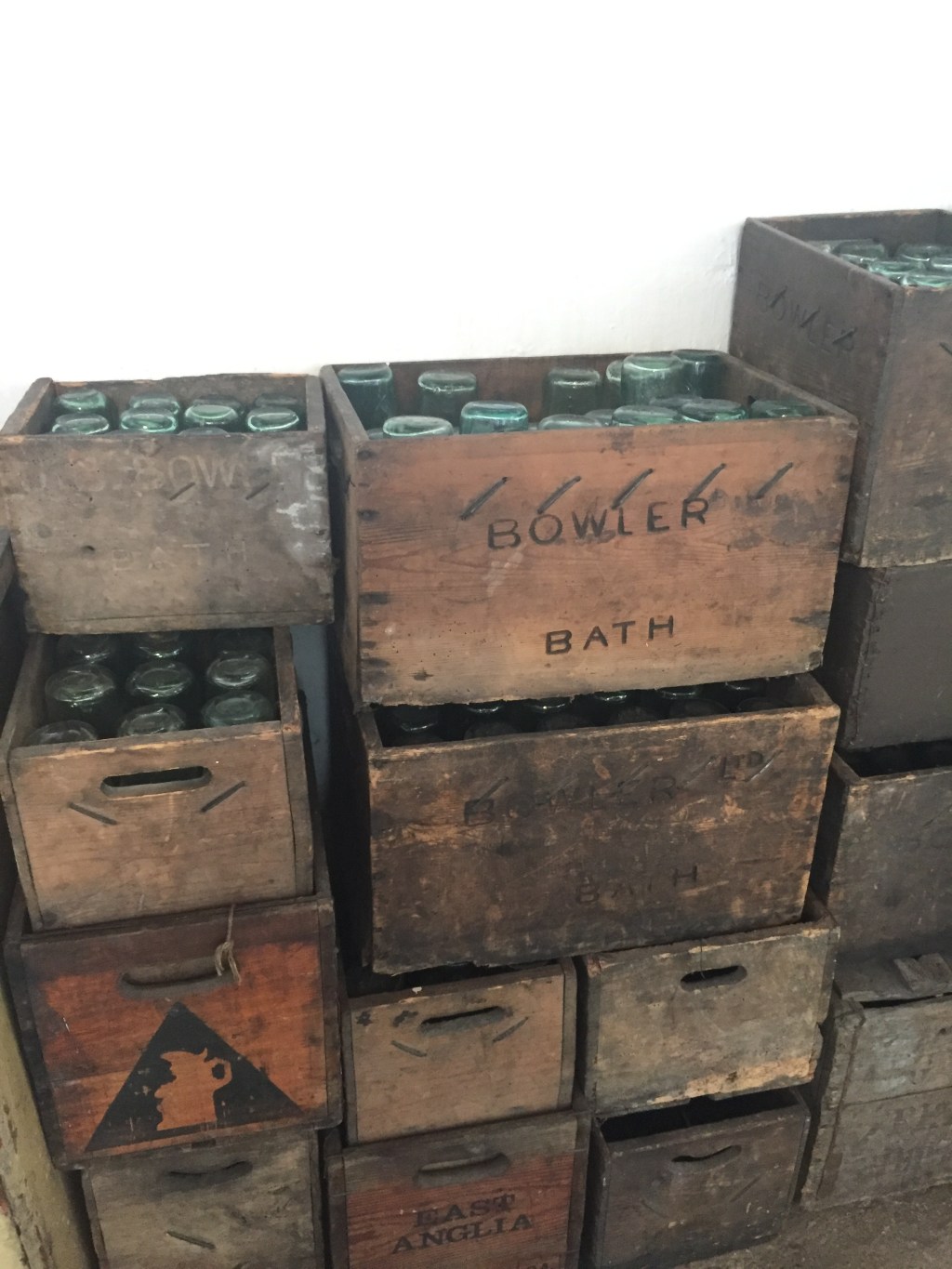
    Whilst I can appreciate the wonders of engineering, I pretty much strolled through the rooms to get to the factory. It was so cool inside! Mineral water bottles and boxes were stacked everywhere. Machines that were used to fill and cap the bottles were also just laying around. The audio guide was quite essential in explaining what was in the space and the stories behind the objects. Otherwise, you are looking at a room of objects with only a couple of panels.

    IMG_7339
    Museum of Bath at Work

    I love the aesthetics of old factories and this one definitely topped my list. The bottles were so beautiful and the machines were all so fascinating. My favourite room was called “essence”. It displayed a whole range of bottles that each held a different flavour to add to the mineral water. The different shapes and colours all looked so beautiful together. It reminded me a lot of old medical bottles that individually are pretty amazing, but, when displayed together are a work of art.

    IMG_7357
    Museum of Bath at Work

    It was also interesting to learn about the process of how softdrinks were originally made and what challenges faced manufacturers. These included things as simple as as how to seal a bottle to prevent the gas escaping. One of my favourite stories from the audio guide was about one of Bowler’s daughters. Some softdrink bottles were designed so that they had a marble stopper inside. When the bottle was filled, the pressure from the liquid would keep the marble in place acting as a seal. This, however, did lead to bottles exploding if filled too much. Unfortunately for the daughter, a bottle exploded and left her blind in one eye. A reminder of how Workplace Health and Safety is painstakingly bureaucratic, but, incredibly important.

    I felt as though I had traveled back in time to the 1800s and had stumbled into a factory. Although segments were roped off, it was still quite open. Interesting way to spend an afternoon in Bath if you want to see some business, manufacturing, or working life history!

  • The Roman Baths

    What a truly amazing experience at the Roman Baths. I arrived nice and early and found myself to be the only person in line. Not only this, but, when I went to the free tour meeting spot an hour later it was just me and a lovely couple from London. So I essentially got a free private tour and could ask as many annoying questions as possible. It really does pay to wake up early! This blog entry will cover the museum, the main bath itself, the audio guide, and the guided tour. I’ve never experienced so many forms of interpretation in one place so it was definitely an interesting morning.

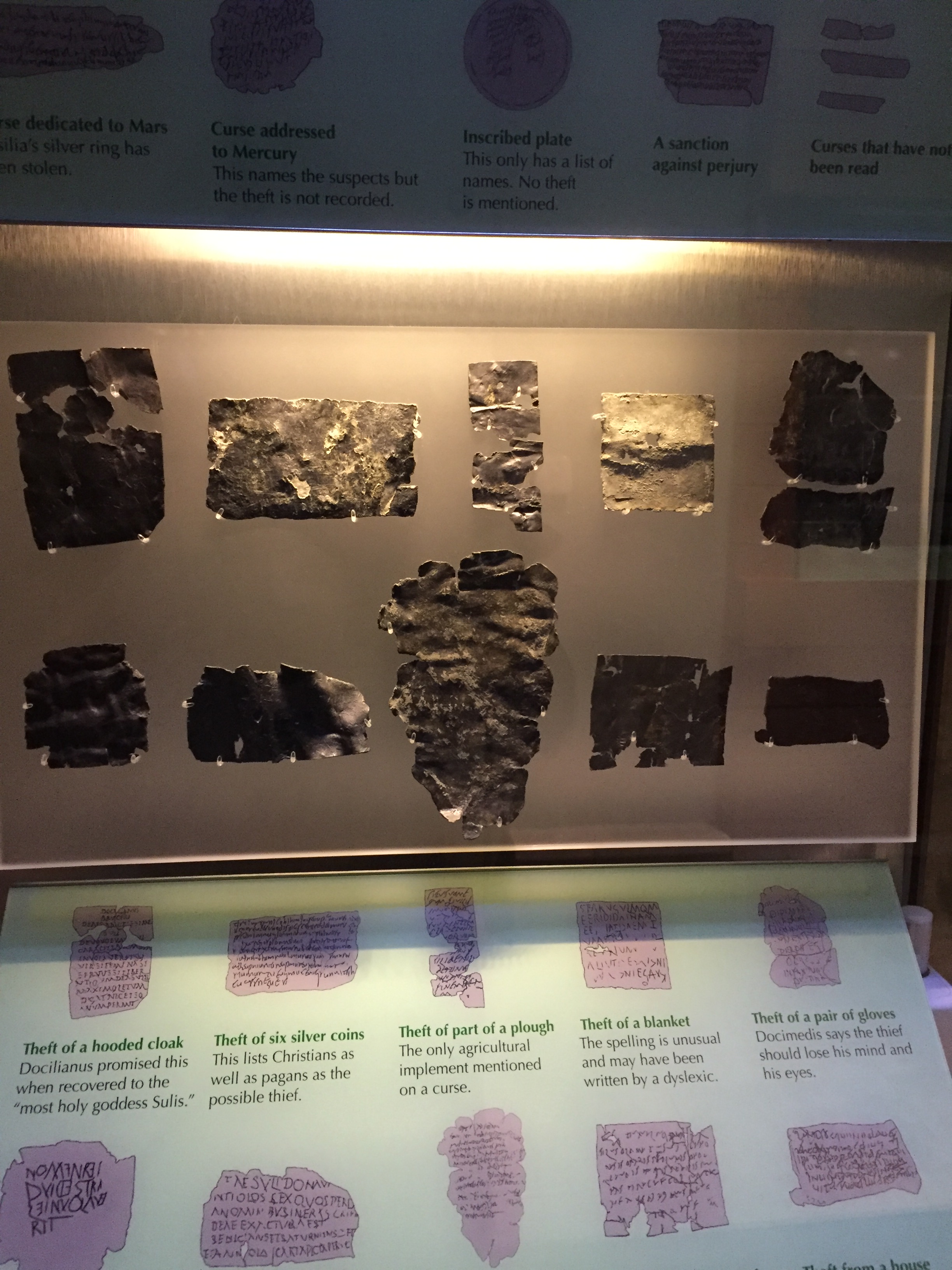
    To get to the lower level of the bath you must walk through a museum. As well as panels and object labels, you could also listen to an audio guide. I did find myself only listening to the guide for the more impressive objects and relying on panels for the others. The museum covered life in Roman Bath from funerary practices to symbols in the temple and everything in between. There was also a section where you could walk above the ruins of the city. Highlight objects for me were the Roman Curse Tablets that have been inscribed on the Memory of the World UK UNESCO Register in 2014. If someone, for example, stole your blanket whilst you were bathing, you could write a curse on a piece of lead, give it to a priest to bless, and throw it in the water. If it floated, the curse would be projected back on to you. Some of the curses on display included one to whoever stole a cape and one suggesting possible culprits to help the Gods find the wrongdoer.

    IMG_7201
    The Roman Baths
    IMG_7214
    The Roman Baths

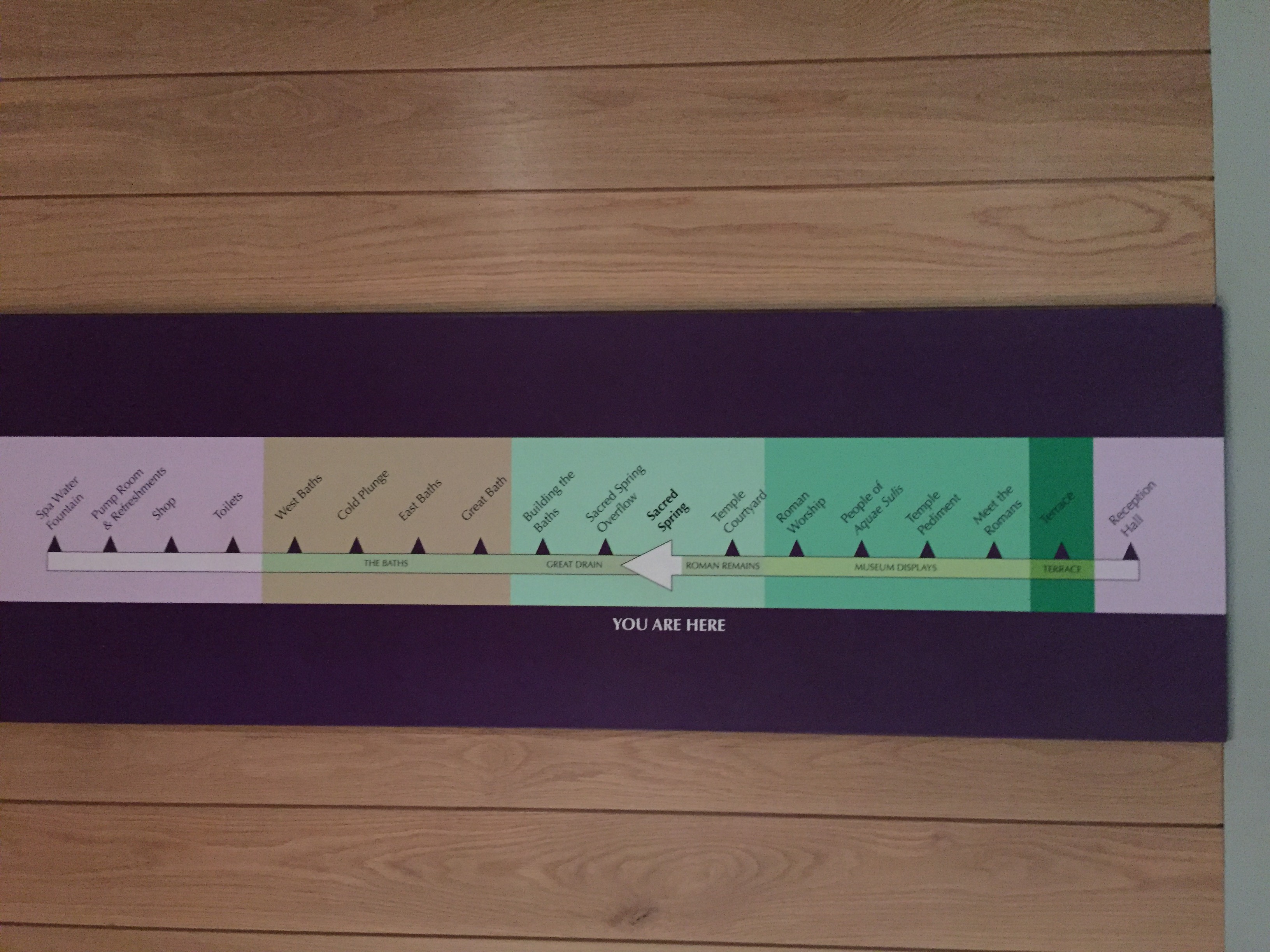
    Similar to the fashion museum , I was really impressed with the signage. After each exhibition space was a panel showing you what you had seen and where you were heading. It contextualized each space nicely and provided a great overview.

    IMG_7222
    The Roman Baths

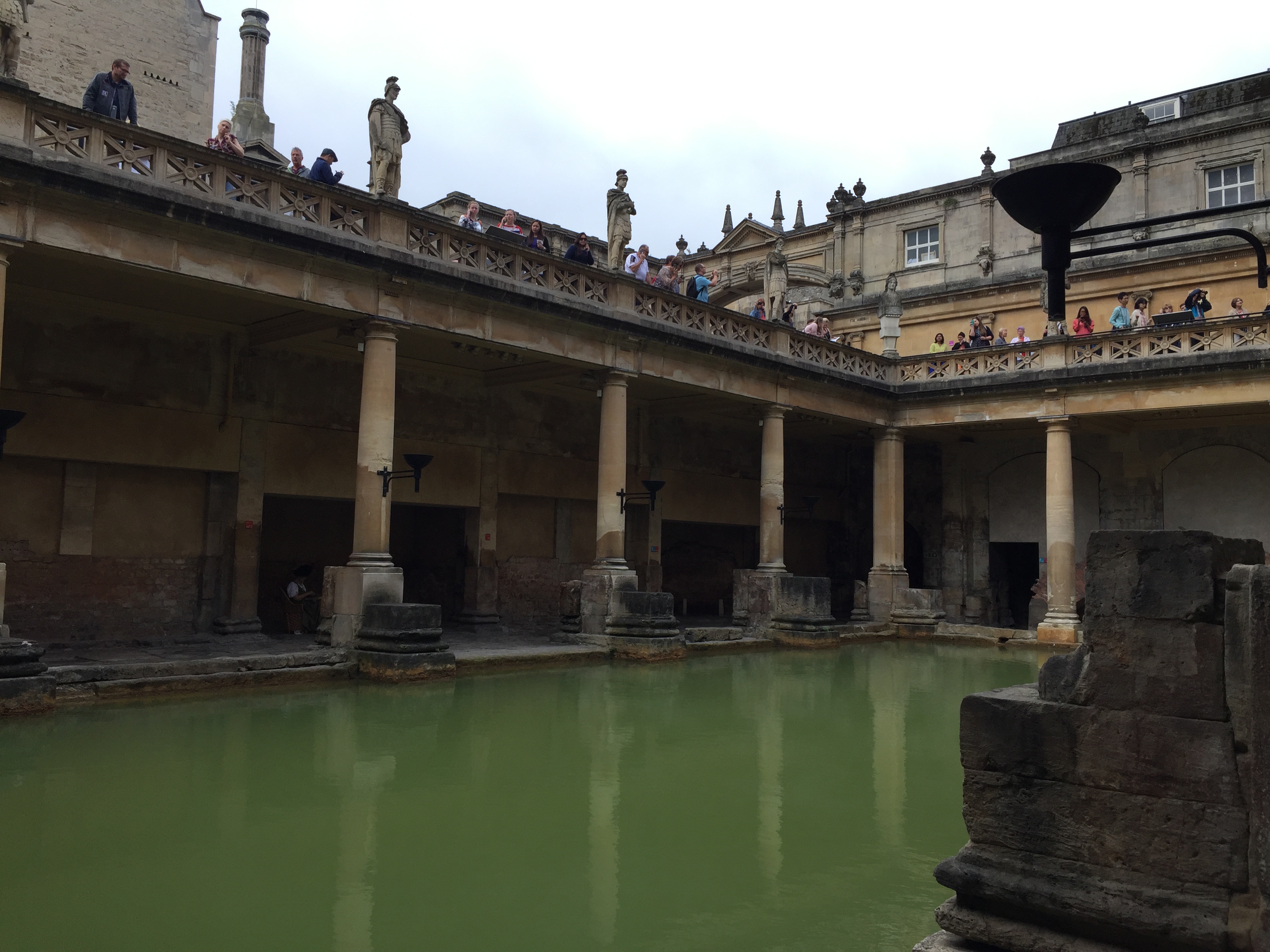
    After the museum you can then exit to the main bath. It is an impressive area and I strongly recommend you circumnavigate the entire bath entering into the little side rooms. One takes you to the chambers for undressing and applying oils. They are all quite well preserved. What the audio guide adds to this area is explaining the archaeological evidence so I do recommend listening in at this stage.

    IMG_7274
    The Roman Baths
    IMG_7171
    The Roman Baths

    After an hour, I went on the guided tour. Our guide, Eugene, was awesome and had the patience of a saint. The highlight of the tour was hearing how the bath complex was uncovered in the Victorian era and how up until 1968 you could still swim in the water. Today you are strongly advised against that. But, we were told that some people do try to jump from the top level into the water and end up breaking their legs or arms. It is a very shallow bath. The uncovering happened like most archaeological finds. Something totally unrelated happens that leads to the discovery. From what I can remember there was an issue with a spring that had to be fixed and the more they dug down, the more history they uncovered. Thankfully, it is now wonderfully preserved and conserved for the public to view. I didn’t, however, read anywhere what conservation efforts are being carried out today.

    I have visited the baths before, almost a decade ago now. I definitely discovered a lot more this time and experienced more of the site than I had before. It was great to be able to combine the interpretation techniques together and see what was missing from what and which had the information that suited me best. Out of all of them, I think the tour was the highlight. Being able to have that interaction with some knowledgeable individual could not be replaced by a guide or panel. Tours run every hour from 10.00 am on the hour and since they are free you might as well join! Since I am a tour guide at a heritage location in Sydney, no bias here…

  • Fashion Museum – Bath

    This museum has been at the top of my “must visit” list for years. For those of you who don’t know, I have been volunteering both directly and indirectly with the Australian Dress Register since 2014. This work has really sparked my interest in textile collections from both a collection management and conservation perspective. I believe that every textile can tell a fascinating story reflecting a time period, personality, society, or all of the above. I had planned on visiting the museum tomorrow but I was so excited I went there as soon as I got off the train. The exhibition I saw was: A History of Fashion in 100 Objects. There is a small entrance fee, but, trust me, the exhibition is worth every cent. Included in the ticket price is an audio guide that can be used throughout the entire museum.

    With the audio guide in hand, I entered into the exhibition space and so began two hours of pure joy. Almost every garment in the 100 objects exhibition had an audio guide number. Yes, I listened to all of them. Whereas so many audio guides are the cause of congestion, each stop on this tour was 2 minutes maximum. This meant people were moving around and not standing in one space for too long. It was quite busy when I visited but I never felt as though it was overcrowded.

    The exhibition itself is arranged in chronological order from a Tudor linen shirt to contemporary fashion pieces. There is, therefore, an overall narrative focusing on how English fashion has changed and how style has evolved. The exhibition caters to a range of visitors in that you can follow the entire narrative from start to finish or you can walk through at your own pace selecting what to look at more closely. I saw great value in following the narrative and building my knowledge from one garment to the next. Then again, I did find myself skipping pieces and coming back because I was distracted by something stunning in the distance.

    The signage in the exhibition space is wonderful. To start with, you are warned that the exhibition is dimly lit etc for conservation reasons. It is great to see this information being presented to the public! About a third of the way through there is another sign directing you to a small exhibition that deviated from 100 objects. The Behind the Scenes exhibition displayed some more garments, but also, how they are stored in the collection. Some of the dresses were massive and I was wondering how they are best stored. My questions were answered. Speaking of signs, there are no thematic panels in the exhibition space. Rather, each individual garment has its own individual significance explained and this, in the context of the exhibition, works very well.

    IMG_7125.JPG
    Behind the Scenes Exhibition
    IMG_7117
    Sign in Museum

    I am going to be really picky here and I am sure it was considered, but, I would have loved some digital technology incorporated into the exhibition. At the Australian War Memorial select uniforms were accompanied by an iPad that allowed for a 360 degree view. Some of the garments in the 100 objects exhibition were so detailed it would have been great to zoom in and inspect it closer. This thought only came to me after I had exited the exhibition so perhaps it would not have made a massive difference at all.

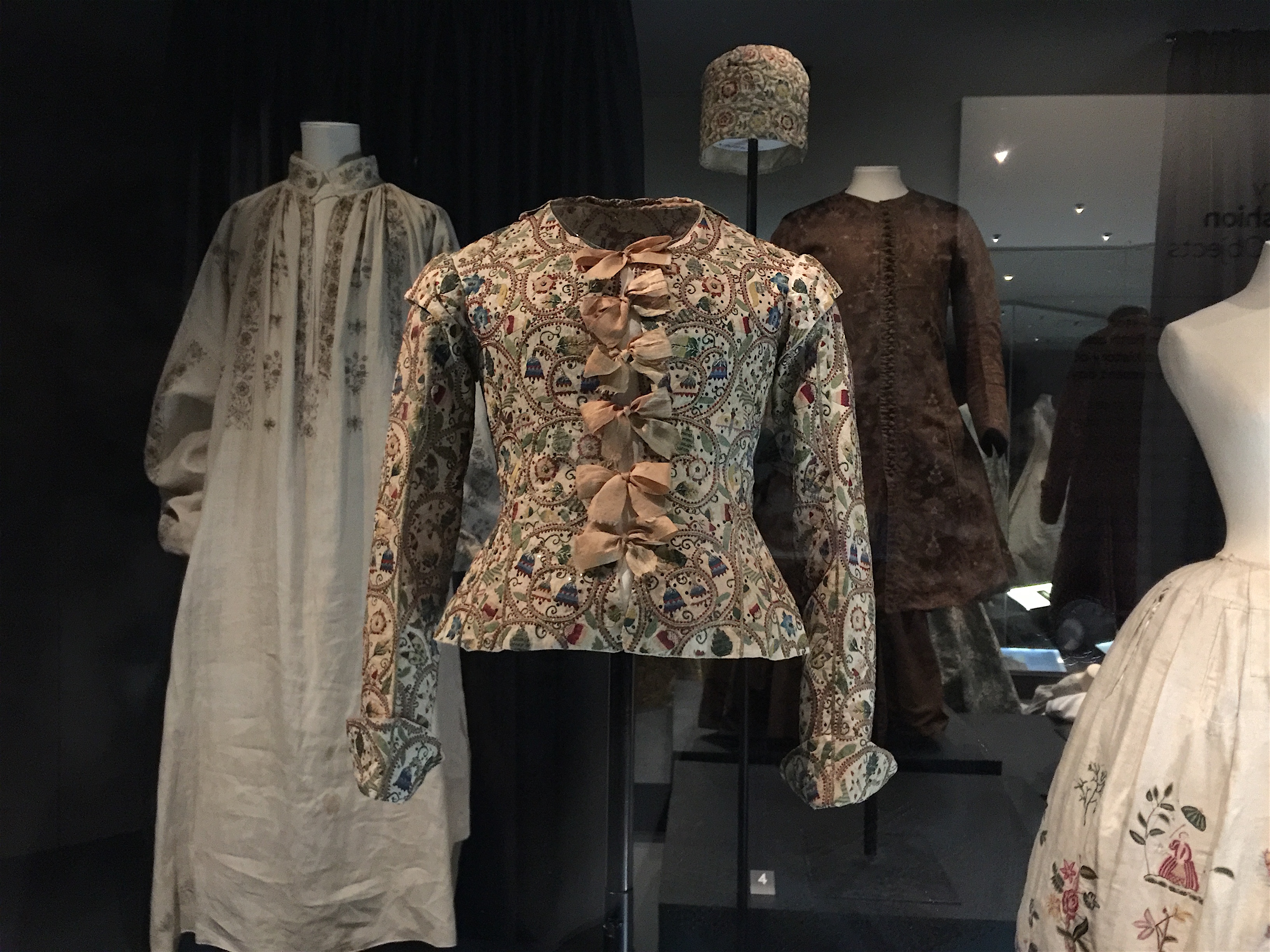
    Reflecting on the exhibition, I have so many highlight objects I don’t know where to start. I did have a favourite – a linen waistcoat from 1610s. Besides from the fact that a textile from the 1610s has survived, it is such an exquisite garment. The colours of the tapestry embroidery are still so vibrant and all the pale pink silk bows are intact. What makes this piece particularly interesting is that its original owner may be known – Lady Alice L’Estrange. It is amazing to think that someone, whether L’Estrange or not, was wearing this waistcoat when King James I was monarch. Considering this, its condition is incredible.

    IMG_7063
    Jacket

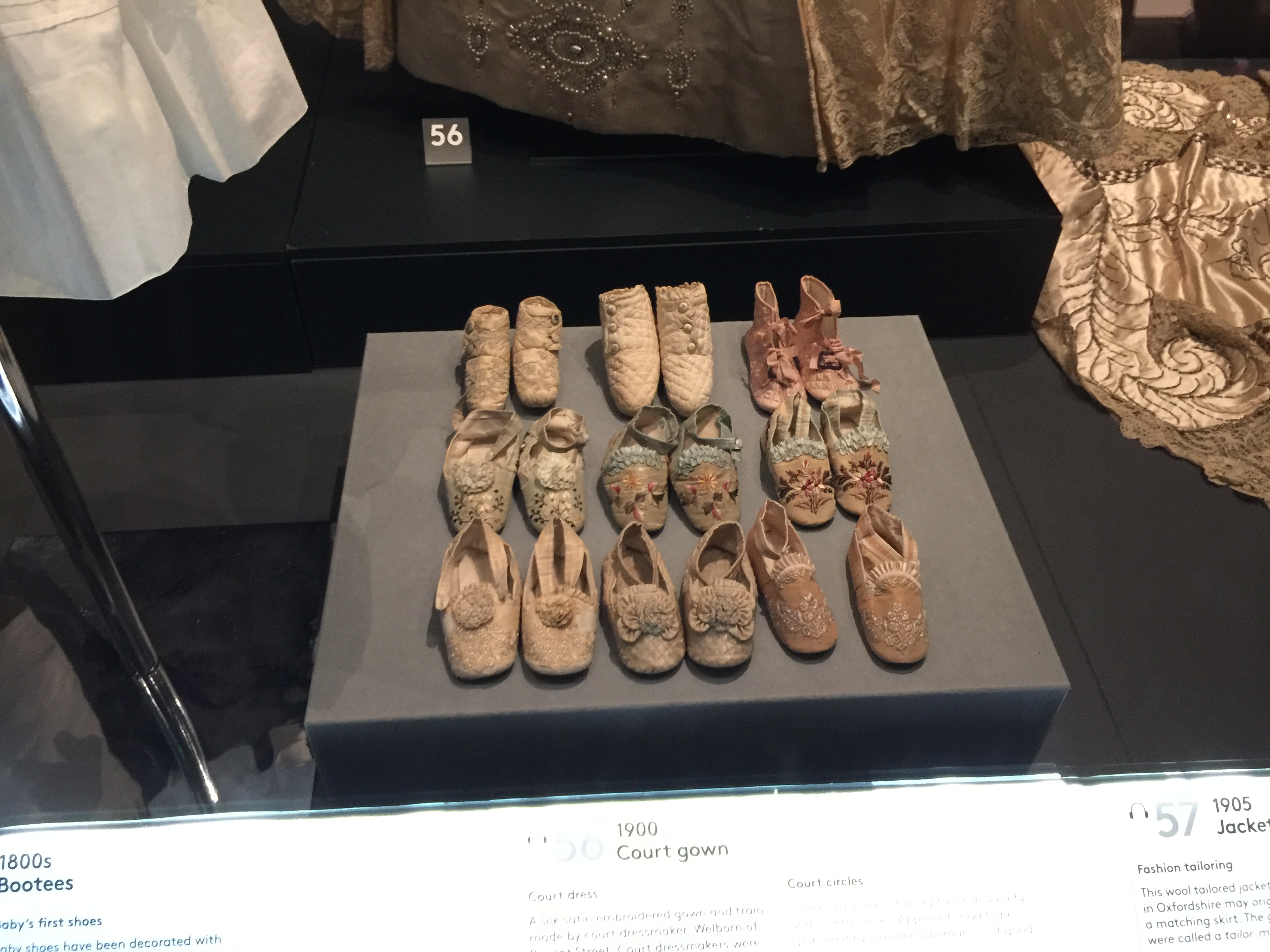
    Another highlight were the baby’s first shoes. They are so adorable and showcase such intricate embroidery. Seeing them in a group had much more of an impact than if they were displayed separately. The pair directly in the middle are so delicate-looking! I also like how shoes for every season are represented.

    IMG_7135.JPG
    1900 Shoes

    My other highlight objects can be seen in a gallery below. Happy viewing!

    IMG_7110
    1860s Cotton Day Dress with Crinoline
    IMG_7102
    1840s Dress
    IMG_7078
    1760s Robe a la Francaise
    IMG_7137
    1961 Knickerbocker Dress
  • British Library

    I am currently en route to Bath in a quiet carriage that is anything but quiet. Although the programme doesn’t start until tomorrow night, I wanted a couple of days in Bath to relax beforehand and visit some more museums. Since I have some spare time I thought I’d write a little blog post on the British Library. I visited the library post-Museum of London with the intention of seeing a Punk Music exhibition. It was interesting, but, I really want to write about the Sir John Rittblat Gallery: Treasures of the British Library.

    I have to admit I only went into the gallery because I could feel how amazing the air conditioning was inside. It was a hot day so don’t judge. Anyway, I was very glad, well extremely glad, to have walked in because the gallery contains some of the most incredible paper-based objects I have ever seen. If you like music, history, sacred texts, maps, or beautiful art then there is guaranteed to be something in the gallery that gives you goosebumps.

    British_library_london
    British Library

    For me, seeing the handwriting of John Lennon and Paul McCartney was a real highlight. The library has the original written lyrics of Yesterday and Ticket to Ride. It was incredible to see their actual handwriting and, even more so, their editing. Words were crossed out and replaced and you could physically see the evolution of the songs we have come to know and love.

    Since the space was so dark and cold and calming I spent a little longer looking around. Obviously the environment of the room was controlled for conservation reasons etc, but, it did create a really nice atmosphere. Also, it was pretty empty so no distractions!

    After the Beatles I went to the cabinets marked history. The first two objects I saw were the Magna Carta and a letter from Henry VIII to Anne Boleyn. Next to these was a letter regarding the Gun Powder Plot. I had the time and the space to stand looking at them for a long time trying to translate the writing. This was no easy feat. Some of the letters had writing going both horizontally and vertically. It was like trying to read doctor’s handwriting but slightly worse.

    I then had a look at a few cabinets called Art of the Book. I have always wanted to see illuminated manuscripts in person. Some of them were stunning and the colours were still so bright! They really highlight the importance of preventative conservation. I was so excited to see a blood-letting anatomy book on display in this section. I could look at old medical books all day. They are morbidly beautiful.

    There is just so much in this gallery that I considered writing a post just name dropping people like Da Vinci and Cromwell. What amazed me the most is that I never felt overwhelmed or confused in the space. Having such an eclectic mix of books and manuscripts just seemed to work. I think this is because the focus was not on the overall gallery, but, on each individual object. All in all a great way to spend an afternoon surrounded by words and ideas some of which have literally changed how we see the world.

    (No photography was allowed in the exhibition hence only one blog photo of the entrance)

  • Museum of London

    I have to say, above all else, the Museum of London had some amazing staff on the floor today! First thing I did when I arrived was go to the information counter to buy a map. The staff member there was so helpful and friendly and told me all about the free tours that were happening throughout the day. Since I am still a bit jet lagged, I thought going on a tour was a smart move! I am going to divide this post into three sections – an overview of the museum, the tour of the City Gallery, and highlights from the rest of the museum.

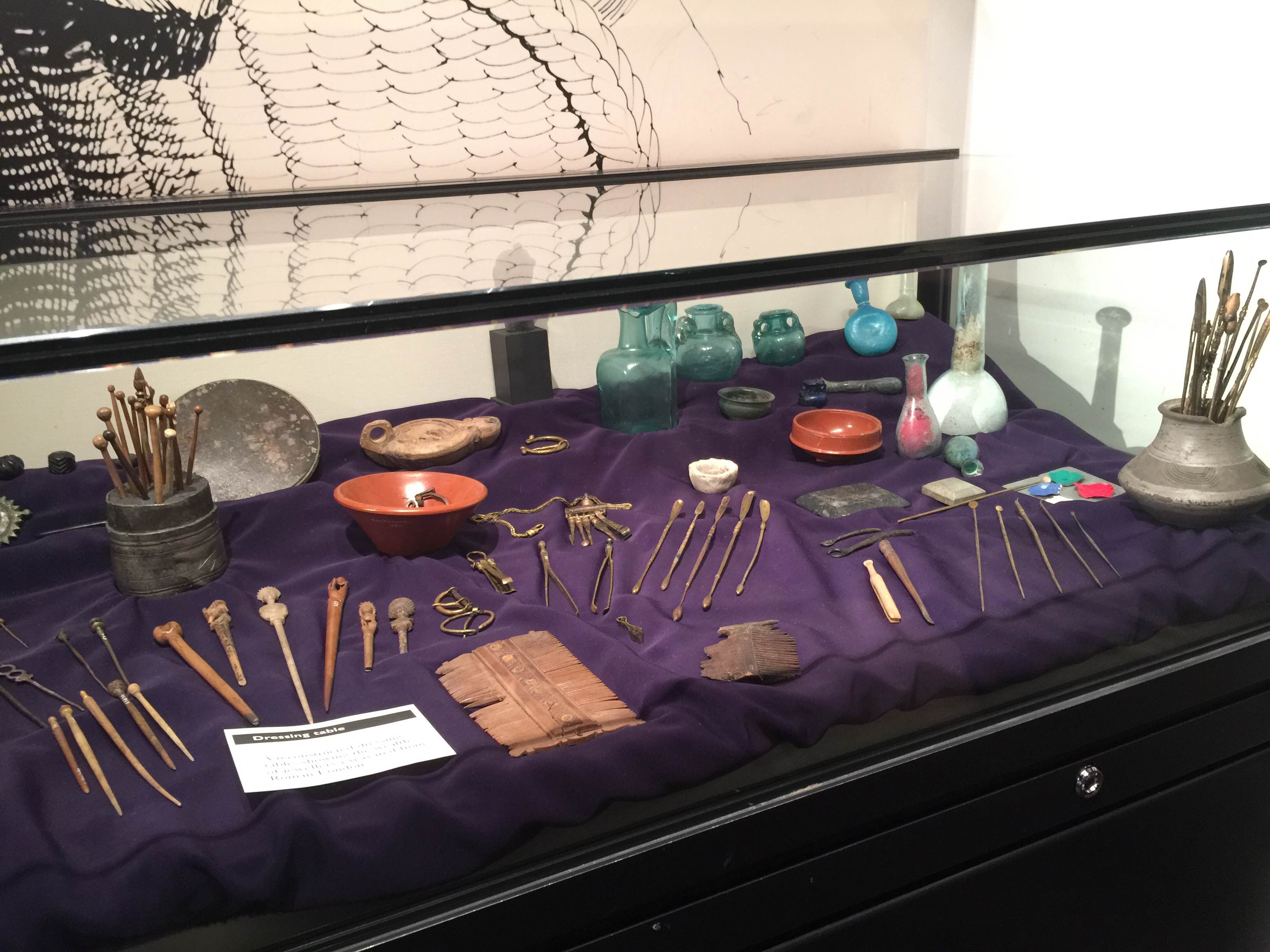
    The museum consists of nine permanent galleries that trace the history of London from prehistoric times to 2012. Combined, they tell an overall narrative with each individual gallery adding its own stories. The top level deals with prehistory to roughly the 1660s. There is little opportunity to choose your own path with each section leading on to the next. In saying this, having to walk through a couple of galleries that I didn’t plan on spending too much time in (prehistory and Roman) meant I saw some amazing objects. The recreated Roman dressing table with make up tools in particular was amazing and I am so glad I saw it! The ground floor has the more modern-era exhibitions and, unlike the top floor, there is a little more freedom to walk around. Obviously there was a lot of information to consume during one visit, but, I did the best I could!

    IMG_6972
    Museum of London

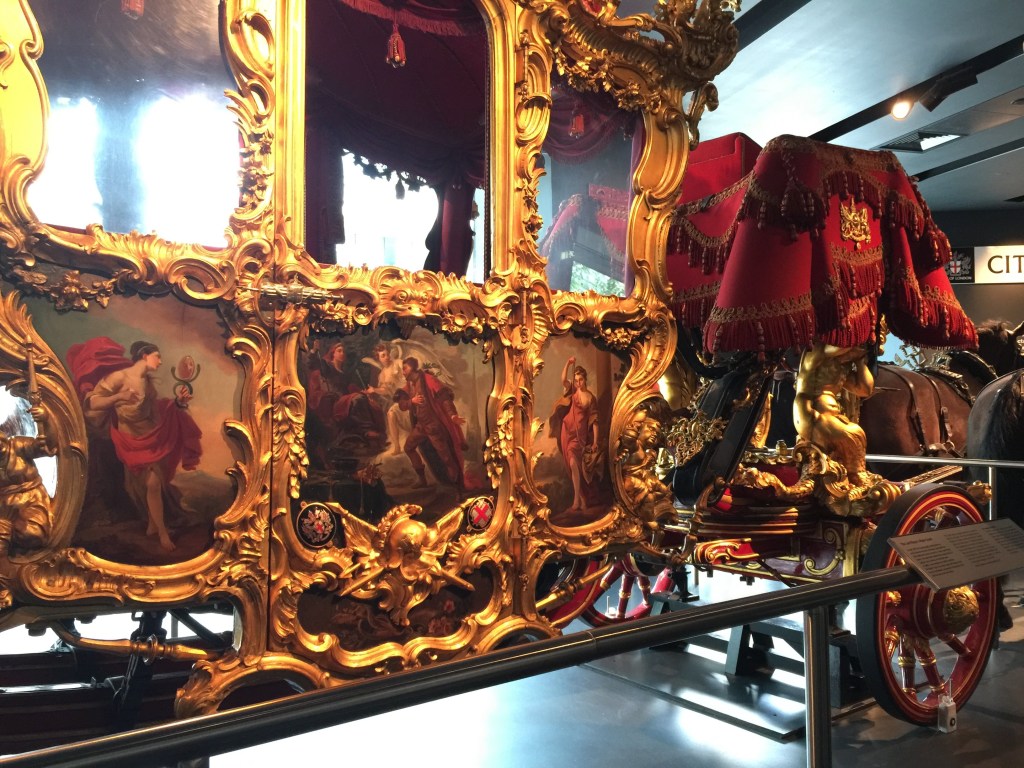
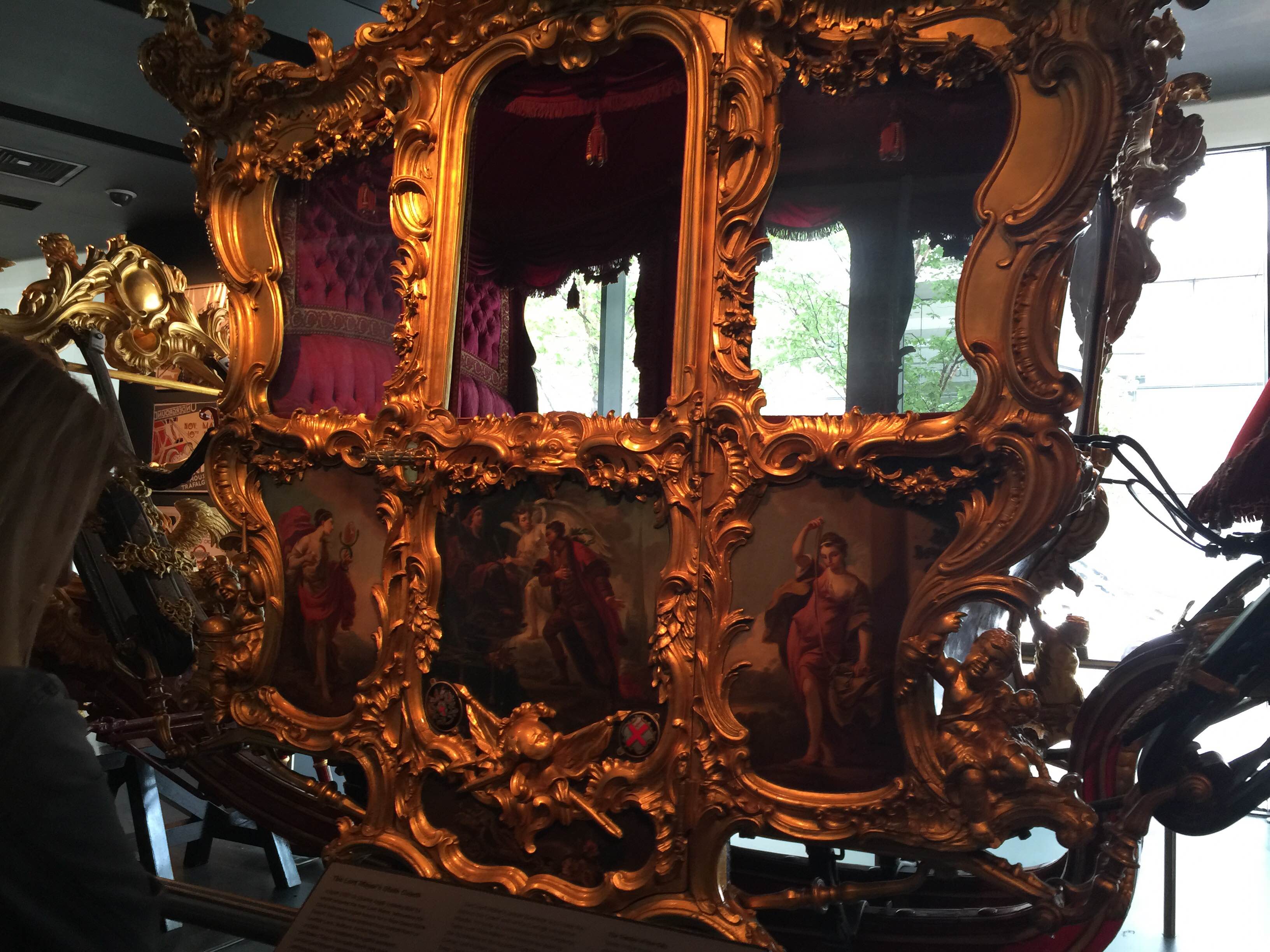
    Before too much solo walking around I went on a tour of the City Gallery with our guide Iona. She was extremely passionate and gave so much life to the objects on display. The basic premise of her tour was how the City of London (not the whole of London) has evolved over time and rebuilt itself after numerous periods of ruin. A highlight for me was seeing the Lord Mayor’s Coach. It is very impressive and Iona had some wonderful stories to share about the role of the Lord Mayor and some famous personalities who have held the position. I especially enjoyed hearing about the symbolic elements of the coach that I would have otherwise completely overlooked. I am really glad I went on the tour and thought it was such a great introduction to the City of London.

    IMG_6980
    Museum of London

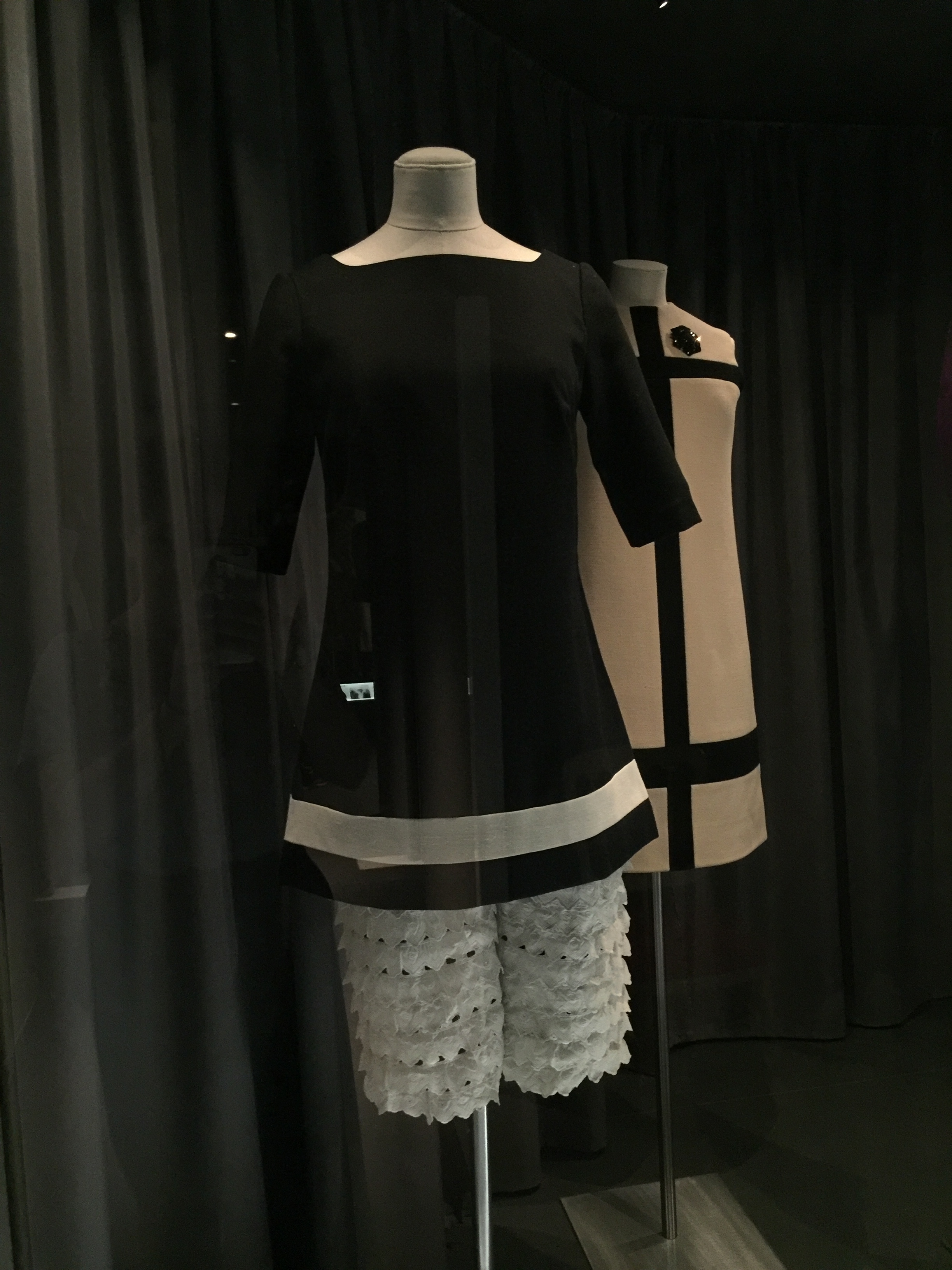
    After the tour I spent some time wandering around the bottom level. There are quite a few highlight objects to mention, but, I’ll keep things brief. The first was a Beatles Dress from 1964 found in the World City exhibition. It was worn by Pauline Richey on the night A Hard Day’s Night film premiered in 1964. Richey was wearing the shift whilst handing out programs for the film. It is such a beautiful mod shift design and I would love to have one made for myself! Around the same area was another dress that captured my attention. It was a child’s dress worn to celebrate the 1953 coronation of Queen Elizabeth II. The dress is so sweet with a coronation scene around the bottom hem and little royal symbols dotted all over. It looked to be in such good condition and added a lovely little bit of children’s clothing history to the display.

    IMG_6996
    Museum of London Dress

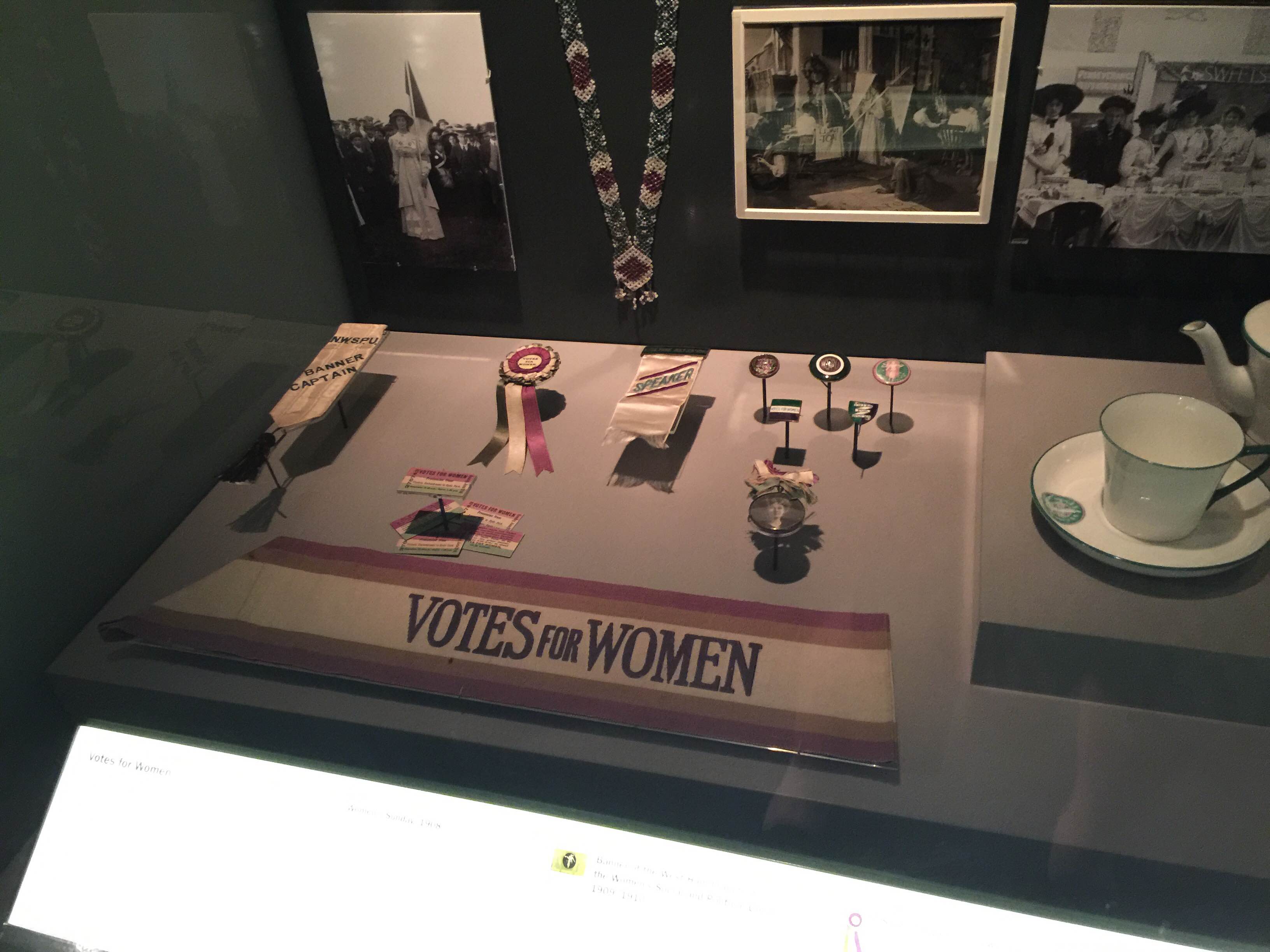
    In the next gallery, the People’s City, were a lot of objects concerning the Suffragettes. Clearly, another highlight for me! There were some wonderful pieces including jewellery, ribbons, and photographs. There was actually a considerable amount of space dedicated to the Suffragettes in the gallery. From an exhibition design perspective, the layout of the objects and the colour scheme matched the objects. This was combined with object labels that provided just the right amount of information.

    IMG_6998
    Museum of London

    My final highlights were the death mask of Oliver Cromwell and the Fire of London model in the War, Plague, and Fire gallery. They are recommended to visitors on the map and that’s pretty much why I went to see them. There was so much on the top level I basically followed the map’s suggestions and walked through at a pace. The bottom level, however, was more on the era I love so I spent much more time reading and seeing the objects. In total, I spent around three hours in the museum. I feel as though you could spend a shorter time here and still get a great overview by walking through each section reading a couple of panels and seeing a few objects. I would highly recommend a tour, however, if you have the time!

    If I ever find myself in London again, I will make time to return. Even after three hours, I would love to have spent a little longer reading through the top floor sections. It also has an amazing gift shop. Just as a side note they have heaps of souvenirs that aren’t tacky including a Suffragette umbrella that I may or may not have purchased. I definitely recommend you spend some time in this museum uncovering the fascinating and diverse history of the city!

  • Art Gallery of New South Wales: Frida Kahlo and Diego Rivera

    I cannot believe that tomorrow I leave for the Open Palace Programme in the United Kingdom! I had to distract myself today to stop the excitement building to dangerous levels. Mum came down to visit so we headed off to the Frida Kahlo and Diego Rivera exhibition currently on at the Art Gallery of New South Wales. I love the work of Kahlo and seeing her house in Mexico City was one of the many highlights of that trip.

    Frida Kahlo Cactus.JPG
    Kahlo’s House Mexico City

    I’ll start by saying the works on display are part of the Jacques and Natasha Gelman private collection of Mexican art. There is a thematic panel that explains who they were and why they had the art in their collection. In summary, they moved from Europe to Mexico, became Mexican citizens, and supported Mexican culture by, for example, purchasing art. What’s on display is a mix of paintings and photographs. Rooms filled with paintings are connected by narrow walkways that showcase the photographs. The walkways acted almost as a funnel filling very quickly with people and creating a lot of congestion.

    We didn’t spend too much time looking at the photographs for this reason. I could see that some were in colour and others in black and white so I definitely made sure I had a good look at the ones in colour. Although each individual photograph only had a small caption, they were introduced by a thematic panel. In my opinion, this provided plenty of information. The paintings, on the other hand, were sometimes accompanied by a more comprehensive label. The labels were at eye-level (thank goodness). I actually took the time to read all of them which is rare for me in an art gallery.

    IMG_6883
    Frida Kahlo

    What I really loved about the exhibition was the use of colour on the walls. Everything about Mexico says colourful so it was great to see some beautifully coloured feature walls. These were contrasted by light grey ones. It was a great balance meaning the space was neither boring nor intensely colourful.

    IMG_6886
    Frida Kahlo

    My favourite object/piece in the exhibition is a tie between El abrazo de amor del Universo (The Loving Embrace of the Universe) and Self Portrait with Monkeys. The first is such a beautiful piece including Mexican representations of day and night, and life and death. The latter was just a really cool painting and I am hoping to read more about it!

    It is quite a small exhibition so we only spent around forty-five minutes inside. I don’t feel as though I could have been in there for longer. Sometimes I get exhibition-guilt. That is, leaving an exhibition soon after entering and for some reason feeling very guilty. Sometimes, however, things such as overcrowding can just be unpleasant and the thought of spending hours looking around makes me feel a little faint.

    Overall, I am really glad to have seen it before leaving. I know as soon as I get back I’ll have to hit the ground running and won’t have a lot of spare time. As for now, my next post will be direct from the UK! I cannot wait to write about the programme!!!

    IMG_6891
    Museum Entrance
  • Melbourne Museum: Jurassic World

    I have been a dinosaur addict since I was about 10 years old. I remember having my 10th birthday party at the Queensland Museum complete with a dinosaur cake. Fast forward eleven years and there I am celebrating my 21st in the same museum with, yes, another dinosaur cake. I can’t really tell you why they fascinate me so much, but, they do and I am always 110% ready for a new dinosaur exhibition.

    All this leads to the fact that I had very high hopes for Jurassic World at the Melbourne Museum. Besides from the length of the exhibition, the rest did not disappoint. To start, you are guided onto a ferry that will hypothetically (oh how I wish actually) transport you to Jurassic World. It’s a nice way to start the exhibition. There is a promo video for the park as well as a general introduction to the exhibition from the head ranger.

    image
    Exhibition Entrance

    As soon as the doors open you walk through the famous Jurassic Park gates (cue tear of nostalgia) and into the park. The dinosaurs are all absolutely phenomenal. They look and move as if they were real. The first part of the park introduces you to the Brachiosaurus. You then move through to see a Pachyrhinosaurus, related to the Triceratops, and its baby – so cute. After another short film about (oh no) the T-Rex escaping, you join heaps of screaming kids in a closed room awaiting to see if you survive or not. The T-Rex was just really cool creeping out and trying to overturn a truck. After a couple more rooms with two more dinosaurs it’s over. Internally struggling with how short the exhibition was, I took solace in the fact that the dinosaurs I did see were just incredible.

    image
    T-Rex
    image
    Dinosaur

    As you move throughout the entire exhibition there are a couple of text panels but you mostly receive your information from the head ranger via video screens. Around the screens became slightly congested, but, I think it was a great way to deliver the information for both kids and adults to understand.

    There were two sections of the exhibition that were more scientific. One was a lab that explained things like genomes and extracting DNA from Amber. The other was a section on palaeontology and what happened to the real dinosaurs.

    image
    Fossil

    At the end of the day, the dinosaurs were really cool – I cannot stress this enough. I have never seen so many kids engaged with an exhibition in my life. They were entertained and they learned a little something so everyone wins. Again, if it had one or even two more rooms I would have been extremely happy. I can understand, however, how even just one dinosaur would be an electricity drain.

    In terms of what I learned in the exhibition, I don’t think I discovered anything new about dinosaurs. Well maybe that if it looks like a Triceratops it might not be one. I did learn how amazing animatronics are and how effective an exhibition can be that not only displays objects, but, transforms its physical space to transport you to another world.

    Now to go home and watch all the Jurassic Park and Jurassic World films. Thanks Melbourne for a fantastic three days!

  • Geoffrey Kaye Museum: From Snake Oil to Science

    Today I returned to the Geoffrey Kaye Museum to visit my supervisor and see the new exhibition – From Snake Oil to Science: the Development and Labelling of Pharmaceuticals for the Treatment of Pain. It was such a fantastic day filled with much needed catch ups and some work!

    I am going to dedicate this blog post to the new exhibition. From Snake Oil to Science contained an absolute wealth of information as well as some pretty unique objects. Although on display in a small space, every inch has been utilised to tell the stories of treating pain. The first thing you notice are the four large pictures on the wall. Three portray a theme (botanicals, science, and pharmaceuticals) and one displays the title of the exhibition. They are simply stunning and really enhanced the space! Each has a small thematic panel and shelf attached displaying a few related objects.

    image
    Geoffrey Kaye Museum
    image
    Geoffrey Kaye Museum

    Beneath each picture is a set of drawers with a clear display box on top. Objects are not only contained within the box, but also in the pull out drawers. According to curator Monica Cronin, the drawers can all contain their own individual and complete stories relating to the larger themes. For example, there is a separate drawer on cocaine and one on heroin.

    The drawers are also very effective in preventing visitor fatigue. You can focus on the main stories presented on the thematic panels and objects in the glass boxes. If you want to read or see more, you can open the drawers and have a look inside. Each object label was easy to read and contained a fair amount of information. I felt as though it was enough to provide a great general overview without being too overwhelming.

    Selecting my favourite object was a difficult task because they were all so interesting. Highlights included a poster for cough medicine containing heroin and a handwritten formula for cough syrup from the mid-20th century. However, what really excited me was a bottle of ergot. For those who don’t know, I completed my history thesis in 2014 focusing on the Salem Witch Trials. Ergot poisoning is one of the suggested theories as to why Salem residents experienced fits etc. Seeing this object was actually a wonderful connection for me and something I did not expect to come across! It was in the exhibition as it was once used to control postpartum haemorrhaging.

    image
    Ergot

    The entire exhibition was fascinating and it was truly insightful to see how pain has been managed over the years and the differences/similarities between cultures. That was another thing I loved about the exhibition – objects covered more than one culture.

    I found myself reading through every drawer. It most definitely made me question what kinds of medication I take to manage pain now and what I could have been taking in the past!