• Honolulu: Kualoa Private Nature Reserve

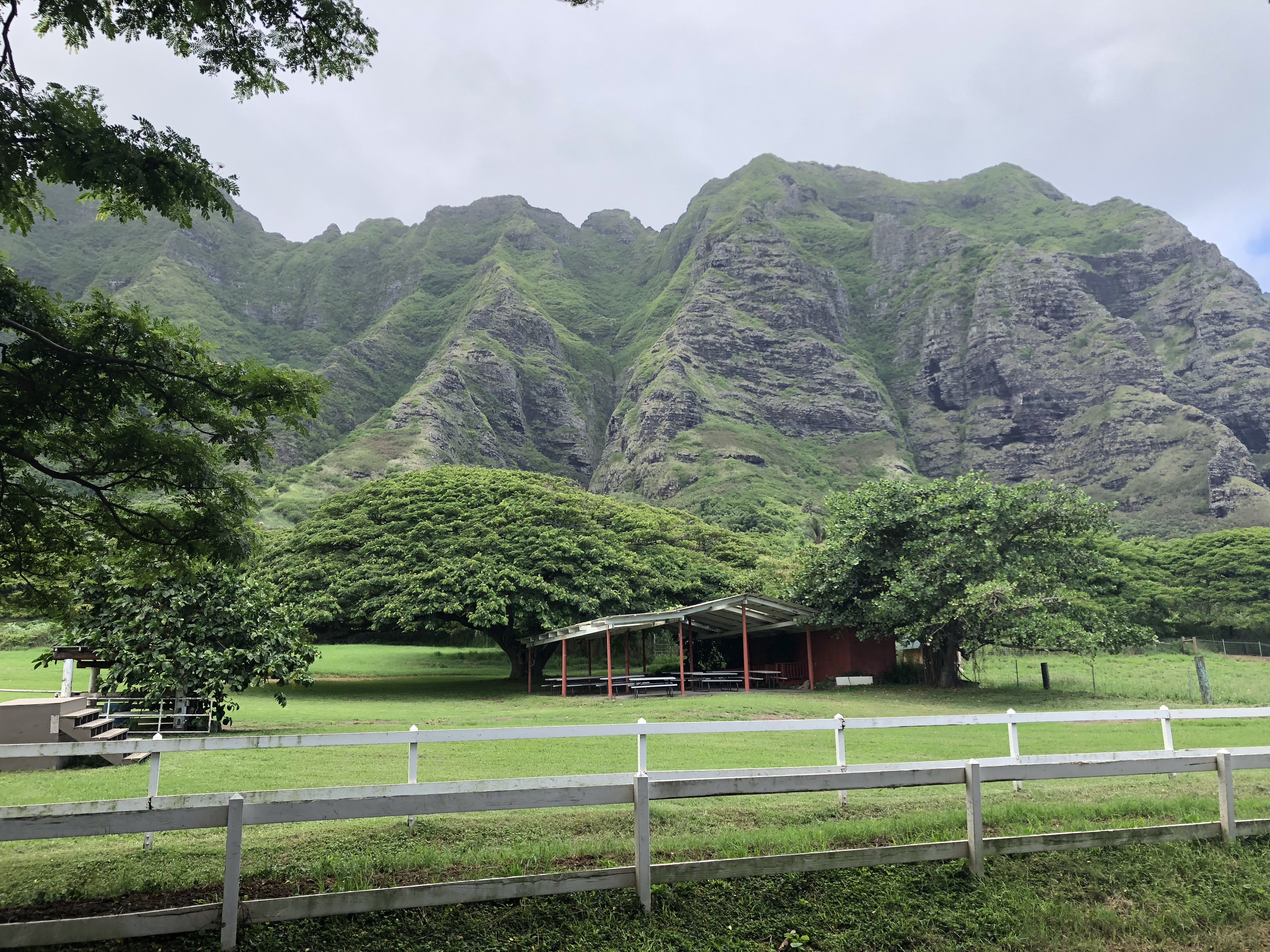
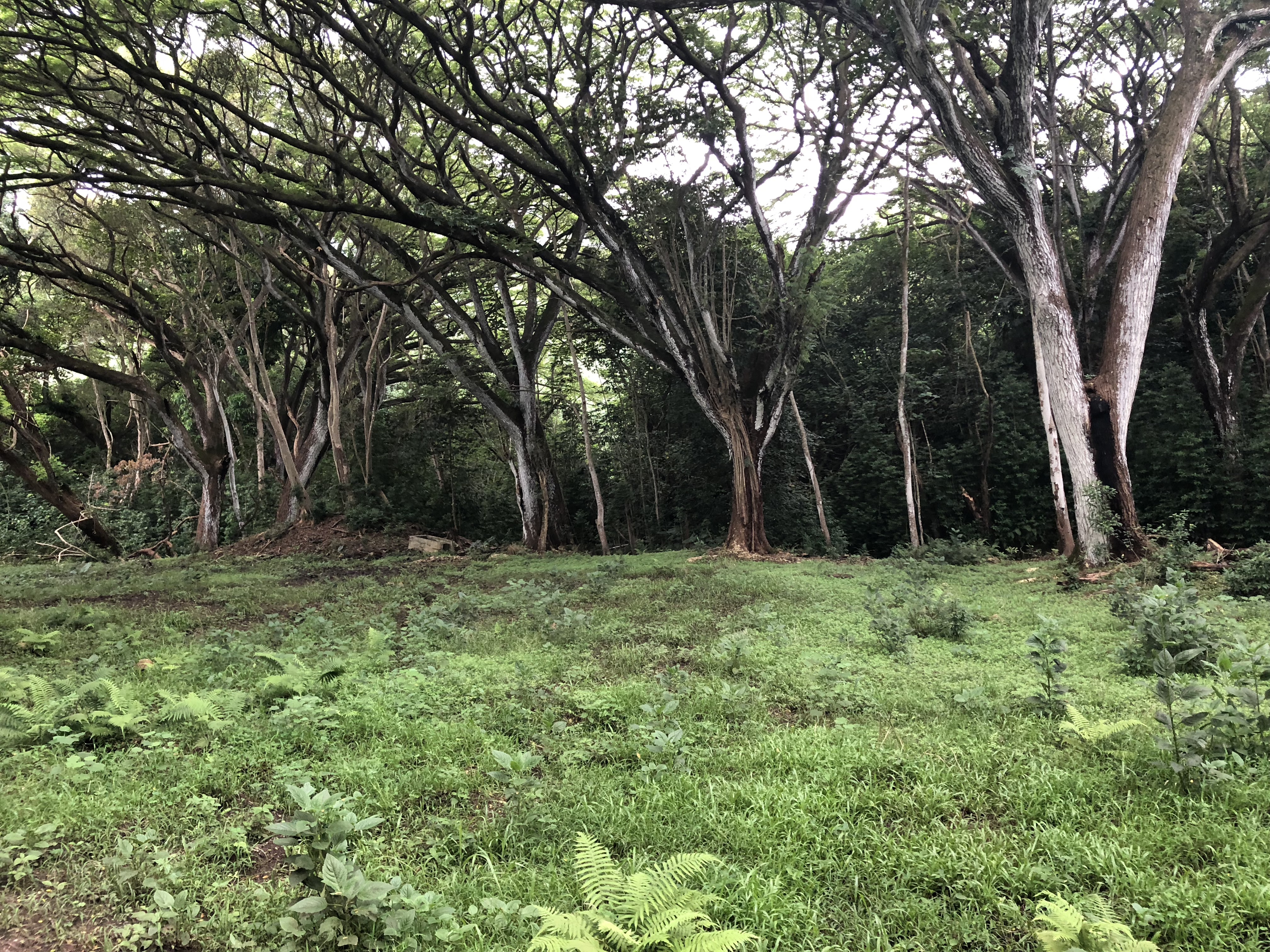
    Kualoa Private Nature Reserve is located on the island of O’ahu in Hawai’i. On 16 October 1974, it was inscribed on the National Register of Historic Places due to its political and religious significance. Today, the Reserve offers a diverse array of tourist experiences. Considering the location has been used for quite a few Hollywood films, it does attract a lot of tourism. To help manage the negative environemntal impacts caused by high tourist numbers, it was great to hear that the Reserve is engaged with multiple cultural and community sustainability initiatives. For example, there is a conservation program that sees volunteers remove invasive plant and fish species from their 800 year old ancient Hawaiian Moli`i fishpond. There is also a guarantee in place that there will be no property development on the site.

    IMG_6935
    Kualoa Private Nature Reserve

    I’m going to start with a history of the Reserve, then, go through the activities on offer. Finally, I’ll reveal which of the activities we selected. Oh the suspense.

    History of the Reserve

    Kualoa is regarded as one of the most significant locations on O’ahu for both political and religous reasons. It was once considered one of the most sacred places, a pu’uhonua or place of refuge. Hawaiian natives could journey to Kualoa in order to seek forgiveness and pray to the Gods. It also hosted the Makahiki, an annual event where Hawaiian natives came to train and participate in games of skill.

    In 1850, the decision was made to establish the Kualoa Company. Their aim was to preserve the sacred land and celebrate the site’s history. Today, the Kualoa Company continues this vision with the added promise of ensuring sustainable recreational, agricultural, and aquacultural enterprises. Part of this has included the continuation of a working cattle ranch with over 600 head of cattle, 120  horses and 200 sheep.

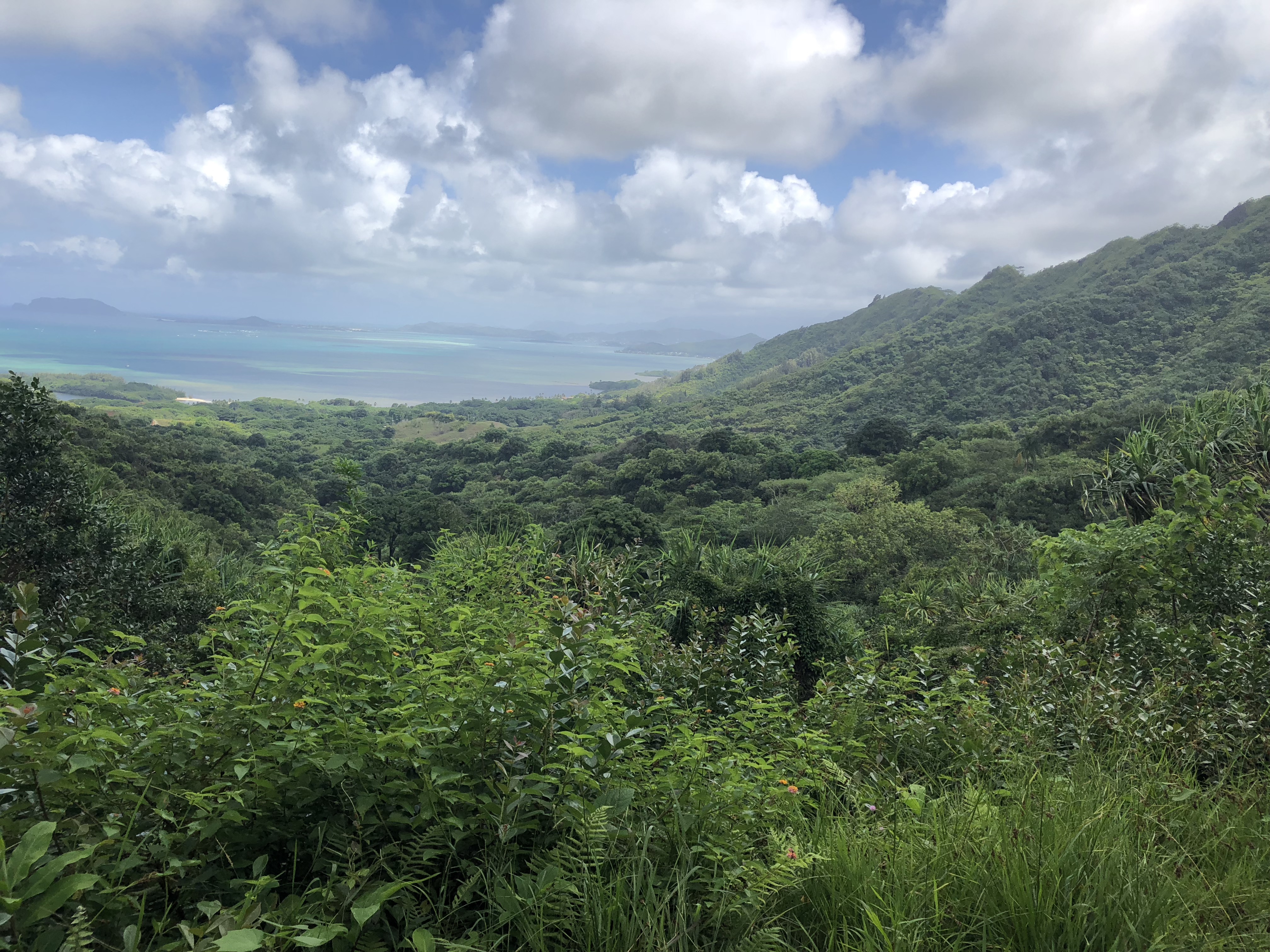
    When visiting the Reserve there are two locations on offer, the northern half and the southern half. The north is home to Ka’a’awa, nick-named Jurassic Valley. This is where you will find scenery used in over 50 Hollywood films. The south includes the Moli’i, an ancient Hawaiian fishpond, and Hokule’a beach or Secret Island.
    IMG_7024
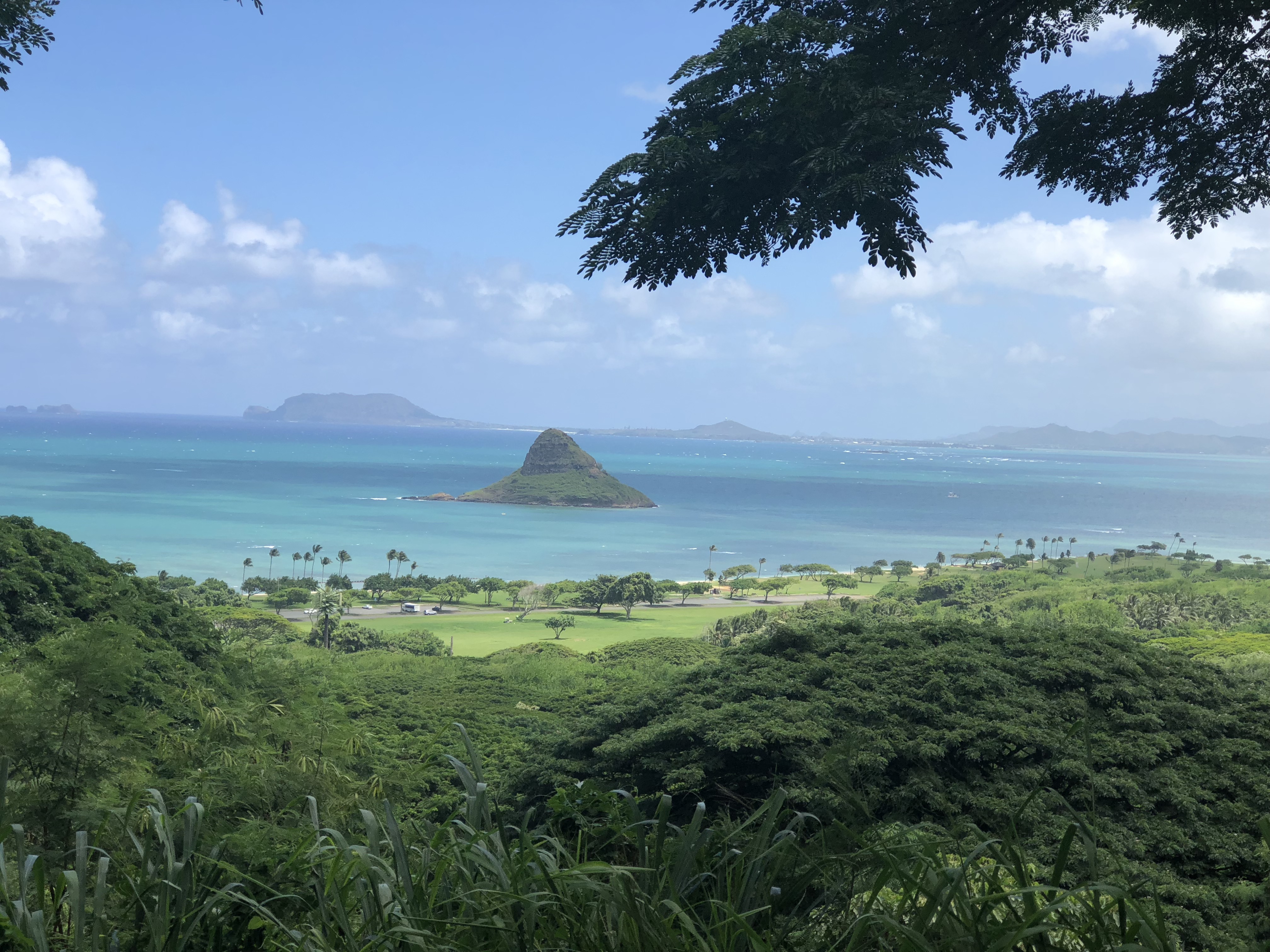
    The Moli’i Fishpond can be seen in the distance.

    Activities on Offer

    We had such a difficult time deciding how we were going to experience Kualoa. Here are the tours on offer:

    Kayak Adventure Tour – a 2 hour tour through Kane’ohe Bay marketed as a leisurely way to see some of the surrounding islands and the Secret Island.
    Multi-passenger UTV Raptor Tour – a 1 hour tour that takes visitors into the scenic valleys and remote areas. You drive your own UTV (Ultra Terrain Vehicle).

    Hollywood Movie Sites Tour – a 1.5 hour tour that explores where over 50 Hollywood movies have been filmed including Jurassic Park, 50 First Dates and many Elvis films.

    Jurassic Valley Zipline – a 2.5 hour tour where you can zipline over Ka’a’awa Valley and see, from above, native flora and fauna along with movie locations.

    e-Mountain Bike Tour – a 2 hour tour on an electric bike through Jurassic Valley.

    Ocean Voyage Adventure – a 1.5 hour tour of the bay from Secret Island.

    Taste of Kualoa – a 1.5 hour tour that focuses on the ancient Hawaiian fishpond. On this tour visitors learn about ancient fishing methods and taste some tropical fruits and fish.

    Secret Island Beach Activities – an all-day tour where visitors can stay on the Island.

    The Premier Movie Site Tour – a 2.5 hour tour that goes into more depth than the Hollywood Movie Sites Tour.
    Jungle Jeep Expedition – a 1.5 hour tour that ventures into the Hakipu`u Jurassic rainforest. It includes a bit of history and some movie sites.

    ATV Adventure Tour – either a 1 or 2 hour tour through valleys and remote areas.

    Horseback Adventure Tour – either a 1 or 2 hour tour on horseback through valleys.

    For someone like me who is incredibly indecisive, having this many options was intense. Not to mention I was thinking how on earth are these many activities going to be organised in the one location!

    Our Decision

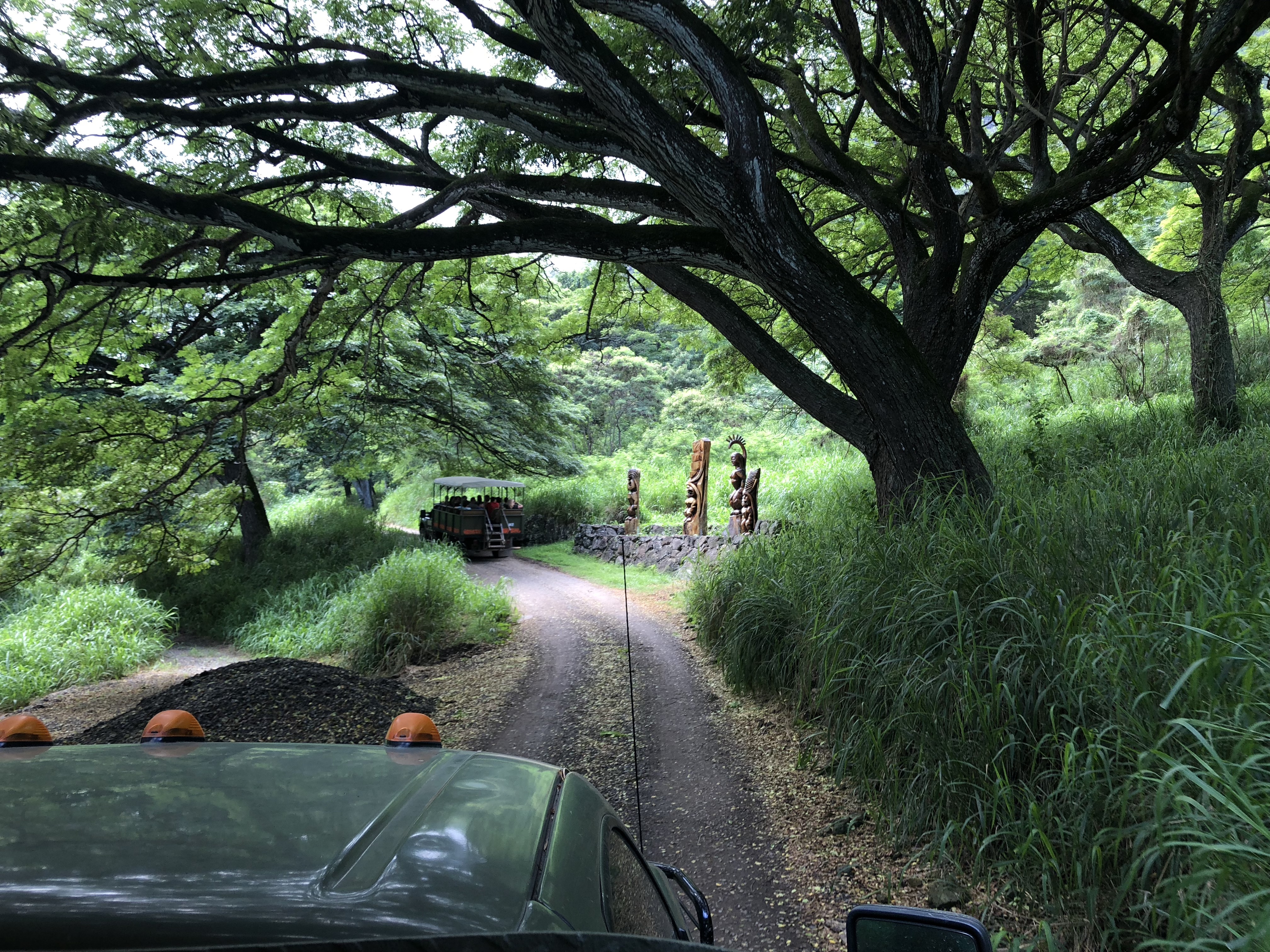
    We decided to go with the Jungle Jeep tour considering it balanced the history with the more commercial aspects, i.e. movie locations. In short, we were not disappointed. When we arrived at the Reserve, there was a central check-in location that directed you to a separate area to wait for your guide. There was little to no confusion as to where you must go and the whole process felt very organised and controlled. I can imagine that even with incredibly high visitor numbers, this would work exceptionally well.

    IMG_6939
    Kualoa Private Nature Reserve

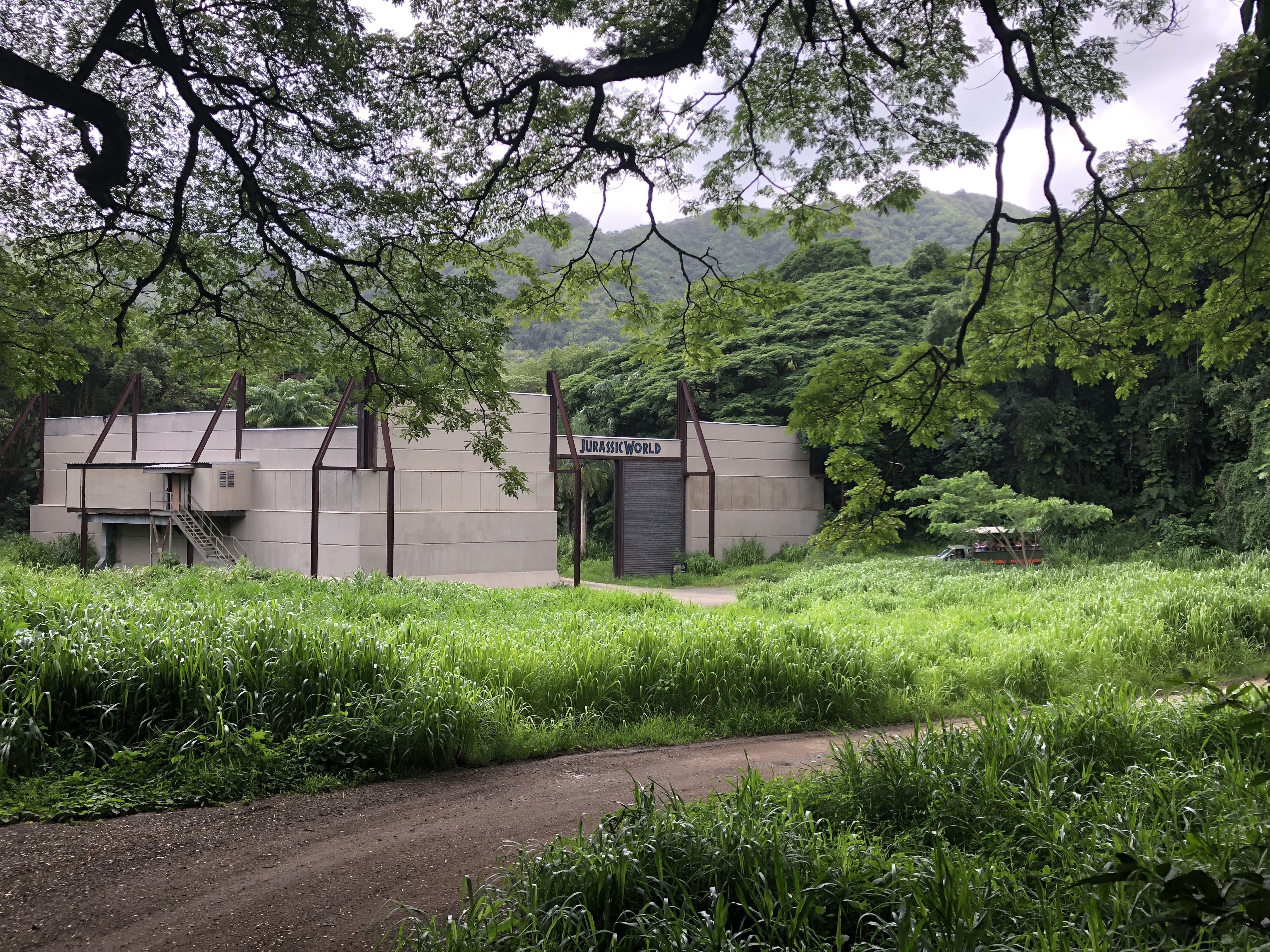
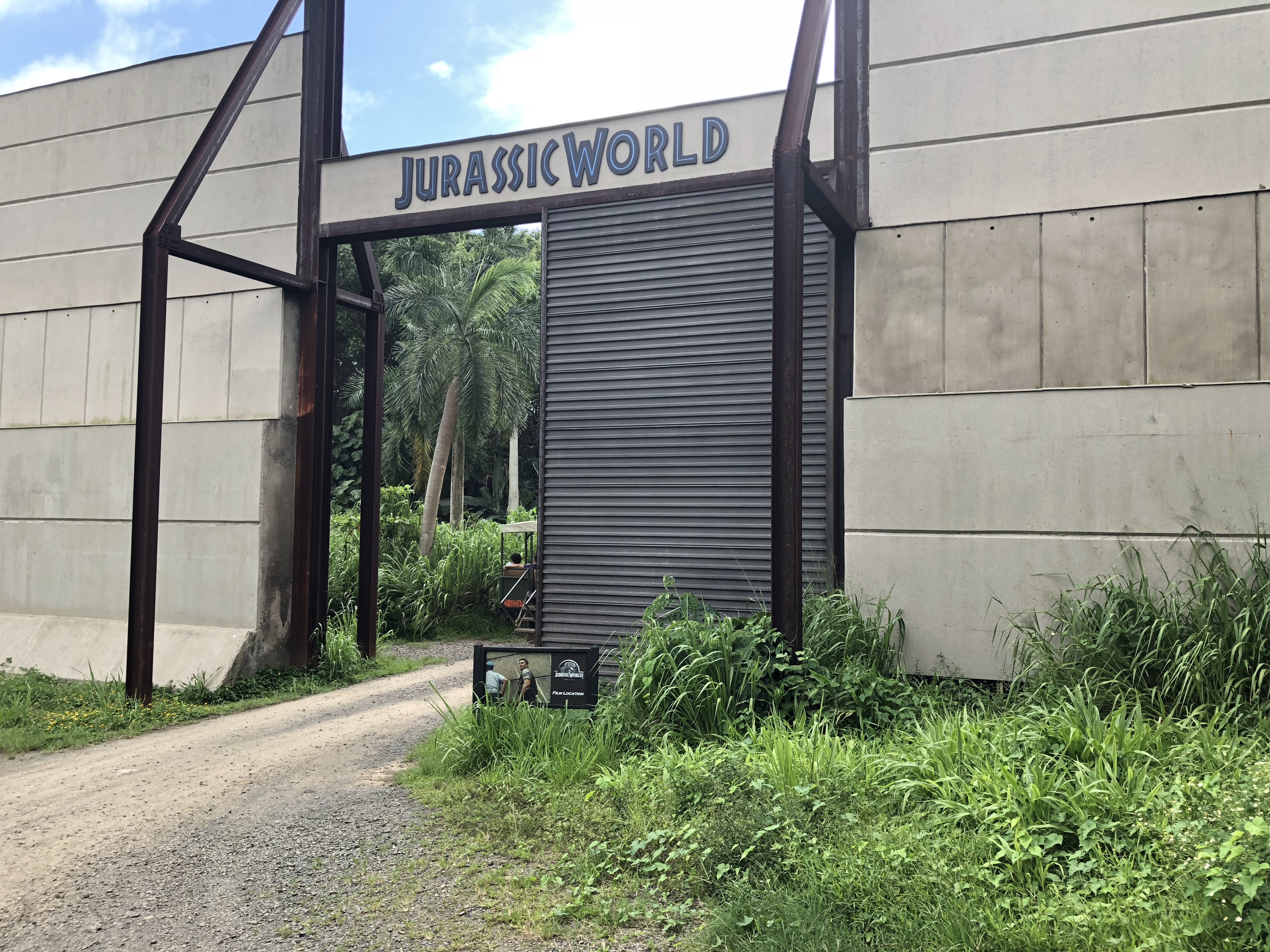
    The jeep was a lot of fun as well as being very informative. Our guide was amazing and revealed so much about ancient Hawaiian history. There was one location where we were able to taste some different native fruits and even wash our hair with a plant (I have since forgotten its name). Also, for the record, I completely freaked out seeing the Jurassic World gates. Dinosaurs have been a constant love in my life so this was quite exciting to see. Sometimes I need to take off my reviewer’s hat and enjoy things for what they are – I’m only human.

    I’ve included some photographs below that have tried to capture the beauty of Kualoa.

    IMG_6941
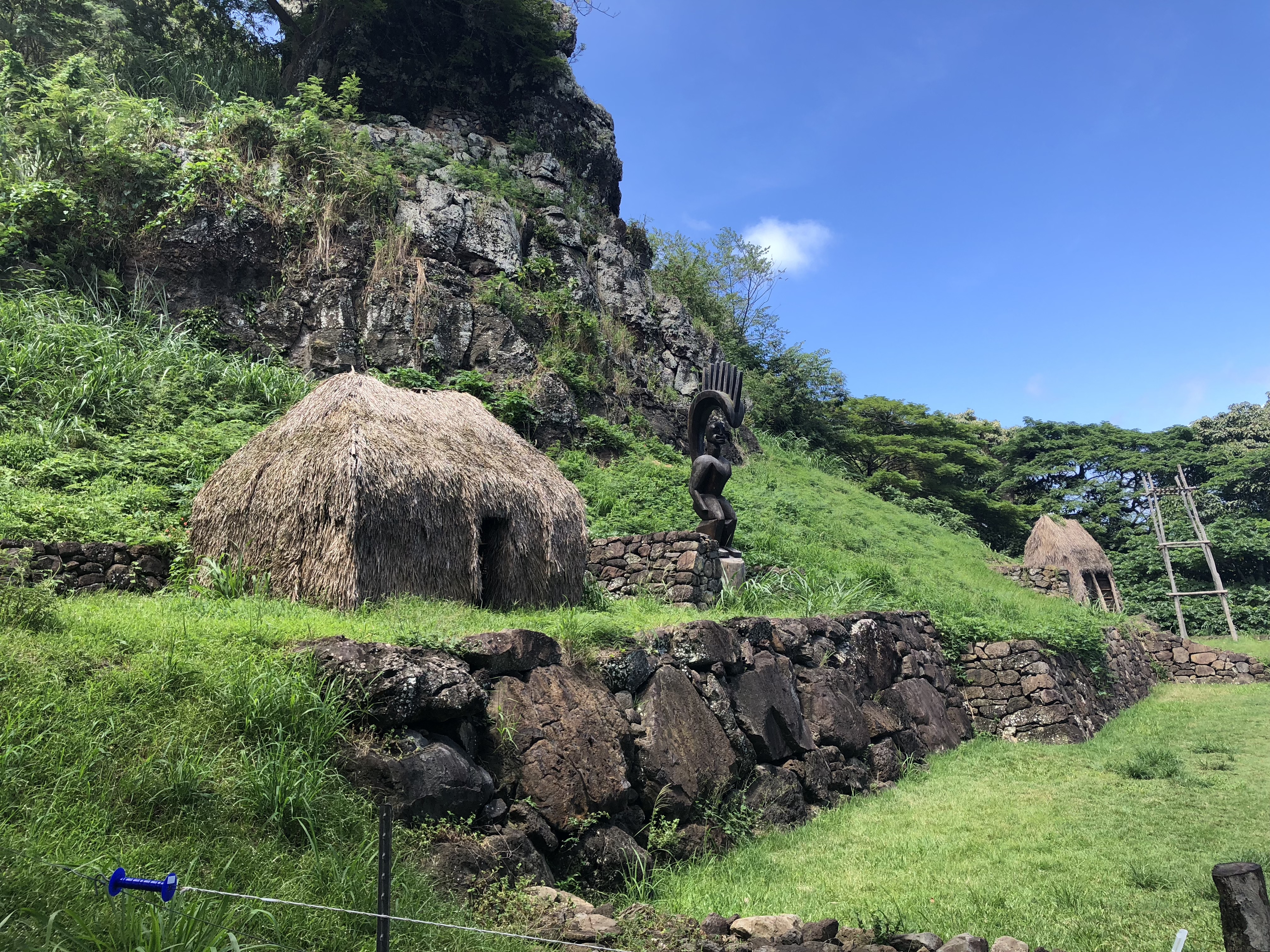
    Replica statues of the Gods including Kū, God of war and prosperity.
    IMG_6948
    Mokoliʻi Island (referred to also as Chinaman’s Hat island due to its shape).
    IMG_6958
    Kualoa Private Nature Reserve
    IMG_6984
    My heart rate was high.
    IMG_6993
    Jurassic World
    IMG_7008
    Kualoa Private Nature Reserve

    I would recommend this particular tour for anyone who wants to combine some history with some thrills. Considering there are so many tours on offer, you could feasibly come to Kualoa for an in-depth history experience or to just sit on the beach and have a relaxing day. Either way, you are experiencing the heritage of the location and engaging with a significant historical place.

    IMG_7027
    Kualoa Private Nature Reserve

    If you are interested in seeing Kualoa’s inscription on the National Register of Historic Places then click here. There is an amazing black and white photograph of the area in the 1970s.

  • Los Angeles: Santa Monica Pier

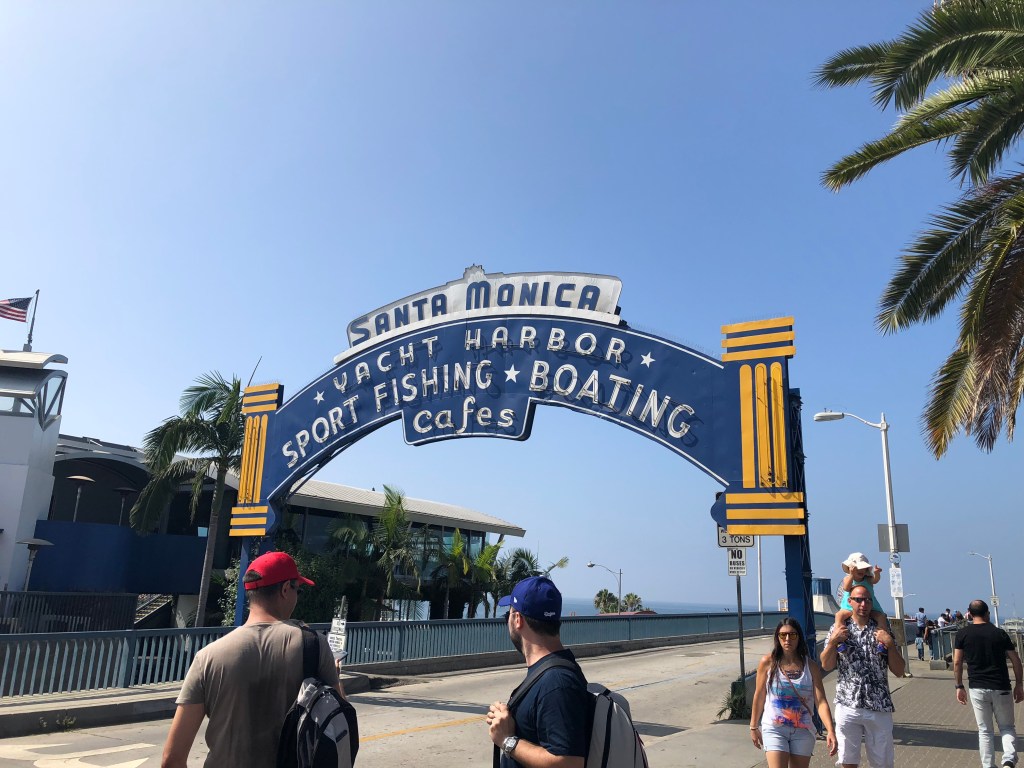
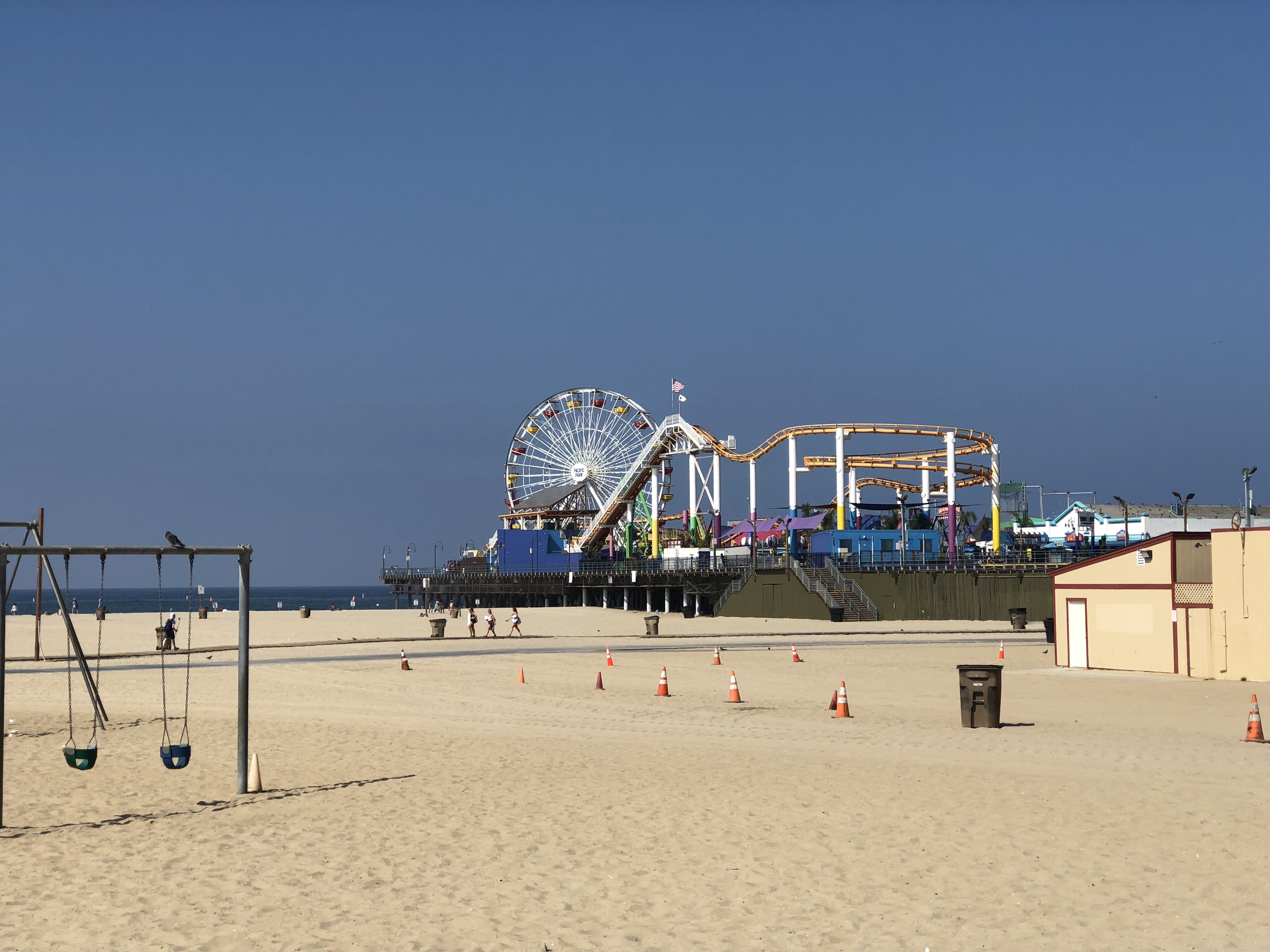
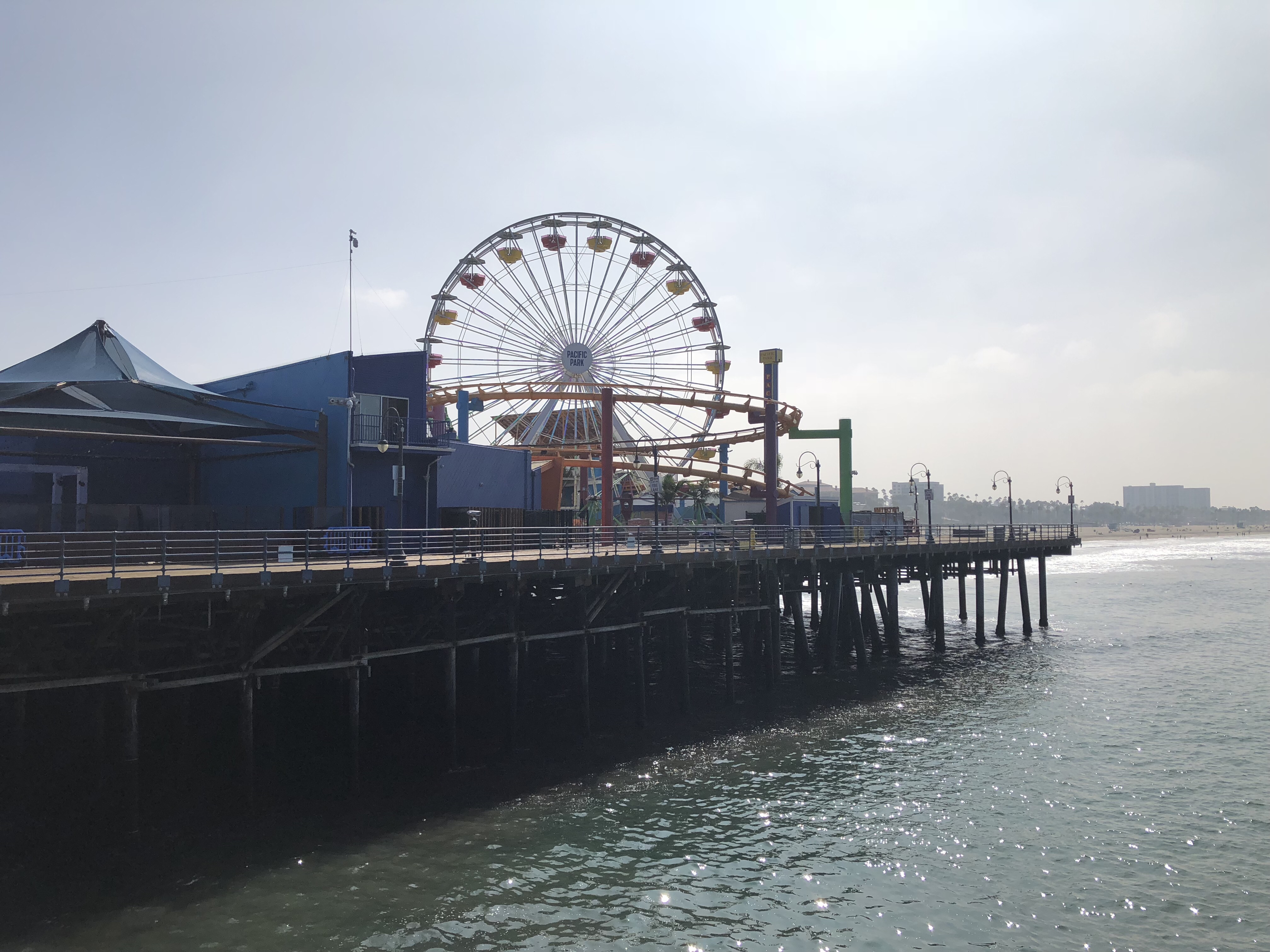
    Although it has been just over a month since returning from America, I still have a couple of blog posts to write. The first is all about Santa Monica Pier. I had to spend quite a bit of time researching its heritage status. From what I’ve discovered, the Pier itself and its historic entrance sign are yet to be registered on the National Register or California Heritage Register. They have, however, been acknowledged by the Santa Monica Conservancy and appear on the City of Santa Monica Historic Resources Inventory as Santa Monica Historic Landmarks.

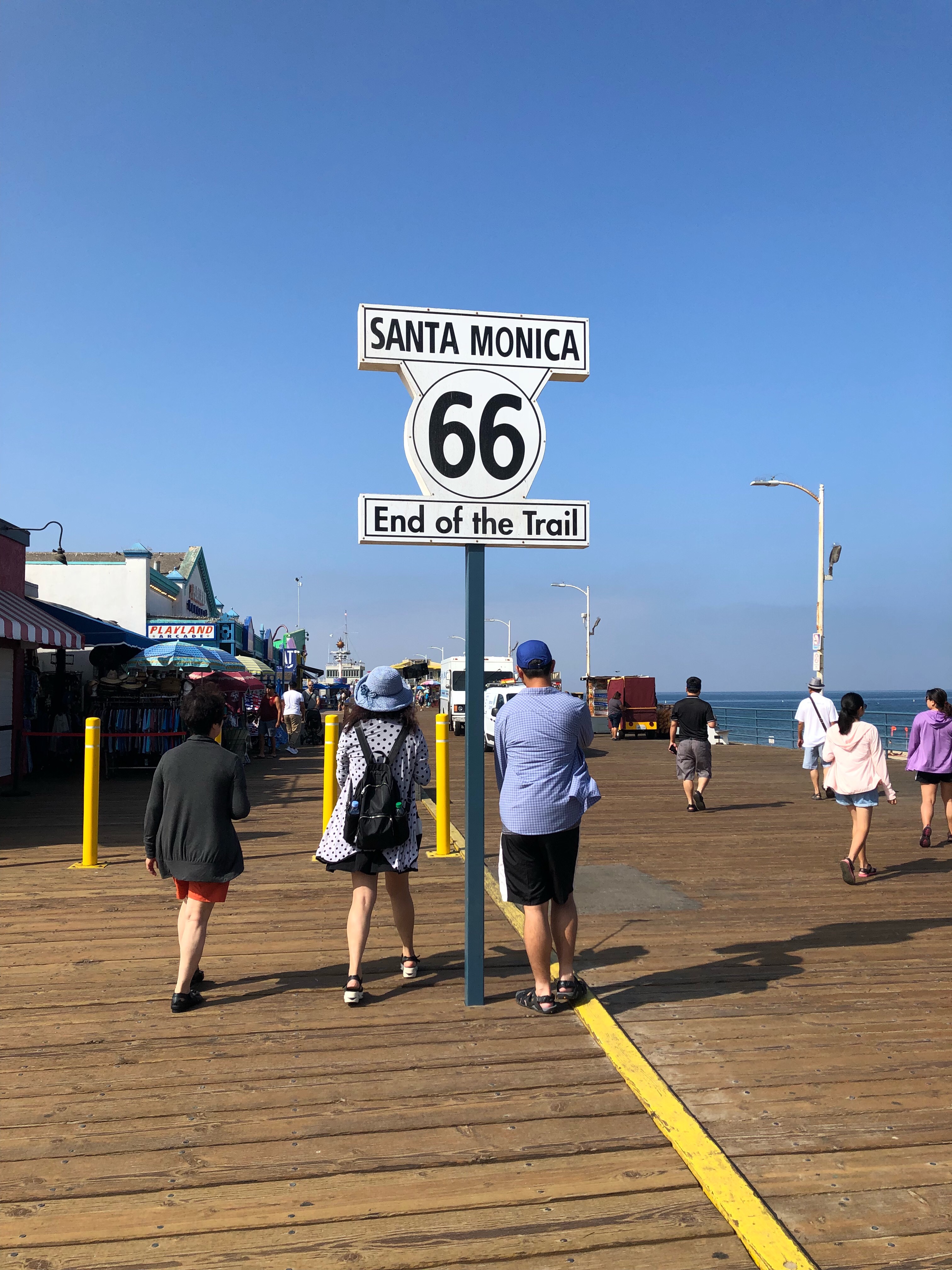
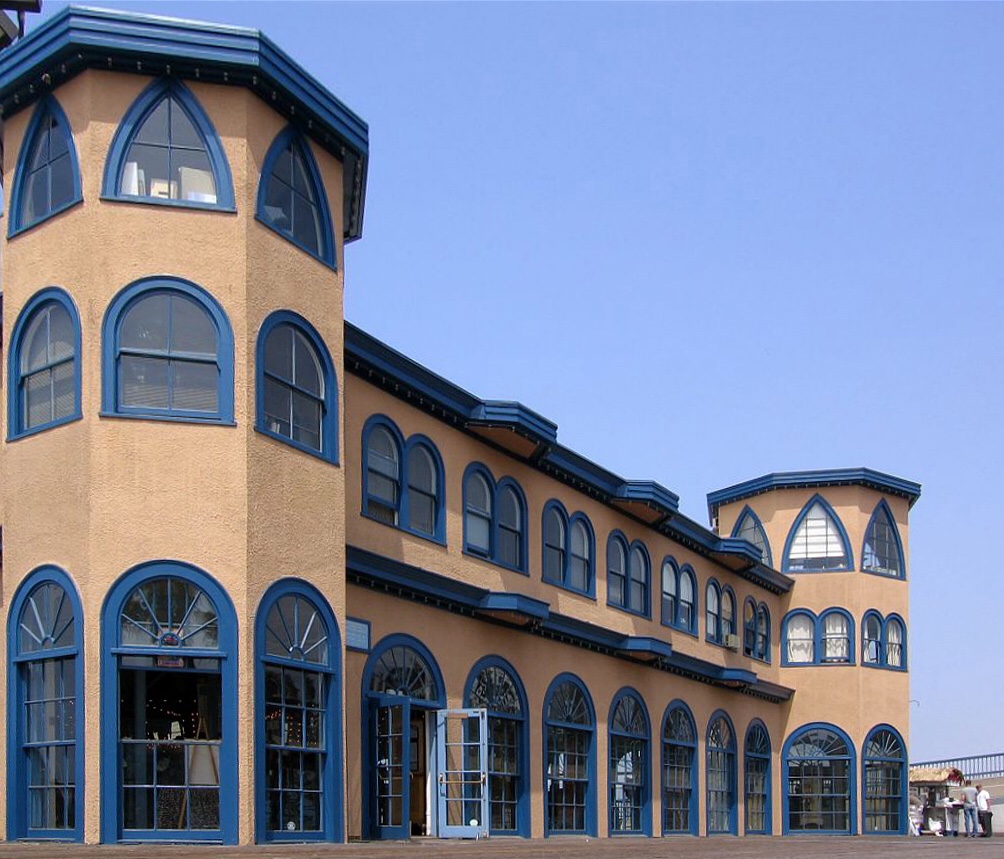
    On the Pier, however, there is a National Heritage listed building and a historic monument – the hippodrome and the original end of Route 66 roadsign respectively. The Route 66 sign has been added to the World Monuments Fund, a private nonprofit organisation promoting the ongoing conservation of cultural heritage sites. The Hippodrome building, originally housing the Pier’s Carousel, was the first building in Santa Monica to be registered as a National Historic Landmark. It was listed for its eclectic architectural style and cutlural memory.

    Santa Monica Pier
    Image from Wikipedia

    History of Santa Monica Pier

    Santa Monica Pier opened to the public on 9 September 1909. Originally, the Pier was built to cater to the sanitation needs of Santa Monica. Within only a few years, however, the purpose of the Pier was set to transform. Firstly, it attracted members of the fishing community who would regularly fish off the Pier. Secondly, it sparked the imagination of those wishing to build an amusement park in the area. In 1916, Charles Looff purchased land south of the Municipal Pier turning it into a place for entertainment and family fun. Looff died in 1918. His family continued to run the Pier which included overseeing the construction of the famous Carousel in 1922. The amuseument park was eventually sold to the Santa Monica Amusement Company who expanded the Pier’s ‘thrill rides’ and added the La Monica Ballroom.

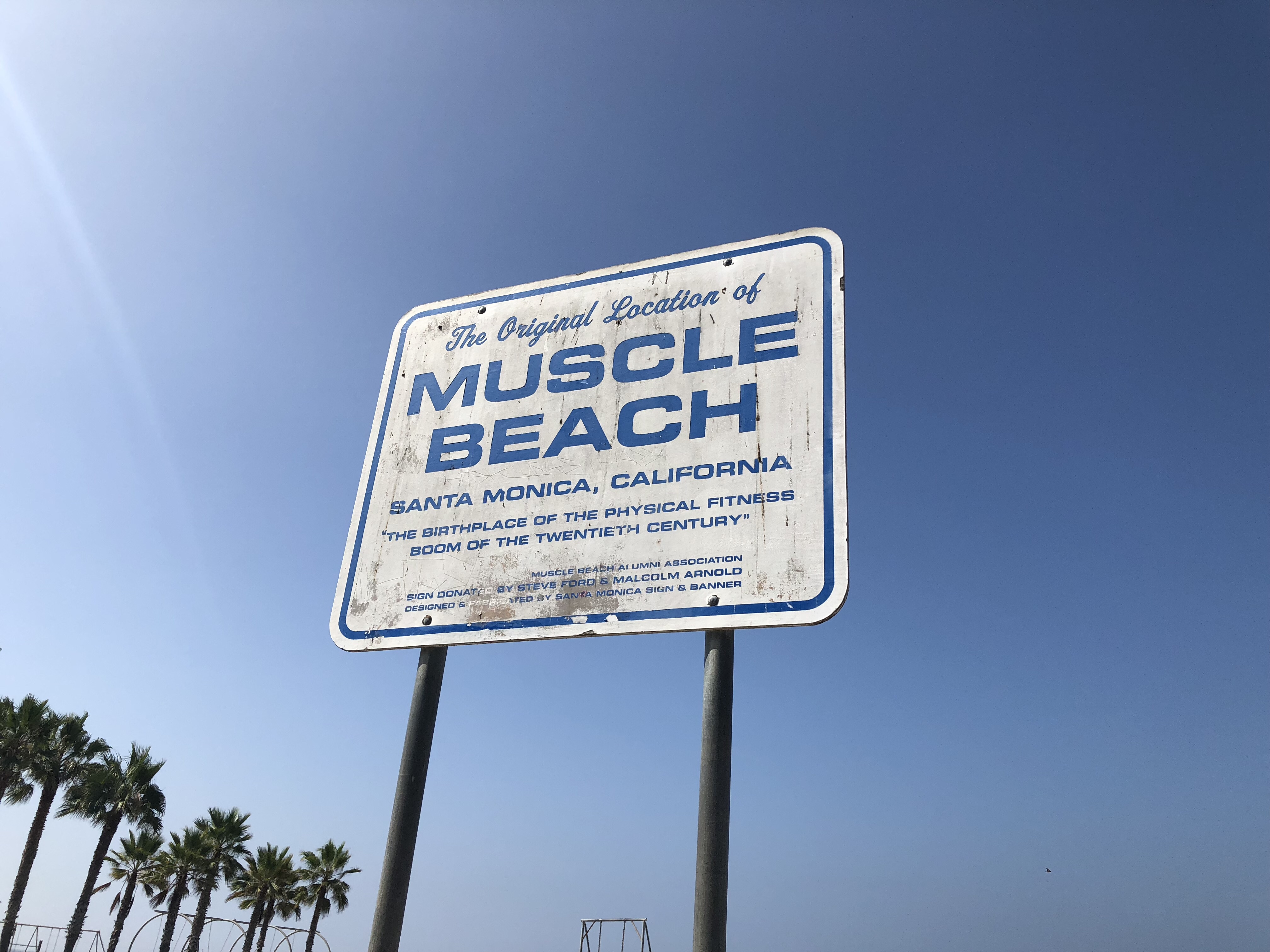
    Sidenote – it was also during this time, the 1930s, that ‘Muscle Beach’ was formed, cementing Santa Monica as the birthplace of the physical fitness boom.

    Santa Monica Pier Muscle Beach

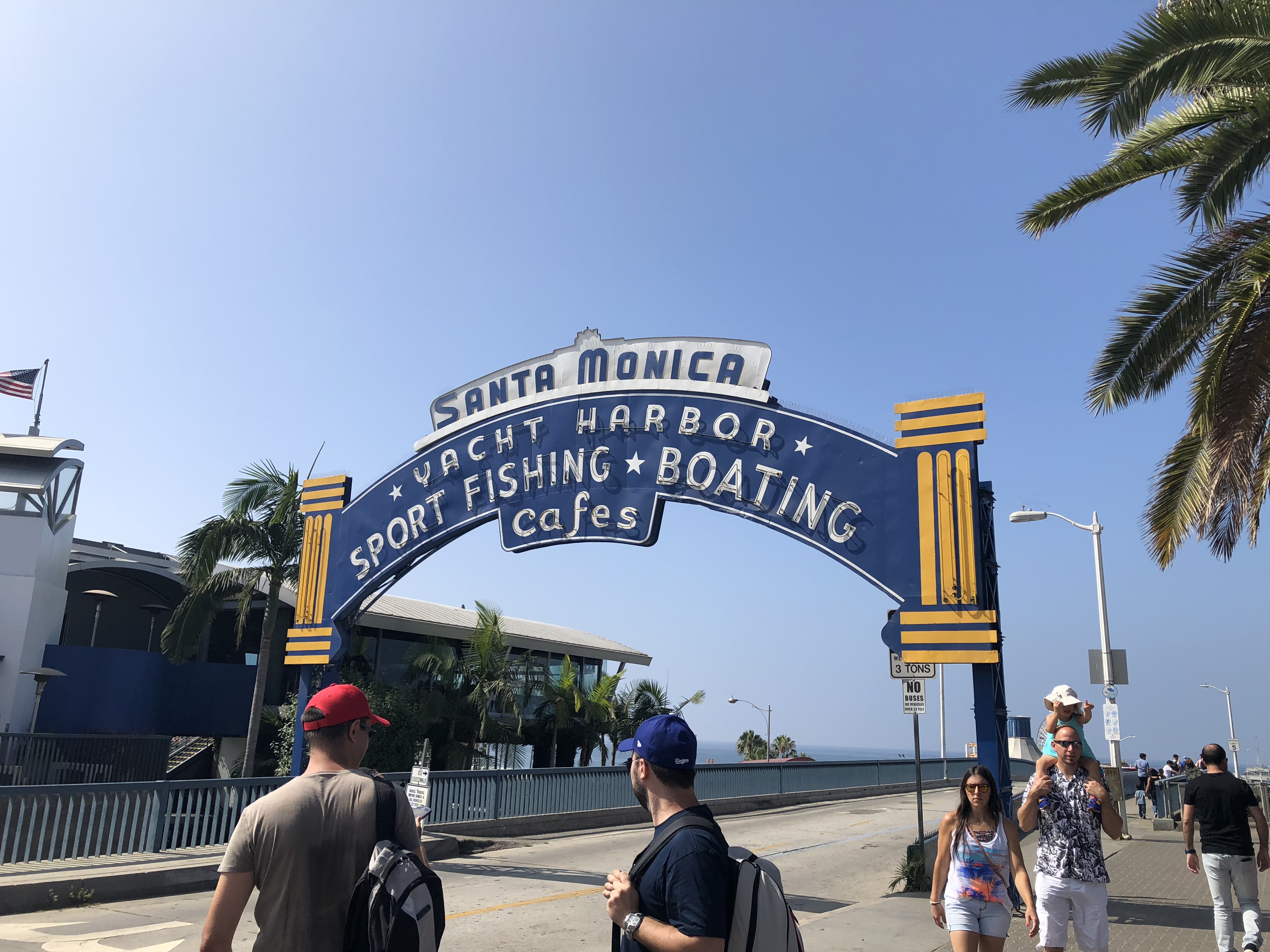
    Before selling the Looff Amusement Pier to Walter Newcomb in 1943, the Santa Monica Businessmen’s Association installed the famous neon entrance sign. Newcomb owned the pier until the 1970s when it was sold to the City of Santa Monica.

    img_6429
    Santa Monica Pier

    Unfortuantely for the Pier, the allure of theme parks such as Disneyland meant visitation numbers were slowly falling from about the mid-1950s. As with so many other tales of heritage, the original idea was to demolish the Pier in 1973 and create an island resort. This is where the story really begins to warm my heart. When citizens of Santa Monica discovered the fate of their Pier, there was a huge outcry. After a huge amount of publicity and a successful petition, the Council had no option but to cancel all island resort plans. Three councilmen who voted for the island were defeated in their run for re-election, replaced by individuals who wanted the Pier to prosper.

    The passion to save the Pier never dwindled. Even after a few destructive storms that wiped out over one-third of the Pier in 1983, the Pier Restoration and Development Task Force oversaw its reconstruction. By the 1990s, it had been fully reconstructed and was open to the public. The Pier that was going to be demolished to make way for an island resort now welcomes over four million visitors annually.

    Santa Monica Pier

    Santa Monica Historic Landmark Listing

    The City of Santa Monica was recognised in 1982 by the State Office of Historic Preservation. Part of this means they must keep an inventory of their historic buildings – the Historic Resources Inventory.

    The Santa Monica Pier and its sign were two of the first landmarks to be listed in the Historic Resources Inventory. Their next step is to get them listed on the National Register for continuing assurance of preservation and protection.

    Santa Monica Pier
    Santa Monica Pier

    My Experience of the Pier

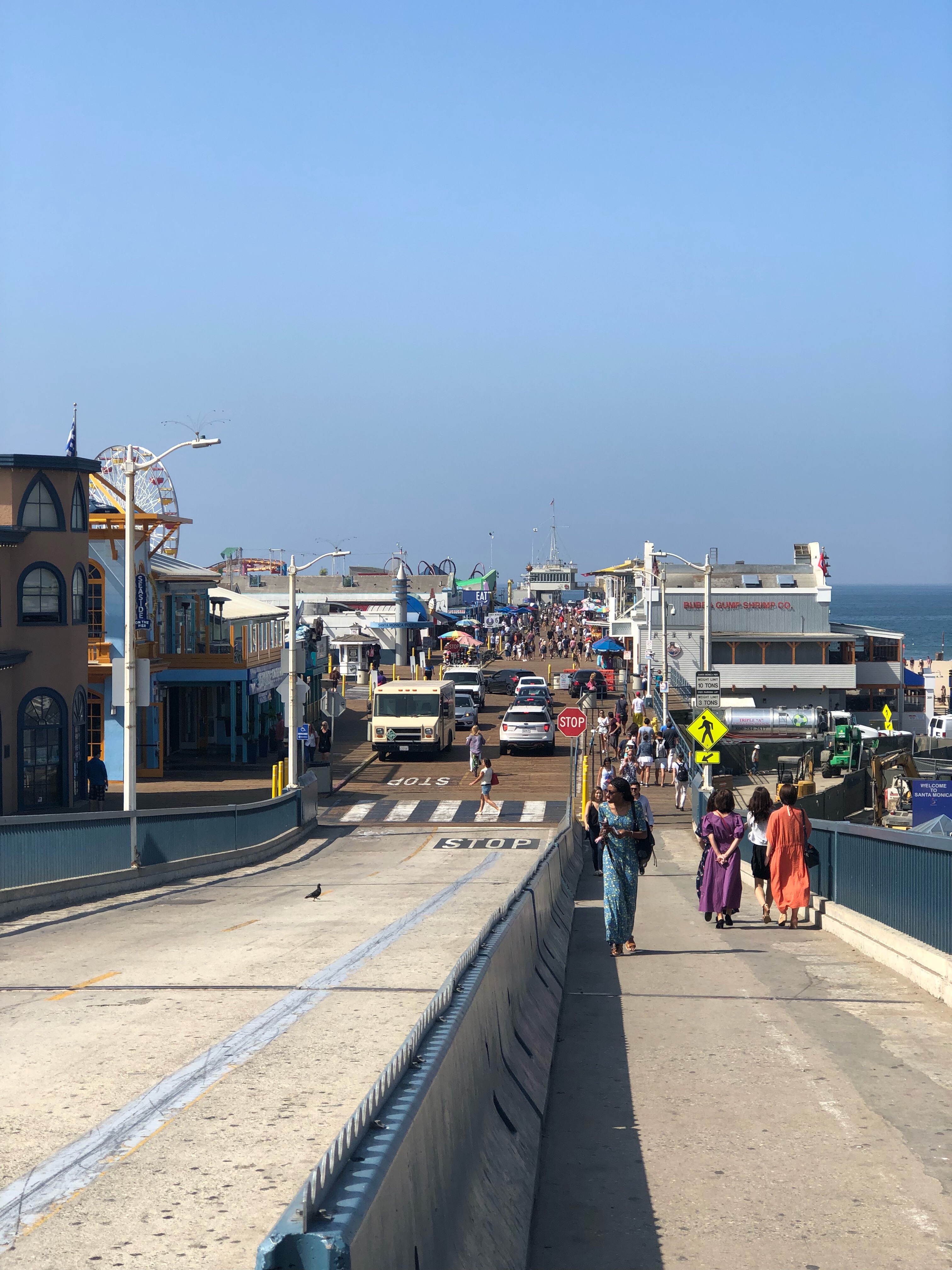
    I wish I knew all this history before visiting the Pier. Still, we had a really enjoyable time seeing the amusement park and posing with the Route 66 sign. We spent most of the morning just walking up and down the Pier. Around lunchtime, it became unbelievably busy and we decided to leave.

    Santa Monica Pier

    It’s worth mentioning that not only was the Pier bustling with tourists, but also, those who had come to fish and families from Santa Monica who were bringing their kids to the amusement park for the day. Its purpose in the 1920s and 1930s has perservered. Despite almost being closed numerous times, it was amazing to actually experience the living heritage of the site.

    If you are looking for a historic day out then look no further than Santa Monica Pier. Especially if you are wanting to see a more traditional amusement park. You can even still ride the carousel (not the original that was sold, but, still one that is pretty old) for $1. The cheapest day out in Los Angeles!

    It is quite easy to get to the Pier. Options include the Expo Line Metro that will take you right to the beach and to the Pier. There are also a series of buses that run from areas around Los Angeles.

    I just want to say researching for this blog entry has been intense. I really did not expect to find such a rich history of Santa Monica Pier. The people of Santa Monica are just continually fighting for their heritage. So much so, they were awarded the Preserve America award in 2005 for their commitment to preservation. This blog has encouraged me to research a bit more before visiting places to see what stories I can uncover and keep in mind when walking around.

    Information for this post was sourced from:

    http://www.latimes.com/la-me-santa-monica-pier-history-pictures-photogallery.html

    http://www.smconservancy.org/preservation-resources/santa-monica-preservation-policies/historic-resources-inventory/

  • Brisbane: Museum of Brisbane

    A while back I visited the Museum of Brisbane to see an amazing talk on convict tattoos. I promised to return and see the exhibition Life in Irons before it closed at the end of October. I honestly don’t know how time goes so quickly, but, I managed to pop in after work today to explore the exhibition in full.

    IMG_7786
    Life in Irons Exhibition Entrance

    History of Moreton Bay Colony

    As you walk into the exhibition space you are greeted with a short thematic panel tracing the origins of the Moreton Bay Penal Colony, later Brisbane. To cut a long and complex story short, if convicts re-offended in Sydney they were sent to Moreton Bay where the remoteness and harsh conditions were intended to instil fear into them. Often Queensland is romanticised as the Sunshine State where you can swim at the beach all year long. Reading how this kind of environment can work against you was refreshing.

    Between 1825 and 1839, approximately 3 000 convicts and 800 soldiers called Moreton Bay home. I will add here that the dates are contentious and many disagree with the start and end date of the colony. These years are what was quoted on the thematic panel. All that remains to tell this history are a few paper documents held in the Queensland State Archives and two buildings, the Windmill and Commissariat Store.

    I mentioned in my convict tattoos post that there are many resources out there that allow you to really see what life was like as a convict in Moreton Bay. I strongly encourage you to have a read. There are some fascinating stories, especially of interactions between convicts and Indigenous populations.

    Speaking of which, around the corner from the entrance was a map representing Indigenous Brisbane which was painted on the wall. A reminder that what we now call Brisbane wasn’t ‘discovered’ in 1825.

    Map of Brisbane

    Digital Integration

    As so few objects from this period remain, the exhibition was not object heavy. Sure there were quite a few archival documents on display, but, there really weren’t that many.

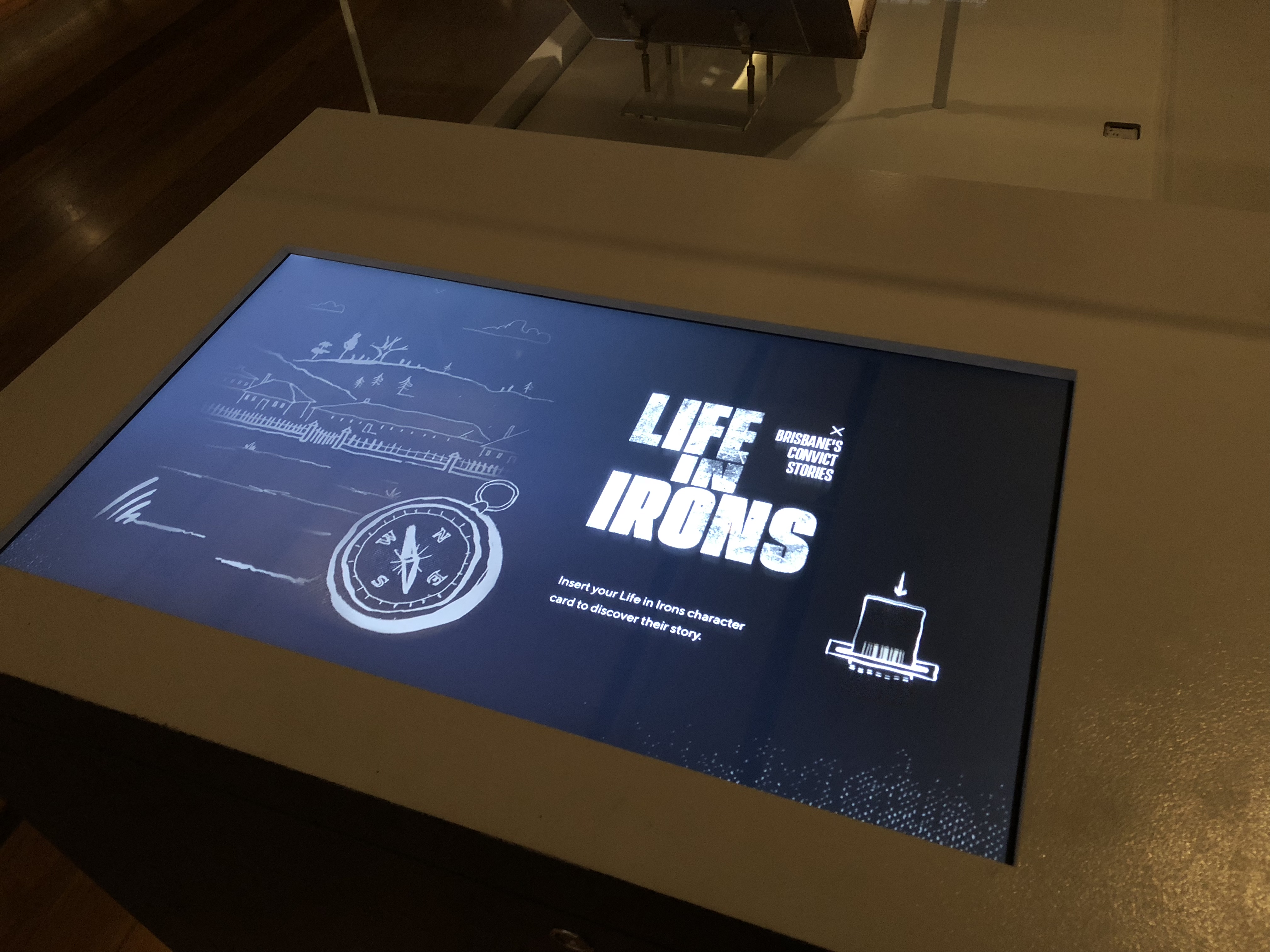
    Instead, it appears the decision was made to integrate objects with technology and allow visitors to follow the life of someone in the Moreton Bay Colony. Special interactive cards were at the entrance each representing a different individual. I chose Mary Mcauley.

    Story Cards

    There were approximately five stations dotted around the exhibition where you could scan your card and read part of their story. It was well matched with what was on display. For example, near the plans to the Female Factory, it was revealed that Mary eventually became its matron.

    Interactive Screen
    Interactive Screen

    Favourite Objects

    Here were my four favourite archival documents on display:

    1. Plan of the Female Factory

    Plan of the Female Factory

    This plan was drawn in 1837. The purpose of the Female Factory was to separate female convicts and engage them in more domesticated tasks such as mending uniforms and cooking.

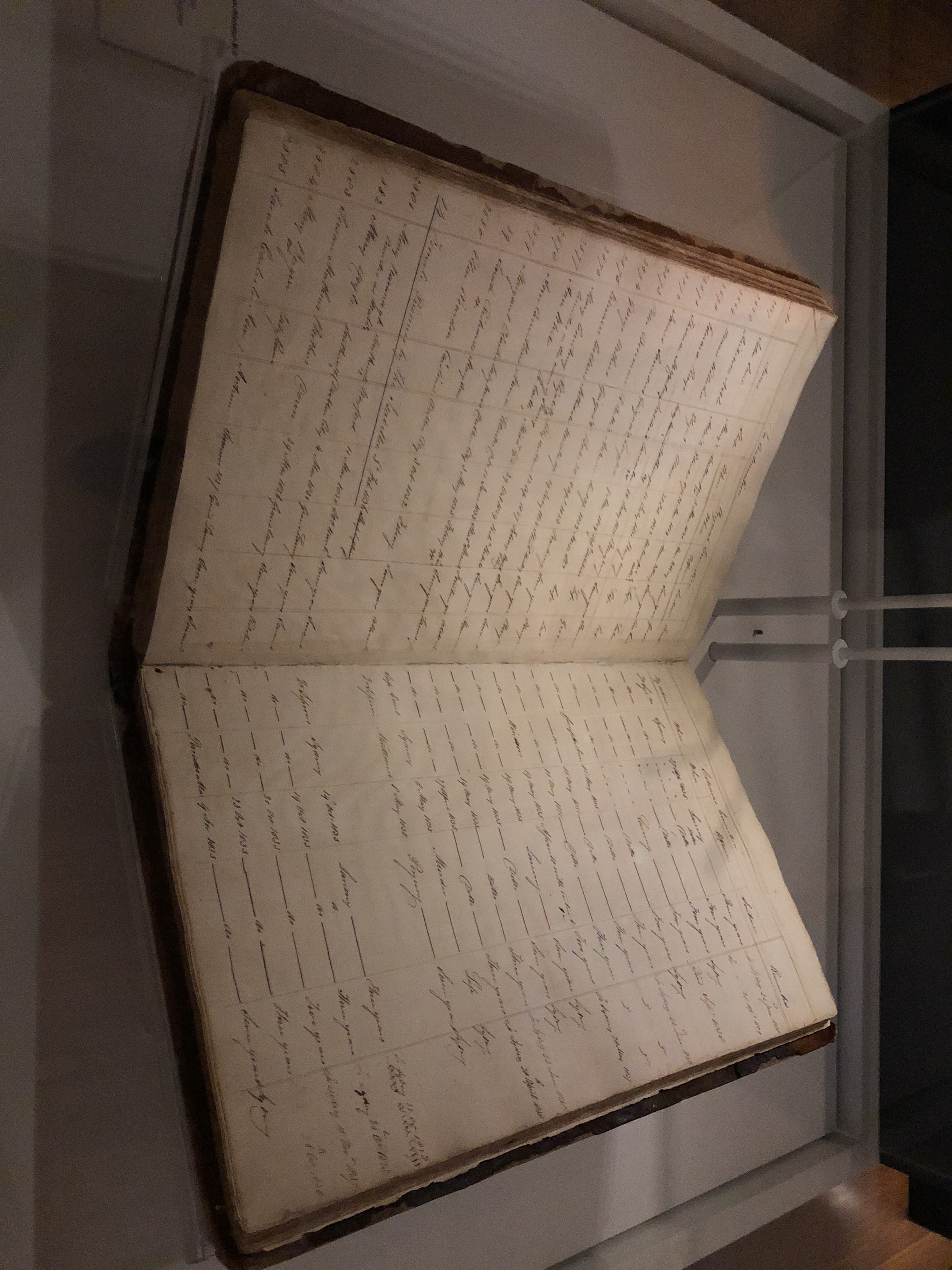
    2. Chronological Register of Moreton Bay Penal Colony convicts

    Chronological Register of Moreton Bay Penal Colony convicts

    This document is pretty self-explanatory containing the names of all Moreton Bay Penal Colony convicts.

    3. Book of Trials from the Moreton Bay Penal Colony

    Book of Trials from the Moreton Bay Penal Colony

    A great document outlining some of the punishments delivered in the Colony. Whippings were frequent occurrences.

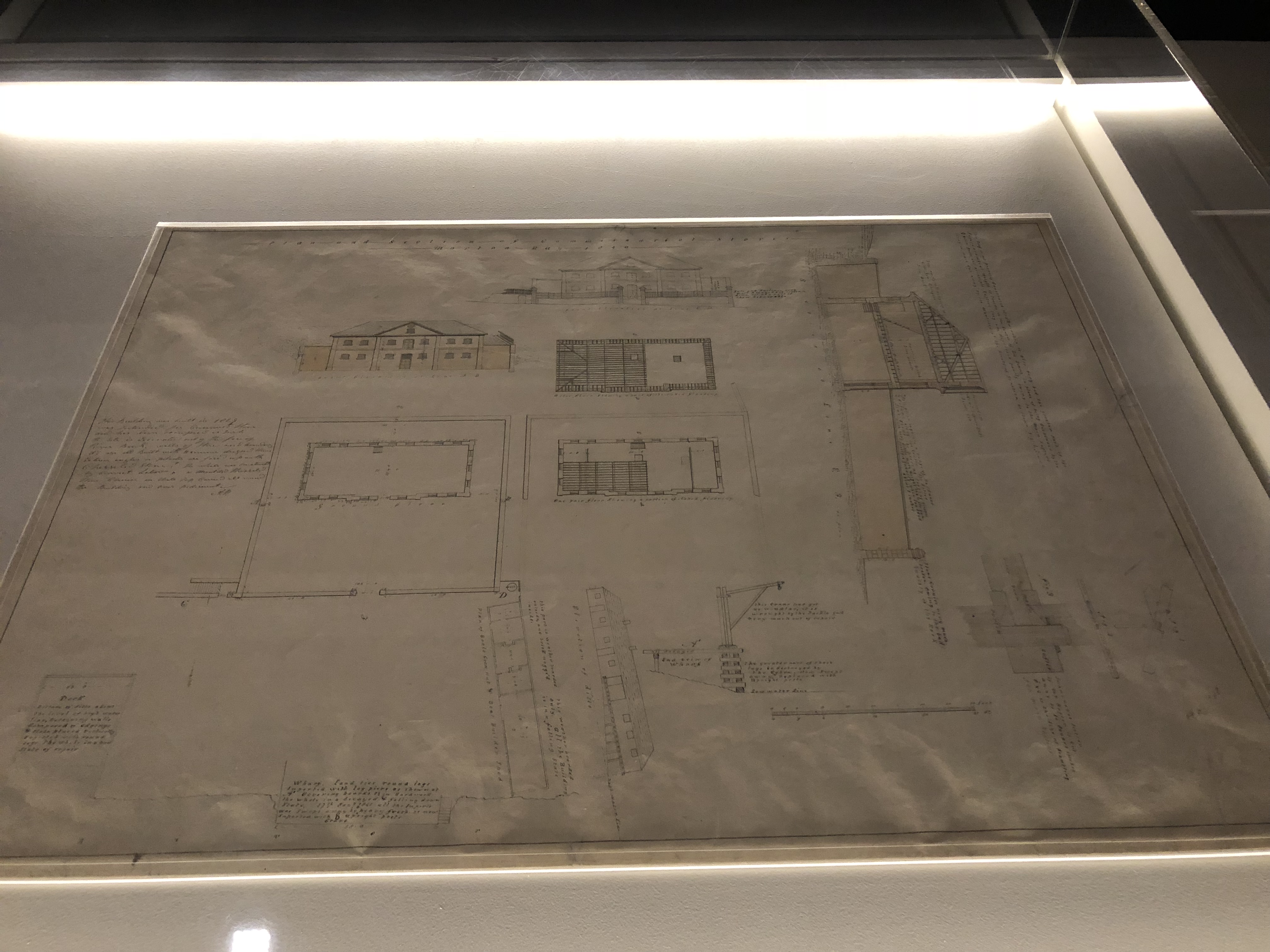
    4. Plan for the Commissariat Store

    Plan for the Commissariat Store

    Considering the Commissariat Store building continues to exist, it was especially interesting to see the original plans.

    I wish I could transcribe the handwriting in the register and trial documents, however, it was quite difficult to decipher. The mere fact that they remain, allows those who were sent here to not be forgotten.

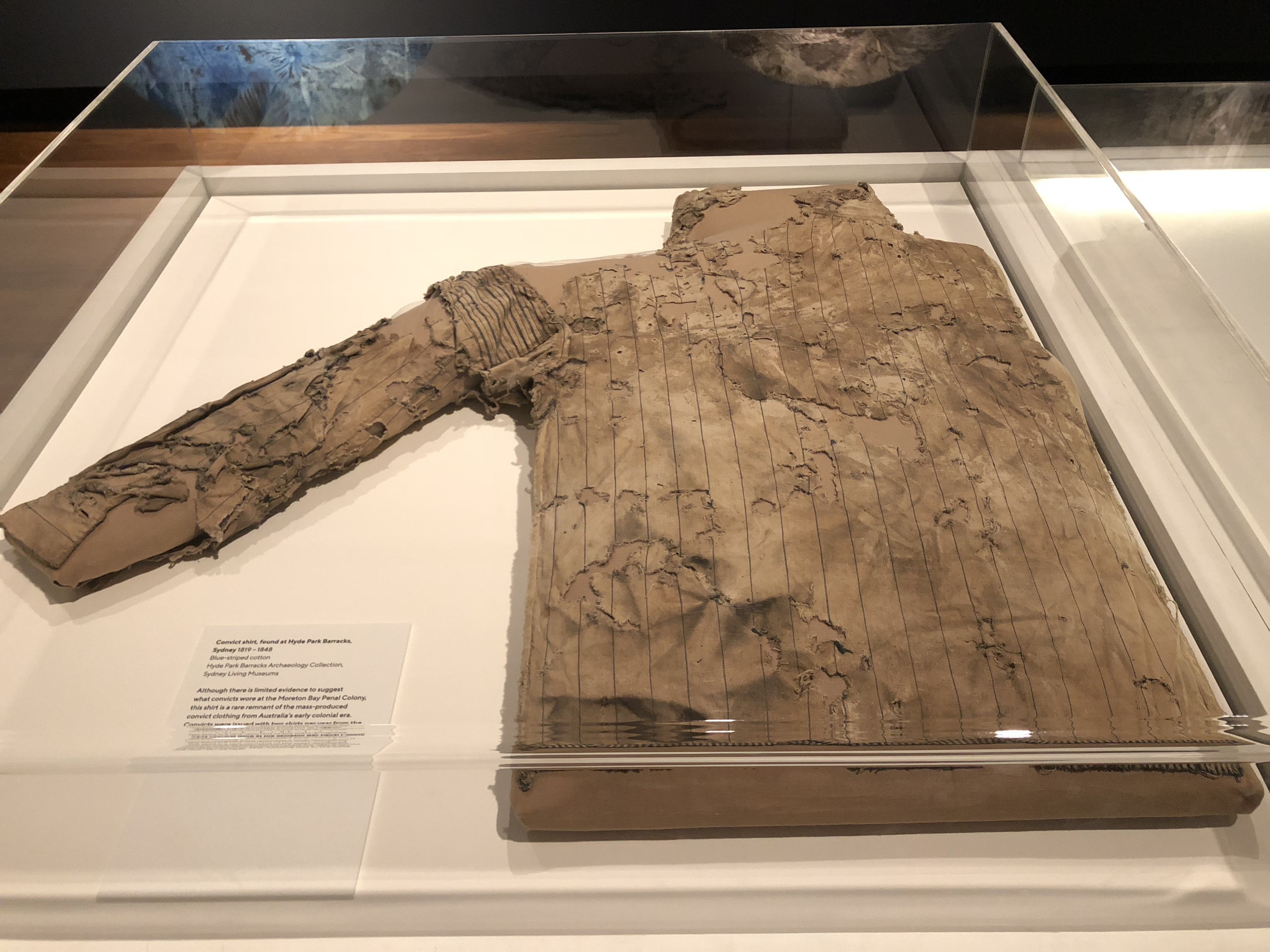
    There was a convict uniform on display that had been excavated underneath Hyde Park Barracks in Sydney. Without reading the label, it would be easy to assume this material memory had survived. Unfortunately, however, no uniforms have survived from Moreton Bay and it was on display as an example of what the uniforms may have looked like.

    Uniform

    Final Thoughts

    Overall, I thought the exhibition worked as a display for this archival material and to show this memory of Brisbane. I was disappointed that it didn’t really tackle deep topics. It was sort of a lovely nice exhibition and not one to spark conversations about our past that might be difficult. I’m not saying that there is anything wrong with an exhibition like that, but, there was great opportunity here that was missed.

    I would recommend the exhibition to anyone who has a great appreciation of archival material. The plans and registers were stunning. I also thought the digital was quite well integrated and meant you had a connection throughout the display to an individual and placed the documents in their context. It would be interesting to go through the exhibition again and select a different individual to see the documents through a new perspective.

  • Sydney: The Calyx

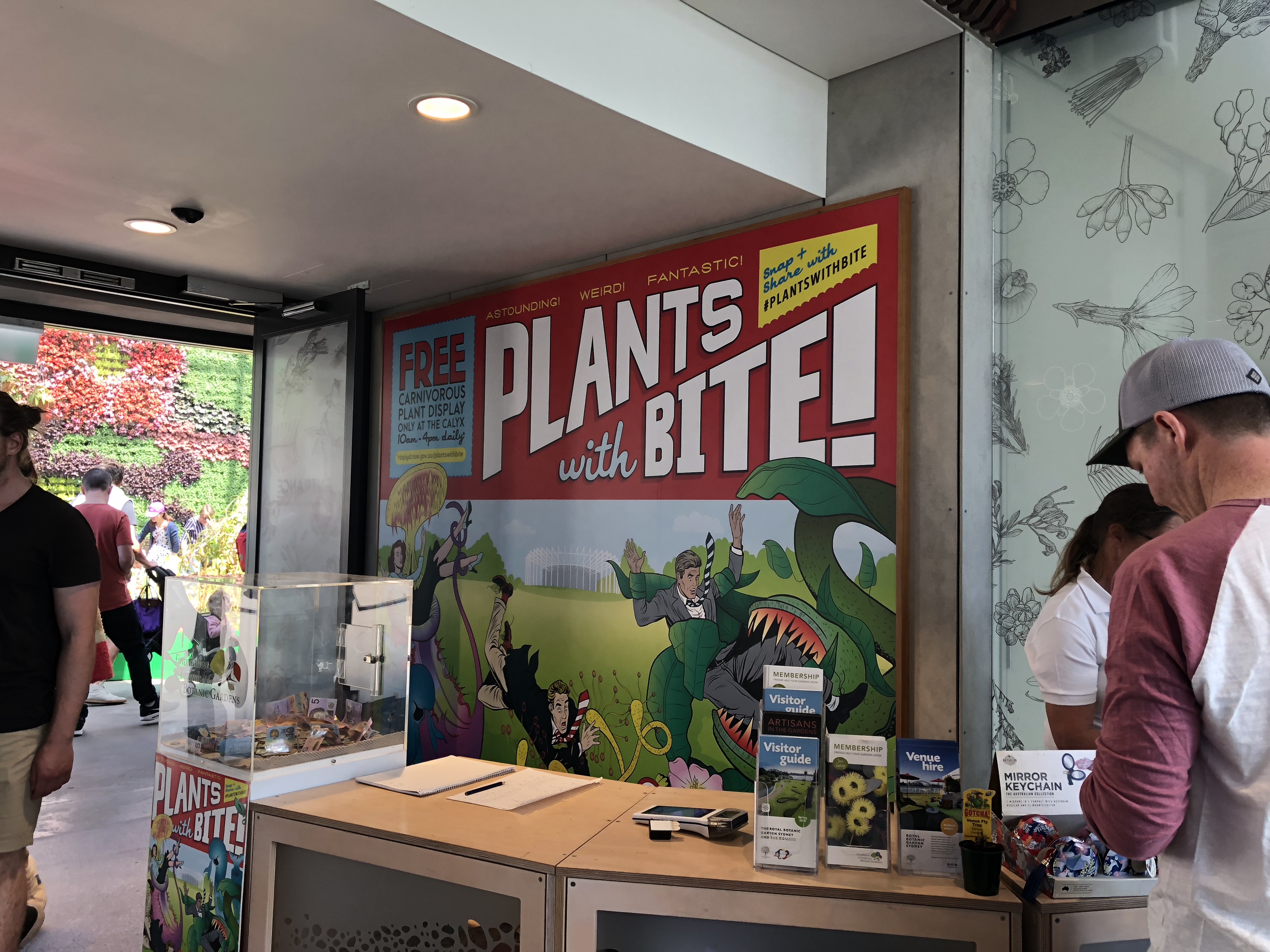
    Plants with Bite was launched today at The Calyx in Sydney Royal Botanic Gardens. I absolutely adore this venue. I’ve only visited it once before, just after it was officially opened. If you want to read my review on their exhibition on the history of chocolate, click here. If the exhibitions don’t interest you, visit just to see the largest interior green wall in the southern hemisphere.

    This blog is going to consist mostly of photographs. This is because it was a visually beautiful exhibition. The layout and use of graphics in particular made the exhibition aesthetically appealing. The retro graphics on the exhibition panels spoke to the film Little Shop of Horrors and reminded me of old horror movie posters. Finding this pop culture link and including it in the exhibition was a smart move.

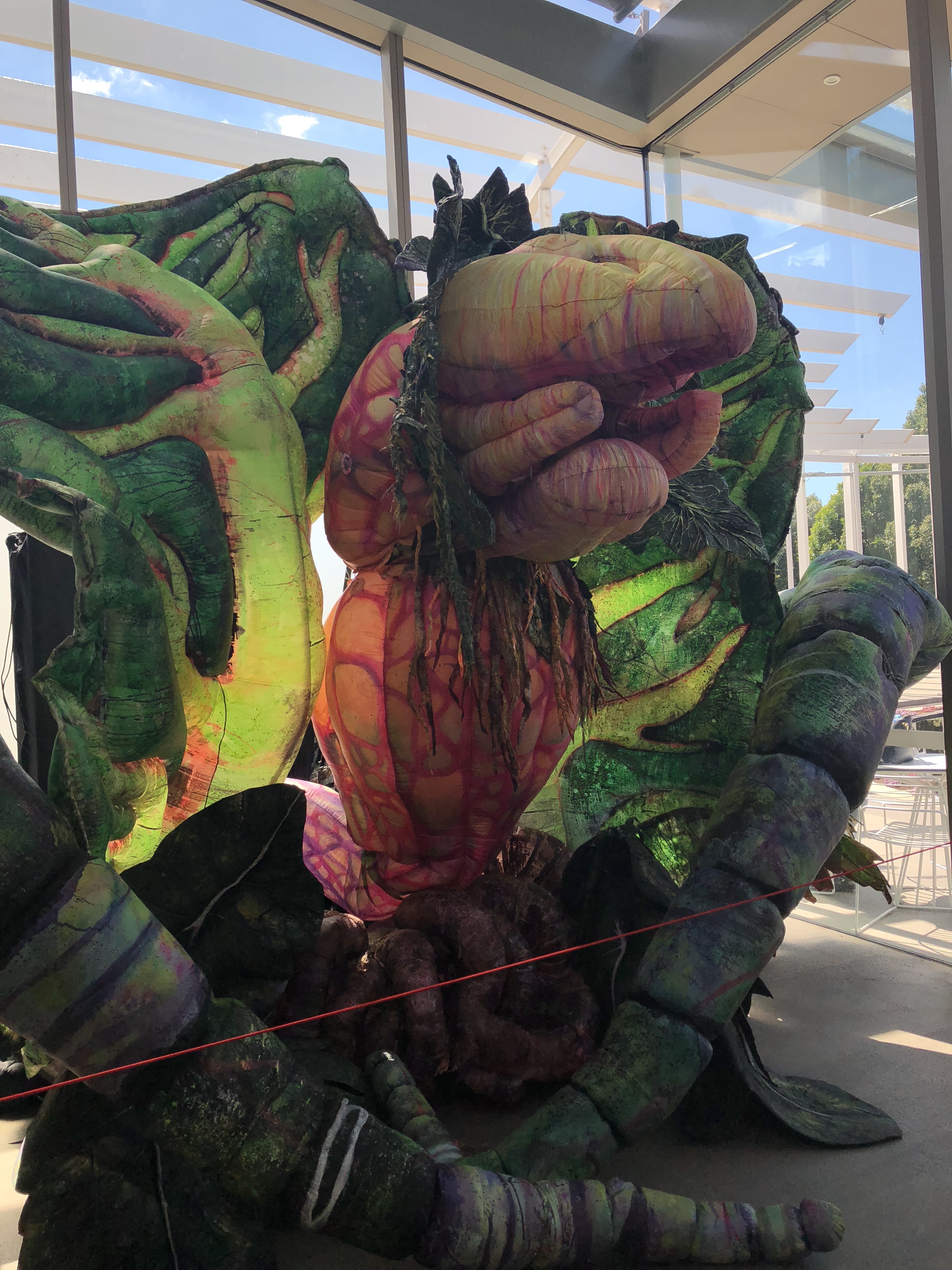
    I remember being traumatised as a child seeing Little Shop of Horrors as a stage show and then as a movie. They did have a large model of Audrey in the exhibition which did re-invigorate my fear of Venus Fly Traps. Then again, I now love the film and its quirkiness. Long live Audrey.

    IMG_7598
    It’s Audrey!

    The exhibition is all in one greenhouse space consisting of a few separate garden boxes. There was minimal interpretation with only occasional small red signs as you can see in the photographs below. I don’t think I would have wanted more text in the space. Similar to the chocolate exhibition, there was an app available that probably provided a lot more information for those seeking a more in depth learning experience.

    I was just wanting to appreciate the exhibition from an aesthetic point of view. It was interesting to see how the plants were organised. Rather than all of one type in one area, they were dispersed throughout the whole display. This meant that when it got really busy you didn’t miss out on seeing a selection of each plant. I was grateful for this layout because when we arrived, around lunch time, there were quite a few people.

    Before posting the photographs, I must thank my friend Emily for sending me some of her amazing photographs. I’ve credited them below. Where possible, I’ve also tried to provide captions.

    IMG_7540
    Sculpture outside the main entrance of The Calyx.
    IMG_7541
    Information desk for the exhibition located at the entrance.
    IMG_5015
    Photograph by Emily Cullen.
    IMG_5022
    Close-up of the Venus Fly Traps by Emily Cullen.
    IMG_5029
    Photograph by Emily Cullen.
    IMG_7544
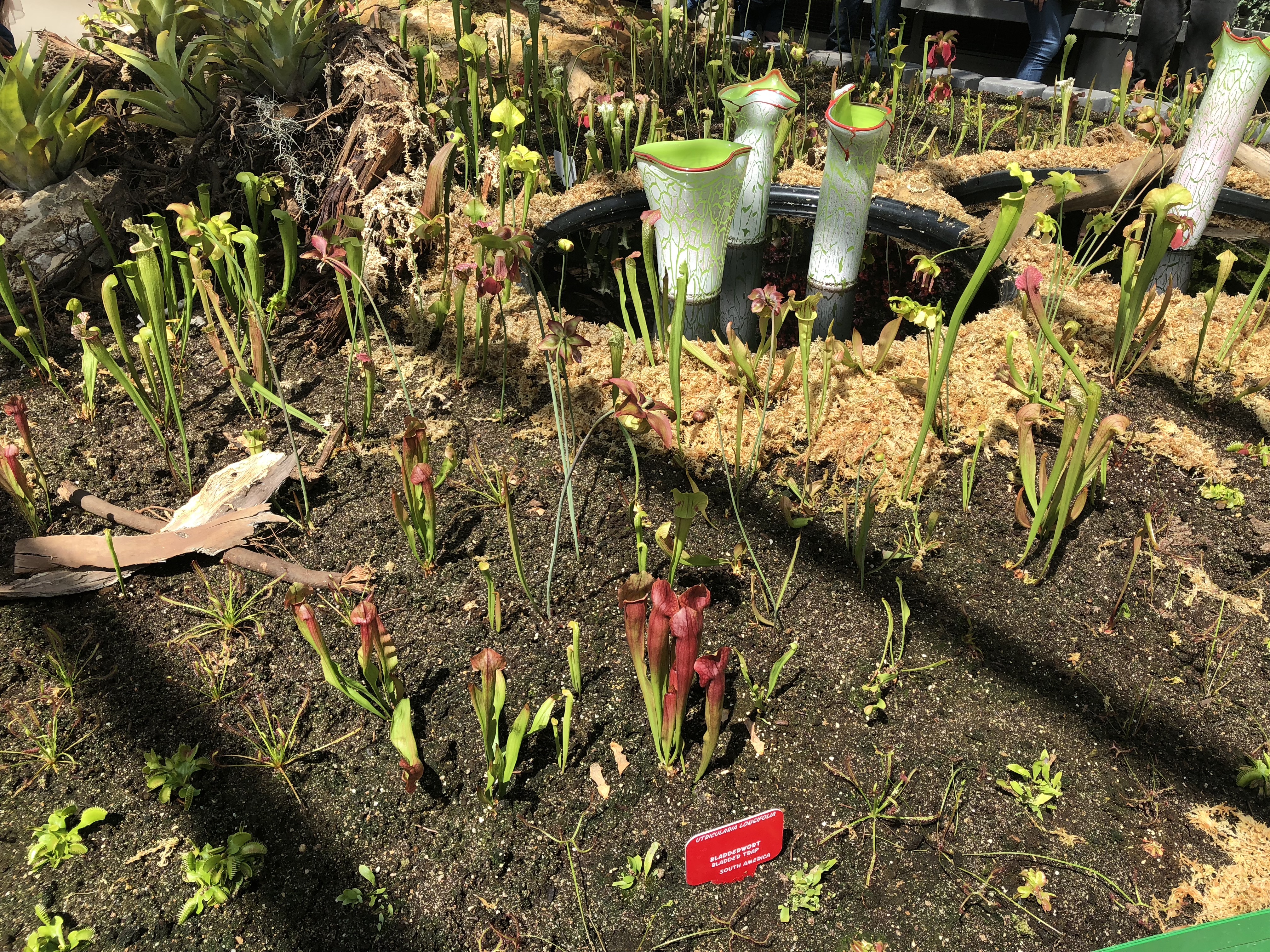
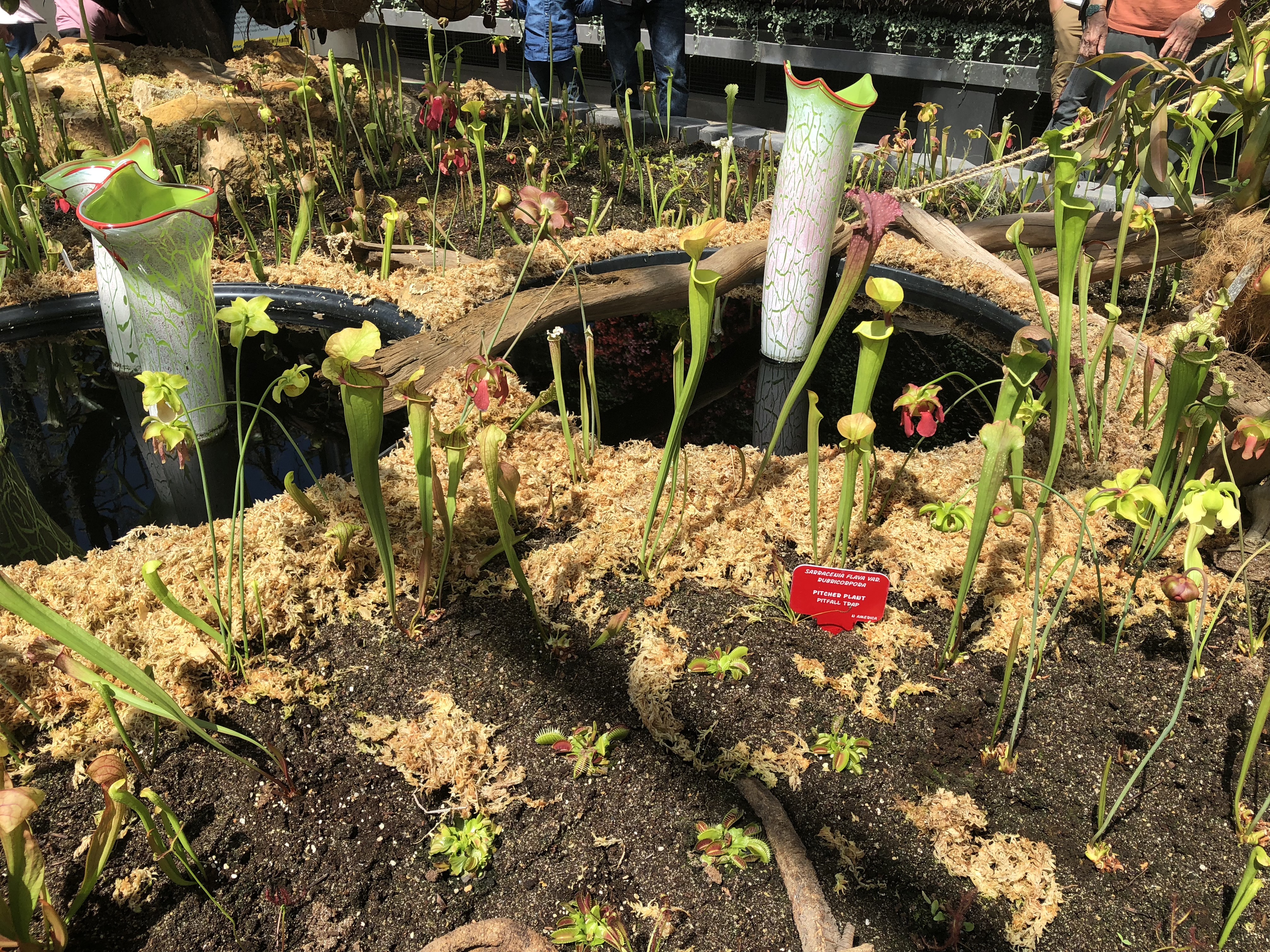
    First garden box in the exhibition. In this photograph you can see the small red tags used to identify the plants. In each of the small pools were a selection of sculptures created to look like the carnivorous plants.
    IMG_7548
    Photograph featuring a section of the vertical plant wall.
    IMG_7549
    One of the garden boxes showing how all the plants were on display together.
    IMG_7552
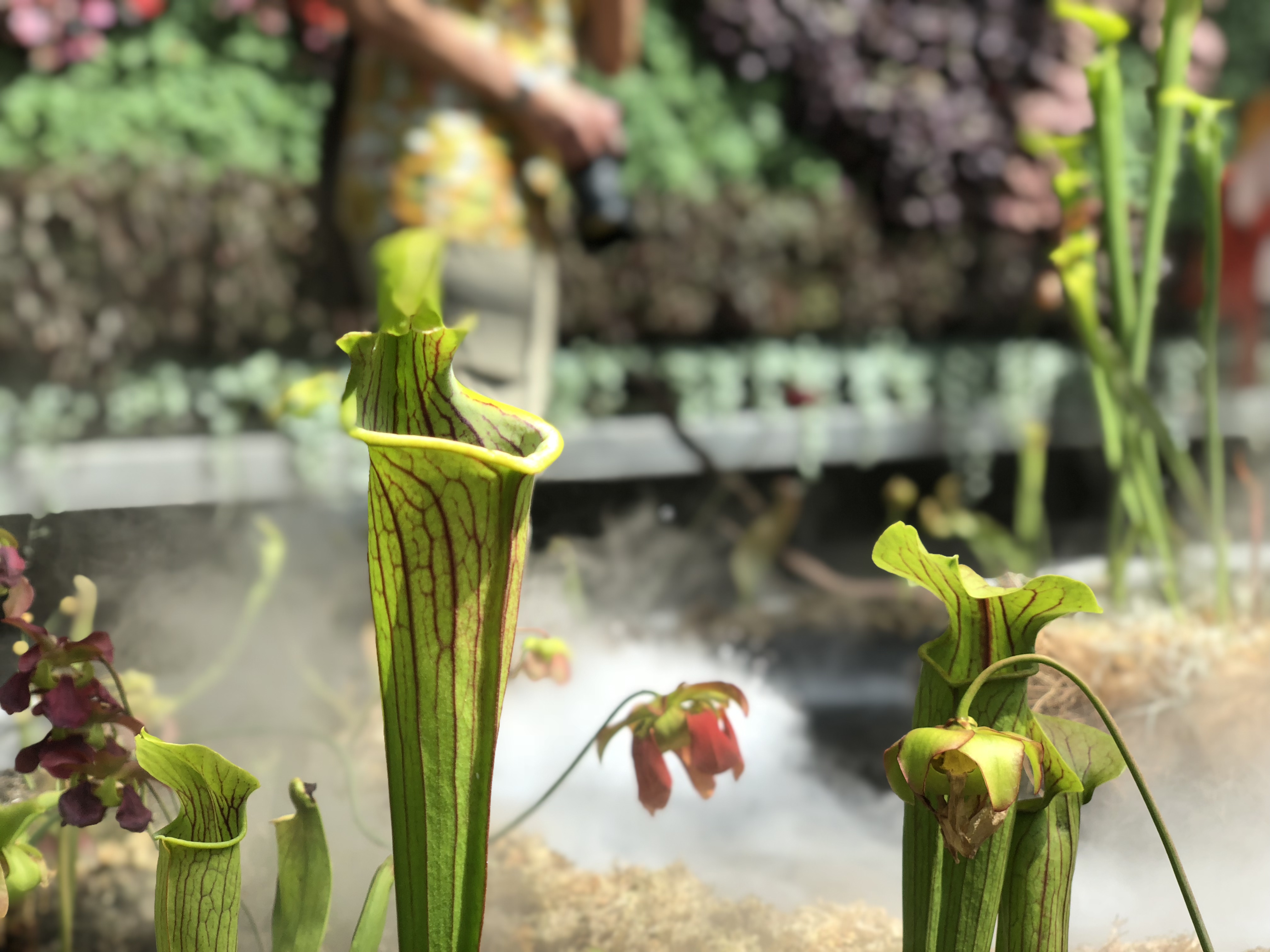
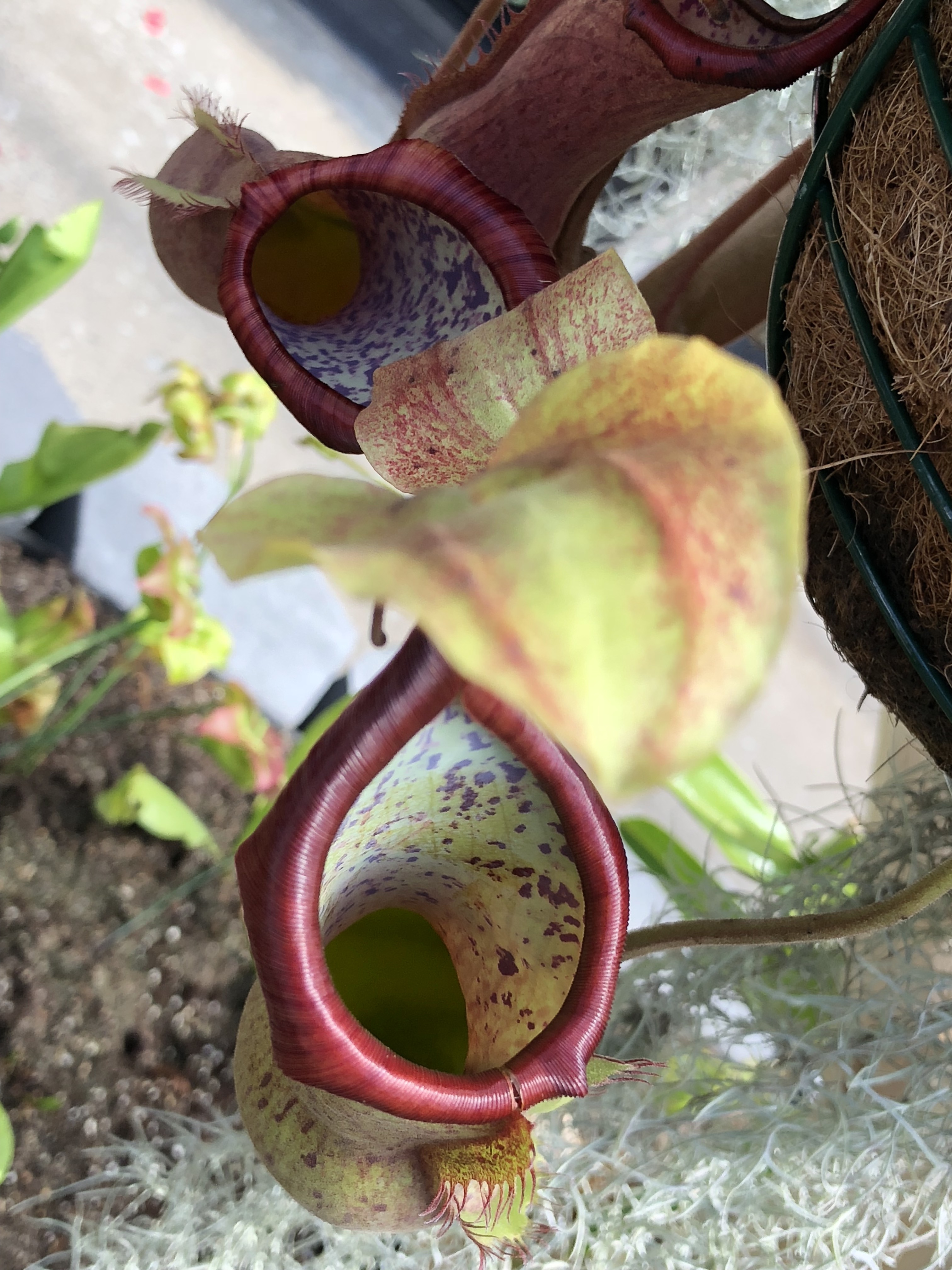
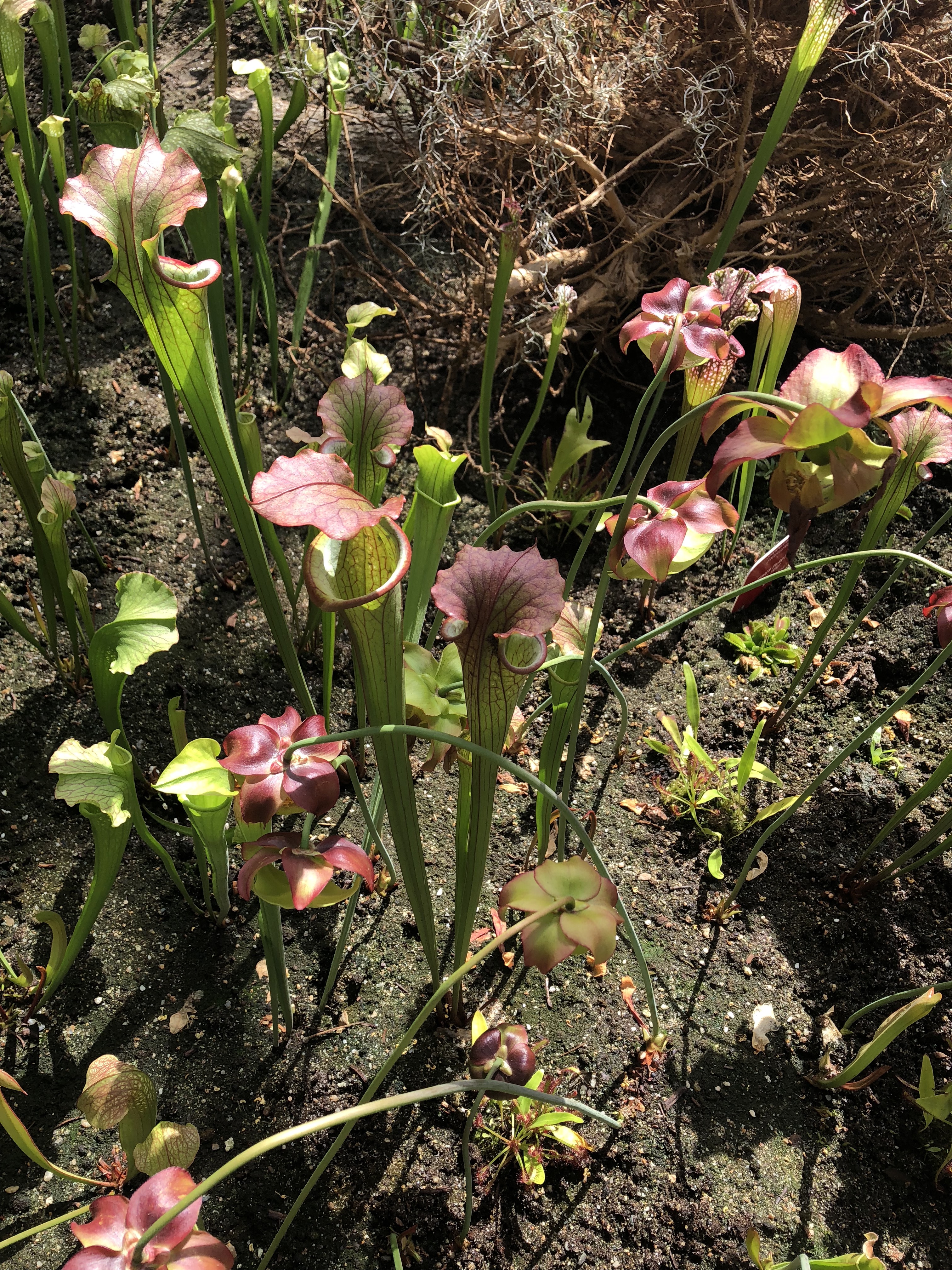
    Close-up of a Pitcher Plant, named such because they look like a pitcher.
    IMG_7555
    An example of a label.
    IMG_7563
    Some of the pools were omitting vapour to maintain the humdity levels in the exhibition.
    IMG_7566
    The garden boxes each contained a number of Pitcher Plants.
    IMG_7571
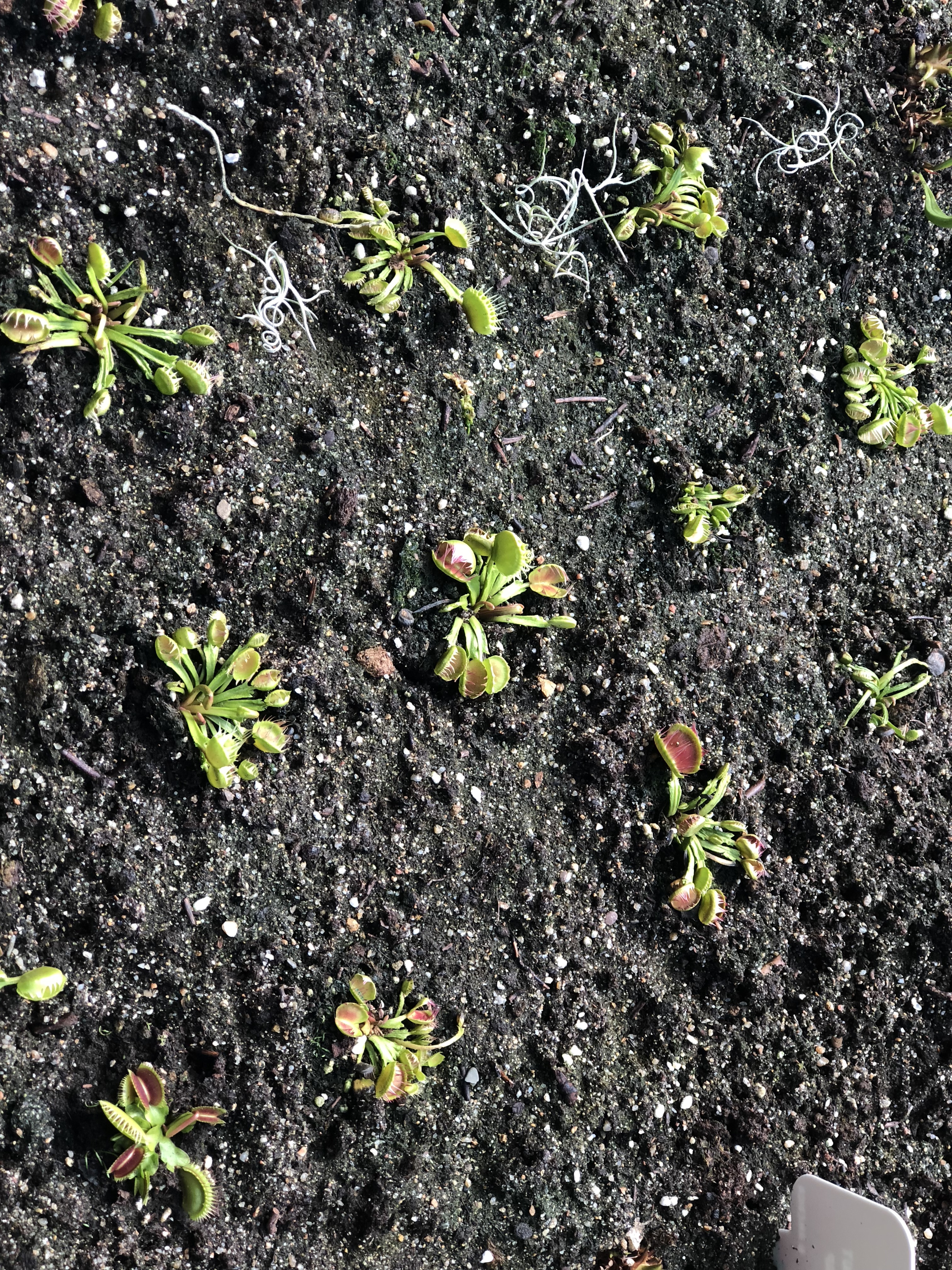
    Mini Venus Fly Traps.
    IMG_7577
    Quite a few visitors enjoying the exhibition.
    IMG_7593
    Close-up of a Snap Trap.
    IMG_7596
    Loved the graphics!
    IMG_7604
    An exhibition banner featuring an Ibis.
  • Sydney: Sydney Jewish Museum

    This morning I spent two hours exploring the Sydney Jewish Museum. In 2017, a new permanent display on the Holocaust opened, covering everything from the start of the war to liberation and migration to Australia. I remember visiting the museum during my Master’s course in 2016 and walking through what was then a construction site. It was amazing to see the end result!

    I’m going to break my review down into some general themes. I never had the opportunity to see the museum prior to its renovation so I won’t be comparing or contrasting the display to what it used to be.

    img_7434
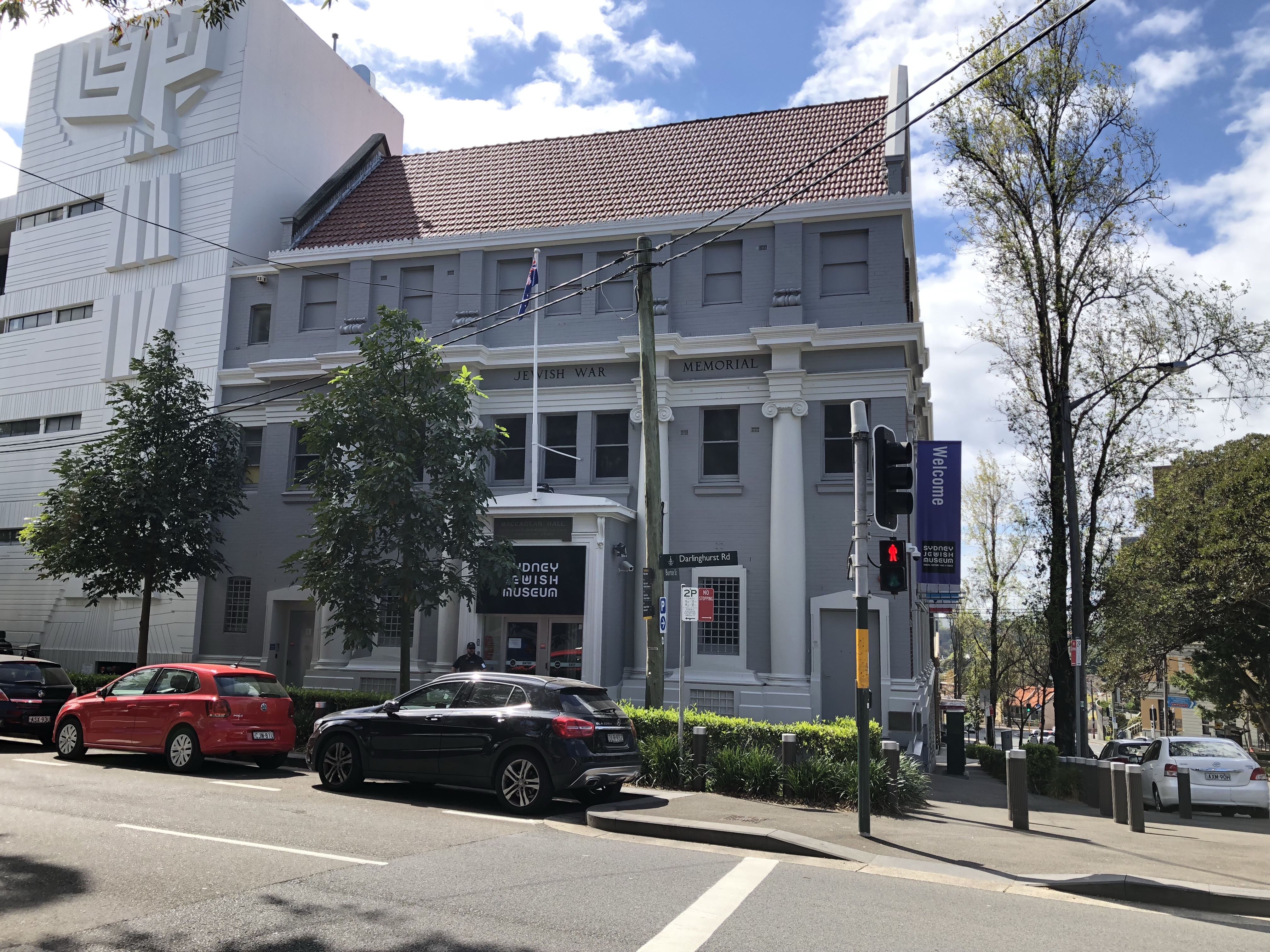
    Sydney Jewish Museum

    Also, I want to just focus on the permanent display. As the name implies, the museum covers more than just World War II. For example, there was a fantastic section on establishing the Australian Jewish community. I had no idea there were sixteen Jewish convicts that arrived on the First Fleet. Opposite this, was a display on Jewish businesses that operated on George street in the 1800s. As you can see, the graphics were amazing.

    Sydney Jewish Museum

    And now, the permanent display.

    Layout

    Similar to quite a few other Holocaust exhibitions, the Sydney Jewish Museum approaches the event chronologically, displaying the history over three levels. The layout is directive and didactic. Whereas this style might not suit other exhibitions, in this case, it was the best option. Why? Because it gives you more of a sense of what there was before the Holocaust and finishes with not only loss, but, strength and hope. I will talk about my favourite part of the display later on in the post.

    The first floor begins with the rise to power of the Nazis and the introduction of anti-Semitic laws and policies. Then you move through displays on the Holocaust itself, learn about liberation and see what happened after liberation. In the final section, there is a small display on Australia which I found to be very interesting. It was a part of the story I had obviously not seen outside of this country.

    The entire exhibition had an effortless flow that focused on guidance, encouraging the visitor to engage along the way. I will also note that there are stairs between the levels, however, there is also an elevator making it entirely accessible.

    Architecturally, the layout is stunning. The floors have been designed to form the shape of the Star of David. See below from some photographs.

    Sydney Jewish Museum
    Sydney Jewish Museum
    Sydney Jewish Museum
    Sydney Jewish Museum

    Digital

    There are three main digital components I want to review: the app, touchscreens showing the various concentration and extermination camps, and the listening stations dotted around the permanent display.

    The app is titled “SJM Voices” and it is worth downloading prior to visiting. If you arrive at the museum without headphones or a device, they have both available.

    App

    I can see the motivation behind the app. There is a pressing need to record the testimonies of survivors and have them available for all future visitors to hear. My experience, however, was not too good. I got frustrated trying to use the app and gave up listening in the first section. It was almost an information overload and I decided to prioritise reading over listening. In saying that, this was because I was seeing a survivor testimony. If this opportunity was not available, I might have listened to a few on the app. Over time, I think this app will have great potential.

    The app is geo-locked meaning you cannot use it outside the museum. This was a shame. If they could even have some content available outside the museum, it would have, for me, enhanced its purpose.

    Moving on to the giant touch screens that showed the concentration and extermination camps. They were a little bit superfluous in the space and didn’t add anything to my understanding that a static map would. They did show the geographical development of these sites over time, but, it seemed a lot of technology and space to achieve this goal.

    Interactives

    Finally there were the listening stations. Finally a piece of technology I could get behind. Dotted around the exhibition were a few stations where visitors could place speakers to their ears and listen to firsthand accounts. These seemed better integrated than the app, in my opinion. I listened to a few on the ghetto experience which were heartbreaking.

    Audio Stations

    Objects

    This final theme I want to cover is a big one. I have selected four objects that stood out in the display.

    1. Hope in Stitches

    This beautiful cross-stitched cloth was created by Else Schwartz in 1945/1946. The object has been used in the display to reflect hope after the war. The story accompanying the object tells of Else stitching this cloth while waiting for her husband and children to return from the camps. They were never reunited. It represents the emotions felt after the Holocaust and the individuals who had to wait for news of their loved ones.

    Hope in Stitches

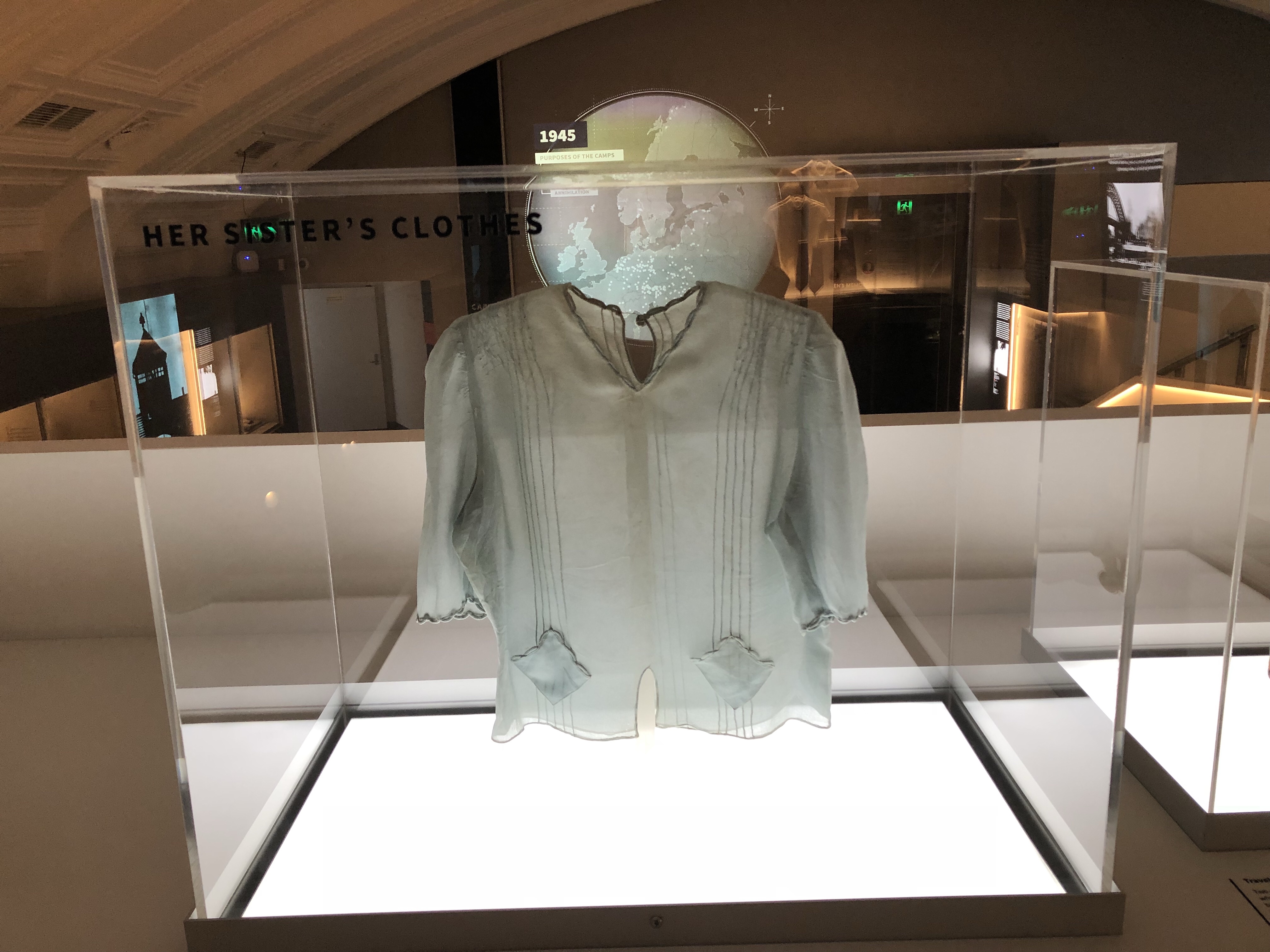
    2. Her Sister’s Blouse

    Displayed floating in a clear box is this blouse that belonged to a sister of Hela Stein. Her four sisters did not survive and she is unsure of who this blouse belonged to. The object became a memory and something that Hela held onto for many years. It reminds visitors of the emotions that we can place on physical objects and the memories they can evoke.

    Her Sister’s Blouse

    3. Fantasy Feasts

    This recipe book was owned by Edith Gombos and contains recipes favoured by Edith and her inmates in Ravensbrück. Edith recalls how they would create imaginary feasts to cope with their hunger pains. They spoke in hope that one day they would be able to share these meals again with those they love.

    Fantasy Feasts

    4. Dignity

    As I walked around the space, it was great to see how much agency was represented. There were an array of objects on display to represent how those in the ghettos strived to maintain their dignity. Friedl Dicker-Brandeis was a Bauhaus student who used her artistic skills to bring joy to children in the Theresienstadt ghetto. The collage of the flower was made by one of her students who later migrated to Australia.

    Dignity

    If you are visiting, make sure to look at the exhibition Unseen Untold: Our Curious Collection. To celebrate 25 years of the Sydney Jewish Museum, there are 25 unusual objects on display. The objects tackle issues such as myths and authenticity. For example, bars of soap pictured below represented the myth that some soap was made from the fat of those who were killed.

    Unseen Untold: Our Curious Collection

    Also, in a blog first, I am including a special shout out to the bathrooms. On the back of each bathroom door was a small poster showing an object and a bit of information. Might as well keep learning no matter where you are in the space!

    Advertising

    The Sydney Jewish Museum is easy to get to on public transport. Their “visit us” section on the website is one of the most comprehensive I have ever seen so check it out here if you’re planning a visit: https://sydneyjewishmuseum.com.au/visit/plan-your-visit/.

  • Sydney: Museum of Applied Arts & Sciences

    Hello everyone. It has a been a while since I last wrote a review for Rebecca’s blog and this one will be a very detailed and interesting review of the new Reflections of Asia exhibition now on at the Powerhouse Museum until 2020. As a volunteer, I am responsible for exhibition interpretation and program delivery via tours. This review will encompass both the exhibition experience as a visitor and as a volunteer.

    Visitor

    The exhibition encompasses over 500 objects from the 10,000 strong Asian collection of the Museum of Applied Arts and Sciences (MAAS). These objects are divided into 7 main themes that reflect the main collection areas, including wood and laquer work, ceramics, metalwork, textiles and dress, small treasures, and contemporary fashion and art. In the exhibition, each theme is highlighted by a particular individual responsible for contributing to the current state of that collection area.

    One of the main functions of the exhibition is to show more of the MAAS collection, similar to previous Recollect exhibitions, albeit in this case with greater explanation and more informative text allowing for a more structured learning experience. Secondly, both the thematic and individual personality profiles provide a timeline of sorts that demonstrate the evolution of the collection practices of MAAS over its history. This has shifted from the 19th century colonial perspective of the ‘Exotic Far East’ to Asia being an active global agent in the world stage with varying levels of cross-cultural interaction with the West.

    In terms of layout, the bulk of the objects are displayed in a multi-leveled glass cabinet, separated according to theme. There are also several showcases along the far right wall and some free-standing larger objects. This provides an open space through which one can walk down either side of the main cabinet, maximising visitor flow through the display. It does, however, require moving around the entire display and seeing all the objects, a slight annoyance if someone is only interested in the woodwork or ceramics.

    Entering the space, visitors are presented with a blue steel wire model of a ‘CJ750 Blue’, built over a three year period by Shi Jindian. It is a replica of a Chiang Jiang military bike used by the Chinese in the 1960s and 1970s based on the Soviet replica of the BMW motorcycle. This represents the contemporary perspective of the exhibition in collecting practices shifting from a colonial view to global contemporary concerns. Building upon this initial drawpoint, the exhibition case begins with contemporary art, including one of the three loans for the exhibition, a paper yarn replica of a Chinese Imperial dragon robe (jifu) made from a Chinese- English dictionary on loan from the White Rabbit gallery. It is exhibited next to one of my favourite objects, an 18th century apricot yellow jifu for the imperial heir with a number of five clawed dragons inscribed, symbols of the dynamic force of the universe and the ‘Son of Heaven’ (Emperor).

    From here, the exhibition progresses primarily chronologically, with collector profiles used to illustrate the evolution of collection practices and cultural western attitudes towards Asia in the present day. For instance, the ceramics theme is centred around Charles Laseron (1887-1959), a curator who lobbied for a national collection by founding the NSW Applied Art Trust in the early 1900s that eventually developed into the foundation of the MAAS Asian collection.

    I would rather not detract from any readers own experience of the exhibition so I will leave my detailed explanation of the exhibition there. The only other point of interest is the digital lounge and interactive screens throughout the space that not only illustrate some fascinating contemporary photographs of changing Asian fashion, but, provide visitors the opportunity to explore the collection database by entering the object registration numbers found along the sides of the cabinets. This is one of the best elements of this exhibition as it allows the visitor to learn as much as they want and it gives a glimpse of the amount of research that goes into creating such a large exhibition.

    For example, the large incense burner pictured below was originally accessioned in two separate lots in 1936 and 1939. It was only during the lead up to this exhibition that it was discovered the dragons were the handles for the burner itself. Even since then, the figure at the top of the burner has been reinterpreted as a Hindu deity rather than Princess Kaguya from ‘The Tale of the Bamboo Cutter.’ Overall, I find the digital resources a fantastic tool that, even after multiple viewings, helps to reveal some new detail I had previously missed.

    Volunteer

    At this point, I would like to shift focus to that of a volunteer. One of the foundational aspects of the tours is the focus on facilitating an experience where the varied and diversified interests of each visitor is allowed to be shared and highlighted. This is opposed to the more traditional 20th century view of museums providing a didactic learning experience where the expert curator rarely engages the visitor, preferring research and, when they do engage, a more structured educational experience.

    This shift to an experiential participatory learning experience, as much of the museum educational literature demonstrates, helps highlight and foster the individual differences in the how we learn and conceptualise learning as more than formal school or university lectures. This is done using the ‘See, Think, Wonder’ framework whereby the guide poses different questions about the objects relative to the age of the visitor to show that their experience and knowledge is just as valuable as that of an expert. In doing so, this personalises the tour to better consolidate any learning that occurs within a positive framework for future museum experiences. In this way, pressure is alleviated from the guide who may not know everything about every object and the visitor can actively participate in a meaningful discussion that is more likely to be retained and foster return visits to museums in the future.

    Although I find it a bit disappointing that I cannot share everything I have learned about Reflections of Asia during these tours, it keeps the visitor engaged and less likely to experience visitor fatigue. I also thoroughly enjoy chatting with visitors at their own pace who can often teach me a lot more about these places and cultures, often having visited and lived in Asia for many years. This way, I do not simply repeat the same tour and information every time but there is always something different or new depending on the visitors. I strongly encourage all readers to visit of Reflections of Asia, seek me or one of the other volunteers out, and take one of the tours, run daily at 11am.

    Thank you Ziggy for contributing such an insightful post! It was great reading about the exhibition from both a visitor’s perspective and that of a volunteer. Reflections of Asia is on display at the Powerhouse Museum until December 2019.

    Cover Photograph Courtsey of the Museum of Applied Arts & Sciences.

  • Honolulu: Iolani Palace

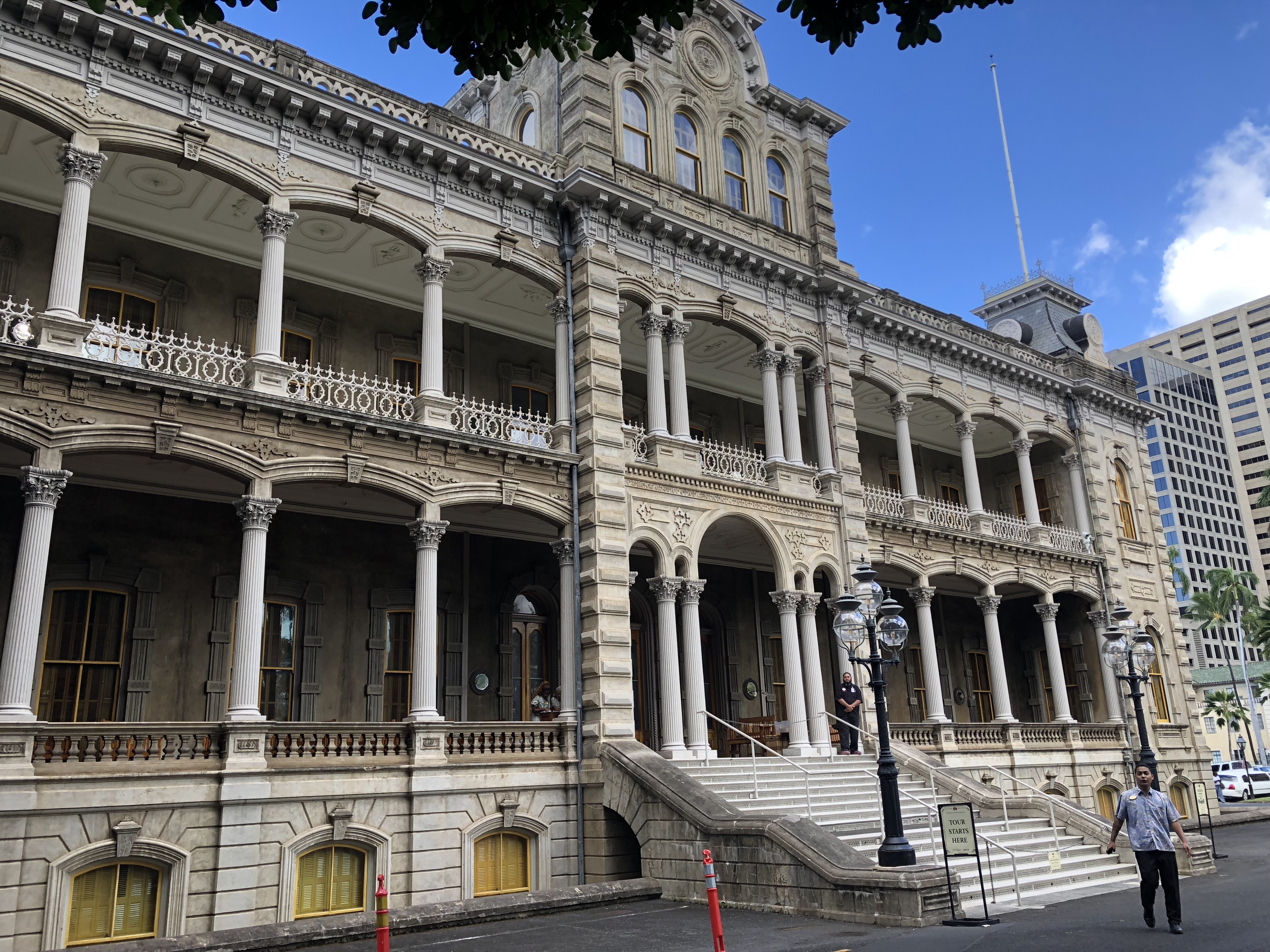
    On our final day in Honolulu we visisted the stunning Ioalni Palace located in the Capitol District near Downtown Honolulu. The palace was built in 1882 by King Kalakaua and served as home for the last reigning monarchs of Hawai’i. In 1962, the palace was registered as a National Historic Landmark and is the only royal residence in the United States.  Visiting both the Bishop Museum and Iolani Palace truly allowed us to gain a much deeper understanding of Hawai’i, its culture and its history.

    There are two main ways to explore the palace, by guided tour or by audio guide. We decided to opt for the guided tour as audio guides can be a little frustrating. Both tours run through the first and second level of the palace.

    img_7060
    Iolani Palace
    img_7048
    Iolani Palace

    The basement level is open for self-guided tours and is a great place to start. It contained an assortment of objects, photographs and palace furniture. In one room visitors had the opportunity to help curate new exhibitions by writing their questions and thoughts on post-it notes and sticking them to relevant objects/ideas for display. There had been a significant amount of interaction which was great to see. As King Kalakaua was the first monarch to travel around the world, it was great to see they’re thinking of an interactive map table that will show his travels.

    After exploring the basement, we headed upstairs to meet our guide. Over the next hour, we explored the entire palace and learnt more about the Hawaiian royalty and the eventual annexation by America. I wish I could remember the name of our guide, but, due to a combination of jet lag and having a terrible memory, his name has escaped me. It’s a shame because he gave such a good tour!

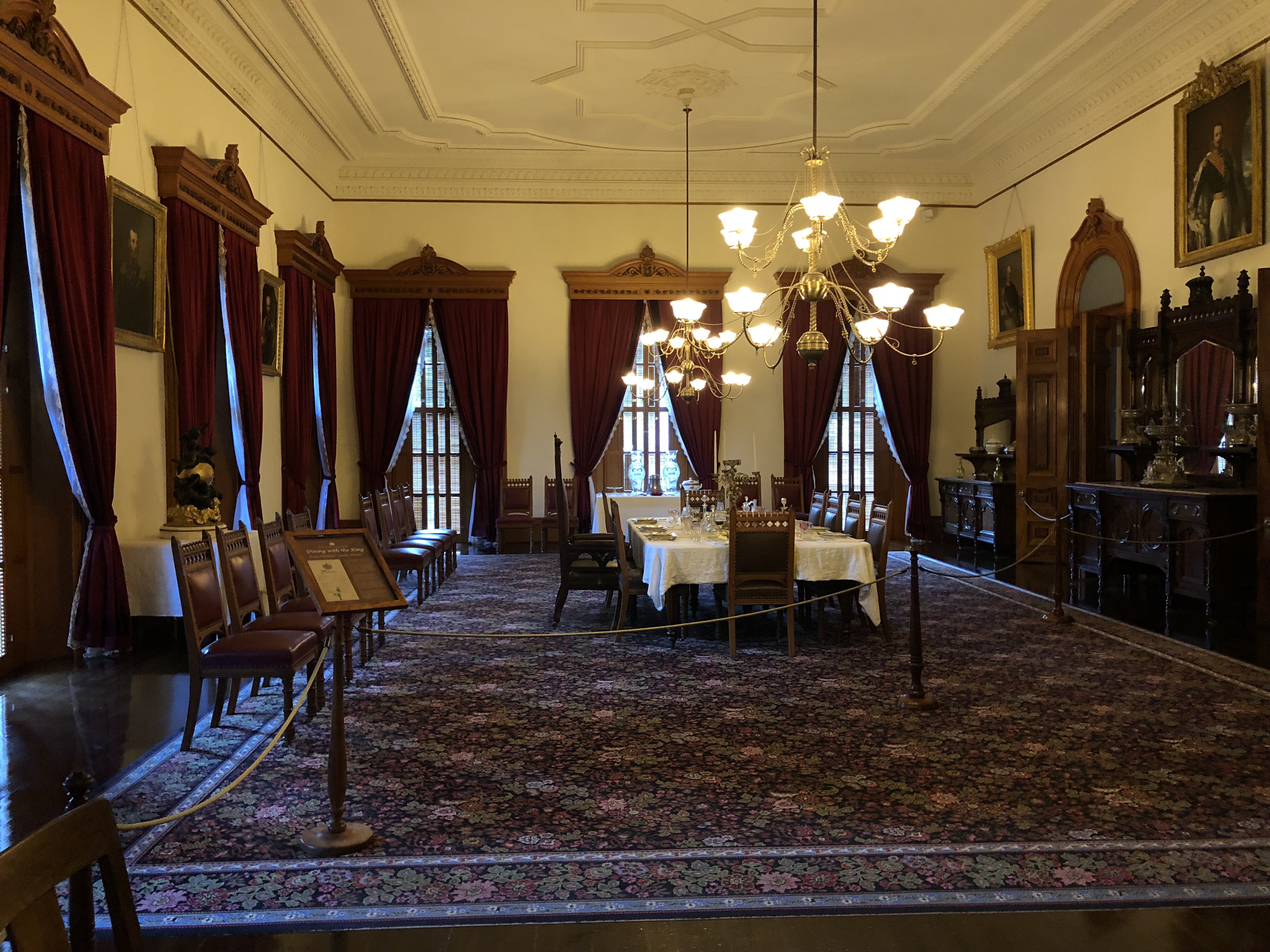
    The rooms on the first level were all public spaces, meaning open to individuals who had been invited to the palace. After a quick tour through the main entrance space and dining room, we headed upstairs to the private quarters.

    The stories shared on the second level focused more on the royalty themselves and their personal lives. For example, in the room adjacent to the King’s bedroom, we learnt that King Kalakaua was a good friend of Thomas Edison who convinced him that electric lighting was the future. Equipped with this information, King Kalakaua returned to Hawai’i and installed electric lights in all rooms of the palace. It was electrified before the White House and before Buckingham Palace.

    The following captioned photographs will provide a visual tour of the palace. Enjoy!

    Entrance staircase inside the front door of the palace.
    The vases on display were gifts from foreign dignitaries.
    The Dining Room
    Iolani Palace
    Beautiful red roses on display on the second floor.
    The King’s Bedroom
    The King’s Study
    The Gold Music Room
    The Queen’s Bedroom
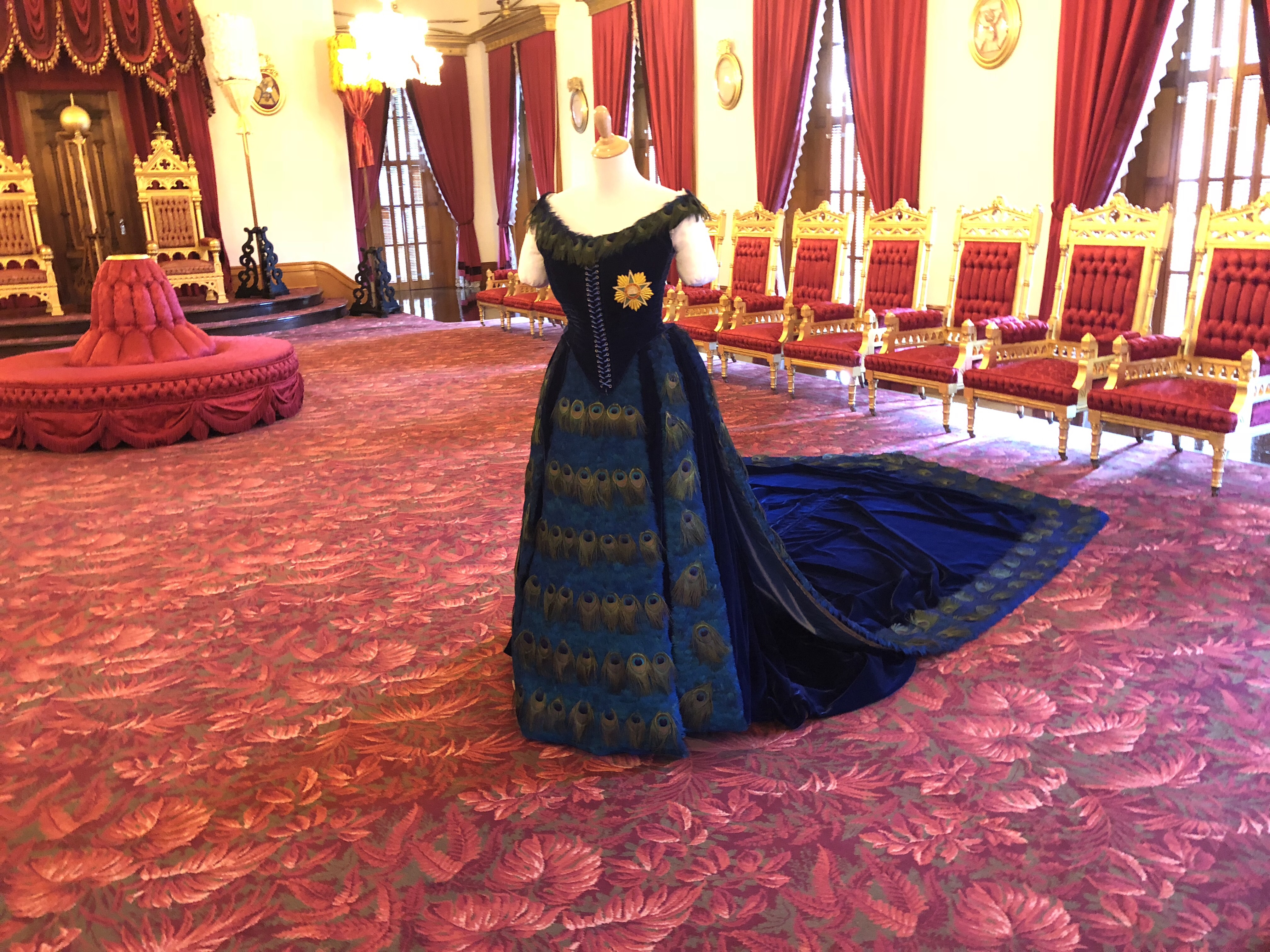
    Peacock Dress
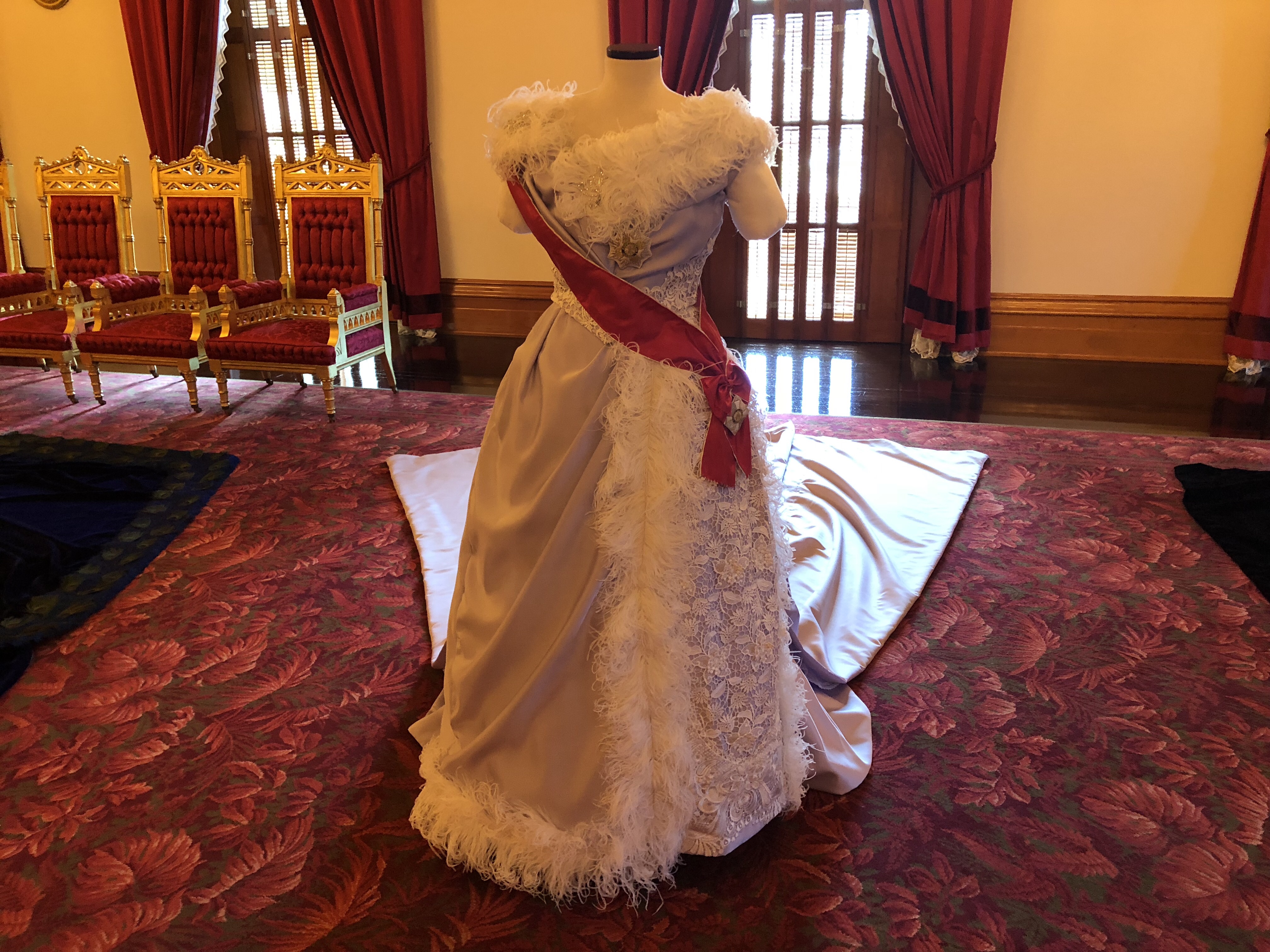
    Replica dresses of those worn by Queen Liliʻuokalani.
    Original chandeliers

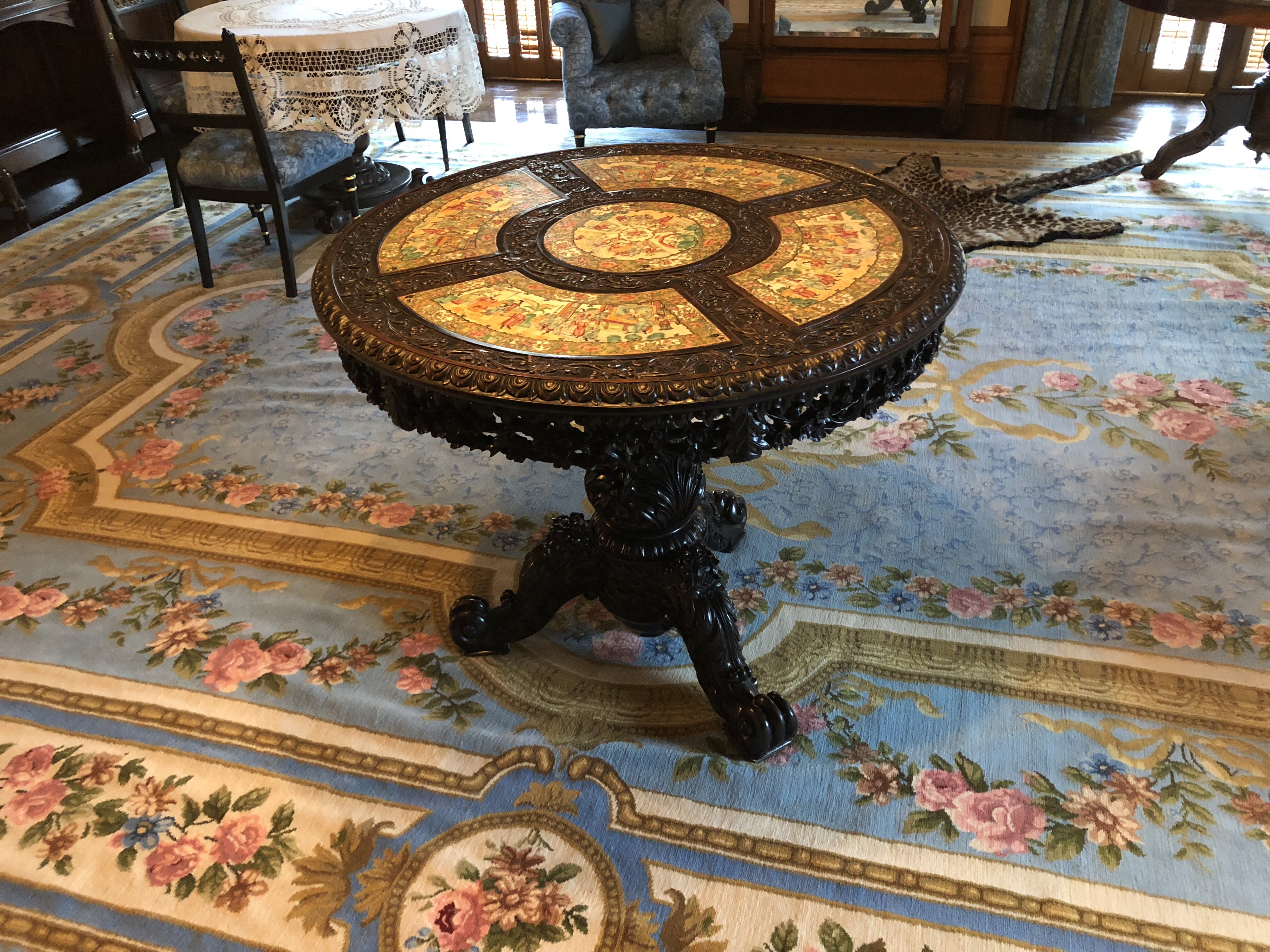
    All of the furniture and fittings you can see are original. At the moment, Friends of Iolani Palace are attempting to retrieve as many original pieces from the palace as possible. When the royalty was overthrown, the majority of the palace’s contents were sold at auction.

    If you are planning to visit during a peak tourist season, I strongly recommend you book online. We were lucky that there were two spots available when we arrived!

  • Honolulu: Bernice Pauahi Bishop Museum

    As well as swimming at Waikiki Beach and enjoying the amazing food, I really wanted to visit a couple of museums and heritage places in Honolulu. The Bernice Pauahi Bishop Museum (aka Bishop Museum) is the State Museum of Natural and Cultural History. Primarily, I wanted to visit to learn a bit more about the history of Hawaii. In particular, how it became a state of America. This post is going to cover both a temporary exhibition currently on display titled Unreal: Hawai’i in Popular Imagination and highlights from the Bishop Museum’s permanent collection.

    Unreal: Hawai’i in Popular Imagination

    This sounded like a very intriguing exhibition, displaying how Hawai’i has been presented and ‘sold’ to the world. When you think of Hawai’i what comes to mind? Hula dancers, surfers and beaches have been used for decades to paint a picture of Hawai’i as a literal tropical paradise. The exhibition looked at how these images aren’t as harmless as they seem and integrated artworks produced by native Hawaiian artists to show alternative depictions.

    There were quite a few objects on display including comic books, tourist brochures, magazines, hotel books and film footage of television shows/movies. The most striking part of the display was the use of old travel and movie posters as wallpaper. They complemented the exhibition and, surprisingly, didn’t distract from the objects on display.

    IMG_6777
    Unreal: Hawai’i in Popular Imagination
    IMG_6769
    Unreal: Hawai’i in Popular Imagination

    Each of the objects had a label divided in half – one side white and one side black. The exhibition didn’t really explain why, but, after reading both sides, it appeared that the white side was telling some facts about the object while the black side was more of a reflection on the object. Whoever wrote the remarks on the black side has a small place in my heart. The comments were just so real and not sugar-coated. The comments also contributed to a de-colonised look at the objects. For example, when writing on the Royal Hawaiian Hotel booklet from 1928, the writer stated that the hotel offered visitors the chance to ‘indulge in their fantasies of native life’ before returning to the familiar and comfortable.

    IMG_6772
    Unreal: Hawai’i in Popular Imagination
    IMG_6771
    Unreal: Hawai’i in Popular Imagination
    IMG_6763
    Unreal: Hawai’i in Popular Imagination
    IMG_6774
    Unreal: Hawai’i in Popular Imagination

    It got to the stage where all I wanted to read was this side of the label. Another great example was underneath an advertisement for the Royal Hawaiian Pineapple Split. The writer took the opportunity to explain how pineapple is not native to Hawai’i and an international obsession has led to the displacement of Hawaiian food identity. It gave the objects on display new meaning and I thank the museum for including this perspective alongside the traditional form of label.

    Permanent Display

    The permanent display is housed in such a spectacular building – now listed on the National Register of Historic Places. It was originally built in 1889 and served as a school hall. Eventually it became a museum that houses the largest collection of Polynesian objects.

    IMG_6843
    Bernice Pauahi Bishop Museum

    The permanent display spans three floors each representing a different realm. The first floor is Kai Ākea, realm of Hawaiian gods and legends in pre-contact Hawai’i. The second floor is Wao Kanaka, where people live and work. The final floor is Wao Lani, the realm inhabited by the gods displaying key moments in Hawaiian history.

    IMG_6779
    Bernice Pauahi Bishop Museum
    IMG_6790
    Bernice Pauahi Bishop Museum
    IMG_6793
    Bernice Pauahi Bishop Museum
    IMG_6827
    Bernice Pauahi Bishop Museum

    After exploring on our own, we decided to join a highlights tour. If you’ve been reading my other posts, you probably know by now I am a huge fan of the humble highlight tour. The following are some key objects that were discussed.

    1. Medical Practice Objects

    Before delving into these objects, it was so fantastic to see the constant integration of the Hawaiian native language in the entire display. Just something I picked up while we were walking around.

    No surprises here that objects on medicine were amongst my favourites. I particularly liked the hot pumice stones that are still used today in traditional healing. As you can see from the image below, the displays were all vibrant and inviting without looking outdated. The use of quotes allowed for further contextualisation of the objects.

    2. Tattoo Kit

    This bone tattoo needle kit (number 4) is believed to be the oldest in existence. It was found on a shelf inside a cave along with a small dye cup that was still filled with black ink.

    IMG_6818
    Tattoo Kit

    3. Floor Map

    This stunning map is a feature on the floor of the Pacific Hall. It has been created using seven different types of wood and serves to geographically depict Polynesia.

    IMG_6832
    Floor Map

    4. Sperm Whale

    I liked this object because of its significance in the museum. All of the hanging marine life models are meant to be of animals in the waters of Hawai’i. The sperm whale is not found in the waters surrounding the islands so why have it on display? Apparently they were going to remove it, however, there was protest as so many people fondly remember the model from school excursions and early visits. It is a great story showing the impact of an object and attachments people can make.

    IMG_6806
    Sperm Whale

    After the collection highlights tour we joined another tour that went through the Hawaiian Royal Room. I had zero knowledge of the Hawaiian Royal family. It was fascinating to hear stories about the rise of a unified Hawai’i and how it changed over time through different rulers. The final Queen, Queen Liliuokalani, was overthrown by businessmen and sugar planters leading to annexation by America. In just half an hour we were able to hear a succinct overview of this entire history.

    I would highly recommend joining a tour to see this collection. While you can definitely make your own way around, we picked up so much more information from the tours. It has also helped us to understand way more about Hawai’i, it’s culture and history. A great way to enrich our trip!

  • Los Angeles: Conservancy Walking Tours

    Yesterday was our final day exploring Los Angeles. We have had an amazing time enjoying some of the museums and heritage places on offer. This morning, we joined Los Angeles Conservancy Walking Tours for an Art Deco tour of Downtown LA. In total, we visited 12 stunning examples of this architectural style. Our guide, Janis Ashley, was so knowledgeable and presented such a fascinating tour. It was less about the niche architectural features and more on the stories of the buildings and their owners.

    We started, however, with a quick refresher on what makes a building Art Deco. This style was popular from circa 1925 to the start of World War II. It was named after the Exposition Internationale des Arts Decoratifs held in Paris in 1925. There aren’t any hard and fast rules for what makes a building Art Deco. Some constant features include vertical lines that draw the eyes up and ornamental features.

    On the tour, we saw many different types of Art Deco. We were also able to enter a few of the buildings and view the interiors. Here are the buildings that featured on the tour!

    1. Title Guarantee Building, 1930

    The first stop on our tour was the Title Guarantee Building. Once an office building, it has now been adapted into loft apartments. There were a few features highlighted including Gothic elements such as flying buttresses and a huge tower.

    IMG_6598
    Title Guarantee Building, 1930
    IMG_6601
    Title Guarantee Building, 1930
    IMG_6605
    Title Guarantee Building, 1930

    2. One Bunker Hill, 1931

    If you have ever seen a film from the 1920s or 1930s, it probably had a scene or two set in Bunker Hill. Today, the street is filled with modern high rise buildings. In the past, however, old Victorian terrace houses lined either side of the road. Allison & Allison, added the Edison Company Building, pictured below, in 1931. It stands opposite the Los Angeles Central Library and has been able to retain most of its original features.

    This was the first Building we were able to look inside. As you can see, the interior architectural features are absolutely stunning. Everything from the elevators to the large oil painting of ‘power’ in the lobby is original Art Deco.

    IMG_6607
    One Bunker Hill, 1931
    IMG_6612
    One Bunker Hill, 1931
    IMG_6615
    One Bunker Hill, 1931
    IMG_6617
    One Bunker Hill, 1931
    IMG_6621
    One Bunker Hill, 1931
    IMG_6622
    One Bunker Hill, 1931
    IMG_6623
    One Bunker Hill, 1931
    IMG_6630
    One Bunker Hill, 1931
    IMG_6633
    One Bunker Hill, 1931
    IMG_6634
    One Bunker Hill, 1931

    3. Site of the Richfield Building, 1928-1968

    This one breaks my heart a little. Forty years after the most impressive Art Deco structure was built in Los Angeles, it was torn down. The building was primarily black with gold features including gold angels that ran around the top edge. It has been replaced by an extremely tall modern high rise.

    4. Los Angeles Central Library, 1926

    This is a happier story of a building saved from demolition. Scheduled to be torn down in the 1970s, the Los Angeles Conservancy fought for the survival of the original Los Angeles Central Library building. The reason for its proposed removal was that the building was too small. After negotiations, it was decided that an extension would be built and floors added beneath ground level. The library has a beautiful mosaic pyramid on the top supporting the torch of knowledge.

    IMG_6644
    Los Angeles Central Library, 1926
    IMG_6652
    Los Angeles Central Library, 1926

    5. Pacmutal Center, 1936

    The Pacmutal Center was originally built to resemble a Greek temple. In an attempt to create retail space at the base of the building, the facade was re-designed in 1936 to appear more Art Deco.

    6. James Oviatt Building, 1928

    This was my absolute favourite building. Originally, it was a high-end fashion department store built in 1928 and owned by James Oviatt. It was filled with Lalique glass, however, much was sold in order to pay tax due on the building. Today, it is a restaurant called Cicada.

    We weren’t allowed to enter the building, however, we could peek through the door. Inside there are two stories filled with old glass display cases and store furniture. Some of this furniture included large cabinets filled with tiny drawers for keeping ties and sock garters. In the middle of the room are three beautiful chandeliers that were actually used in American Horror Story, Hotel. Mixing the old with the new!

    IMG_6661
    James Oviatt Building, 1928
    IMG_6663
    James Oviatt Building, 1928
    IMG_6667
    James Oviatt Building, 1928
    IMG_6670
    James Oviatt Building, 1928

    7. Fox Jewelry Plaza, 1932

    The next three buildings are all located in the jewelry district, now used as stores and apartments. The building below was originally built for William Fox of Fox Studio. The beautiful mauve exterior set it apart from the previously visited buildings.

    8 & 9. Los Angeles Jewelry Center and Wholesale Jewelry Mart, 1932 & 1925

    These two buildings were right next to each other, built almost a decade apart. Los Angeles Jewelry Center, constructed by Claud Beelman in 1931, is the sea foam green building. The Wholesale Jewelry Mart is a more subtle Art Deco example with small gargoyles surrounding the exterior.

    IMG_6686
    Los Angeles Jewelry Center and Wholesale Jewelry Mart, 1932 & 1925

    10. Garfield Building, 1929

    This was the only example we saw that combined Art Deco and Art Nouveau styles. While the fundamental structure was very Art Deco, some of the decorations on the building, such as floral swirls, harked back to the earlier style.

    11. Ninth & Broadway, 1930

    This was a quaint Art Deco example with an ornate entrance and original features inside.

    IMG_6698
    Ninth & Broadway, 1930
    IMG_6700
    Ninth & Broadway, 1930

    12. Eastern Columbia Building, 1930

    Our final stop was at the Eastern Columbia Building constructed in 1930. Originally, it was a department store with all eleven levels displaying goods for purchase. It is one of the most recognisable Art Deco buildings in Los Angeles! This is mainly because it is such a vibrant green/blue colour and has a functioning clock on the tower. Similar to the first building, the exterior has been saved and the interior adapted to now be just over 140 apartments.

    IMG_6697
    Eastern Columbia Building, 1930
    IMG_6692
    Eastern Columbia Building, 1930
    IMG_6691
    Eastern Columbia Building, 1930

    Even if you are not that interested in the Art Deco style, this tour showed a completely different side of Downtown LA. You can find more information about the tour here.

  • Los Angeles: Museum of Tolerance

    After spending our morning at the famous Santa Monica Pier, we decided to visit the Museum of Tolerance. I had heard about this museum a couple of times during my postgraduate study so I was interested in experiencing it for myself. We hadn’t planned on going because it was a bit out of the way from everything else we wanted to do/see. That was until I discovered there was a bus from Santa Monica that stopped literally at the entrance to the museum. When we first arrived we were directed by a lovely volunteer who gave us a lot of information about the exhibitions. She also recommended a route through the museum that we followed.

    Section 1: The Holocaust

    The exhibitions on the ground floor are divided into two sections – one that focuses solely on the Holocaust and one that focuses on the concept of tolerance. In both exhibitions there was limited opportunity to chose your own path.

    The Holocaust section began with the office of Simon Wiesenthal, Holocaust survivor and Nazi-hunter, which had been taken apart and moved from Vienna. As well as the office, there were a few original documents and a map that displayed a digital story of the War. Visitors were then directed to take a card, each representing a different child that lived during the Holocaust. At various stages throughout the display, visitors could enter their cards into a machine and read the child’s story.

    From here, the exhibition transformed into a timed digital display. There were a variety of dioramas that would light up moving visitors chronologically through the history of the War. This was from, primarily, the Jewish perspective. It started by introducing the three people who were going to be our guides: an historian, a researcher, and a digital display artist.

    The Holocaust
    The Holocaust
    The Holocaust

    The information supplied by each section was informative and combined photographs, films, and testimonies. One section that was particularly insightful was a cafe scene. Different tables were highlighted throughout the scene and visitors heard a variety of stories. After each story was finished, a voiceover announced what happened to the individual/s. It allowed the display to tell individual stories in context.

    I have never seen Holocaust history explored in this way and while a part of me thought it was slightly outdated, another part of me thought hearing the history from start to finish had great impact. Objects were dotted throughout the display adding some visuals to the spoken words.

    At the end of this section I was emotionally exhausted. We started to read the stories of people who saved hundreds during the War. During this time, we met another lovely volunteer. After chatting with him for a few minutes, he revealed he was the son of Leopold Page/Pfefferberg who was saved by Oskar Schindler. He also strongly advocated for Schindler’s story to be told, persuading and encouraging Thomas Keneally to write Schindler’s Ark. It was absolutely incredible to hear parts of his father’s story.

    The exhibition concludes with a final card-reading machine. Here visitors receive a print out that tells the story of the child on their card and whether or not they survived. We were reminded that 9 out of 10 didn’t.

    Section 2: Tolerance

    The second section was more abstract and tackled issues such as prejudice and hate. We were a bit overwhelmed with how much text there was in this section.

    The main part of the display consisted of different coloured boards displaying a timeline. We stopped and read only a few. Right at the end was a board where you could write how you can stop prejudice in your day-to-day life on a card. These cards covered the walls of the exit.

    Section 3: Anne Frank

    The final section we visited was a special exhibition on the life of Anne Frank. Similar to the Holocaust section, it was a directed tour. We first watched a film about the Frank family and heard from Anne Frank’s cousin, Buddy Elias. Hearing about her life from a family member was a powerful way to start the exhibition. Hearing about her life before reading about it in her own words gave a new perspective. Elias believed, when comparing her letters to him and her diary entries, that when they were in hiding she matured beyond her years.

    Visitors then walk down some stairs to see original pages of her diary and hear some entries being read aloud. We skipped quite a few of the digital interactive displays opting to look at the objects instead. One of photographs below shows a section of the ‘rolled-fabric’ wall. These represent the lives lost during the Holocaust.

    Tolerance
    Tolerance

    Overall

    This history is really difficult to display. It is, however, incredibly interesting to see exactly how it is displayed by different museums in different cities. The section on the Holocaust portrayed the history utilising methods I had never experienced before. It ultimately meant I had an opportunity to hear one version of the event from start to finish. Nothing could be skipped and museum fatigue took a bit longer to set in.

    I would recommend this museum to anyone who is interested in learning more about this period of history in a more digital format.