• The British Museum

    Today was an incredible day spent at the British Museum. Our visit lasted well over two hours as we toured every collection; some of them in depth. The audio guide was pretty great in guiding us around some of the larger sections. For example, it helped us navigate the overwhelming Egyptian collection by pointing out a few highlights. As I remembered the Egyptian and Roman sections particularly well from last visits we decided to spend a bit more time in a collection close to my heart – the Mexican collection.

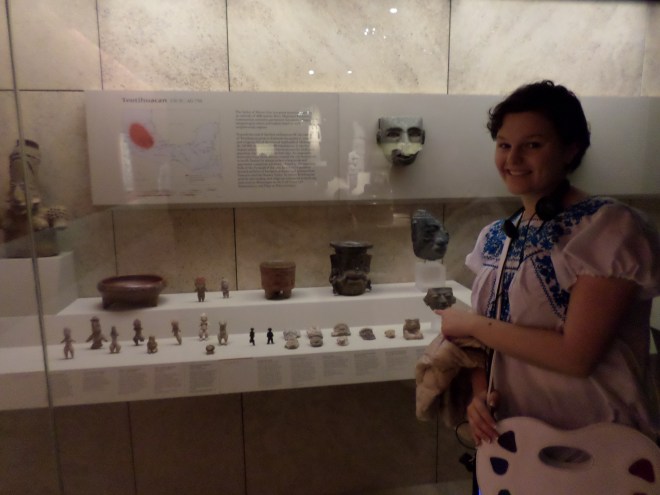
    I was so excited to see what they had on display! The audio guide did not have a general tour of this room but there were lots of objects you could hear descriptions about. Seeing the pottery heads they decided to display was fantastic. It was also nice to be able to classify what I could see. The label for the heads simply read: Mexican pottery heads – also something about their headdresses indicating rank etc. It felt the best kind of nerdy being able to actually say well this one means this and this one means this and so on. There were also some pretty cool stone slabs from the Mayan period that took me right back to what I had seen in Mexico earlier this year.

    SAMSUNG CAMERA PICTURES
    British Museum
    SAMSUNG CAMERA PICTURES
    Audio Guide
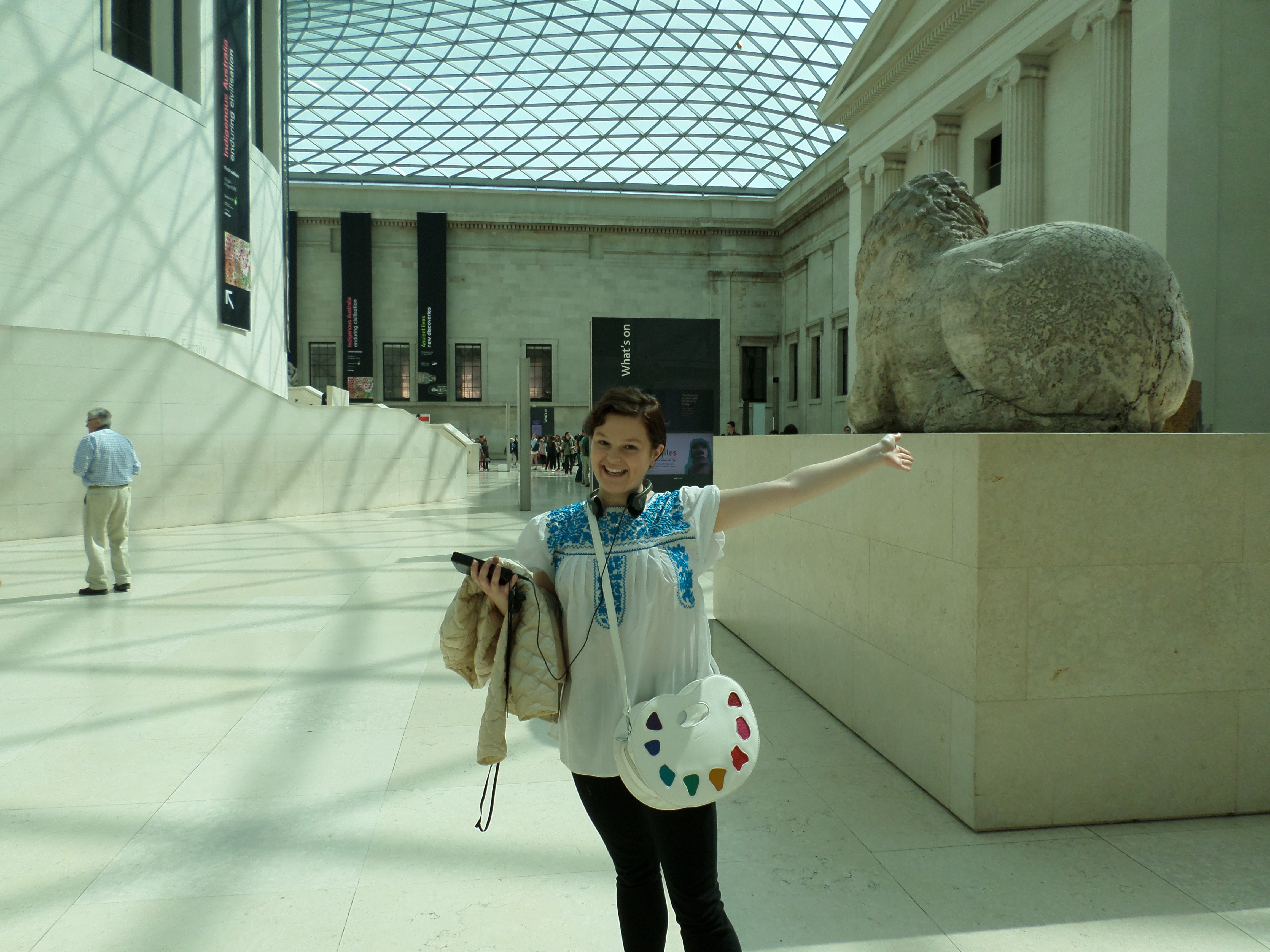
    Me with my Teotihuacan friends!
    Me with my Teotihuacan friends!

    This room would have meant little to me if I had seen it before this year. It’s amazing what six months can do and what you can learn in this time. The Abbey Museum warned me that whatever I chose to research in their collection I would get attached to. And sure enough these little heads amaze me. They are so mysterious – so many questions unanswered. I kind of like the way they have their secrets they won’t tell.

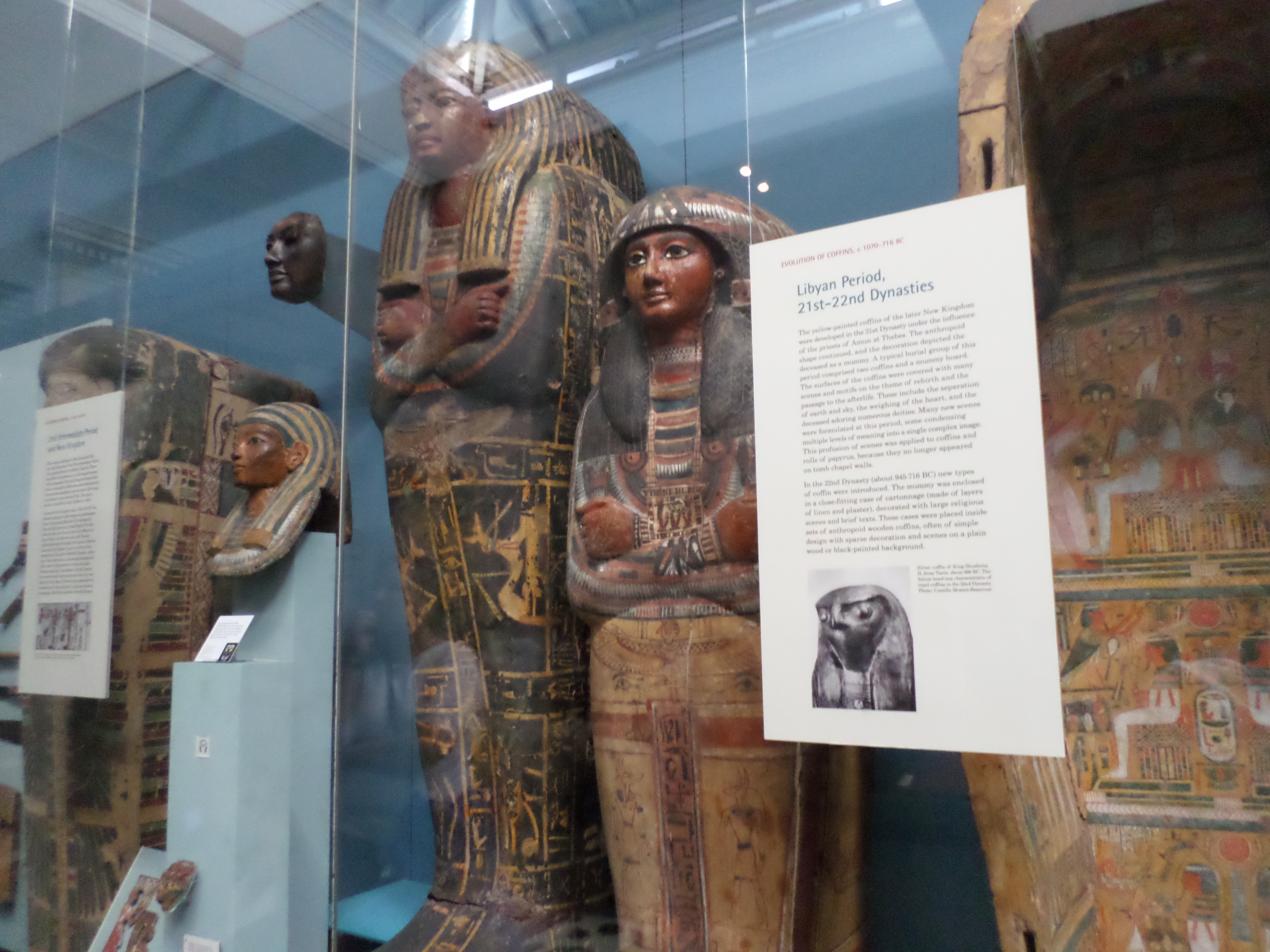
    Other than the Mexican collection, I just can’t go past the Egyptian section as a highlight. I mean, the Rosetta Stone is sort of hard to compete with. Judging by the thousands of selfies going on in the space of four minutes (about the length of the audio guide commentary) it’s a crowd pleaser. And why shouldn’t it be. It sits so proud in its glass case – a real archaeological and historical treasure. The mummies as well will always fascinate me no matter how many times I read about the mummification process or about the Egyptian afterlife. There are so many on display here and they all have such fascinating stories.

    There is just so much to write about I could go on and on. The Enlightenment Library was also spectacular to see. Glass cases lined up with books and curious items. I enjoyed seeing how the museum would have once appeared. There seems to be this huge theme with museums here combing the past and present in one. Not in a “no duh” kind of way but in a “this is how you might have experienced the museum then and this is it now”. A few have really excelled at this and I like seeing the juxtaposition this provides.

    After about two and a half hours we handed our audio guide in. I found a few books on textiles and fashion history that my suitcase would be very angry about if I had purchased. Nevertheless, the museum has a website and I am a willing online customer. Also if you are here on a hot day the vans outside do pretty excellent soft serve ice-cream cones. I like commenting on these things because going to a museum should be an experience, not just seeing a few things then heading off. It should excite and inspire through every means possible. This means being able to eat waffles with soft serve, see the Rosetta Stone and contemplate buying a book too heavy to travel with all in one. No shortcuts. Just a good way to spend a day and be entertained and enlightened.

    SAMSUNG CAMERA PICTURES
    Mummies in the Museum

    This is probably my last post for a while. Tomorrow we set off for Brighton and then the Cotswolds. I don’t have any museums planned – just eating. If I stumble into any they will be reviewed. If I don’t then I’ll post again later on! Until then, go and visit a museum!

  • Victoria and Albert Museum & Hunterian Museum

    Today we tied up our walking shoes and set our sights on two very different but very marvellous museums. We began with the Victoria and Albert Museum (V&A). Built on the site that the Crystal Palace (1851) once stood this museum is a gem from the entrance to the gift shop. There is just so much to see in this museum my main piece of advice is to grab a map!

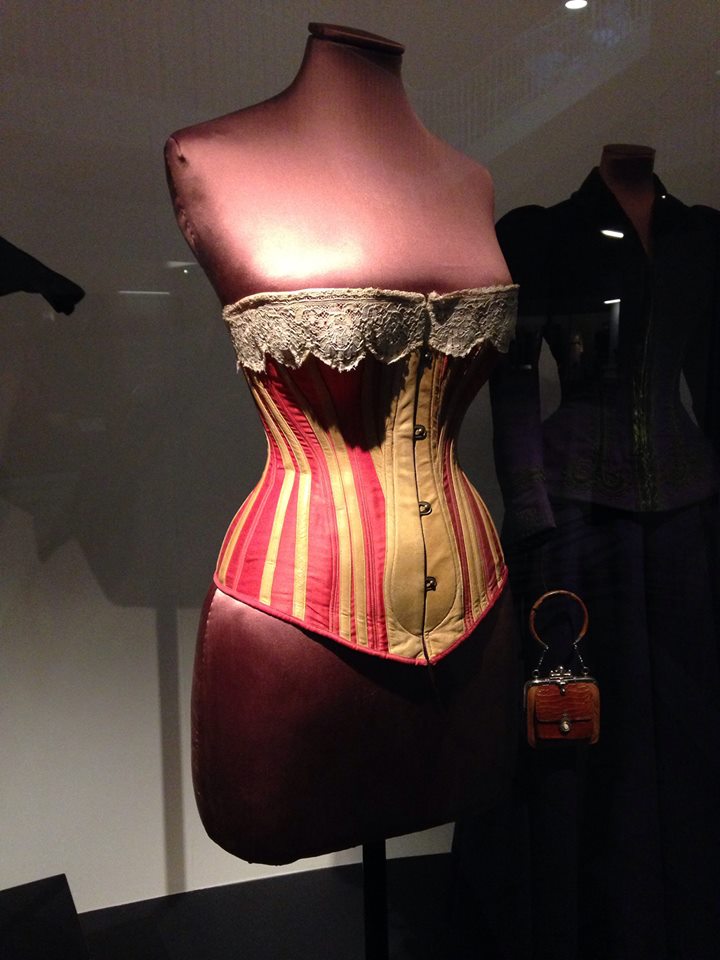
    Since we were on the ground floor and since I have no patience, we rushed straight to the fashion collection. They have some absolutely stunning pieces on display. I just wish there was more for the public to see. It was very teasing! My favourite piece was this corset from the nineteenth-century. It is so beautifully embroidered and manufactured. Some of the other pieces of under garments travelled out to Brisbane for the “Undressed” exhibit. It is incredibly fascinating to see how the ideal body shape has been achieved throughout time with the use of bits and bobs to restrict and mould.

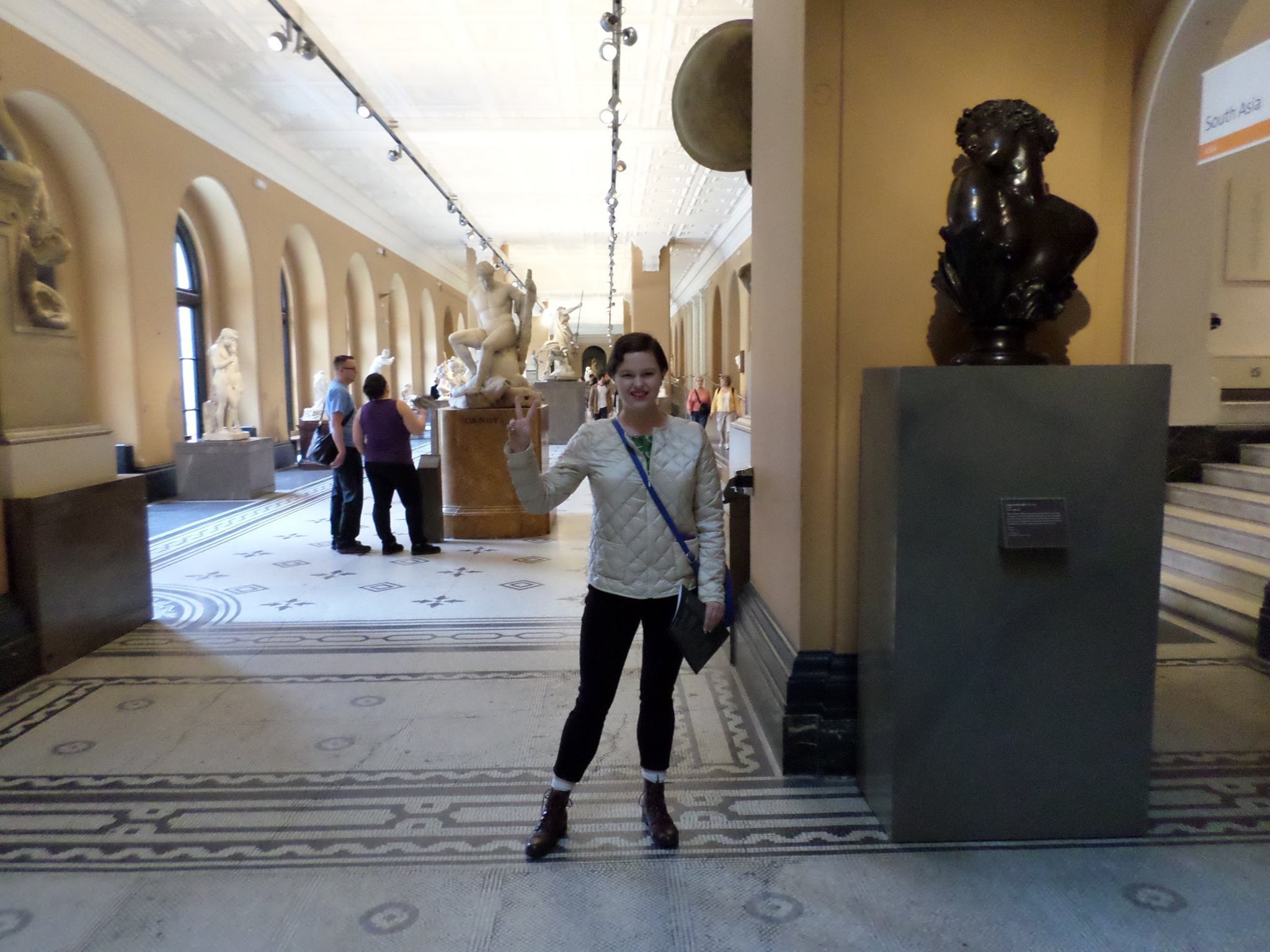
    5. Me at V&A
    V&A Museum

    I was also over the moon to see some fashion plates in the cabinets! I’ll be working externally researching the fashion plates in the possession of the Abbey Museum. Seeing a few just made me terribly excited.

    Corset
    Wonderful Corset at the V&A.

    Other than the fashion section we walked up to see the furniture and ceramics. Again, fantastic layout.

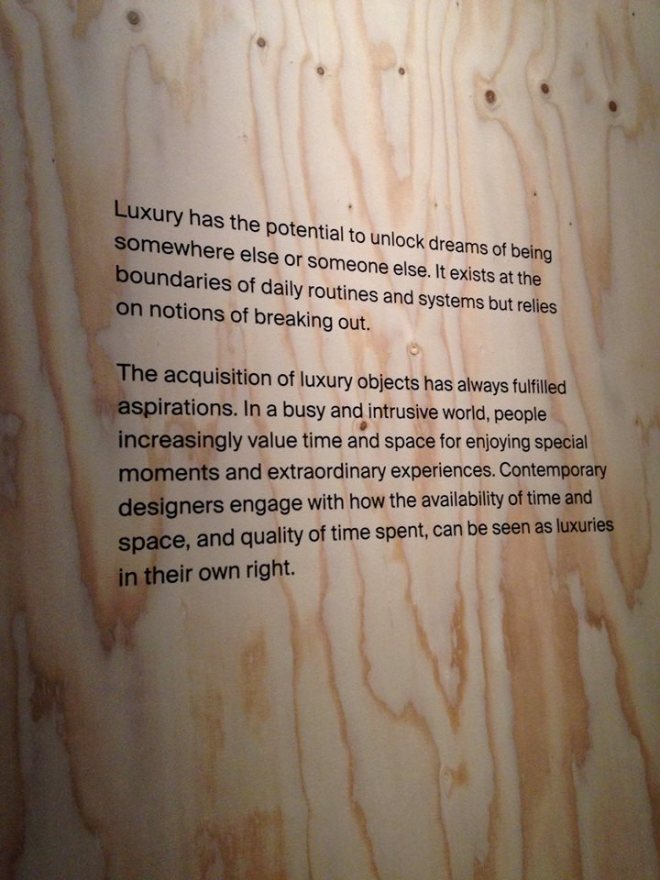
    Before we left I noticed they were hosting this exhibit on luxury. Look at this quote:

    Define: Luxury. V&A.
    Define: Luxury. V&A.

    Isn’t it just amazing! The whole exhibit was a wonderful representation on what is a luxury and how it can be defined. I loved the fact they recognised time is a luxury – one I would like to have more of here! The building itself is architecturally marvellous. I think it’s important for a museum to not only have the right objects but look the right part.

    After the V&A we went down to Harrods for something to eat. A museum in itself where you can learn about how much might be too much for a scarf. Heaps of food displays just a shame there’s no audio guide 😉

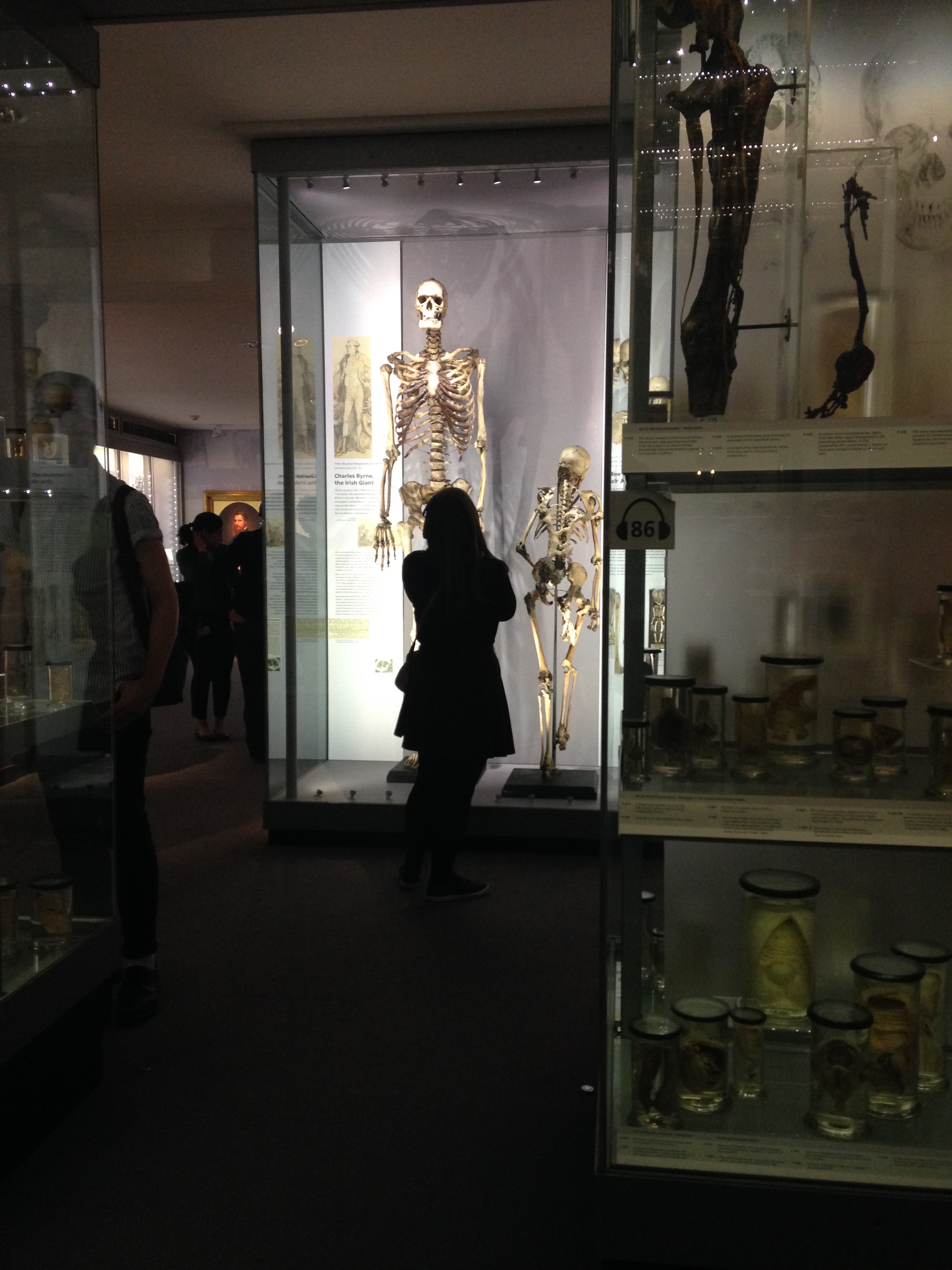
    To round off the day we decided that it was time for the Hunterian Museum. I am so excited to write about this one. I’ll be speaking about it at the History of Medicine Conference in Sydney in July. It’s free to enter so no excuses. The audio guide is 3 pounds 50 pence but well worth doing. It just provides a nice backbone of information to what you’re seeing. Highlights for me were the Irish Giant (point of controversy read about it here: http://www.telegraph.co.uk/news/science/8973135/Why-the-Irish-giants-skeleton-remains-a-bone-of-contention.html) and the section on anaesthesia. Also the thousands of jars filled with I-cannot-unsee-these-things were pretty awesome.
    5-irish-giant-and-shadow
    The Controversial Irish Giant

    Back to anaesthesia. So imagine having one of your legs amputated without it. Sure some surgeons were so good they could take under a minute to perform the procedure but anything less than never having to go through it is going to hurt. The first time a form of  anaesthesia was used to render someone unconscious it was such a massive deal that it caught on pretty quickly. The patient apparently awoke to say he didn’t want to go through with the procedure anymore. But hey, it had already been done. The thought of surgery without anaesthesia makes me ill so thanks to these early pioneers for transforming surgery!

    The rest of the museum is great to walk around. You have no idea what you might see stuffed in a jar. The layout itself is logical and very well done. I felt like I’d stepped back into the past and was seeing the museum as John Hunter would have liked it.

    Such great museums for very different reasons. You’ve entertained and inspired me today!!

  • The Old Operating Theatre

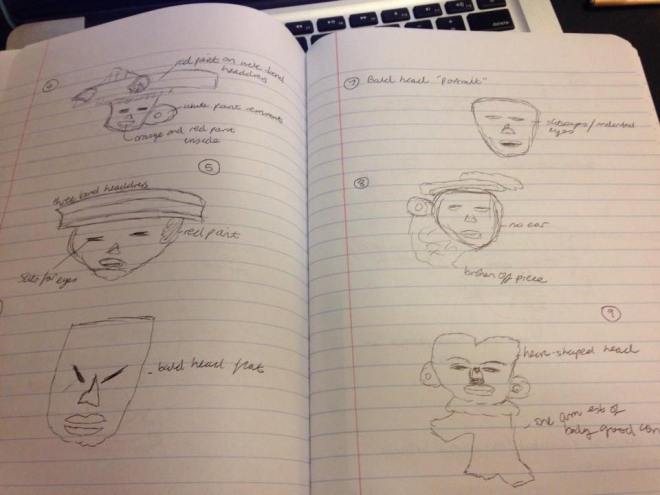
    The last couple of days have been filled to the absolute brim. I will try to combine them in one post. So yesterday being Monday, not a lot of museums were open in London. I was so lucky to get the chance to meet the curator of the Americas and Oceania objects for the British Museum! She was lovely and answered every question I could possibly have on Mexican pottery. I saw a few of the examples they had in their collection which meant going behind the scenes and checking out how they store the items and what cataloguing system they have developed. Needless to say I was in my own little museum heaven. I don’t want to publish the photographs I took due to copyright etc but I did sketch the ones I saw. Brace yourselves for the next Van Gogh…

    3. British Museum Objects 13
    Figurines
    Some of the Mexican heads I got to see!
    Some of the Mexican heads I got to see!

    Now, moving onto the museum we visited today, the Old Operating Theatre. Medical history is yet another area of history that fascinates me to no end. I love hearing about early surgeries and how diseases were diagnosed. This museum chilled me to my bones for all the right reasons.

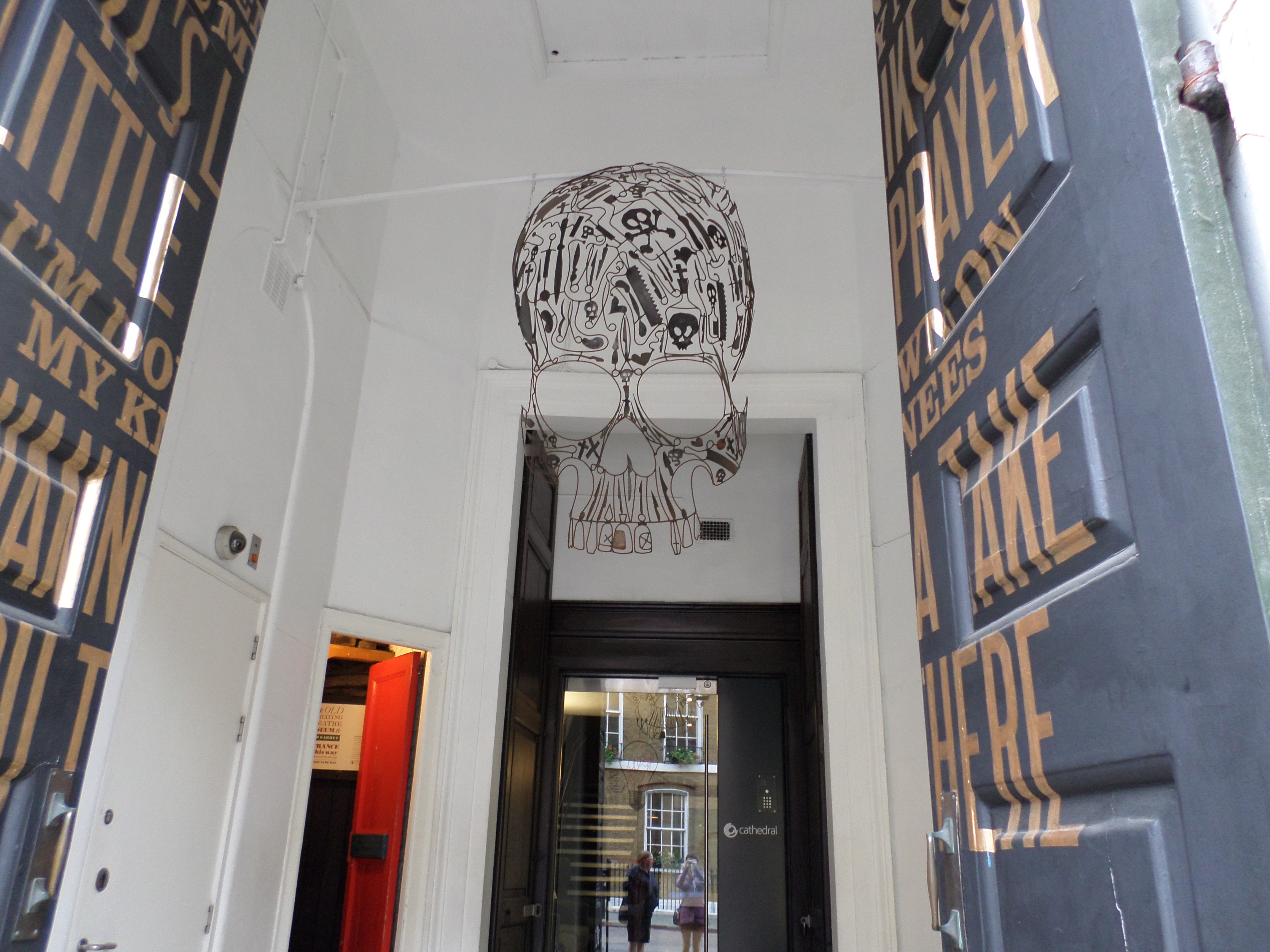
    SAMSUNG CAMERA PICTURES
    Skull at the Entrance to the Old Operating Theatre
    SAMSUNG CAMERA PICTURES
    Skulls in the Foyer of the Old Operating Theatre

    The atmosphere it sets is fantastic. You access the museum after climbing this narrow spiral staircase. Once you’ve purchased your ticket (6 pounds 50 pence) you walk up some more stairs and into the surgery quarters of what was once St Thomas Hospital. The actual surgery room they have there was for female patients only. Before I come to that I’ll start with what first hits you when you walk in. Don’t expect a museum in its modern sense. Basically there is a large room filled with cabinets of curiosities. Everything from saws to preserved heart tissue. There are the occasional explanation cards but you pretty much just sit back and enjoy. This is a real old-school style that I think suits this style of museum.

    SAMSUNG CAMERA PICTURES
    Example of a Display Case

    The highlight is the surgery room. A room once filled with aspiring surgeons watching over their superiors to learn the craft. Surgery was really a last ditch effort to save someone’s life. Without anaesthetic I don’t imagine it to be a pleasant way to spend an afternoon. Nevertheless massive developments were made in the field during the Victorian era and this little room would have some amazing stories to tell. In the middle of the room itself is an operating table. Surrounding it are original preparation tables, wash basins and, my personal favourite, instructions on where you should be standing depending on your seniority. This kind of stuff fascinates me. Similar to the Wellcome exhibits though, if you have a weak stomach probably best to give it a miss.

    In the Operating Theatre!
    In the Operating Theatre!

    My only piece of advice is to check if a school group is there when you visit. From my volunteering I’ve learnt it’s important to let people know just out of courtesy. We were not informed and this meant waiting a little longer than we would have liked to see everything in peace. This is not really a criticism of the museum itself but I have a soapbox and I’m going to use it!

    Overall, if you love your medical history then get yourself to this awesome, unique and often over-looked gem. If you need any more motivation the Borough Markets are right next door where you can buy a macaron as big as your hand. So once you’ve seen the doctor you can get your sweets!

  • Imperial War Museum & Florence Nightingale Museum

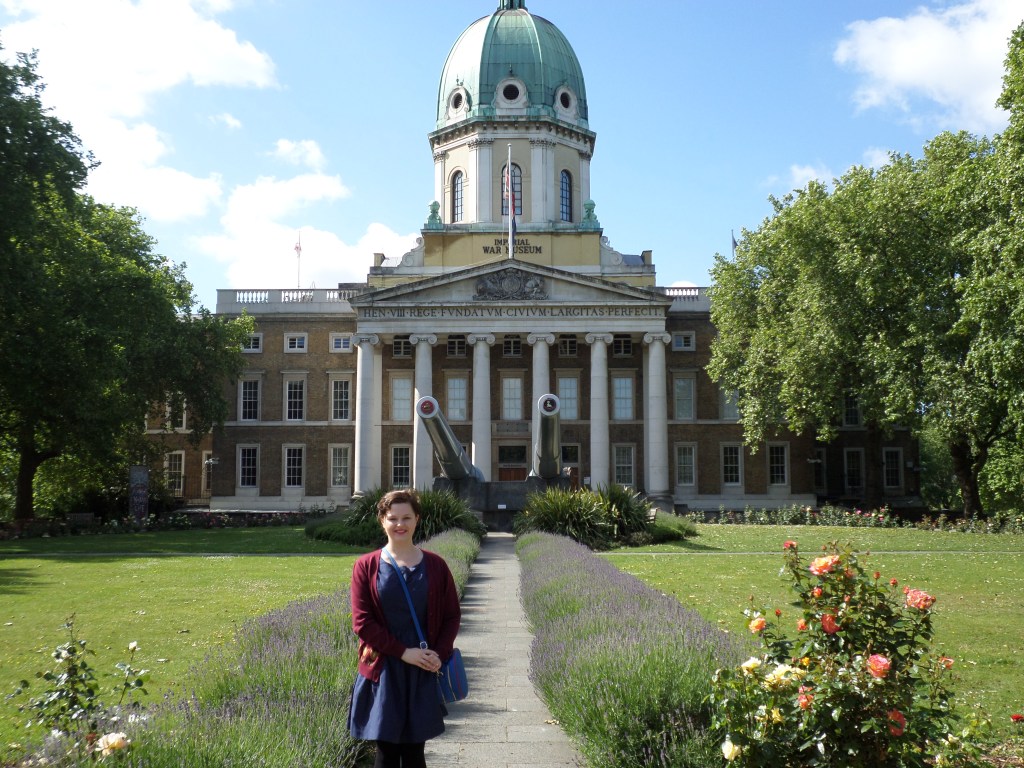
    What an absolutely incredible day! I have been told countless times by others how amazing the Imperial War Museum is and how I should visit it etc etc so I could not resist. To start, let me review the temporary exhibit: Fashion on the Ration.

    This is probably the best museum exhibition I have ever seen. It was wonderfully curated and filled to the brim with fantastic objects. To begin, the exhibit explained how fashion during the Second World War suffered, but did not end. Rather, both men and women were forced to become creative and to cope with what they had. Like food, clothing was heavily rationed. The slogan of the times was “make do and mend”. It was incredible to see how inventive people became and what lengths they were willing to go to in order to maintain morale.

    SAMSUNG CAMERA PICTURES
    Imperial War Museum

    There were plenty of textiles on display. I loved the handbag that had a compartment included to fit a gas mask. There was also this wonderful wedding dress made entirely from petticoat material. About halfway through the exhibit as well were samples of the main types of fabric available during the War. You were able to touch and feel the clothing which I thought was an excellent addition. Besides clothing, there was a section on make-up and accessories. Near the make-up exhibit was a great quote that, in a way, summarized the themes of the exhibit  – “Good looks and good morale are the closest of allies” – Yardley cosmetics 1945.

    I had to buy the exhibition catalogue by Julie Summers. So far, it has been a fabulous read and such a great accompaniment to the exhibition. I cannot speak highly enough of what we saw! If you are in London whilst the exhibit is showing, go go go!

    The rest of the Imperial War Museum was very comprehensive. We had a quick walk through the Families During the War exhibit and then one on the First World War. The latter especially was amazing. There was just so much on display it could literally take you days to see it all. It got a bit exhausting after a while but I was glad we had some breaks to recuperate and carry on. Object highlight: a christmas message on a military biscuit.

    Christmas Message on Biscuit.
    Christmas Message on Biscuit.

    Shout out to the gift shop as well. I love a good gift shop and this one was just wow. A few lovely additions to my museum catalogue collection and a crotched poppy for wear on Remembrance Day.

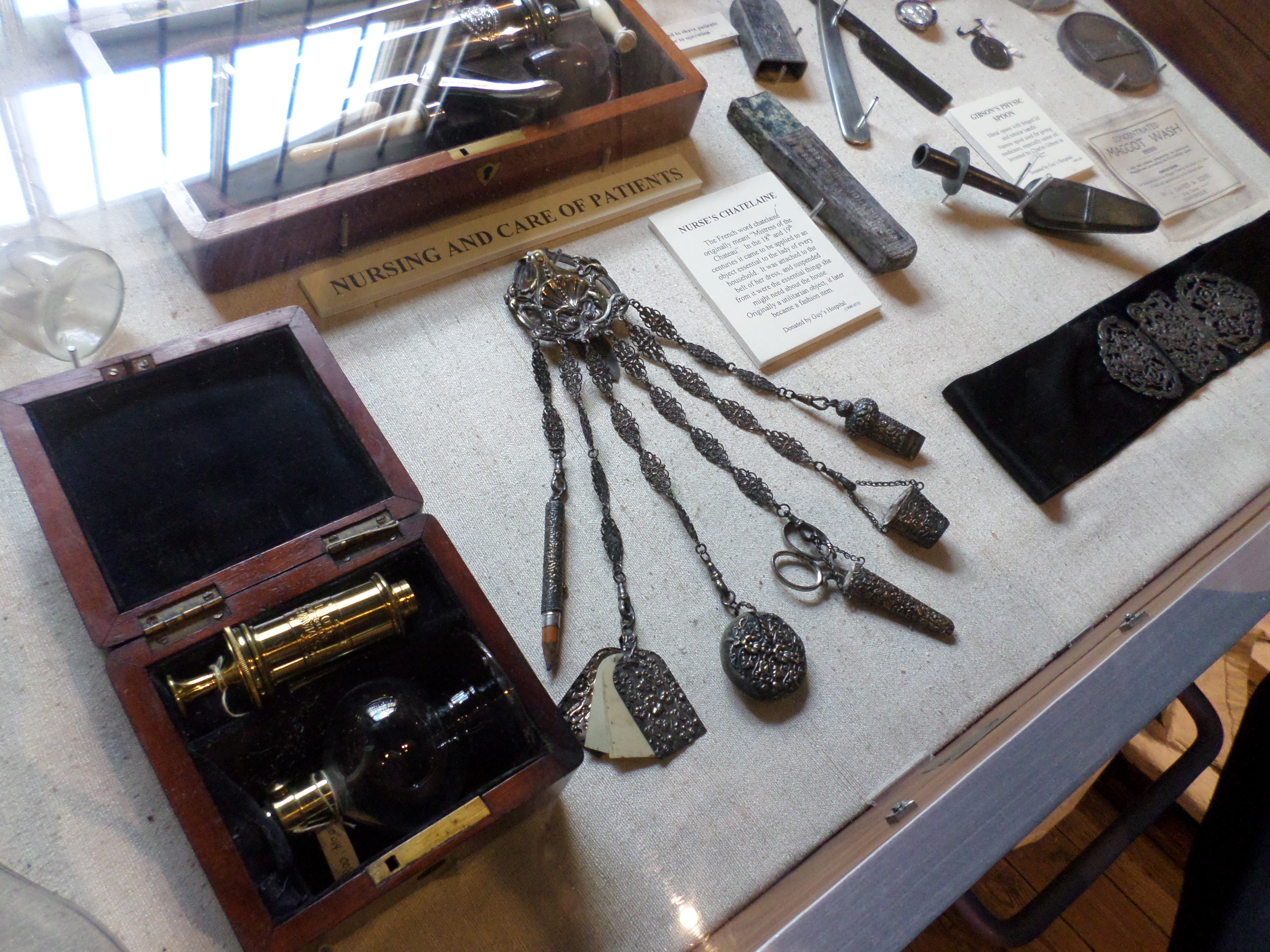
    After the Imperial War Museum we walked back to Westminster and luckily stumbled upon the Florence Nightingale Museum. The objects were great although the layout was a tad bit confusing. There were three main circular display cabinets. Going from one to another was disorientating. Other than that there were some pretty neat information concerning the life and legacy of Florence Nightingale. She truly was a wonderful woman who achieved remarkable things. You can see a few of her early notebooks and her famous lantern. If you’re interested in nursing or have a spare moment around the South Bank/Waterloo area then yeah, go in for a look.

    Florence Nightingale Museum
    Florence Nightingale Museum.

    I am so excited to see what the following days will entail re: museum visits. I am expecting some amazing things! So far, the bar has been raised very high.

  • Wellcome to London

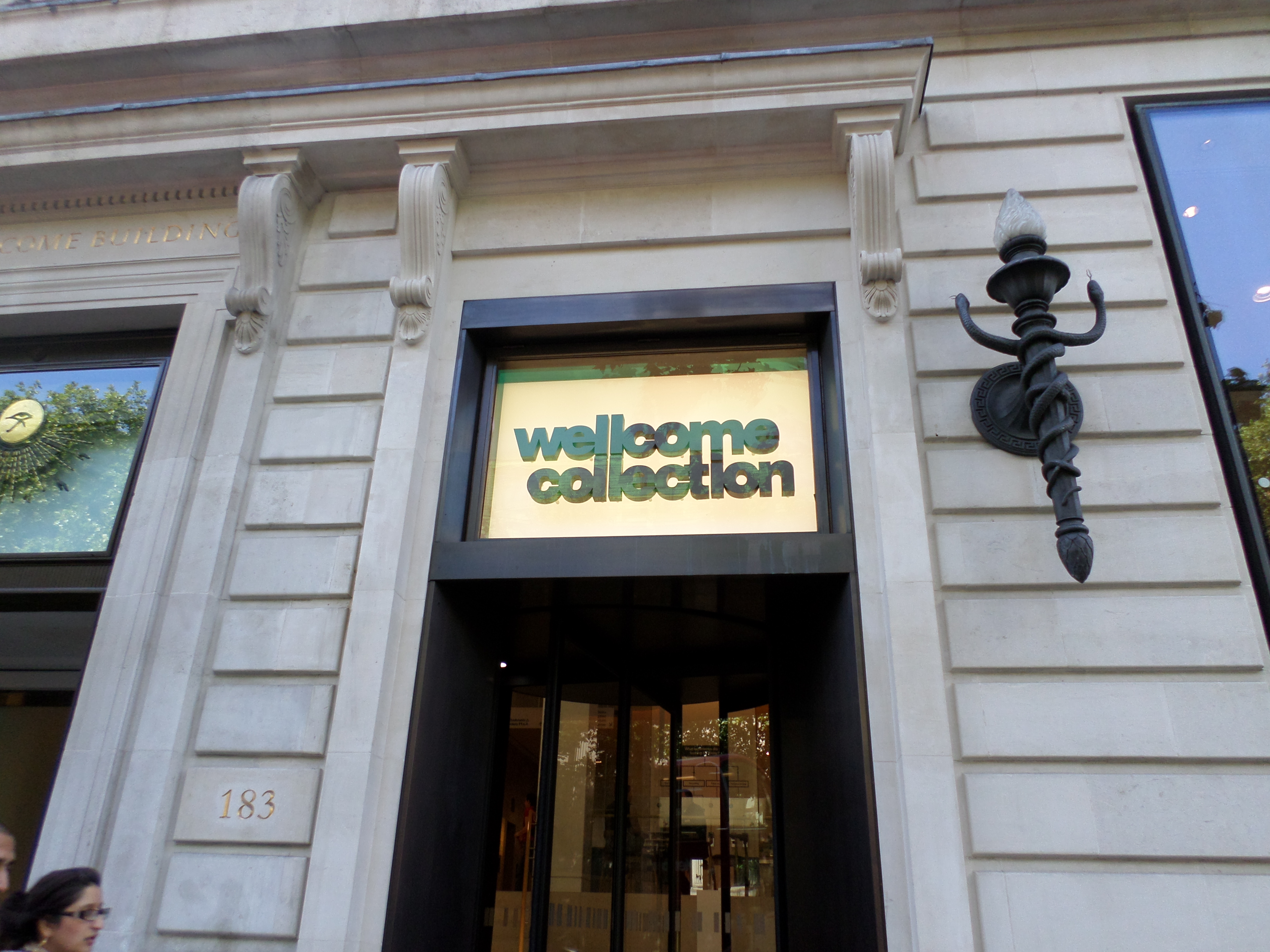
    Day one in London = museum number one: the Wellcome Collection. I was extremely excited to see this collection after reading up about it last year. The wonderful and bizarre contents inside did not disappoint. To give a little history Sir Henry Wellcome was a pharmaceutical entrepreneur and a keen collector of medical artefacts. His collection was first exhibited around the end of the Victorian era. It is now owned by the Wellcome Trust. There is a permanent exhibit as well as temporary ones that change from time to time.

    I arrived around 10.25 am and was lucky enough to get a spot on a free guided tour of their semi-new forensics exhibition. It was marvellous. Do yourself a favour and look up Frances Gleaner Lee and her crime scene doll houses. She virtually revolutionised crime scene management using doll house models to teach up-and-coming police men how to look for clues and how to not tamper with evidence. What a remarkable woman. One of the models was on display and the level of detail Ms Lee went to is second to none. For example in the living room of the scene was a newspaper. Although just the front page is on display to the naked eye, each page has been filled out to be as accurate as possible.

    SAMSUNG CAMERA PICTURES
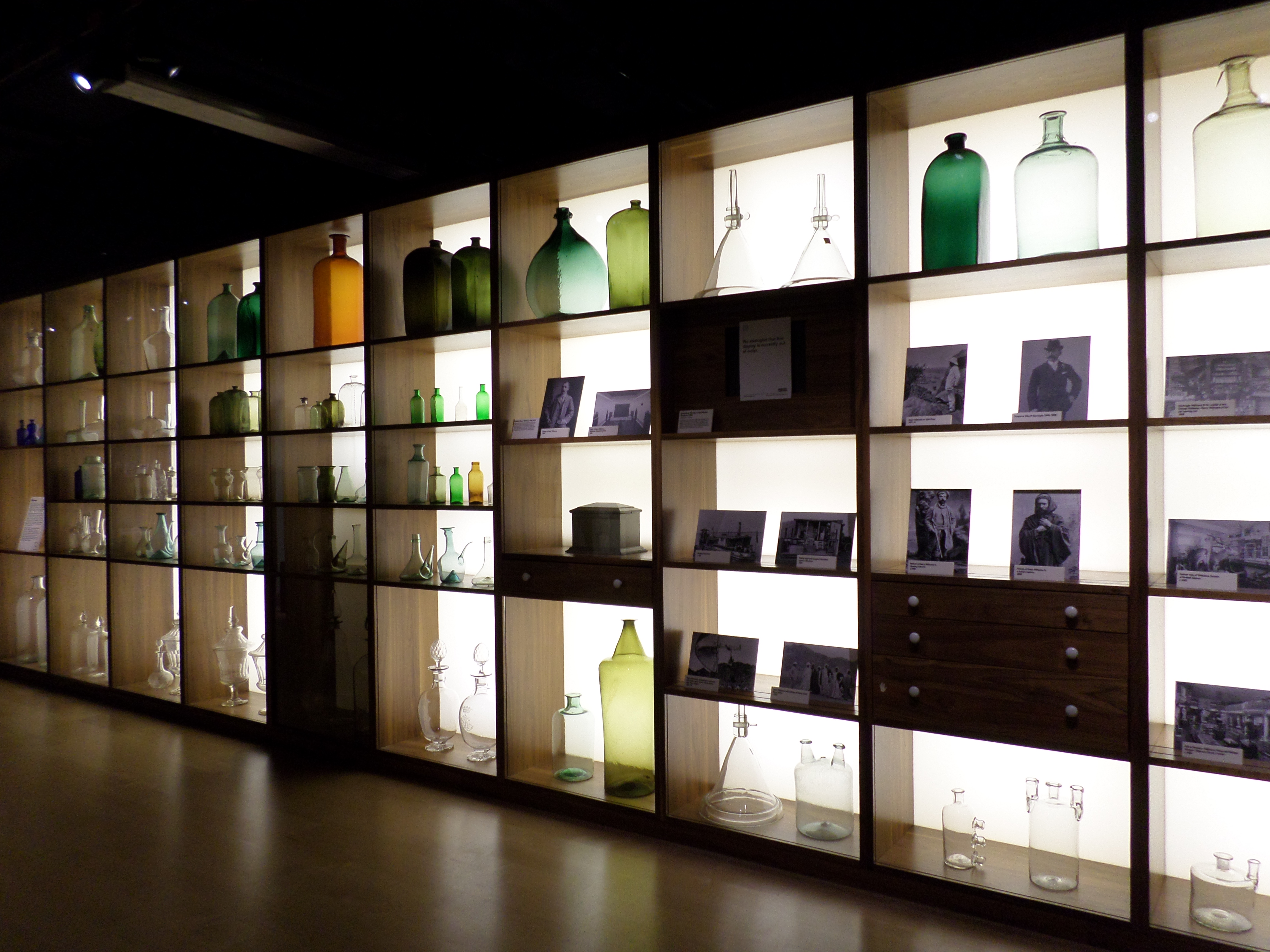
    Bottles on Display

    After the scene of the crime we walked through the morgue. A lovely Royal Doulton ceramic autopsy table was the highlight for me! Finally, we learnt a bit about DNA and the general development of forensic science. It was a fantastic exhibit and thanks to our tour guide it was so enjoyable to see.

    Besides this temporary exhibit I loved the section called “The Medical Man”. Do not go in if you have a weak stomach. There are some pretty full-on objects including an entire case of medical saws and equipment. The audio guide at the entrance was really good and provides a great introduction. I want to focus on two objects that caught my attention and interested me the most.

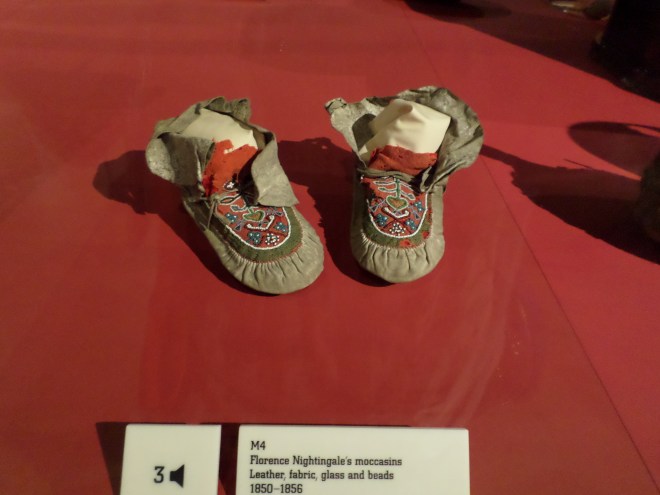
    The first were the moccasins belonging to Florence Nightingale. These were beautifully embroidered and in such good condition. It is believed that they were a gift – never worn in the operating theatres but in her own quarters. The condition indicates this strongly.

    Moccasins belonging to Florence Nightingale.
    Moccasins belonging to Florence Nightingale.

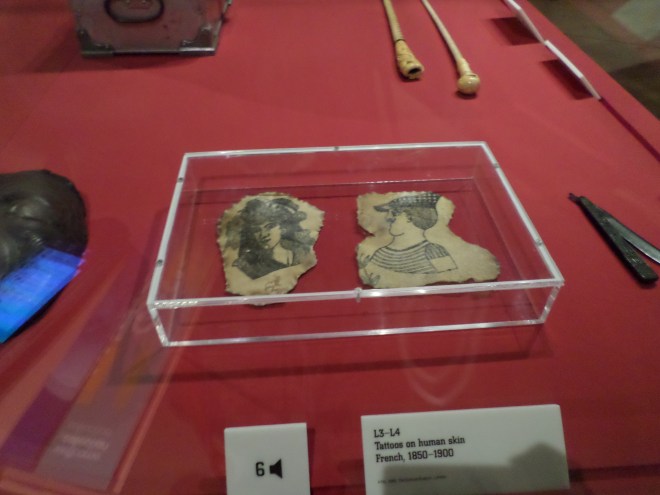
    The other object that fascinated me were two pieces of preserved skin with tattoos on them. Oh they were wonderful! And with a further 298 skin tattoo samples in the museum I would love to delve into this collection. Gemma Angel has completed her PHD on this topic of tattooed skin preservation and I cannot wait to see her conclusions. There is no clear reason why these tattoos were collected – some thought you could link tattoos to criminals so kept them for further examination. Whatever the reason they make for fascinating objects in a museum and well worth seeing!

    Two pieces of tattooed human skin.
    Two pieces of tattooed human skin.

    The other exhibition spaces were small but full of lots of information. I spent around two hours here which I felt was plenty of time to see and experience the whole thing. There is also a solid book shop at the end if you want any more information on the collection or on forensic science.

    SAMSUNG CAMERA PICTURES
    Entrance to the Museum
    SAMSUNG CAMERA PICTURES
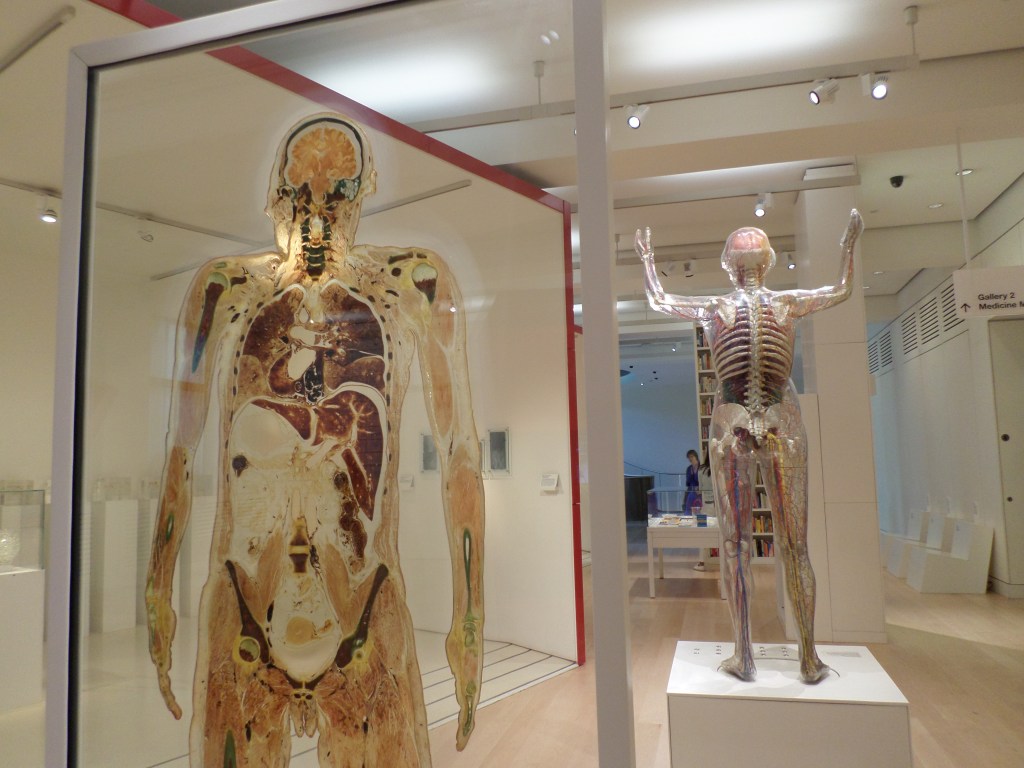
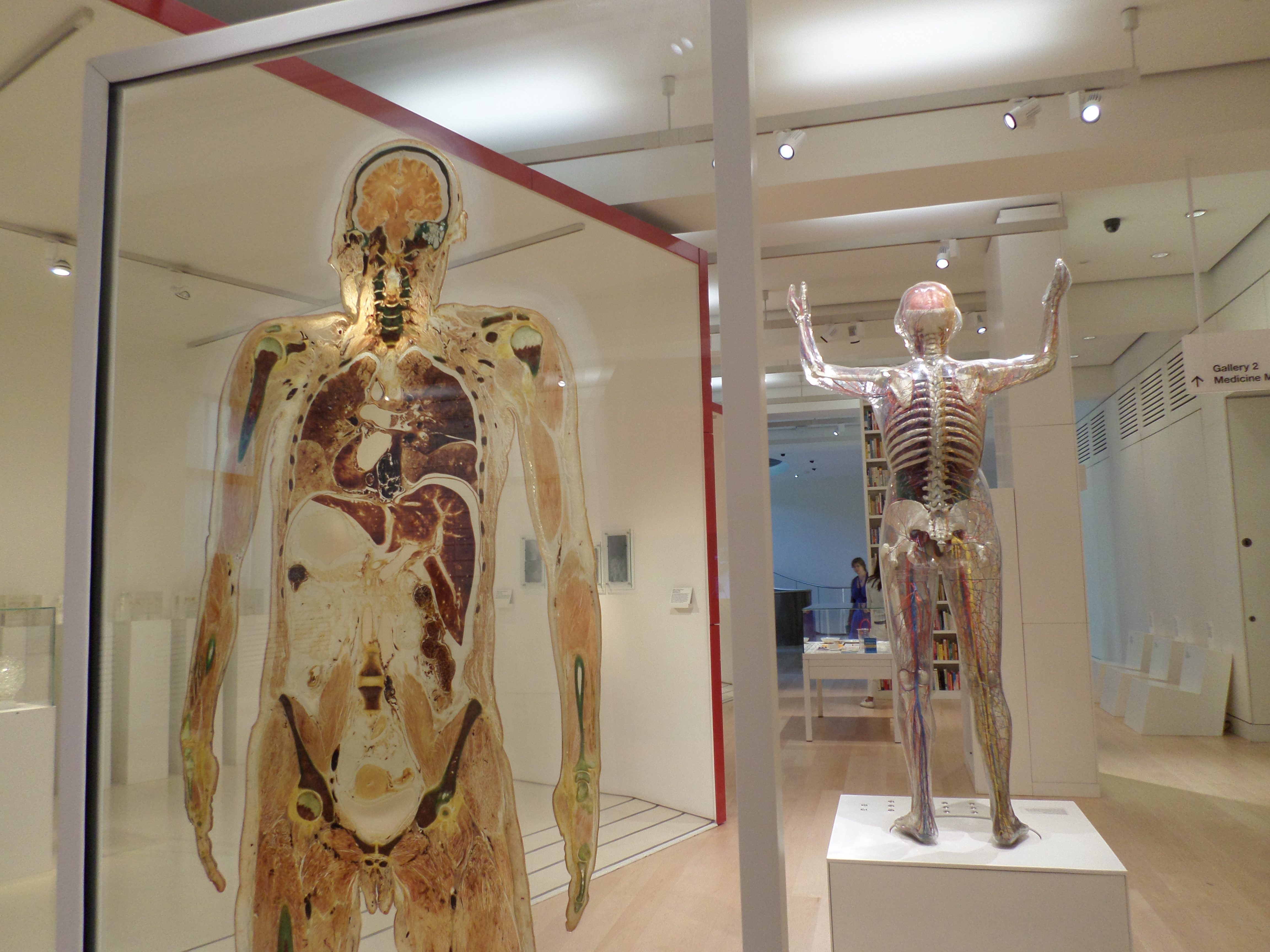
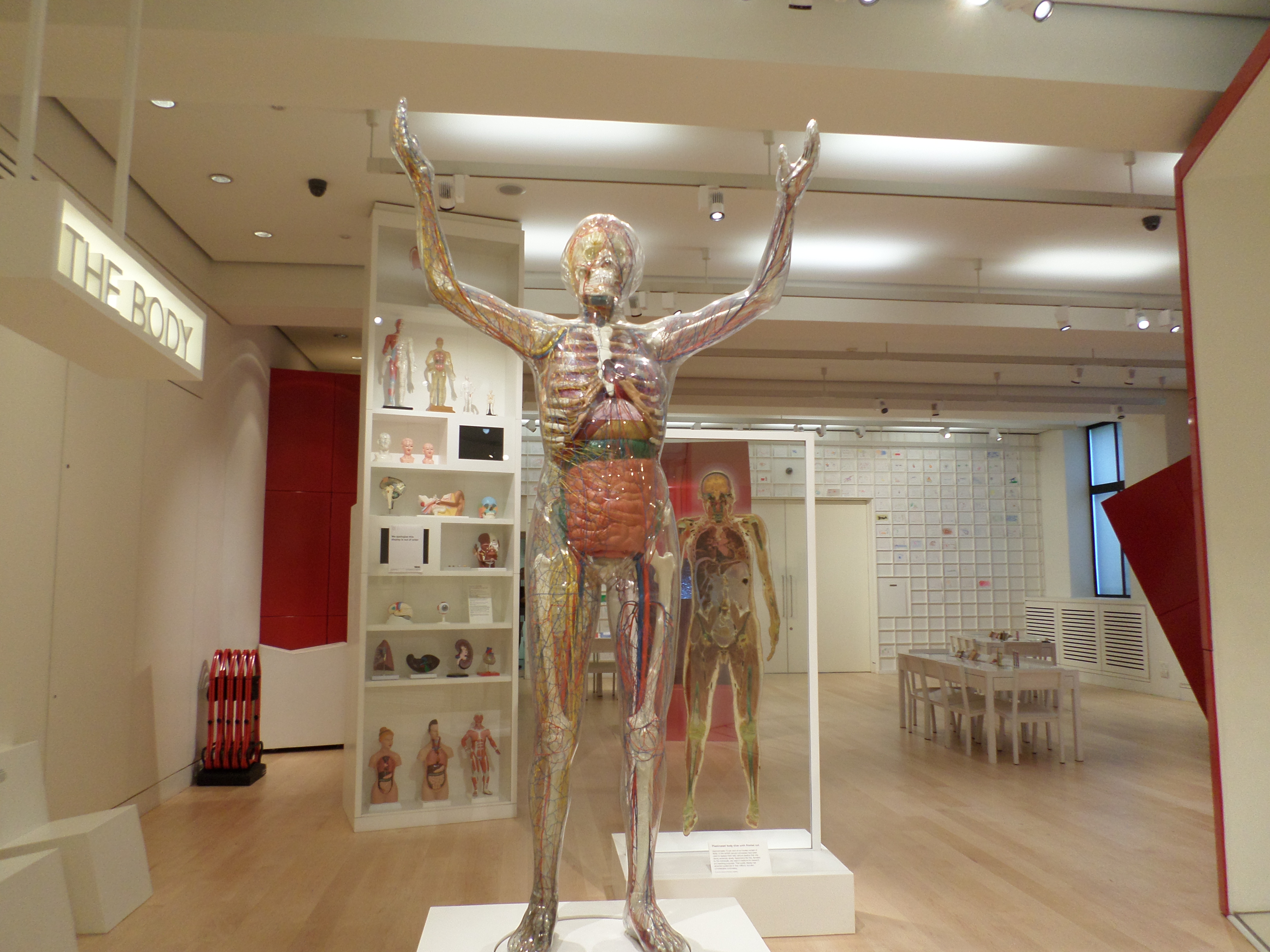
    Transparent Woman
    SAMSUNG CAMERA PICTURES
    The Medical Man
  • Verzetsmuseum: Resistance and the War

    I know I promised a review of the Sex Museum in Amsterdam but after visiting there isn’t really much to say. It’s a museum…about sex. You get the picture. There were some interesting parts – women’s lingerie dating back to the 19th century until today. Only visit if you have time to kill.

    I should have premised these entries by stating that I have been to Amsterdam before. I spent ten days here early last year and saw all the big museums then such as the Rijksmuseum, Van Gogh Museum etc. This visit was more a refresher for the Maritime Museum exhibit. Since I have had some time left over I’ve been lucky enough to see the other museums Amsterdam has to offer. The ones I didn’t get round to seeing last time.

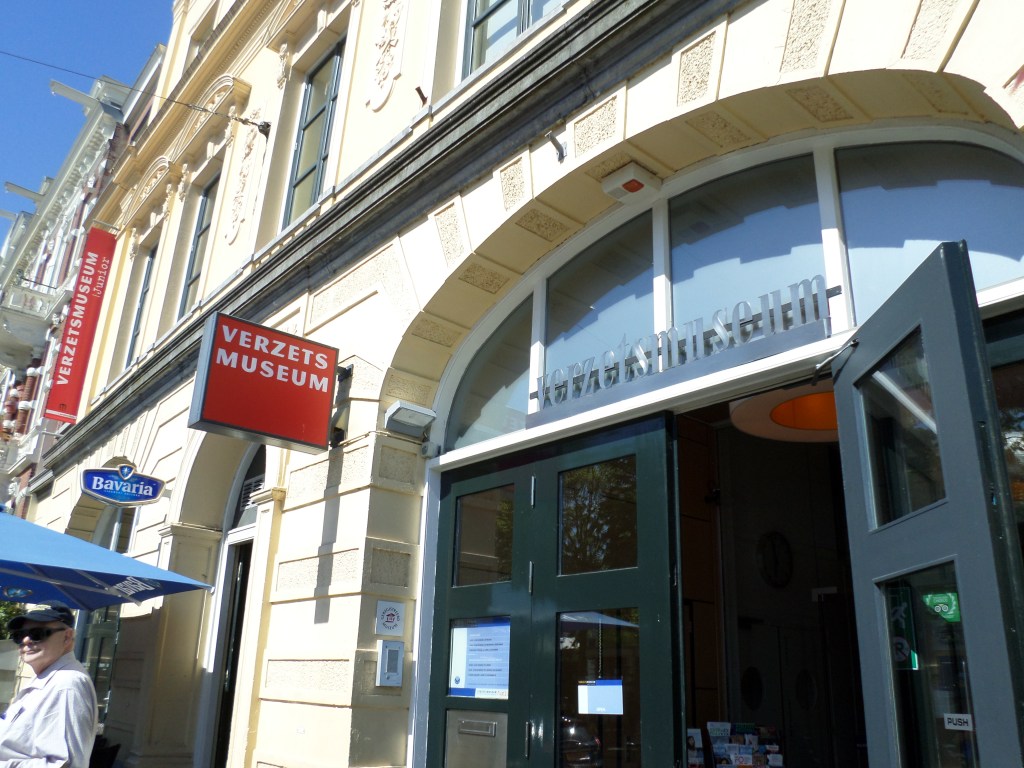
    Entrance to Dutch Resistance Museum
    Entrance to Dutch Resistance Museum

    Today I dedicated two hours to the Verzetsmuseum, the museum of Dutch Resistance. Apart from America under Kennedy, the Second World War is what really got me interested in history. There is something so horrifyingly fascinating surrounding it. We all know the story of Anne Frank (another museum I have previously visited) but I was very eager to see more and learn more about this period from a Dutch perspective. I don’t want to get into the history of the museum too much because it’s dense, very dense. A lot of wonderful stories that you should come and see for yourself.

    Instead I’ll begin by reviewing the museum itself. To start, the audio guide was amazing. Throughout the museum were 32 audio guide locations. Each one spoke about an aspect of Dutch resistance to or collaboration with the Nazi party. After about one to two minutes of commentary you were given the option for more information on a number of themes briefly spoken about in the introduction. I love this style of audio guide. It caters to many more people. I also loved how it sort of coerced you into learning more. For example, one section of the museum focused on the colour orange and how it was used in the resistance movement. After a little spiel the audio guide said something along the lines of: Press A if you want to hear about how a baby’s name led to incarceration in a concentration camp. How could you not Press A!

    The feminist in me absolutely loved the section on women’s resistance and the story of the “red-haired” girl. Women played such a vital role in Dutch resistance and I was so glad to see their contribution recognised. The audio guide for this section really stood out in my opinion with so much extra information and wonderful objects to accompany.

    Besides the audio guide, the layout of the museum was fantastic. At first glance it looks a bit confusing with lots of rooms breaking off here and there. However, once you get started it becomes more logical. An absolutely amazing room to see is the cinema that plays a bit of a Dutch film and then Nazi propaganda that movie audiences would have watched. The audio guide said something in this room that will probably resonate with me for a long time. Although a lot of movie-goers would have been “anti-nazi” they still went and sat through the ads just to escape the outside world. They knew the ads would come on but it was a small price to pay in order to see a film and be transported momentarily. It was a comment on the human condition and although a throw away line in the audio guide I think it was the most powerful.

    My favourite object from the museum is pictured below. A skirt created from sections of different fabrics sewn together. This skirt was worn at a celebration festival when the war ended. Each fabric segment was from an item of clothing that was significant to the owner. This was just a beautiful item to see – someone’s heart and soul poured into making an item of clothing used for celebration.

    Skirt
    Celebration skirt in the Dutch Resistance Museum

    Overall the museum was definitely an experience I won’t forget. It is important to recognize that resistance came in many forms and the stories of those who played even a minor role should not be forgotten.

  • Tassen Museum & Het Scheepvaartmuseum

    Since the wait for lunch is apparently long at this cafe I thought I might as well write my first museum reviews. This morning/afternoon I visited two absolutely marvellous museums here in Amsterdam. Since the wait for lunch is apparently long at this cafe I thought I might as well write my first museum reviews. This morning/afternoon I visited two absolutely marvellous museums here in Amsterdam.The first was the bags and purses museum.

    As you can probably guess, I am completely enthralled by textiles. Handbags most certainly fall into this category. This museum reinforced the importance of a humble accessory showing how the bag has developed over the last few centuries. From bags with specific purposes to ones that were fashion statements this museum had them all. One statement that particularly caught my attention was that bags contain important elements of our life – what we carry can define us. What better way to see what value was placed on certain items throughout history than by unzipping the bag and looking within.

    SAMSUNG CAMERA PICTURES

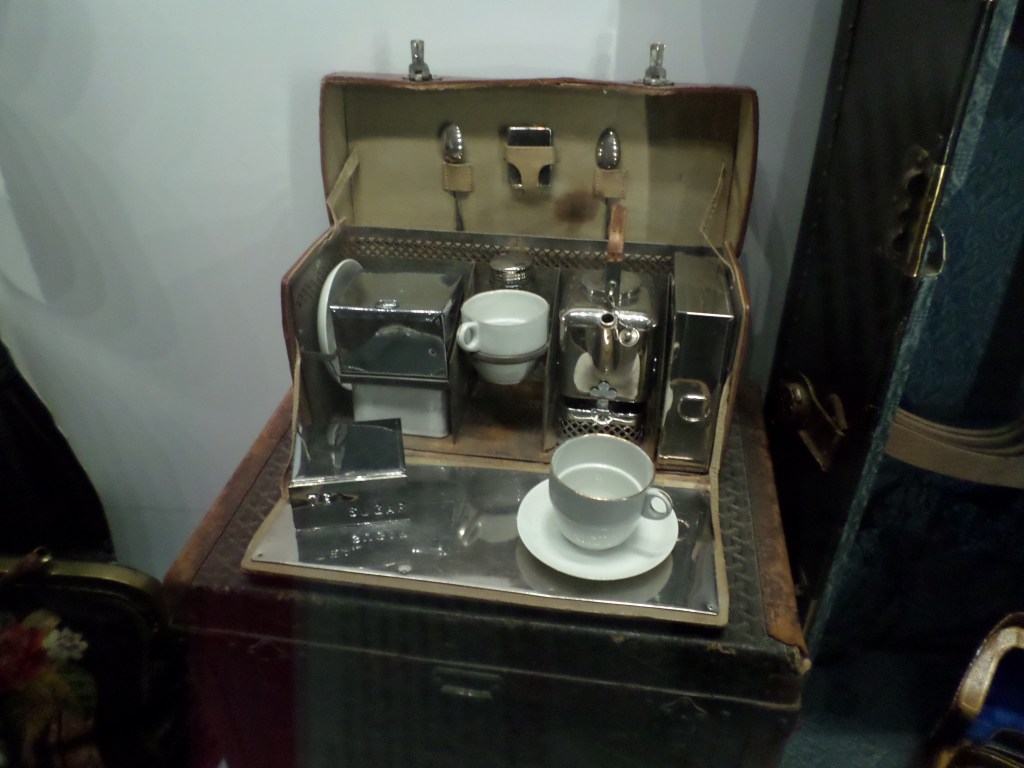
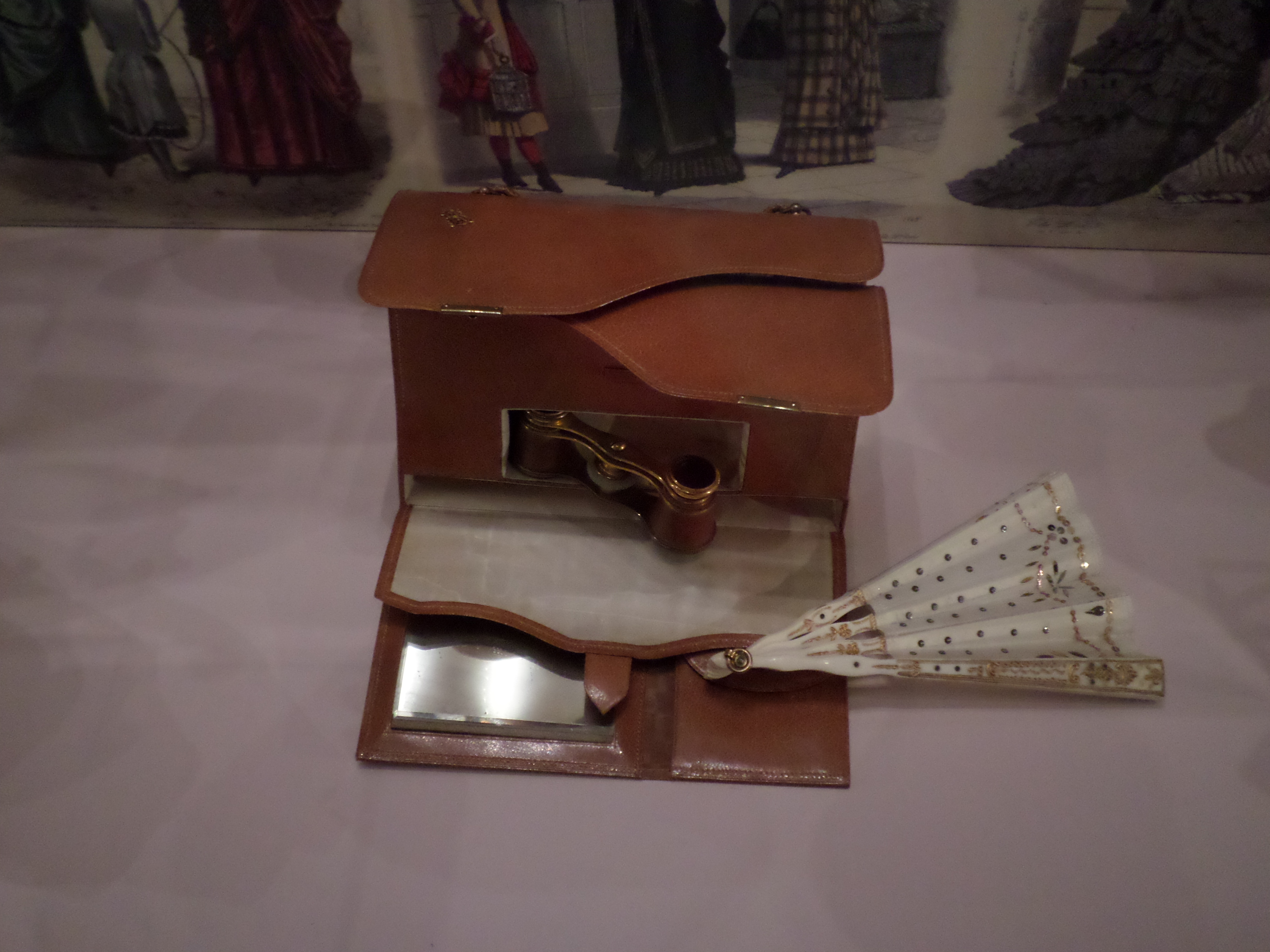
    There were so many highlights in this museum! I absolutely loved a little bag from the 19th century that a woman would take to the opera. It contained little sections for a fan, binoculars and change for the bathrooms. Resting alongside was another bag with a very specific function. It unfolded to reveal an entire tea set. Never let being away from a kettle get in the way for your need for tea. I understood this bag on so many levels.

    Opera Bag at the Bag and Purses Museum.
    Opera Bag at the Bag and Purses Museum
    Tea Set Bag
    Tea Set Bag at the Bag and Purses Museum

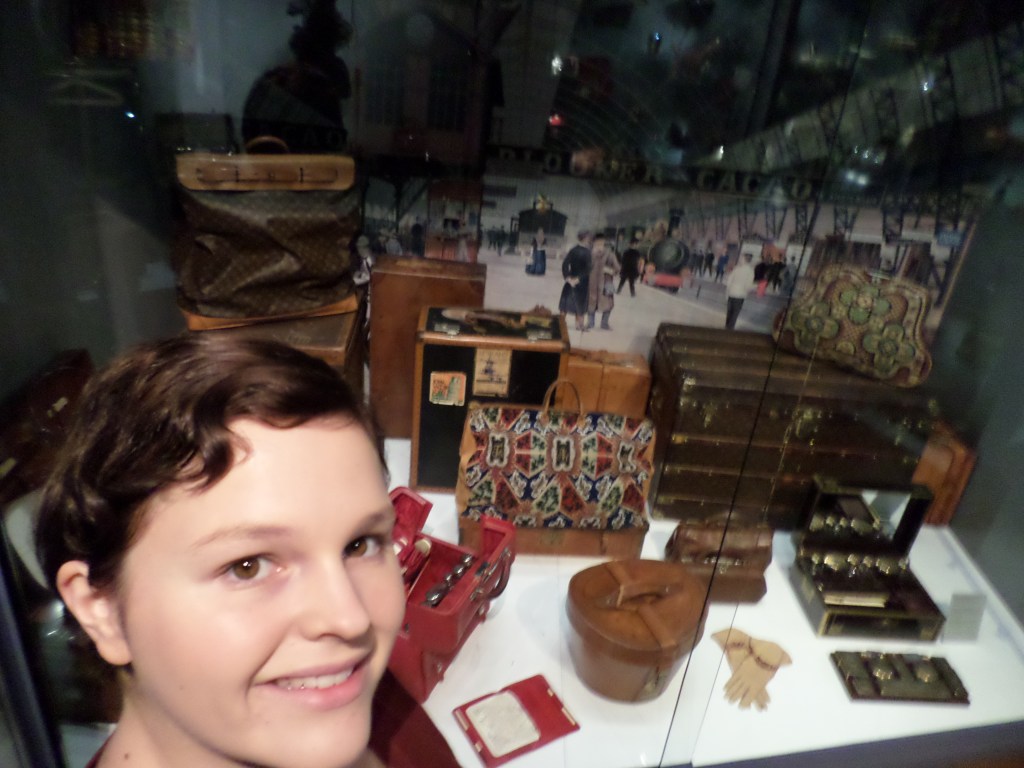
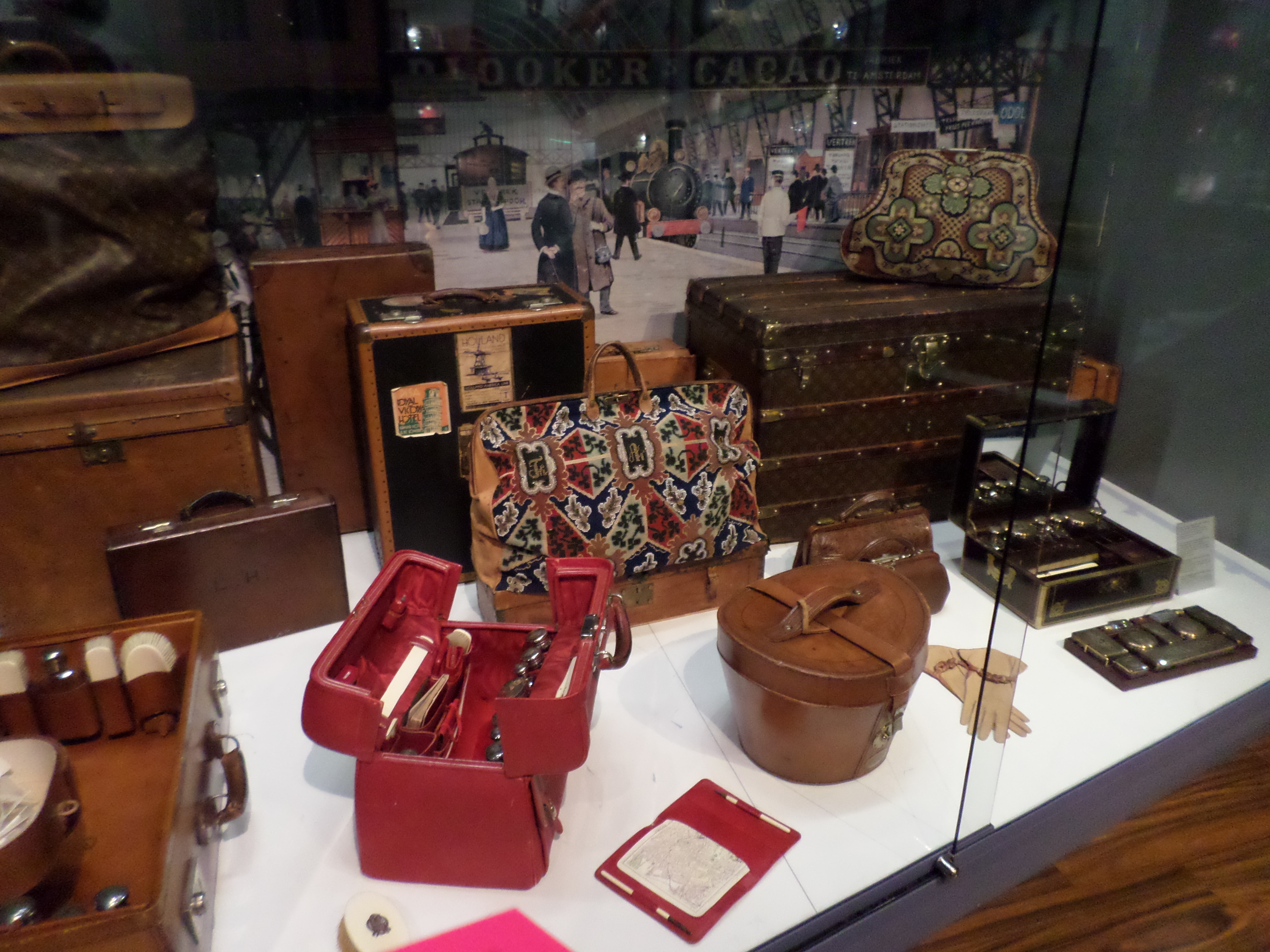
    I also absolutely adored this entire display cabinet on travelling bags. The history behind it brought the items to life. With the invention of the steam train and faster people movers, travel became more widespread. There was a new market for bags that could hold a lot more objects yet be carried around with ease. It made me think a lot about how I packed for this trip – suitcase, carry-on luggage etc. All of this packing apparatus had its origins right back in the Industrial Revolution. The embroidered one in the middle was just incredible.

    Travel Bags!
    Selfie with the travel bag exhibit!!

    So it seems like a random museum but I could not recommend it enough. Also, just saying, the gift shop was voted best in Amsterdam for 2014. I may or may not have purchased a bag… I couldn’t help myself!

    After the bag museum I headed off to the National Maritime Museum (Het Scheepvaartmuseum). This museum is especially close to my heart as it offered me inspiration for my first conference presentation – that on trans-Atlantic slavery. That exhibit has been and gone but what is left is also amazing. The Dutch Golden age of exploration and rapid expansion is delightfully told through interactive boards and objects.

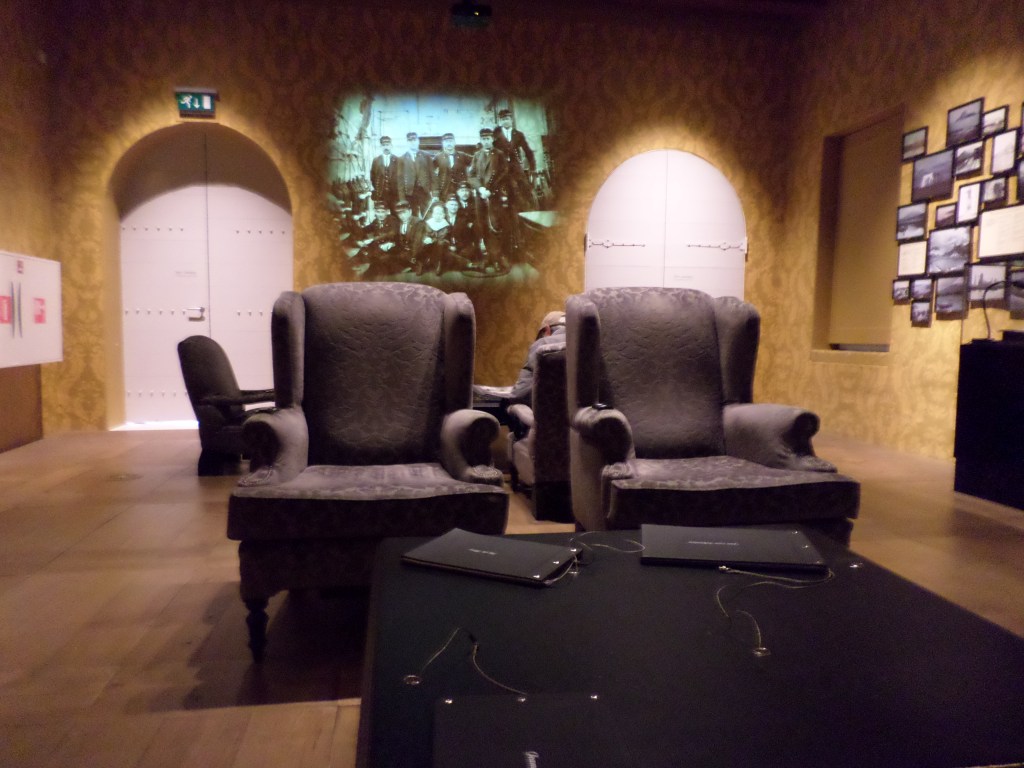
    I have never been in such a tech-savvy museum in my life. For example, one spectacular room is filled with photo albums from certain maritime individuals. You walk in and see a whole group of comfy arm chairs. The idea is you sit down, select your language on the arm rest and hear the story of the album you are looking at. Meanwhile projectors show a whole bunch of photos. It was so comfy I could have stayed there/slept there for some time.

    Comfy Chairs
    Awesome interactive display at the National Maritime Museum

    The navigational equipment room is also worth a good look around. What I loved so much about this museum was seeing how everyone could interact with everything. Each room had computers, touch screens and even object interactions. It made my time here so enjoyable and it gave my eyes a rest from having to read copious amounts of information.

    Both museums were just amazing. The handbag one especially was exceptional. I don’t like the way clothing and accessories can sometimes be looked down upon as being frivolous. Just like every other object out there they can tell stories to amaze and inspire. What you wear is an important part of your identity. I think more and more museums are understanding this and there are some spectacular displays both out there and coming.

    Brace yourselves for my next review when I will be tackling a bit of a different museum than I am used to. I keep walking past the Sex Museum and thinking “yeah why not”. This should make for a fun review.

    SAMSUNG CAMERA PICTURES
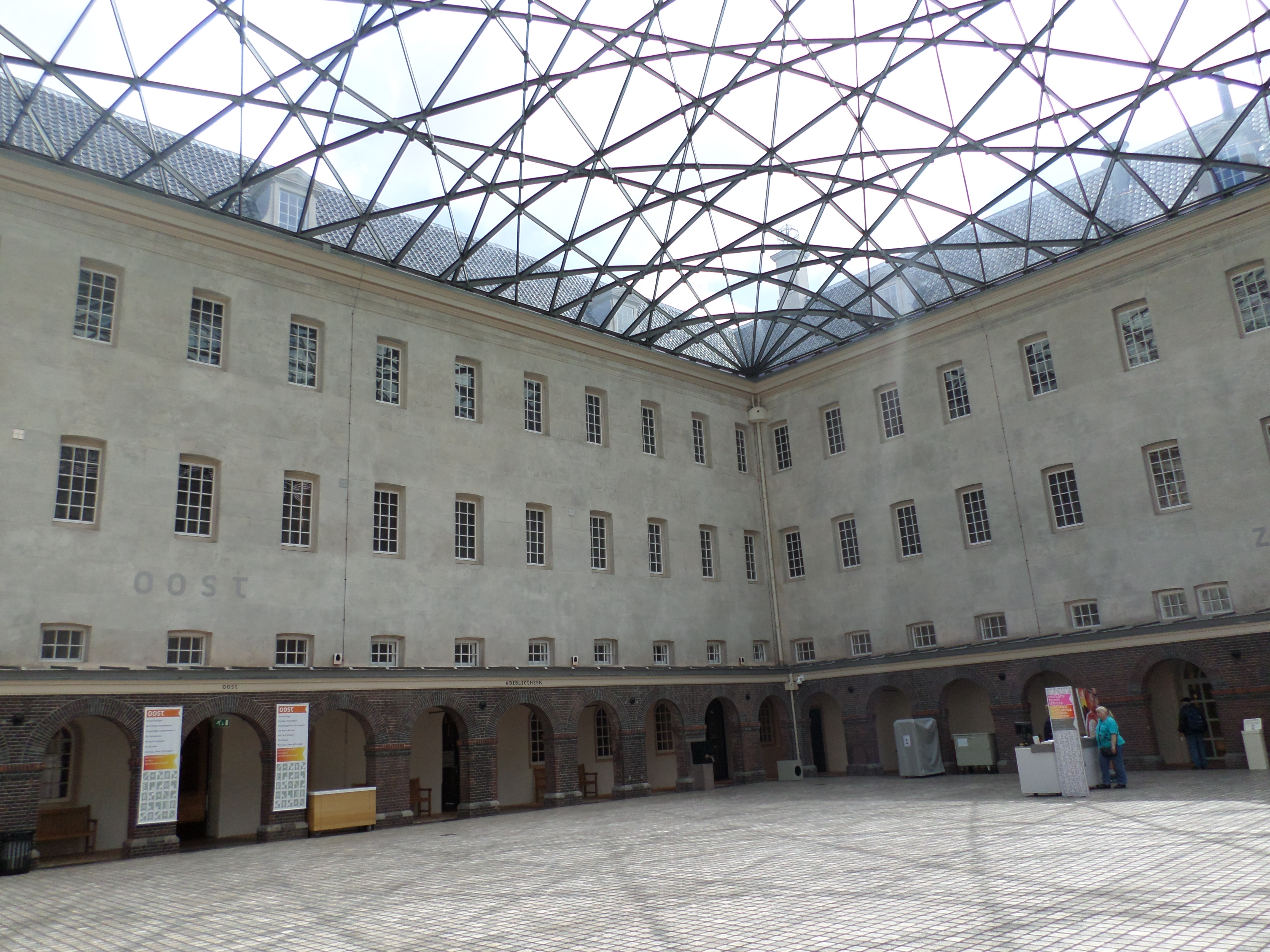
    Inside Foyer of Maritime Museum
    SAMSUNG CAMERA PICTURES
    Side of Maritime Museum
  • Spotlight: Anthropology Museum, Mexico City

    What do you get when you combine an architectural marvel with amazing objects? The Anthropology Museum in Mexico City would have to be my answer. To describe how amazing this museum is would be impossible. Firstly, it sits in this huge park. Surrounded by greenery (even in winter) it is in an absolutely stunning location. The real beauty, however, can be found within.

    When you first walk through the doors of the museum it looks pretty standard. Huge area with tiny desks and heaps of benches to rest on when it all gets too much. So you get your ticket and then it’s through door number two. You enter into this amazing open-air space with an Aztec column right in the middle. Water cascades down the column to the ground – literally the most beautiful entrance to a museum I have ever seen.

    Selfie with the Sacrificial Stone
    Selfie with the Sacrificial Stone!

    Surrounding the water display are three huge buildings. To see everything in this museum would take probably a week. There is just so much to see I don’t know how you could leave feeling satisfied after only a day. I started in the most logical place I could find, the introduction to Mexican cultures room.

    Aztec Fountain
    Aztec Fountain at Entrance

    After this I couldn’t help myself and rushed to the Aztec Hall right at the back. Right in the middle of the hall is the Aztec sacrificial stone. Gory but amazing. The insight this object gives to the past is astounding – google it! If the stone doesn’t leave you awestruck the rest of the Aztec Hall will. Huge models displaying how Mexico City once looked as well as statues and jewellery can all be found inside. I really enjoyed seeing statues that depicted human ailments. The Aztec knowledge of the human body and illness was more advanced than you might think.

    After the hall I headed over to the culture of Mexico building. There are so many rooms filled with textiles from all cultural areas of Mexico and how they have transformed over time.

    After trying to see the museum as best I could solo I returned with our group a few days later. Our guide really took the objects and gave them life. A random statue of a lion became a symbol that once stood on the Temple of the Sun and was worshipped daily. it’s amazing how little bits and pieces can help you reconstruct things in your mind. From the tiniest of statues to the largest of sacrificial stones!

    I really recommend this museum to anyone and everyone. It is one of the best in the world for its collection and display. It was wonderful to see a museum proud of its heritage and past, displaying it to the public and educating thousands of visitors per year.

    museum-of-anthropology
    Museo Nacional de Antropología
  • Museum of Brisbane: Conservation Session

    This morning was an amazing opportunity. Huge thank you to Virginia Gordon at the Police Museum for allowing me to come along to this conservation workshop at the Museum of Brisbane.

    The workshop was conducted by a renowned textile conservator, Tess Evans. An hour and a half completely flew by as we learnt not only some tips and tricks for conservation but also had some hands on experience.

    The workshop began with a short presentation by Ms Evans who explained the main reasons behind the disintegration of material culture. There is just so much out there to be careful of when trying to maintain and conserve a textile collection. For example, light damage is accumulative. So you put something out on display, think you’ll give it a moment out of the spotlight then put it back on. The damage will continue from where it left off. I am the kind of person that finds all this incredibly interesting!

    Ms Tess Evans

    We saw heaps of amazing photos – so many beautiful embroideries and textiles on display from around the world. It really made me stop and realise clothing today. Easy to just wash and wear but imagine if your dress made it into a museum and was put on display 100 years from now. Handling is key and to know how to handle you need to know what you’ve got.

    We also learned some interesting ways to mount textiles and fabrics for display but my personal favourite was how to create a mannequin. Simply using some proper wire and covering it with “textile-friendly” material voila you have a mannequin for display. It’s also Pretty cost effective!

    Then, for the grand finale, we got to take a sneak peak at a costume from Elizabeth Taylor. It was so beautiful! I am in absolute awe of what Ms Evans has accomplished with conservation.

    It’s a field I’d love to get into within the museum sector. Having the power to conserve something from the past for the future to enjoy is just too good to be true. It was an exciting workshop with even more exciting outcomes!

    Excited from the Beginning!
    Outside the Museum of Brisbane.
    Gloves of Power
    White gloves for the hands-on part of the workshop.
  • Warrant to Search the Museum

    This will be by far the cheesiest title I will ever use for a blog post. I have been volunteering at the Queensland Police Museum for a year now so I thought I’d write a bit about my time there. I should premise this by saying as a child I was practically raised on CSI and Law and Order. My father is an avid member of the British Police Memorabilia Club. It seems only logical that my fascination with the police and all things police-related led me to this wonderful museum.

    I say wonderful for a few different reasons. The main being that I am constantly reminded when I go to this museum of why I want to get into this industry. Everyone who works there is not only passionate but so welcoming and devoted. I see a group of people who are in a museum for all the right reasons and this has encouraged me more than they probably realise.

    I also say wonderful because the work I have been doing over the past year has suited my organising personality all too well. Initially I helped publish a few of the historical police uniforms to the Australian Dress Register Website. The Powerhouse Museum runs this amazing project that basically publishes any piece of clothing before 1970 that may be able to tell a story. All you have to do is research it, measure it, describe it, photograph it and contextually analyze it. A whole lot of work goes into each item. It’s really amazing being able to take a jacket etc off its hanger and tell its story. A green dress, for example, can all of a sudden become a symbol of women’s acceptance into the police force once you know what you’re looking at. Not only that but I have seen some incredible uniforms! One of the first uniforms for policewomen in 1965 and a Commissioner’s uniform from the early 20th century have definitely been the highlights so far.

    Since we have put a few up on the website to be considered and published I’ve been helping out organising some of the uniforms and labelling them. Once again my organising-obsessed personality means this is actually fun for me.

    So in only year I’ve been able to pick up on so many things in a museum. Significance report writing, storage and conservation, managing collections – there is too much to list! I have been very lucky with this opportunity.

    Check out the two uniforms we have published here using these links:

    Uniform 1 

    Uniform 2

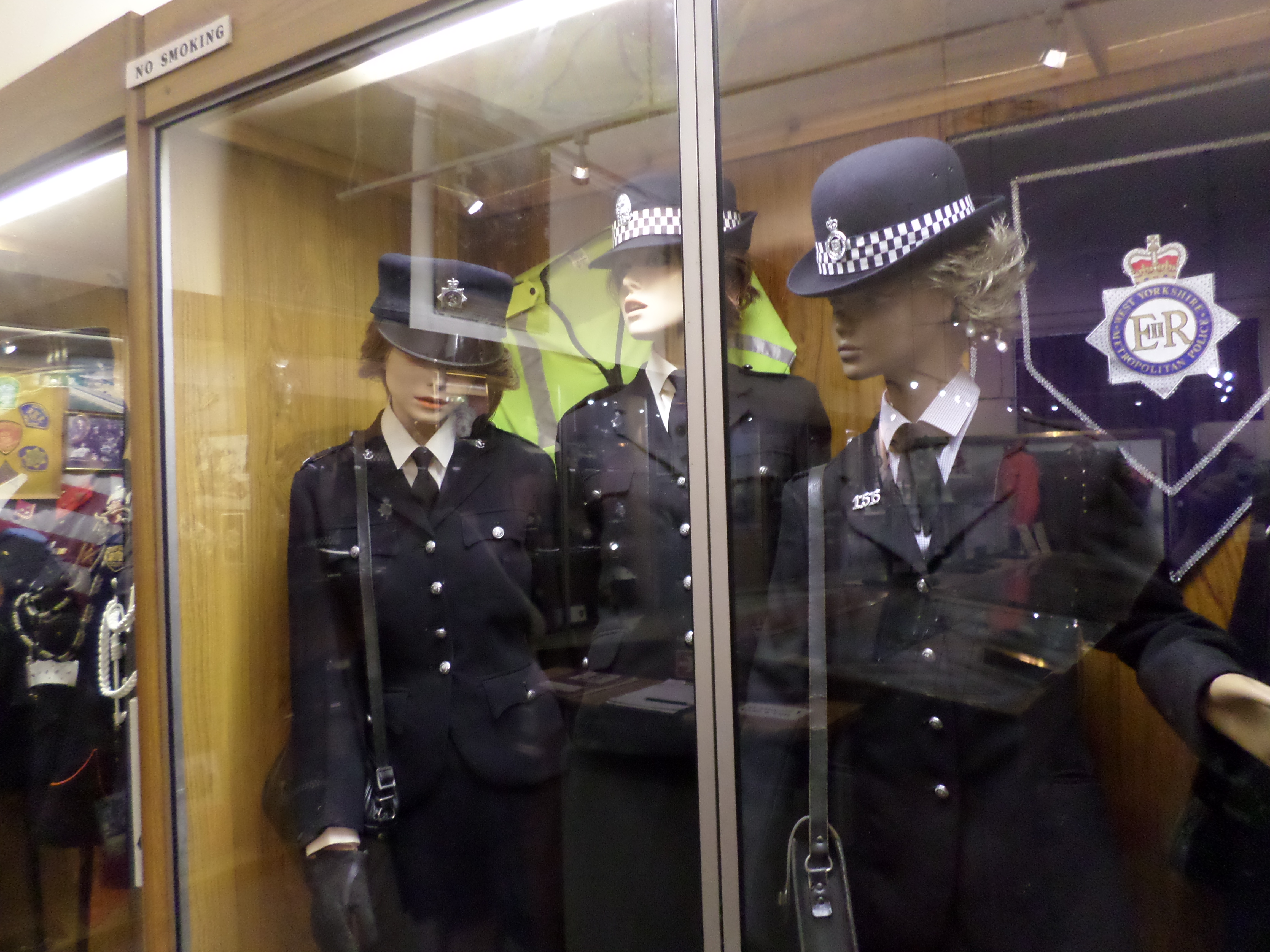
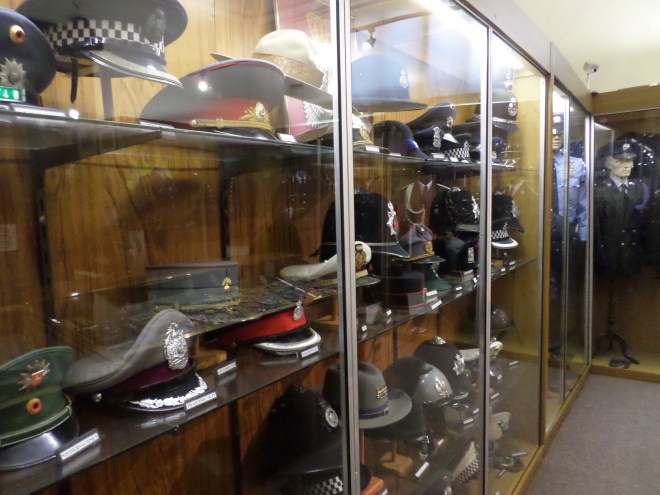
    The photos are of me at the Queensland Police Museum and me at the NYPD Museum in New York – I had to visit when I was over there and check out their uniforms!

    Queensland Police Museum
    New York Police Museum
    New York Police Museum

    Cover photograph: an image from the Museum of Brisbane workshop on textile conservation that I completed during my volunteering.