• Warrant to Search the Museum

    This will be by far the cheesiest title I will ever use for a blog post. I have been volunteering at the Queensland Police Museum for a year now so I thought I’d write a bit about my time there. I should premise this by saying as a child I was practically raised on CSI and Law and Order. My father is an avid member of the British Police Memorabilia Club. It seems only logical that my fascination with the police and all things police-related led me to this wonderful museum.

    I say wonderful for a few different reasons. The main being that I am constantly reminded when I go to this museum of why I want to get into this industry. Everyone who works there is not only passionate but so welcoming and devoted. I see a group of people who are in a museum for all the right reasons and this has encouraged me more than they probably realise.

    I also say wonderful because the work I have been doing over the past year has suited my organising personality all too well. Initially I helped publish a few of the historical police uniforms to the Australian Dress Register Website. The Powerhouse Museum runs this amazing project that basically publishes any piece of clothing before 1970 that may be able to tell a story. All you have to do is research it, measure it, describe it, photograph it and contextually analyze it. A whole lot of work goes into each item. It’s really amazing being able to take a jacket etc off its hanger and tell its story. A green dress, for example, can all of a sudden become a symbol of women’s acceptance into the police force once you know what you’re looking at. Not only that but I have seen some incredible uniforms! One of the first uniforms for policewomen in 1965 and a Commissioner’s uniform from the early 20th century have definitely been the highlights so far.

    Since we have put a few up on the website to be considered and published I’ve been helping out organising some of the uniforms and labelling them. Once again my organising-obsessed personality means this is actually fun for me.

    So in only year I’ve been able to pick up on so many things in a museum. Significance report writing, storage and conservation, managing collections – there is too much to list! I have been very lucky with this opportunity.

    Check out the two uniforms we have published here using these links:

    Uniform 1 

    Uniform 2

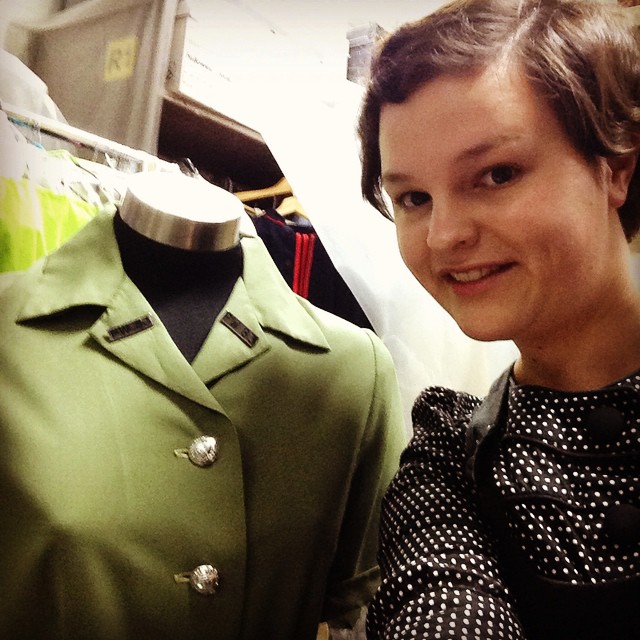
    The photos are of me at the Queensland Police Museum and me at the NYPD Museum in New York – I had to visit when I was over there and check out their uniforms!

    Queensland Police Museum
    New York Police Museum
    New York Police Museum

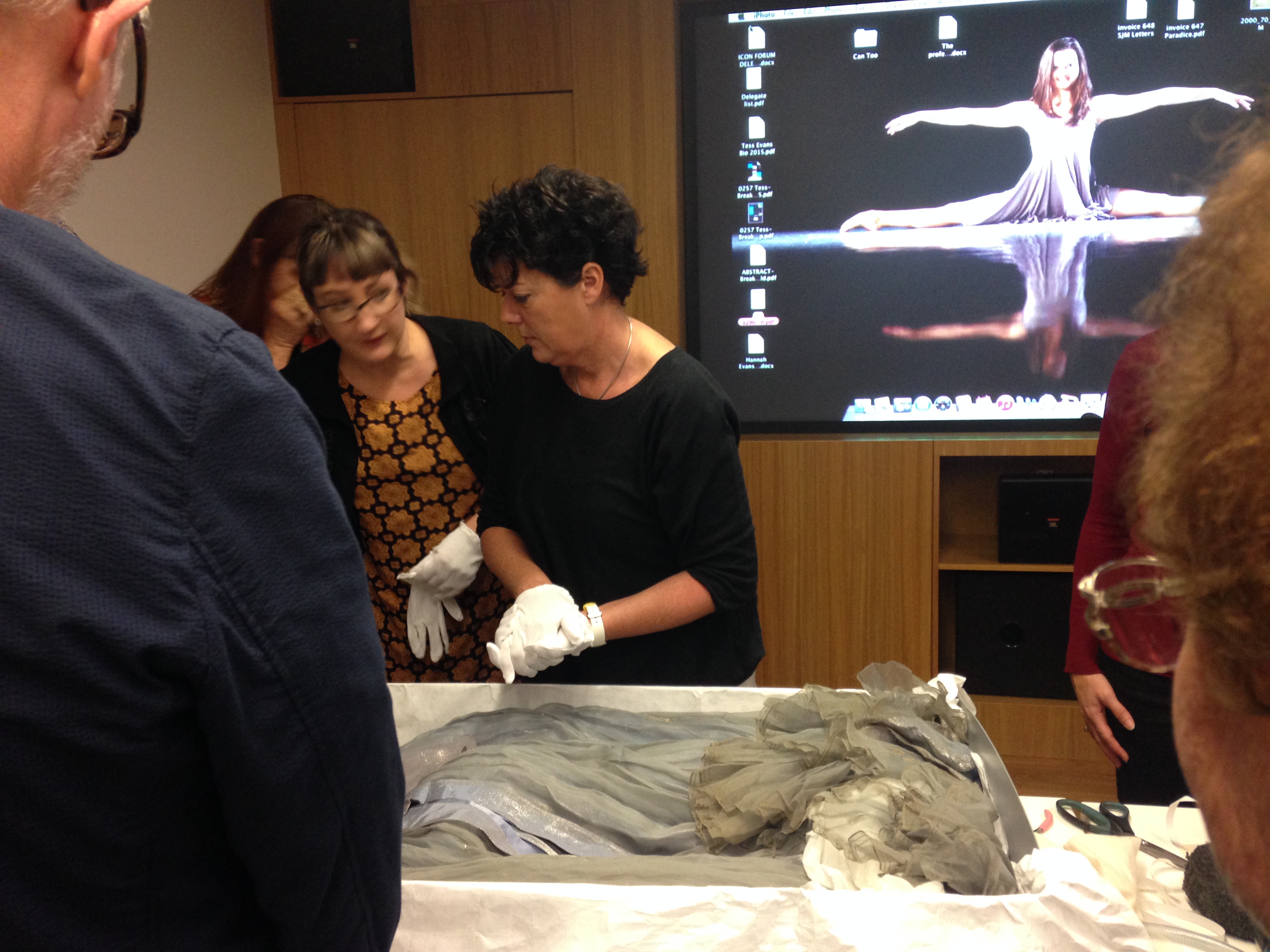
    Cover photograph: an image from the Museum of Brisbane workshop on textile conservation that I completed during my volunteering.

  • Curating an Audio Guide

    Very exciting post with regards to the audio guide for the Commissariat Museum! I have been selected to lay the foundations for an introductory audio guide tour. This is a fantastic experience to have and I am so looking forward to seeing what comes out of it. We’re using the IZI.Travel app which essentially allows for free uploading of an audio tour. I’m working on a general introduction tour so when people arrive at the museum they can take 30 minutes to get orientated and hear some of the stories in the museum.

    Alcatraz
    Alcatraz, San Francisco

    So far I’ve subdivided the tour into six main categories ranging from the architecture of the heritage building to how the spaces are used and so on. First things first – a script needs to be written that I’m hoping a drama student will read through. This has actually been fun. I am typing it with that soothing audio guide voice running through my head. If it doesn’t sound good in an audio guide voice…it isn’t going to work.

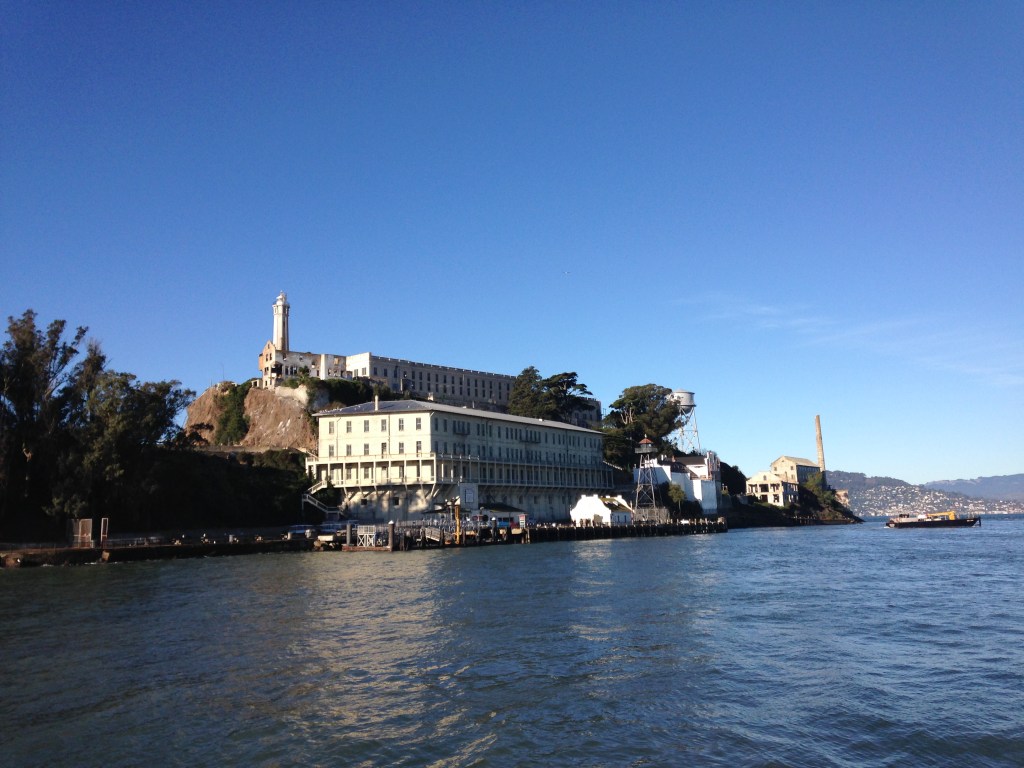
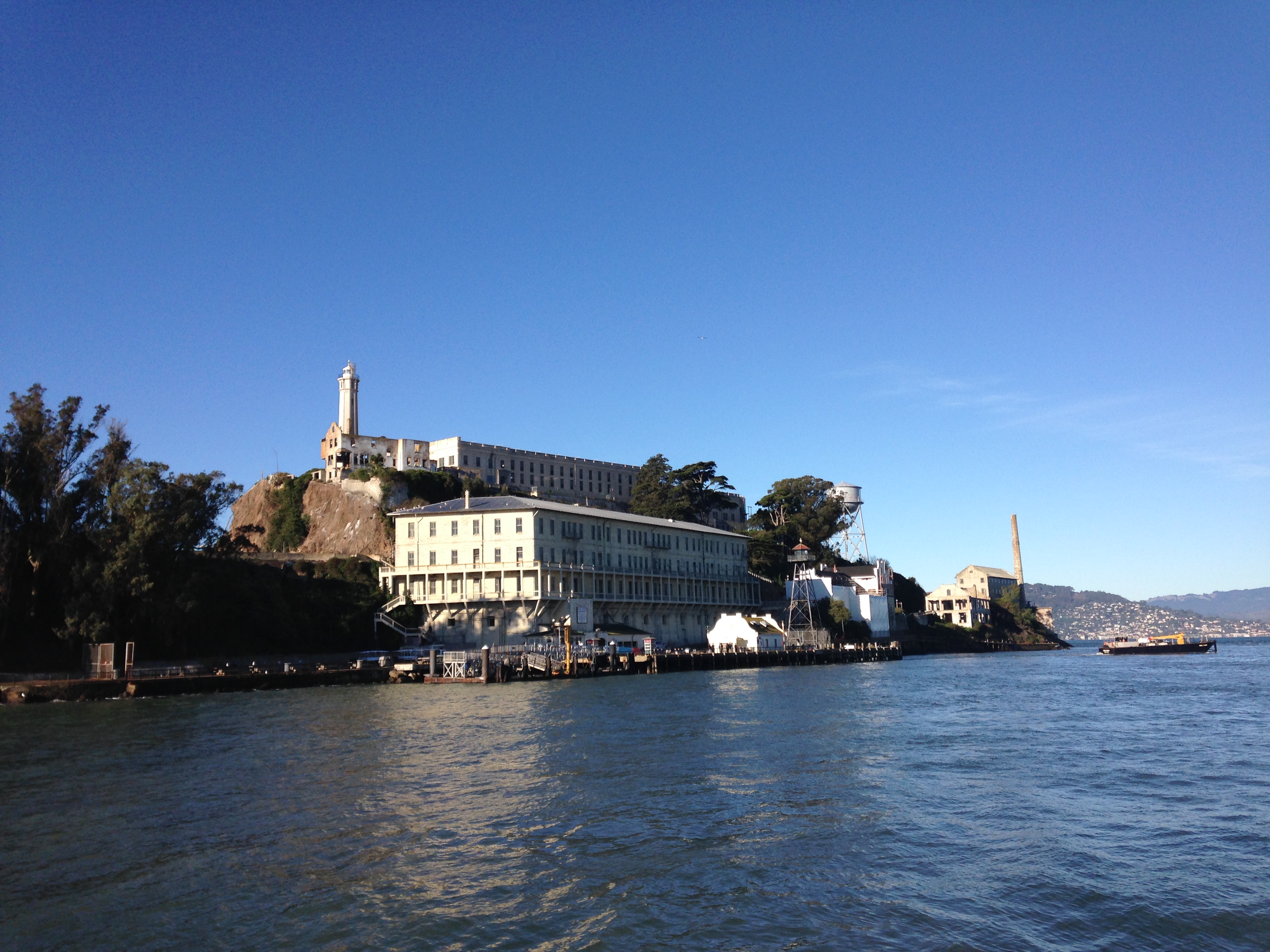
    Out of all the audio guides I’ve listened to around the world the one at Alcatraz prison takes the cake (picture above). It deserves the hype that’s for sure! The one thing I love most about this guide is that you really feel that you are in a different place when you listen. You can hear the cell doors close, prisoners talking in the background and when they introduce a new prisoner etc the voice changes. It creates an atmosphere. I hope we can recreate this feeling in our own museum and create something that is also worth the hype.

    More updates to come but a draft is in the works and looks to be finished soon!

  • Easter in the Museum

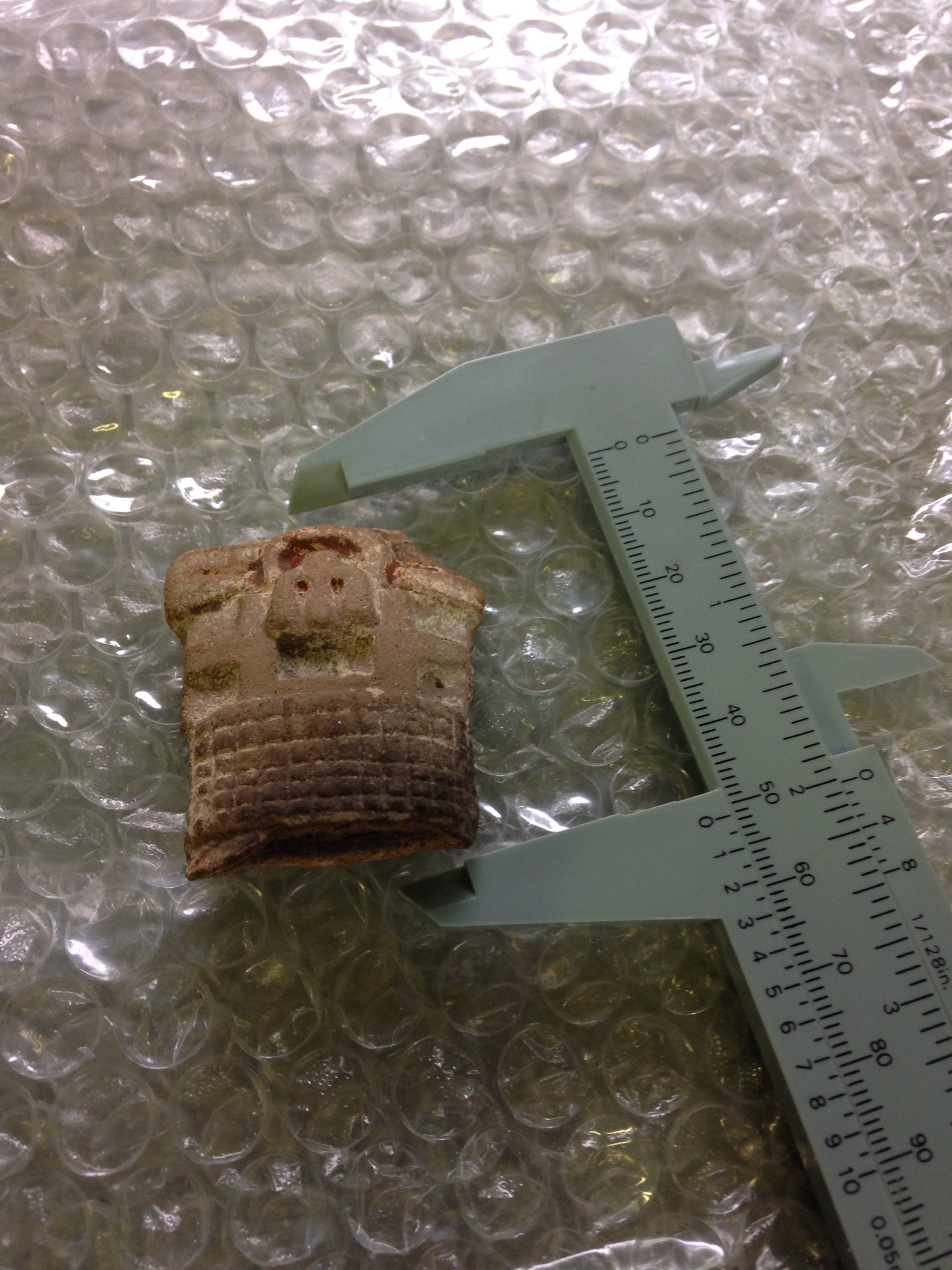
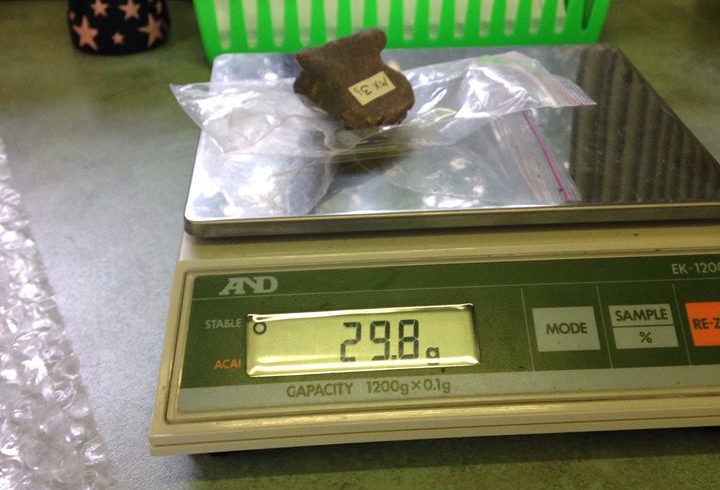
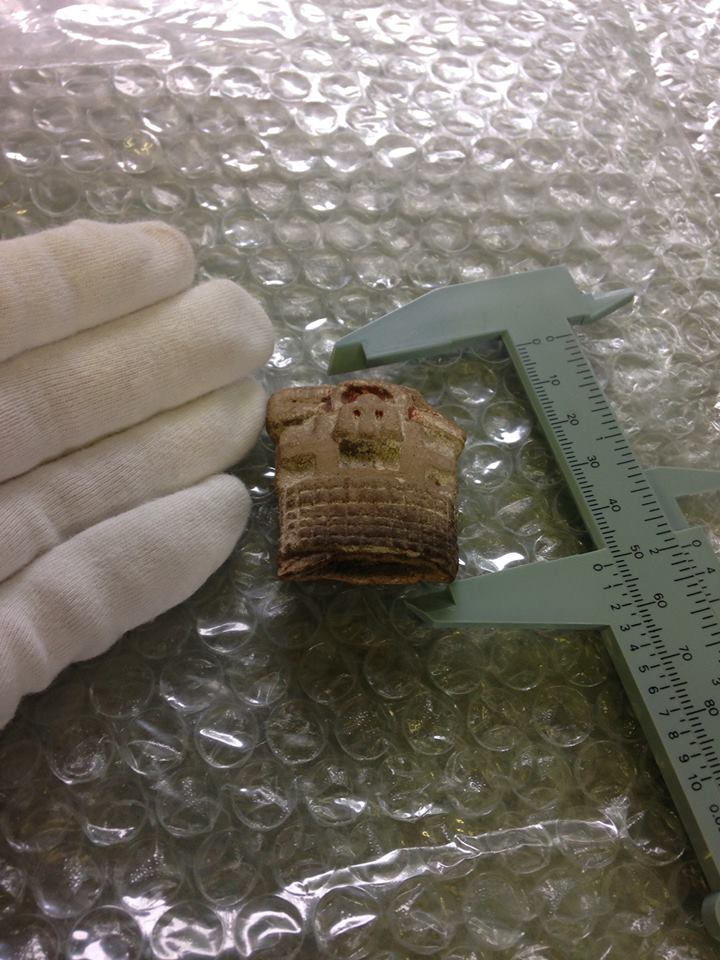
    Yesterday I held objects more than 2000 years old at the Abbey Museum of Art and Archaeology. To date, I have been volunteering as a research assistant, specifically cataloguing the Teotihuacan, Mexican collection of pottery figurines. One of my main tasks has been to carefully measure and weigh all figurines (in total 36). I can then type each of the heads and categorise them in the existent catalogue. Before I undertook this task the figurines pretty much all had the name “clay figurine”. Using incredibly recent archaeological research I was able to differentiate all of the figurines. In the future, these figurines will be much easier to locate!

    It has been very exciting to actually handle the objects and study them in depth. What makes it even more exciting is that in February this year I visited Teotihuacan in Mexico and learnt about what types of figurines they created in that exact location. I’m almost done with the first twelve in the collection. The bald head figurines (known as portraits) have so far been entered into the adlib museum system. Now that I have all the measurements and weights, the rest should be pretty straight-forward.

    IMG_4873
    Teotihuacan Figurine

    Essentially these figurines were used in household rituals. There was no evidence to suggest they were for temples or public use. In these rituals the heads would be detached from the bodies and destroyed. It’s therefore incredibly rare to have an intact body. We have two!! Alongside this problem is the fact that dating these objects is virtually impossible. Excavations and natural disasters have worn away and disrupted the ground these objects were found in thereby preventing an exact chronological record to be kept. Nevertheless research combined with obsessing over the objects has led me to approximately date a few.

    Overall, there is so much that can be done with this collection. Initially, there was not much information recorded at all about the figurines. I’m changing this and I’m sure it will be beneficial to the museum and to knowledge of its collection!

    Abbey Museum of Art and Archaeology
    Teotihuacan Figurine
    Abbey Museum of Art and Archaeology
    Teotihuacan Figurine
  • #Unite4Heritage with UNESCO

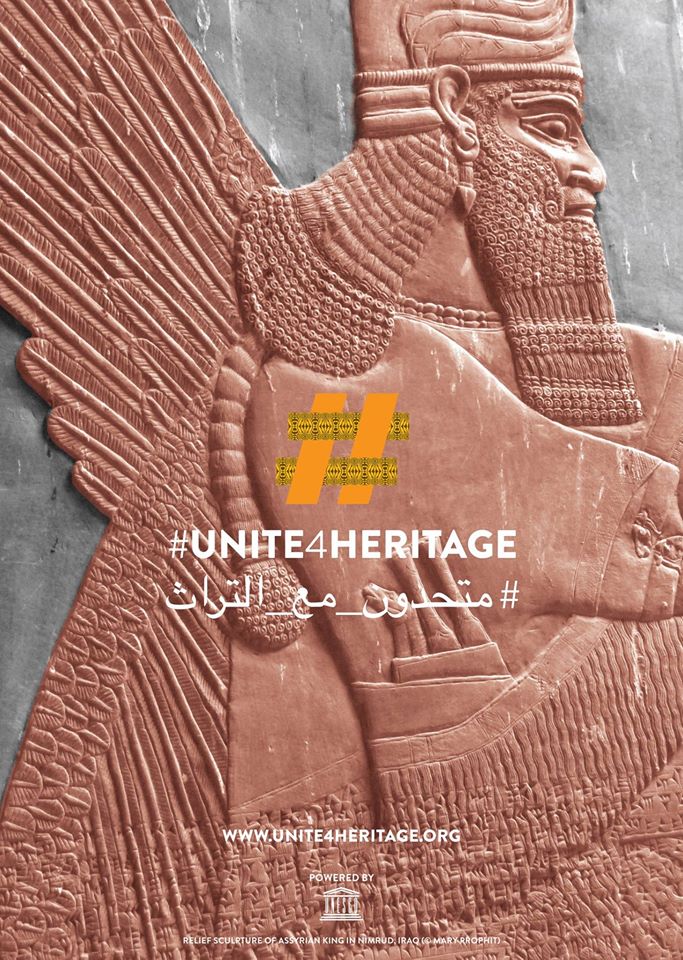
    Thanks to social media sites such as Facebook and Twitter this campaign, Unite 4 Heritage, has come to my attention. It was launched this year by the Director-General for UNESCO Heritage in Baghdad. According to the official campaign website “the #Unite4Heritage campaign builds support for the protection of heritage in areas where it is threatened by extremists.” A major part of this campaign is encouraging everyone around the world to take photos of a heritage building or site. This can either be something important to an area or to an individual (obviously it can fulfil these two roles simultaneously). Basically, by raising awareness of heritage in your own area this raises awareness worldwide and may even help prevent any widespread heritage attacks from happening again.

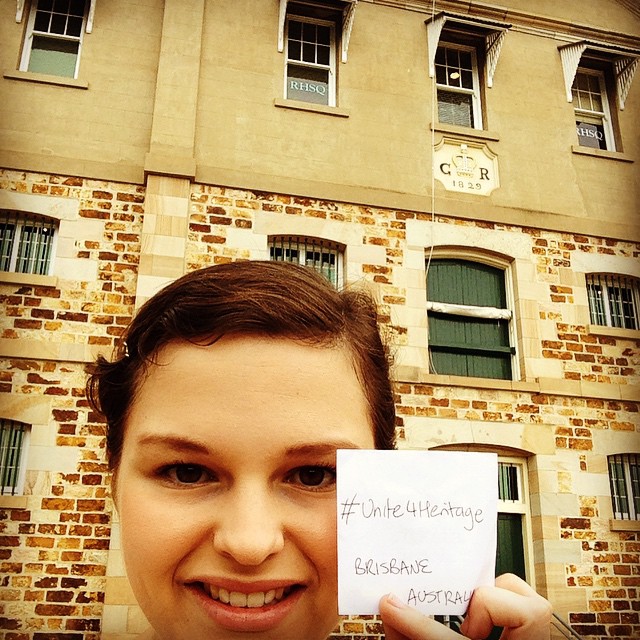
    Unite4Heritage Selfie

    On Tuesday this week I was thrilled to participate in this campaign by taking a selfie in front of the Commissariat Store in Brisbane. The Commissariat Store is the oldest continuously occupied building in Brisbane – now home to the Royal Historical Society of Queensland and the Convict History Museum. It’s tucked away on William Street in Brisbane’s CBD and is a striking reminder of how the modern-day city of Brisbane developed out of the 1800s.

    I’ve been volunteering here for about a month and just in this short period of time I have come to be mesmerised by this heritage building. Unfortunately it is THE ONLY building with convict connections in Australia not to be UNESCO World Heritage listed. Despite this, we are so excited to be the only heritage building in Australia accepted (really recently) for the digital CyArk preservation and digitalisation program. Check them out here: http://www.cyark.org. Absolutely exciting stuff will be happening! The building will be mapped using state of the art technology and preserved in this way for future generations.

    As well as this I’m working in a team to introduce an audio guide for the museum. The amount of work that goes into this process is intense. So far we’ve selected the free audio guide program IZI.Travel. It’s an app that anyone can download and select our file to tune in to. The specifics of the guide are still on the table but without doubt it will happen soon enough! The best thing about this app is you can upload short videos, photographs and extra bits of information.

    Getting involved with this museum has been one of the best decisions I have ever made and now you could say I have a bit more love for Brisbane than I did before. We do have an amazing history and we should be so proud of what heritage we have left. Support it, love it and get involved!

  • Curating my own Adventure

    Today marks the end of the first International Museum Week on twitter. Let’s just say it has motivated me to start this blog – a long time in the making.

    I haven’t really blogged before (just did another little one) but I want to commit myself this time. Outside the family home and various educational institutions the vast majority of my life has been spent in museums. Probably my earliest memory is of being in the Queensland museum freaking out over a whale exhibit. Since those days I have been to museums all over the world – Europe, the Americas, Asia and, most importantly, Australia. I have never walked through the front doors of a museum without a smile on my face. They bring me joy and I hope they bring you joy as well!

    From time to time I have tried to explain why I have this passion and what is motivating me to study the humble museum and hopefully, everyone cross their fingers, curate my own one day. I have put it down to two main reasons: 1. You can literally see a vast amount of human history right in front of you and 2. Museums remind me how important history is and why it must not stay on the page, but, come to life.

    For these reasons I have pretty much dedicated myself since 2010 to helping museums as much as possible. I currently volunteer at the Commissariat Store Museum, Queensland Police Museum, MacArthur Museum and Abbey Museum of Art and Archaeology. What I have learnt from these experiences has only motivated me to pursue my interests further. I’ve dabbled in everything from writing condition reports to researching objects, taking museum tours, working with technology to create exciting new projects and curating my own little exhibit. Words cannot describe how nerdy I feel when I get excited over examining the condition of an object.

    In July this year I’m moving to Sydney and beginning a very exciting stage of my life – a postgraduate degree in the area I love the most. I don’t want to forget this experience, so I want to put it on the internet and share it with whoever else wants to listen. My posts are hopefully going to cover a whole lot of areas. I plan on writing my first couple on what I’ve done to-date. Brace yourselves for the Australian Dress Register and Napoleon.

    What I hope to achieve out of this exercise is a social online portfolio where I can catalogue my experiences and try to communicate them in a blog setting.

    museum-of-anthropology
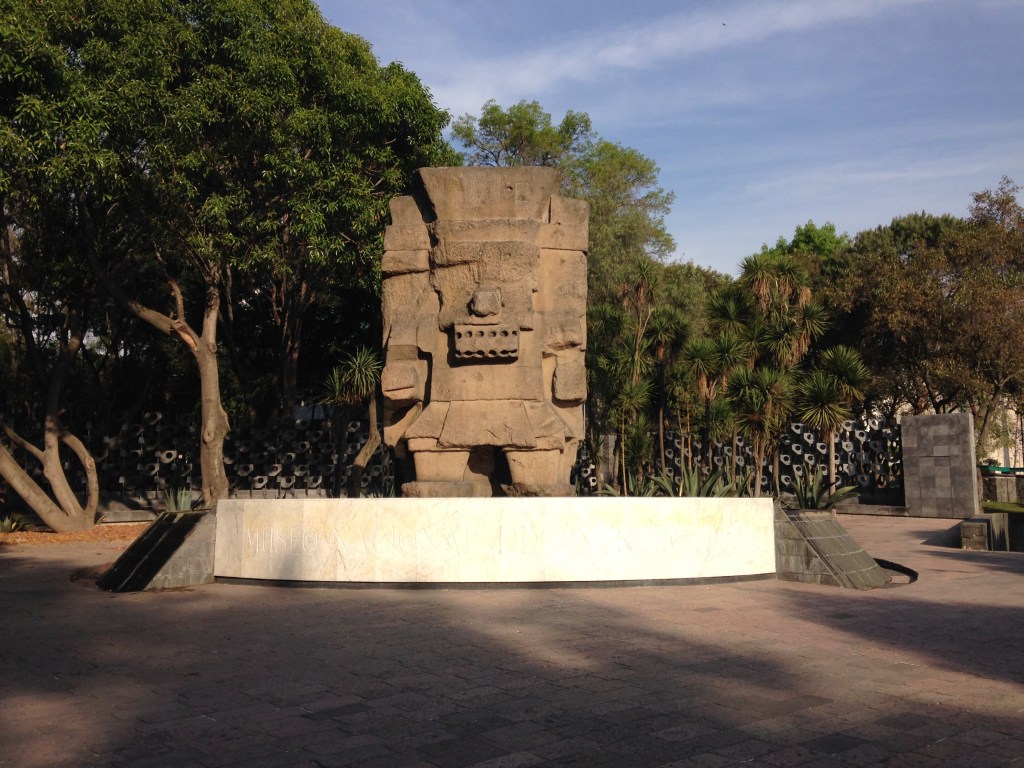
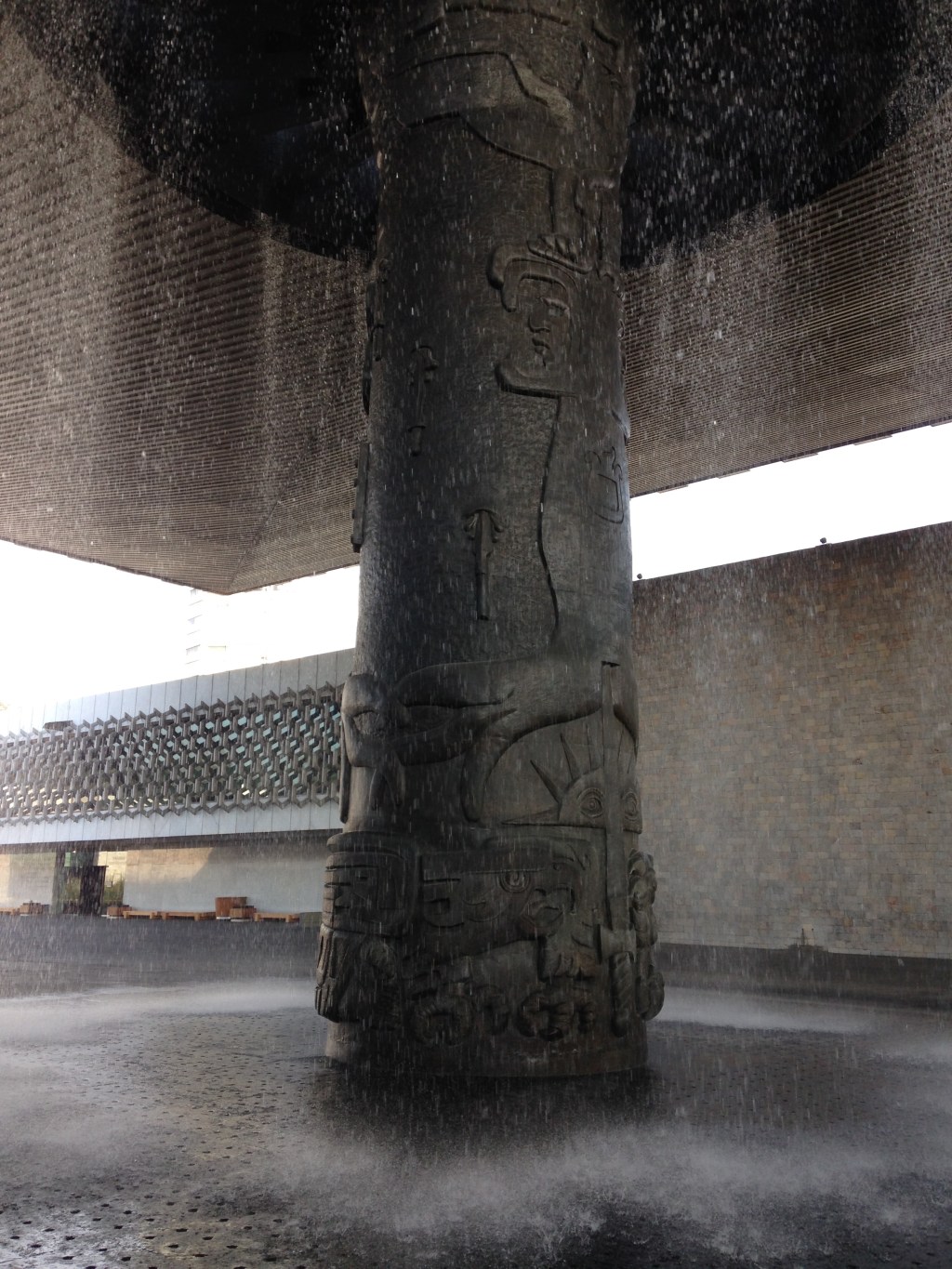
    Museo Nacional de Antropología, Mexico City