• Best Museums in Salem and Danvers, Massachusetts

    To accompany my new post on the Witches’ Sabbath I thought it’s about time I wrote on the museums I visited in Salem and Danvers, Massachusetts. All bar one directly relates to the Witch Trials of 1692.

    1. Peabody Essex Museum: Founded in 1799, the Peabody Essex Museum primarily traces the maritime history of Salem. Inside are a variety of curious objects that were brought to Salem from Asia, Africa, Oceania and India. It is a fantastically diverse museum in the heart of Salem. Do not miss the opportunity to visit Yin Yu Tang, a fully reconstructed Chinese House that was home to the Hung family for 200 years. It is incredible to learn the history of the house and hear how it was transported from China all the way to Salem. In the middle of the house is a common area with an open roof and two koi ponds – so quaint it is hard to believe you are not in China. The rest of the museum is definitely worth seeing as well. If you can, make sure you join a guided tour. They are fantastic for pointing out the highlights.

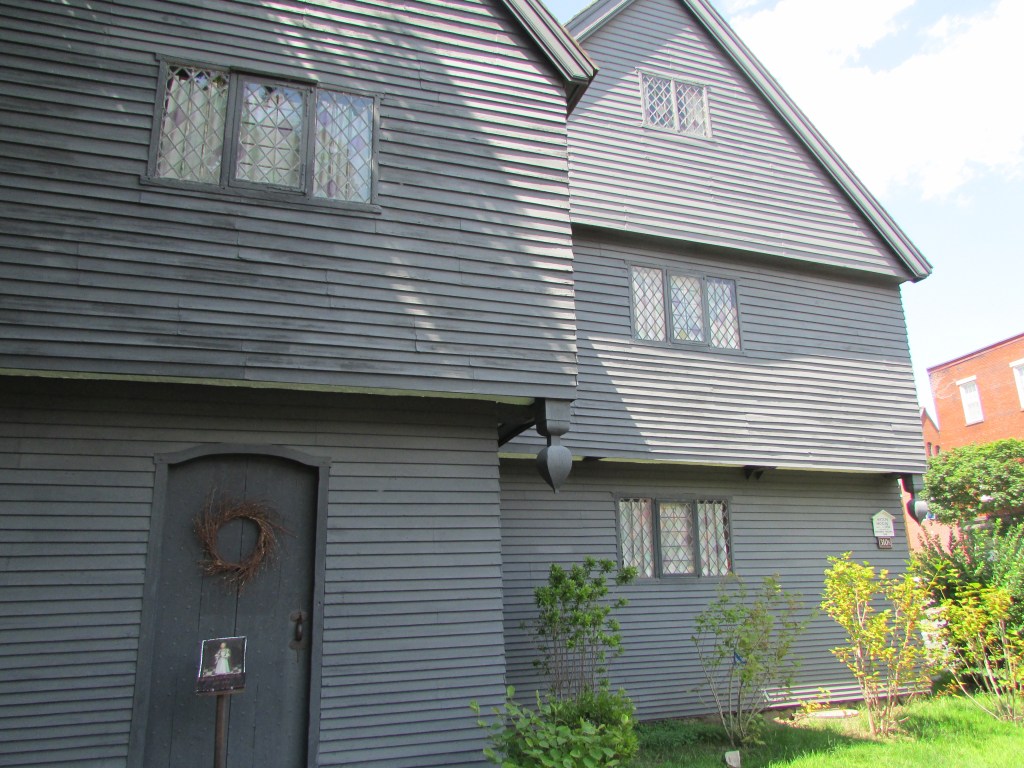
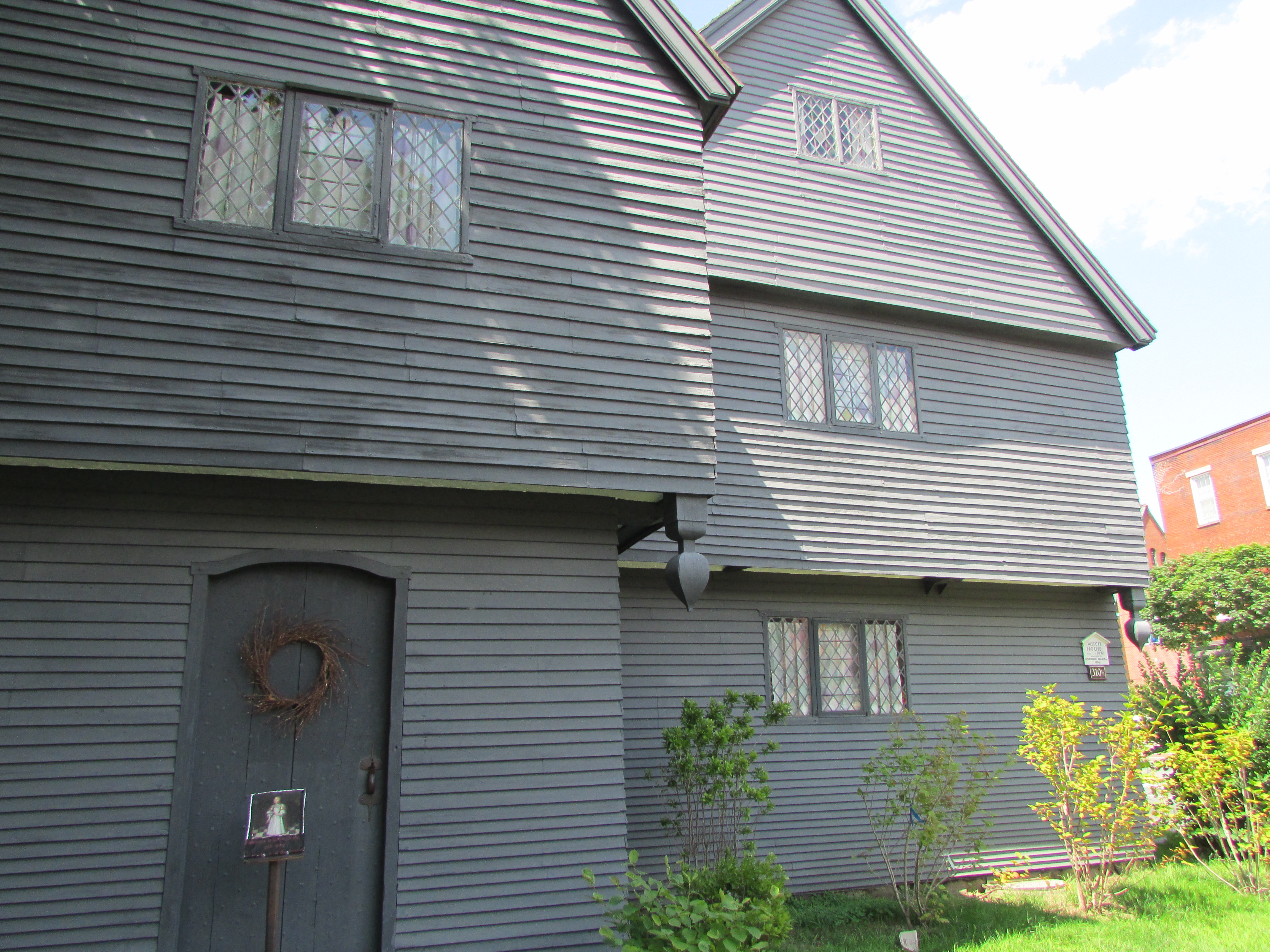
    2. The Witch House (Corwin House): The house of Judge Corwin who presided over the witch trials is the only original building in Salem. This makes for quite an atmospheric museum. Inside you can learn not only about Corwin but also about seventeenth-century lifestyles and living. There are a few mentions of the Witch Trials but the museum is more orientated towards Corwin and his family.

    Witch House/Corwin House
    Witch House/Corwin House

    3. Salem Witch Museum: This museum attracts a lot of visitors each day so I was expecting it to be a nice overview of the trials. Instead, I found myself questioning a lot of the material presented. The first part of the museum is a show – the trials are played out with the use of wax models. What this museum does achieve, in my opinion, is that it highlights the anxiety and fear surrounding the trials quite nicely. A lot of the “facts” weren’t up to date. After the show you are guided through changing representations of the witch. A stereotypical, broom-riding witch followed by modern-day Wiccans both tell the story of how “witchcraft” has evolved. If you want to be entertained and aren’t too worried about the information you’re hearing then you might just enjoy it here.

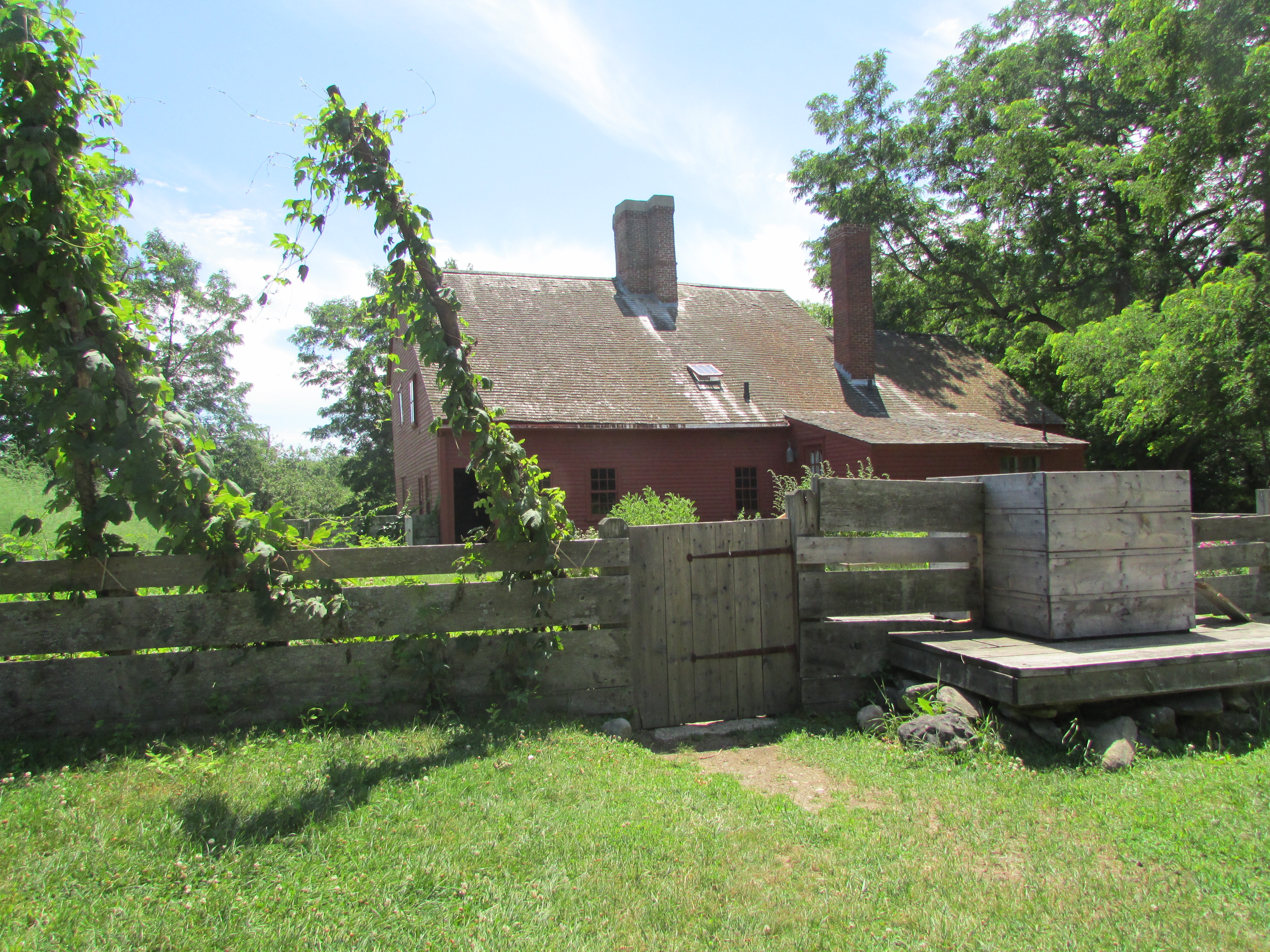
    4. Rebecca Nurse Homestead: This was the only museum I visited in Danvers pertaining to the trials. Rebecca Nurse was one of the accused during the trials. She was hanged until dead on July 19, 1692. Not only are you able to see her home (by guided tour only) but you can also step inside the courthouse where some of the trials took place. Danvers is filled with original buildings from the trials. However, Salem is the most popular and most visited. According to Richard Trask, a descendant of two of the accused, this is because Salem has the name and the association. If you visit Salem please allow time to go up to Danvers. There is so much more original history here than what you can find in Salem.

    Rebecca Nurse Homestead, Danvers
    Rebecca Nurse Homestead, Danvers

    The other museums in Salem all basically follow in the footsteps of the Salem Witch Museum.

    My advice for anyone travelling to Salem is such. Expect Salem to be commercial. Don’t let that stop you visiting because there are original pieces of history left and wonderful memorials to visit. It’s a great town in Massachusetts. Depending on how many days you wish to be there if it’s more than three make sure one of those days is spent in Danvers. See where the majority of the trials took place and really experience the history.

  • The Beatles Tour

    So my time in England has come to an end. The last museum I want to review is the Museum of Liverpool. I don’t have a lot to say about this one. We visited just to see the Beatles installation show on the top level. That, in itself, was worth visiting. You step into darkened room that plays Beatles music and tells you a bit of their back story.

    There is something else I’d like to write about – the Fab Four cab tour of Liverpool. It wasn’t a museum per-se but we saw a couple on the way.

    SAMSUNG CAMERA PICTURES
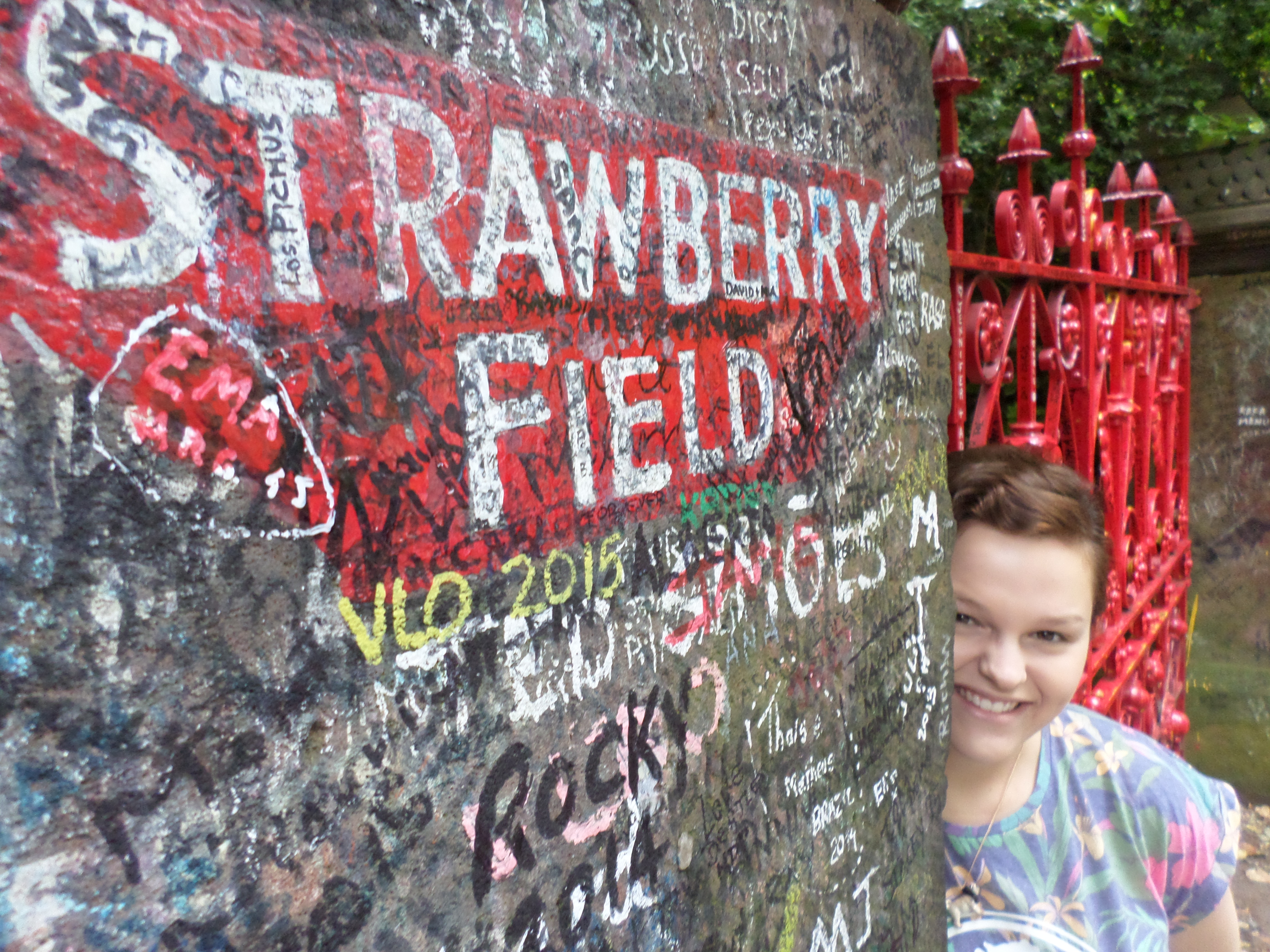
    Strawberry Field
    SAMSUNG CAMERA PICTURES
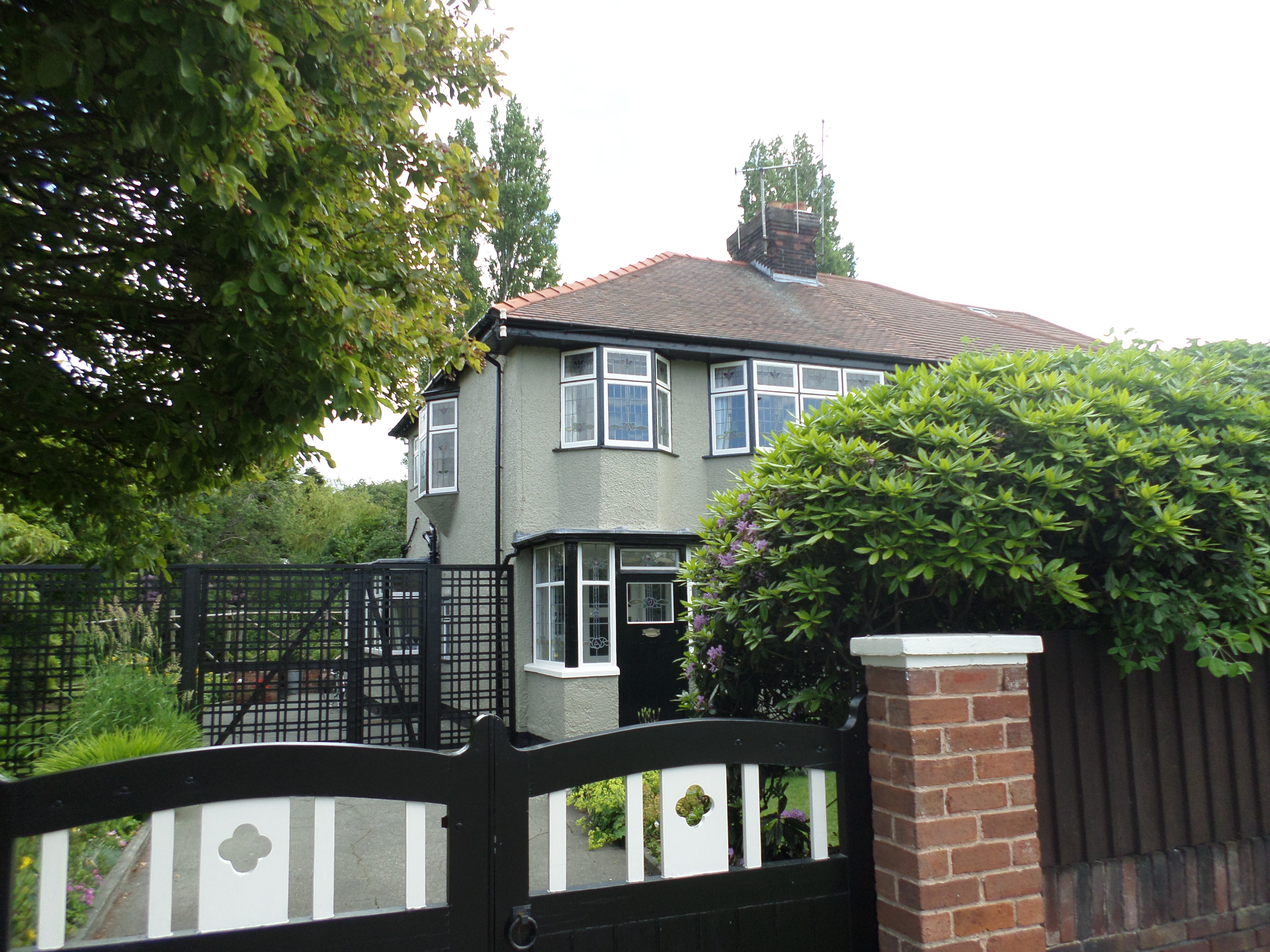
    Childhood Home of John Lennon
    SAMSUNG CAMERA PICTURES
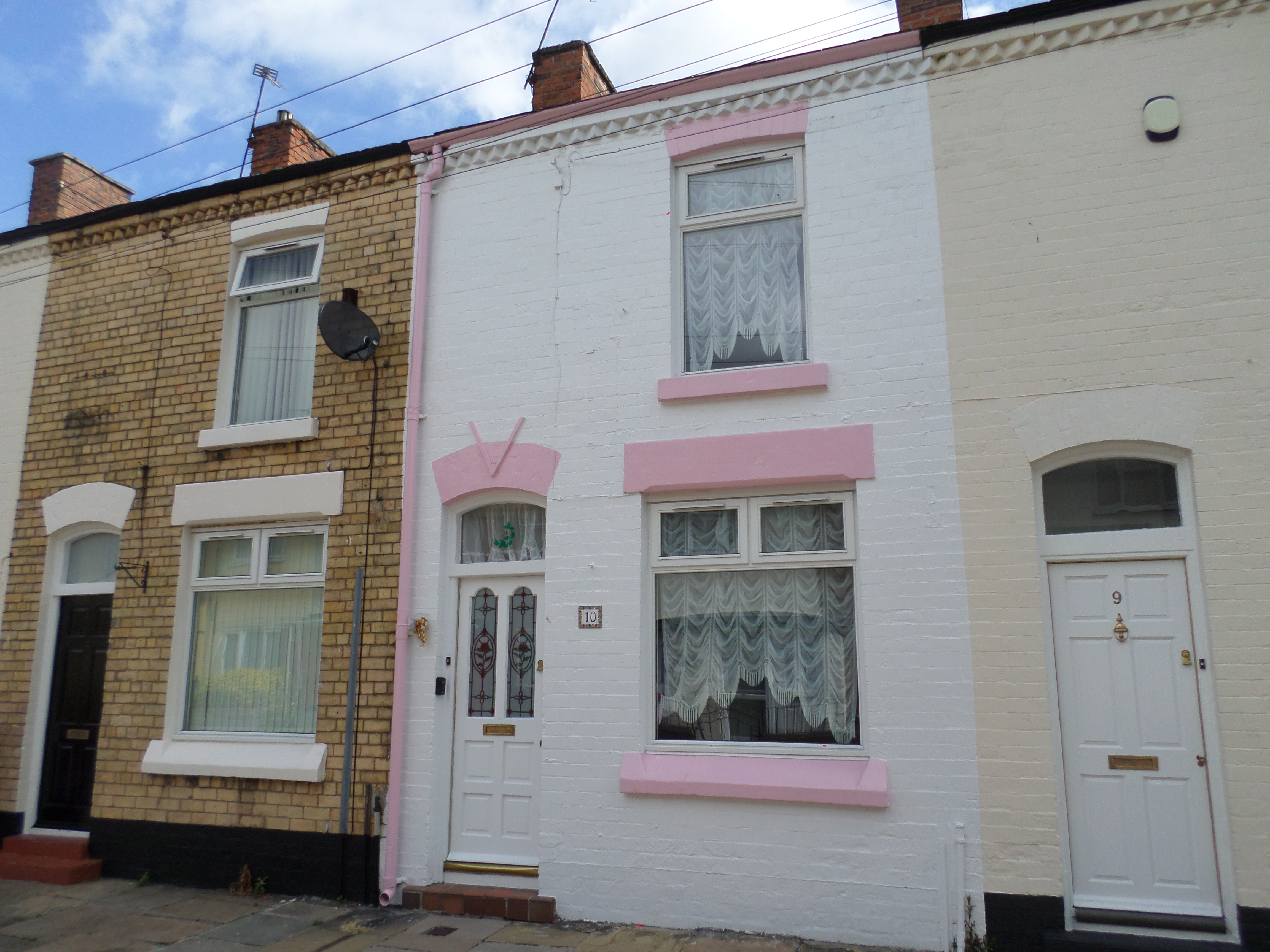
    Childhood Home of Ringo Starr
    SAMSUNG CAMERA PICTURES
    Childhood Home of Paul McCartney

    This was one of the best tours I have ever experienced in my life. If you’ve read my other posts you’ll know that I’m a huge Beatles fan. This tour took us to the birth house of Ringo, the childhood houses of George, John and Paul (the latter two are museums), the church where Paul and John met, Penny Lane, and Strawberry Fields. Let me tell you it was absolutely incredible to see these places. The stories behind them are something I’ll leave you to find out for yourselves. A little teaser – on Penny Lane you will see the shelter in the middle of the round-about, the barber, and the bank.

    So that concludes this chapter for the blog.

    Signing out from the History of Medicine Conference in Sydney. Heard some pretty amazing presentations today on medicine and the museum. Great conference!

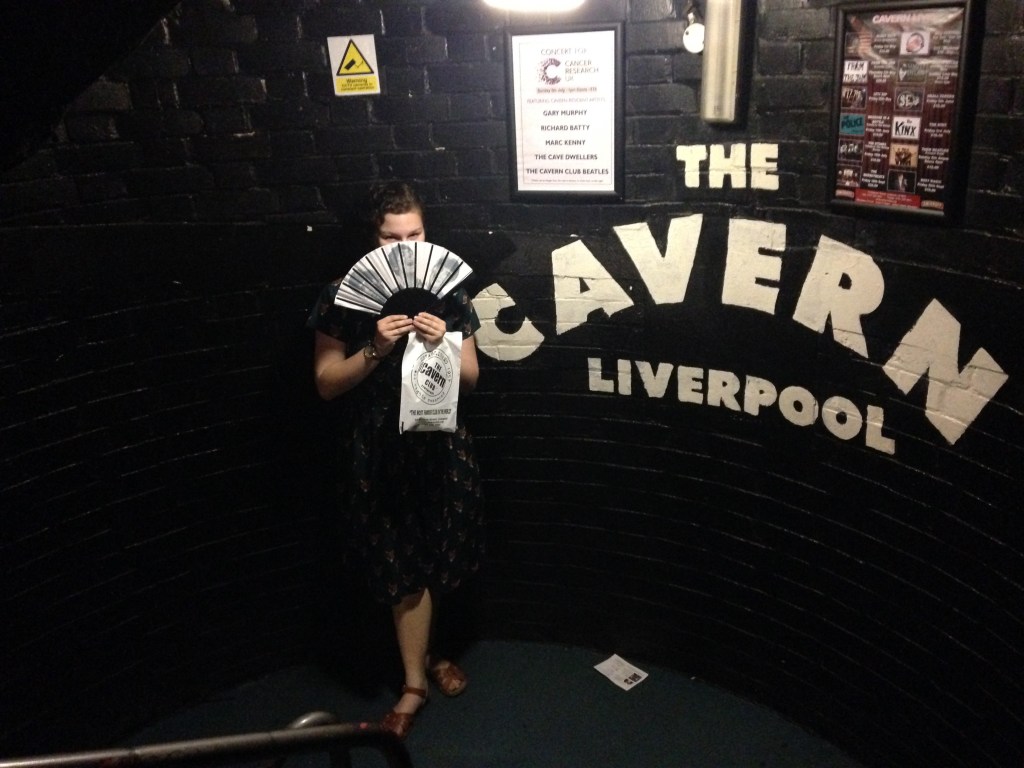
  • The Cavern Club Liverpool

    Liverpool – home of the Beatles and the coolest/hippest city in England. The former is true and the latter is opinion. We dropped off our rental car yesterday morning and headed straight for the Beatles Story Museum at Albert Dock. The dock is absolutely beautiful packed with restaurants and museums. There are two bands in this world I love more than I should: the Beatles and Franki Valli and the Four Seasons. So the Beatles Museum was an obvious start to the trip. Putting it out there I cannot be completely unbiased reviewing this museum. In fact I’m writing this review listening to Hello, Goodbye. If the museum was just two boards that said THE BEATLES I still would have loved it.

    But it wasn’t so here’s a go at a review. The audio guide is voiced by John Lennon’s sister and, at times, Sir Paul McCartney. Already it was winning in my books. The guide was excellent providing so much information! The museum is set out really well. As you move through their career you are transported to different “sets”. One of the Cavern Club, one of their time in America etc etc. Each contained many objects and great explanatory boards. The whole museum explains the Beatle phenomenon very well. The gift shop at the end is a whole other post in itself.

    Moving on before I give myself away as a Beatles fan…

    The other museum I visited at the dock was very very different: the International Slavery Museum. What I respected most about this museum is it didn’t shy away. It had everything from letters about slaves to forms of punishment that were inflicted. It presented the trade in full – the only way, I believe, we can properly learn from the past. Slavery is still everywhere. The museum did a great job bringing this to everyone’s attention. The bit I enjoyed the most was a whole exhibit on life in West Africa. In a way this exhibit provides more of an identity to the slaves than I think anything else would. You can learn what customs and lifestyle they may have had before their time in slavery.

    The other two segments of the museum are about the trade itself and its legacy. Really glad I’m presenting in a couple of days on this theme of slavery and museums. So, a fantastic and insightful start to our time in Liverpool. A huge thanks to both museums and the history they are preserving.

    The Beatles
    The Beatles
  • The World of Beatrix Potter Attraction

    So technically we didn’t go to a museum today but an “attraction”. For the sake of this blog, however, we went to a museum – The World of Beatrix Potter. I can understand why they don’t call it a museum. On the other hand, though, it was a building that contained various objects that told a story and represented a memory.

    This is why I’ve called this entry “Let me Regress”. When I was younger my mother used to tape (on VHS my gosh remember those) episodes of Beatrix Potter on the ABC. I would watch them over and over again. My favourite, of course, was Peter Rabbit. I loved the stories and soon enough I was reading the books and admiring the illustrations.

    I wanted to visit this museum to see the 3D displays and relive a part of my childhood. The introductory film was quite good in establishing a context. A bit of history about Beatrix Potter and the inspiration behind her tales. You then walk through a range of 3D displays representing all of her stories. These are absolutely adorable. In front of each display is an interactive screen where you can learn a little more about the story.

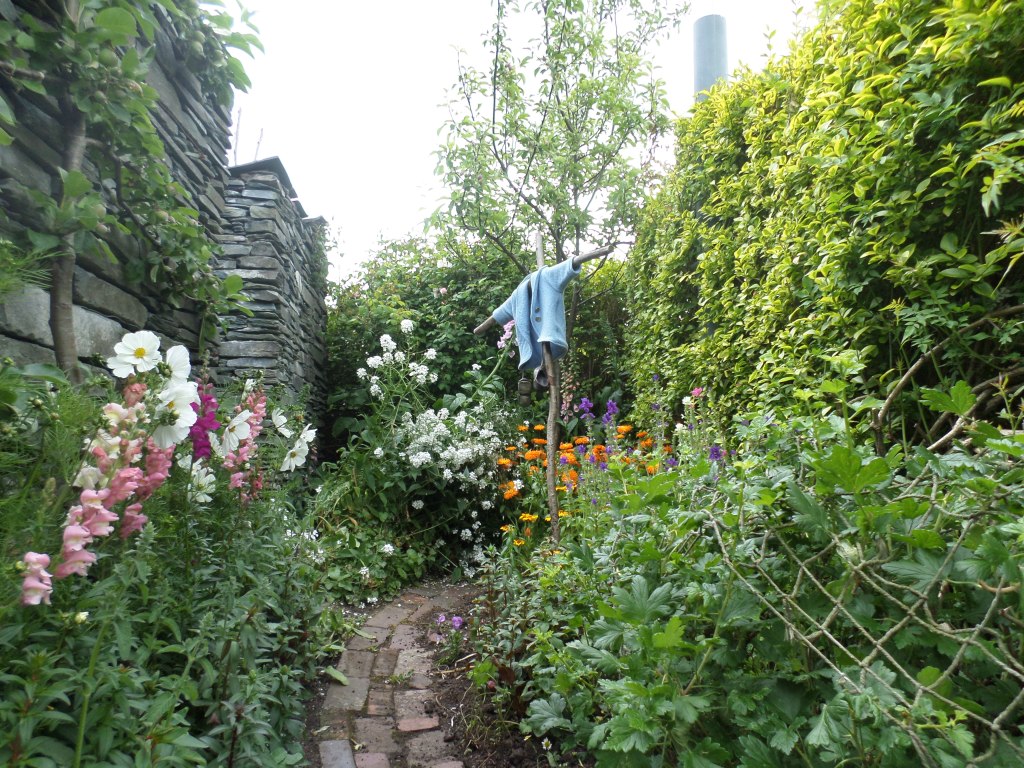
    About halfway through the displays is a door leading to Mr McGregor’s Garden. This is a very very cute garden. You can even see Peter Rabbit’s little jacket!

    Peter Rabbit jacket in the garden.
    Peter Rabbit jacket in the garden.

    There is also a room where you can take a virtual tour of the Lake District and see some Beatrix Potter sites of interest. This is quite fun to have a play with so make sure you do!

    So although being an attraction rather than a museum there are definitely elements of both intertwining throughout the displays. There was also an introduction panel right at the beginning with a word from Emma Thompson. She is brilliant – enough said.

  • Hadrian’s Wall & Derwent Museum

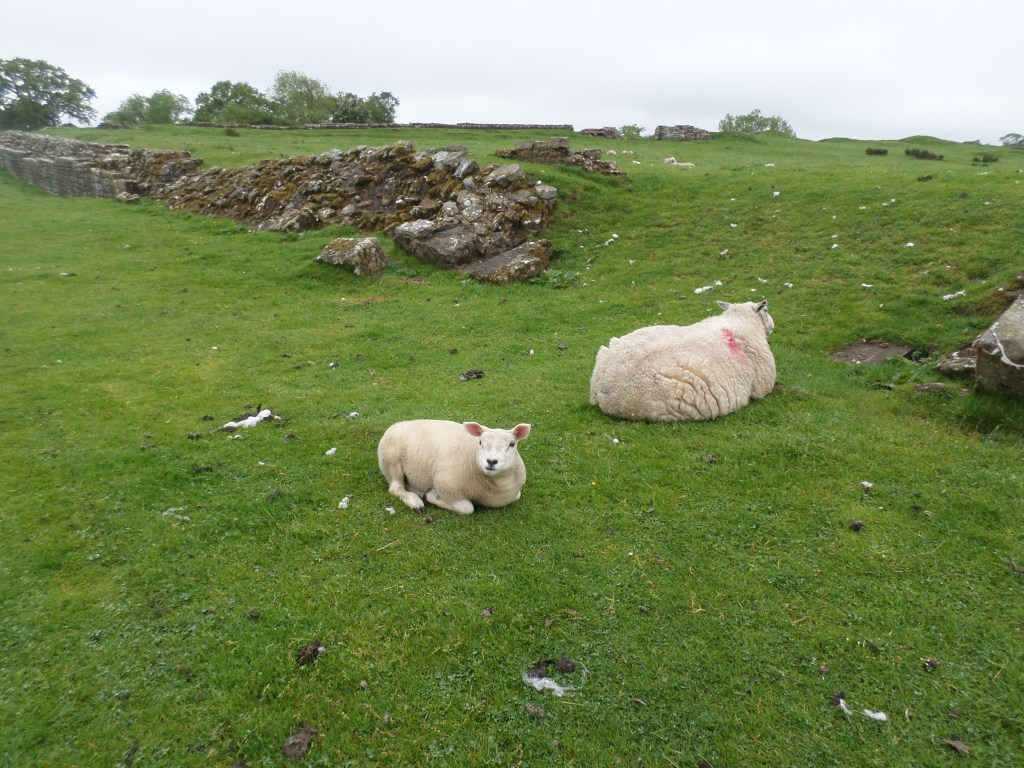
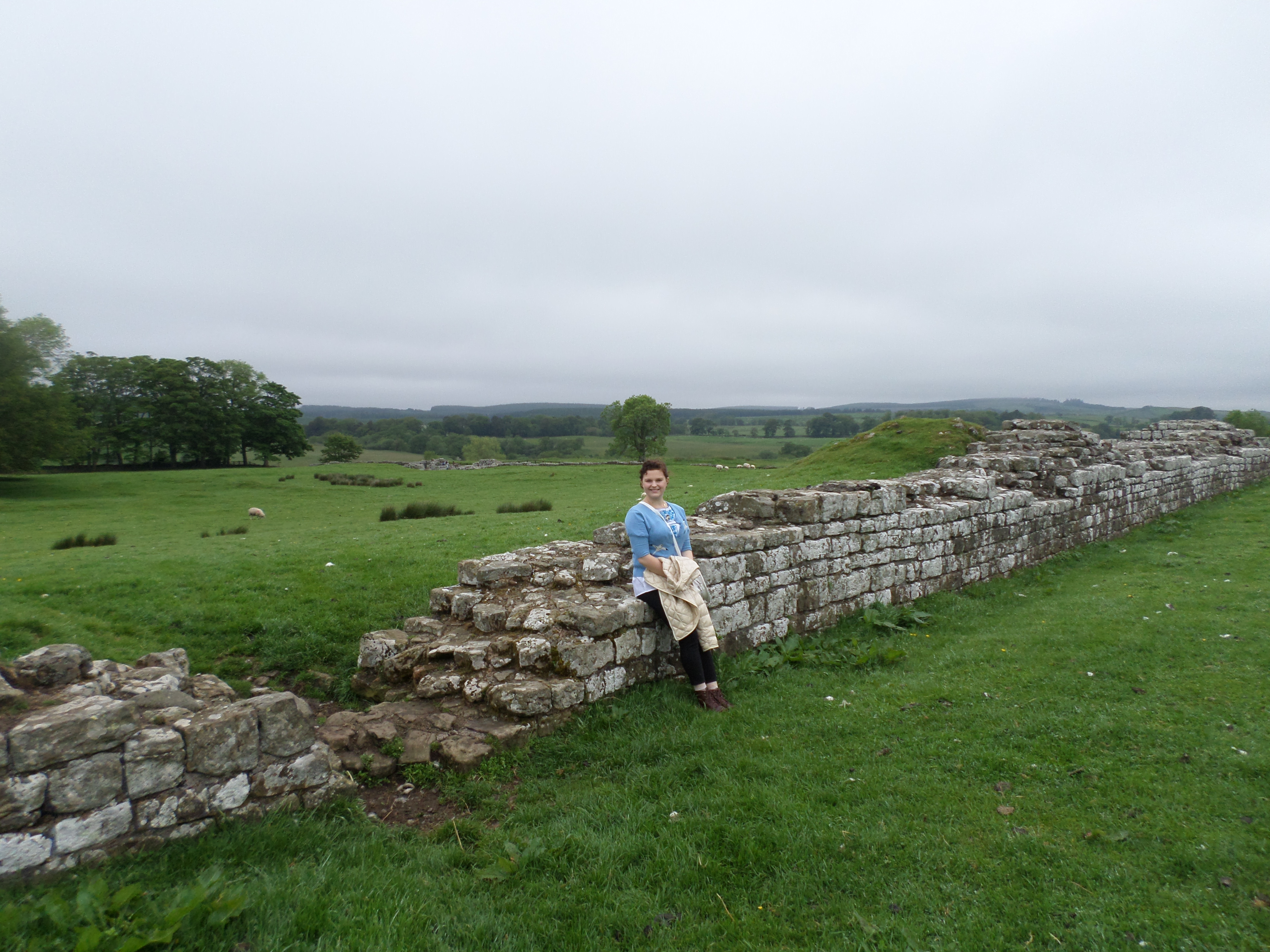
    How can you improve a long road trip? Go to a museum! Whilst driving from York to the Lake District we detoured slightly to visit Birdoswald Fort and Hadrian’s Wall. The Fort itself was quite impressive. However, I really enjoyed seeing the remnants of Hadrian’s Wall. Birdoswald is where you can see the longest remaining intact stretch of the wall. Inside Birdoswald you can see the wall up close – you and a few dozen sheep. There are so many sheep roaming around it’s quite atmospheric.

    SAMSUNG CAMERA PICTURES
    Hadrian’s Wall
    Hadrian's Wall with Sheep!
    Hadrian’s Wall

    After the Wall (pause for Jon Snow reflection time) we drove to our accommodation in the Lake District. We are staying in the town of Keswick where they have the Cumberland Pencil Museum.

    To be honest, one of the main reasons why I decided to visit this museum was because the entrance ticket is a graphite pencil. You literally get a pencil with the name of the museum inscribed on the end. Stationery makes me happy – museums make me happy – it seemed like a good combination. If you know your colouring pencils, this is where the famous Derwent colouring pencils are manufactured. This museum tells the history of the pencil. Trust me, it is more interesting than just that.

    A Range of Pencil Tins from the 19th century to Today.
    A Range of Pencil Tins from the 19th century to Today.

    For example, a great exhibit focused on the Second World War. Charles Fraser Smith, who worked for MI9, created secret maps and compasses that would fit inside a pencil. These pencils were manufactured by Derwent and were then given to British soldiers. The maps contained German military routes and escape routes from the Netherlands and Belgium.

    I also loved seeing the various pencil sets that have been released for special occasions. The pencil presented to the Queen in 2012 was actually quite beautiful. The gift shop is excellent for all art supplies so I helped myself to a replica Fraser Smith map pencil.

    Very different types of museums with very different contents. Both, though, were great to spend some time in and around.

  • York Cold War Bunker & York Castle Museum

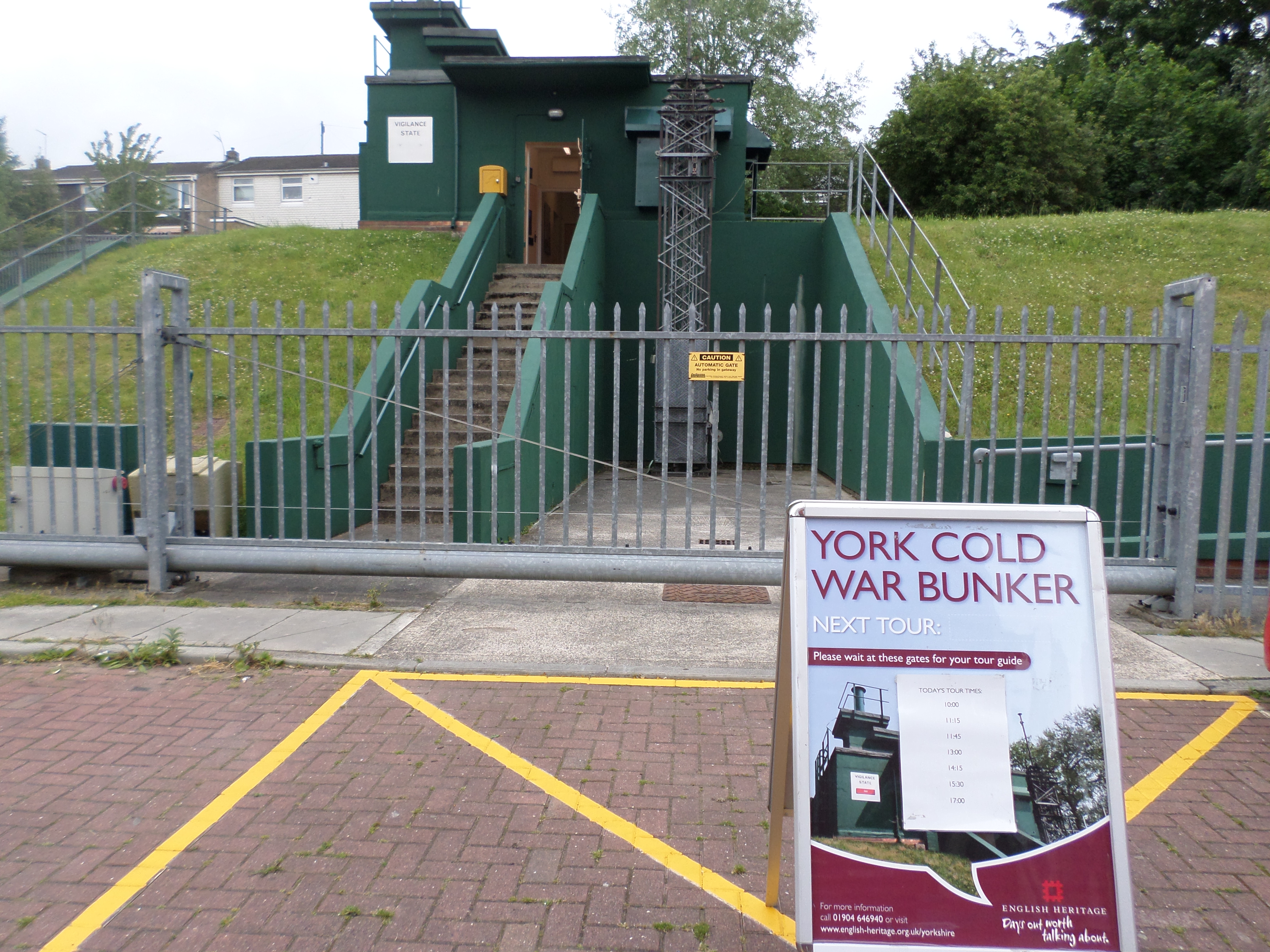
    The first museum we visited today, the York Cold War Bunker, is something you all need to see. Early last year, whilst in Berlin, I did their Cold War and Second World War bunker tours. They were phenomenal. When I saw that York had something similar, I just could not resist.

    We arrived bright and early just before the first tour of the day. You can only access the bunker on a tour (times are on their website). At 10.00 am sharp we were greeted by an incredibly enthusiastic tour guide who welcomed us, along with five other people, inside. It is a small entrance price to pay to literally walk through history.

    SAMSUNG CAMERA PICTURES
    York Cold War Bunker

    The bunker was occupied by the ROC (Royal Observers Corps) from 1961 until 1991. The main job of the ROC volunteers and staff was to be on the lookout for any nuclear activity and to notify the wider community as soon as possible if any was detected. Luckily, nothing serious happened during the Cold War with regards to nuclear weapons and England.

    Cold War Bunker in York Control Room.
    Cold War Bunker in York Control Room

    Everything inside is original, how the bunker was left in 1991. This just adds so much atmosphere to the place. The full capacity of the bunker was sixty people that could, theoretically, survive for thirty days inside. Being in there for just one hour was enough. The most time anyone spent down there was 72 hours so very lucky indeed. I cannot speak highly enough of this museum/living history site. Get yourself there if you’re ever in York!!

    SAMSUNG CAMERA PICTURES
    York Cold War Bunker

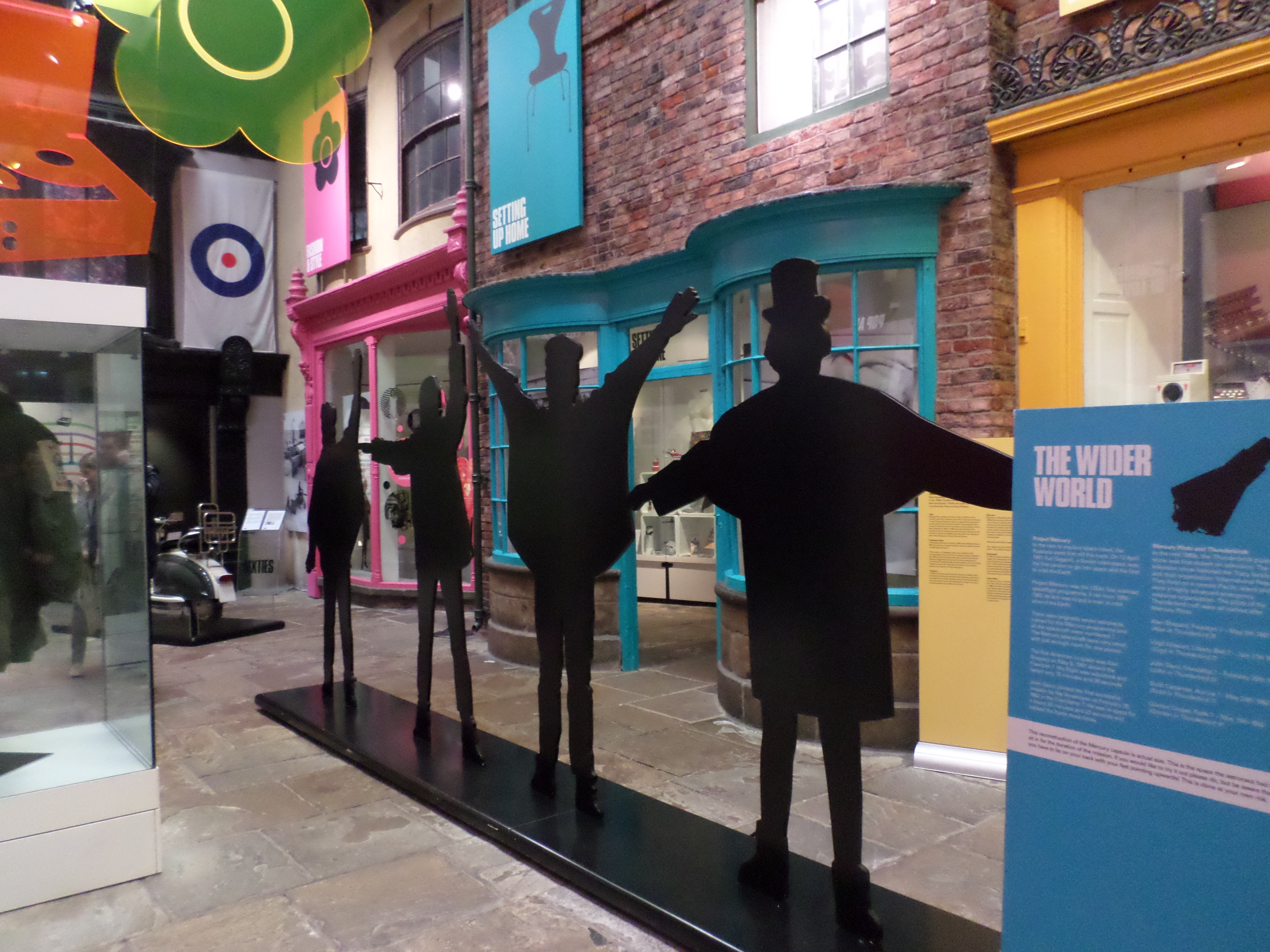
    Afterwards we decided to visit the York Castle Museum. Another great museum. I say that a lot but like I said in a previous post I strongly believe museums have different things to offer. The Castle Museum has a reconstructed Victorian street you can walk down. Fully equipped with shops you can walk inside and check out. There was also a police station and school.

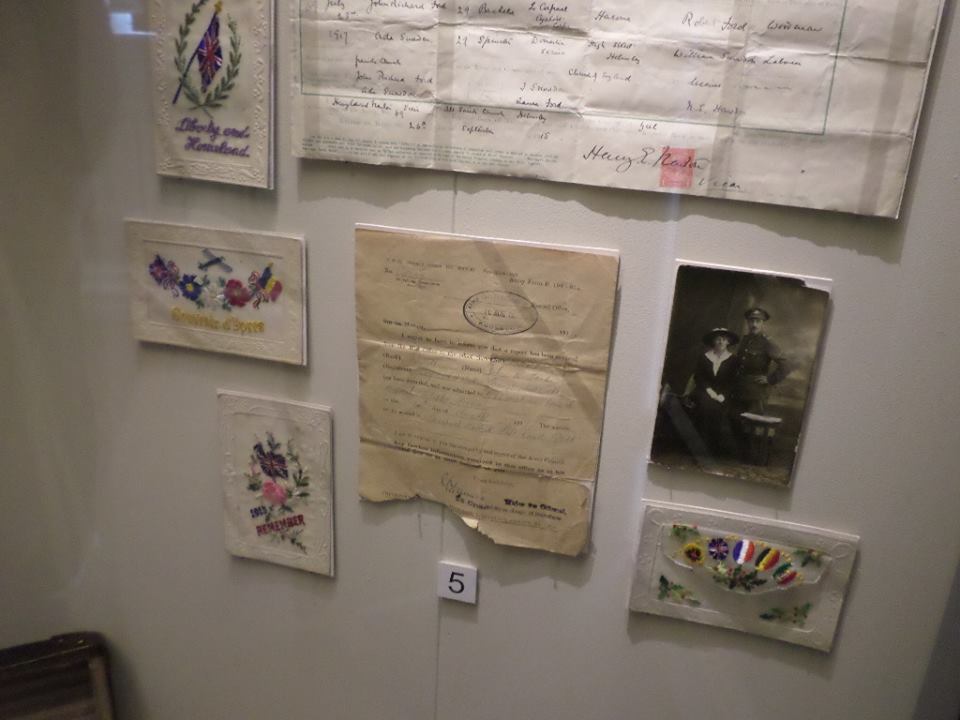
    On another level was a First World War exhibit. Similarly, it was incredibly interactive. It was an incredibly moving temporary exhibition taking you through the trenches, the homefront and the end of the war. Object highlight: embroidered pieces of fabric soldiers would send home to their loved ones (pictured below).

    Assortment of beautiful embroidered cards sent from the frontline to the homefront.
    Assortment of beautiful embroidered cards sent from the frontline to the homefront

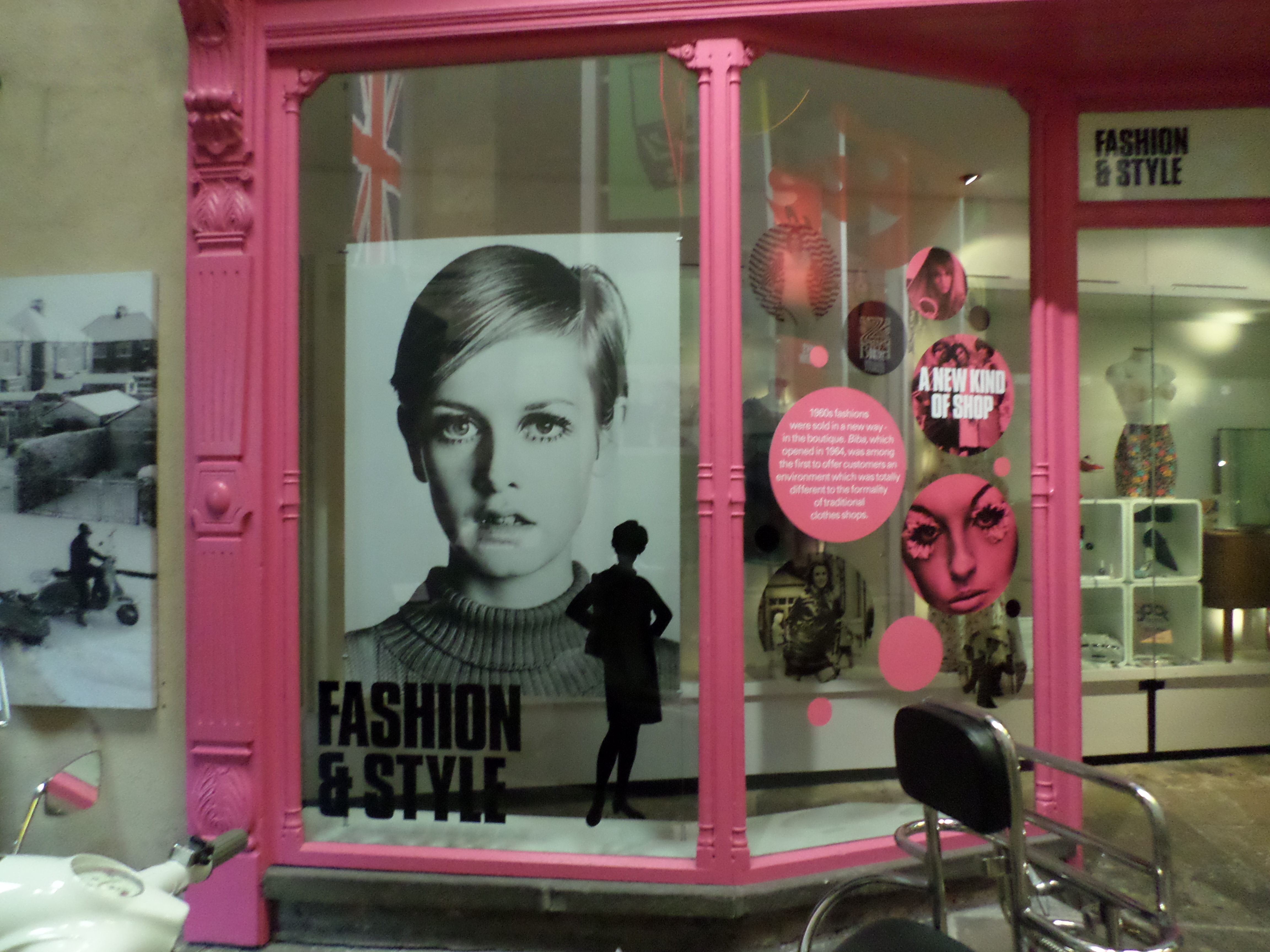
    We were also lucky enough to see an exhibit on the 1960s. Fashion, music and homewares all combined together to make for fascinating displays.

    SAMSUNG CAMERA PICTURES
    York Castle Museum
    SAMSUNG CAMERA PICTURES
    York Castle Museum

    Today was very interactive and insightful. From the Victorian era to the Cold War we saw, touched and smelt history – the way it should be. History at its absolute best!

  • Jorvik Viking Centre & Quilt Museum

    We were so glad to leave Nottingham and come to the beautiful town of York. Better town, better museums (in my opinion).

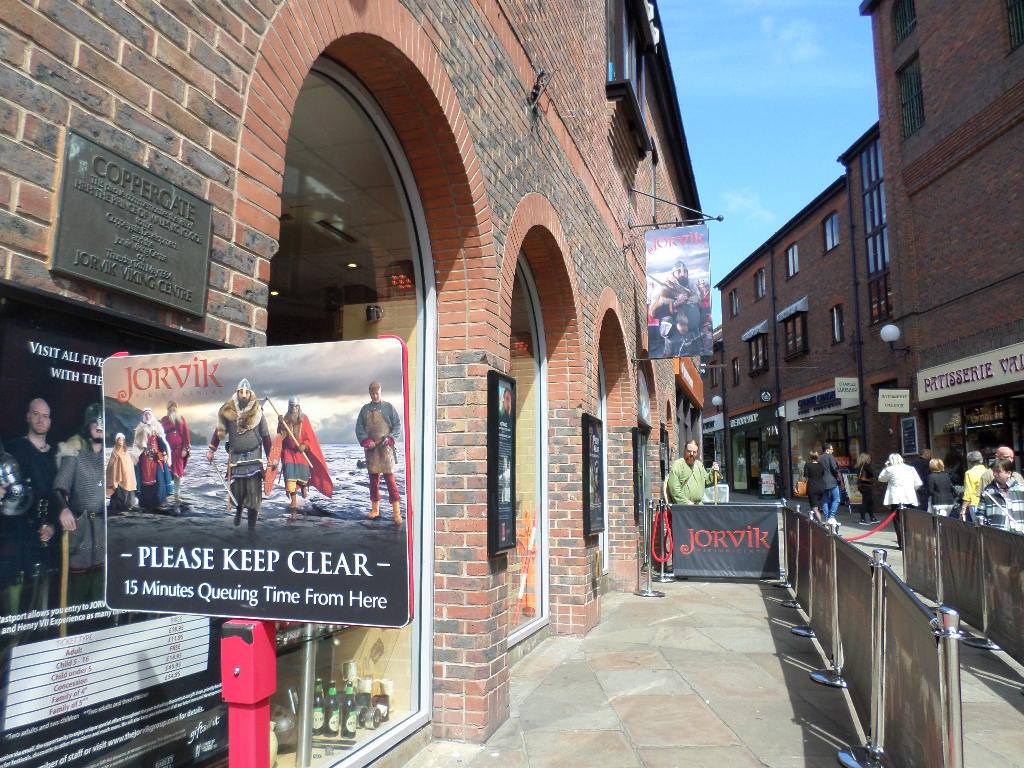
    Our first stop was the Jorvik Viking Museum. I can’t get over how fun it was. The first room you walk into has some archaeological finds and a few other bits and pieces. You then literally go on a ride through the museum. I’m not even joking. You get to sit in a viking-ship style car. As you are transported through the Viking village of Jorvik, the car talks to you – it explains what you’re seeing and how the settlement would have looked. I love it when museums get this interactive. You learn a little something and you enjoy yourself immensely. I loved going down the “main street” and seeing the stalls on the side of the road. It was packed full of information and provided the most fantastic introduction.

    SAMSUNG CAMERA PICTURES
    Quilt Museum

    When you exit the ride you come face to face with heaps of displays. There are viking coins, bits of pottery (some of which you can touch) and human skeletons. The skeletons were amazing! Forensic testing etc has allowed archaeologists to gain an insight into how each person died. One died during battle and one from old age.

    IT HAD A RIDE
    IT HAD A RIDE

    This is a really great museum. Especially if you are interested in the Vikings or in the ancient history of York (“cough” or if you watch the Vikings on the history channel “cough”).

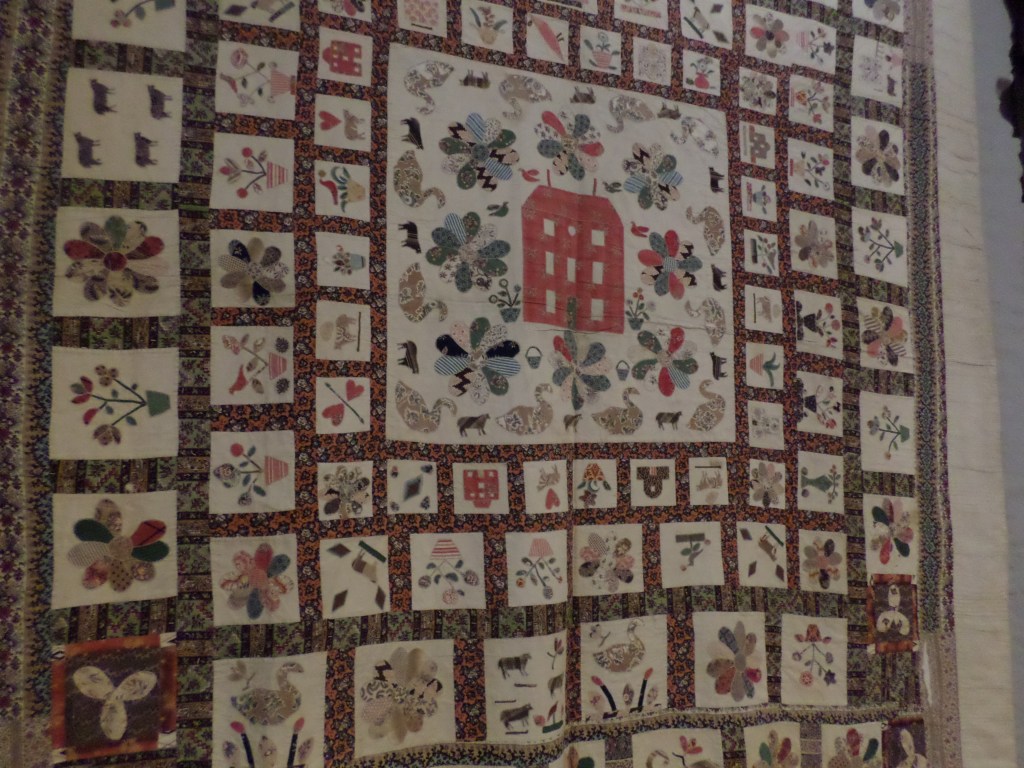
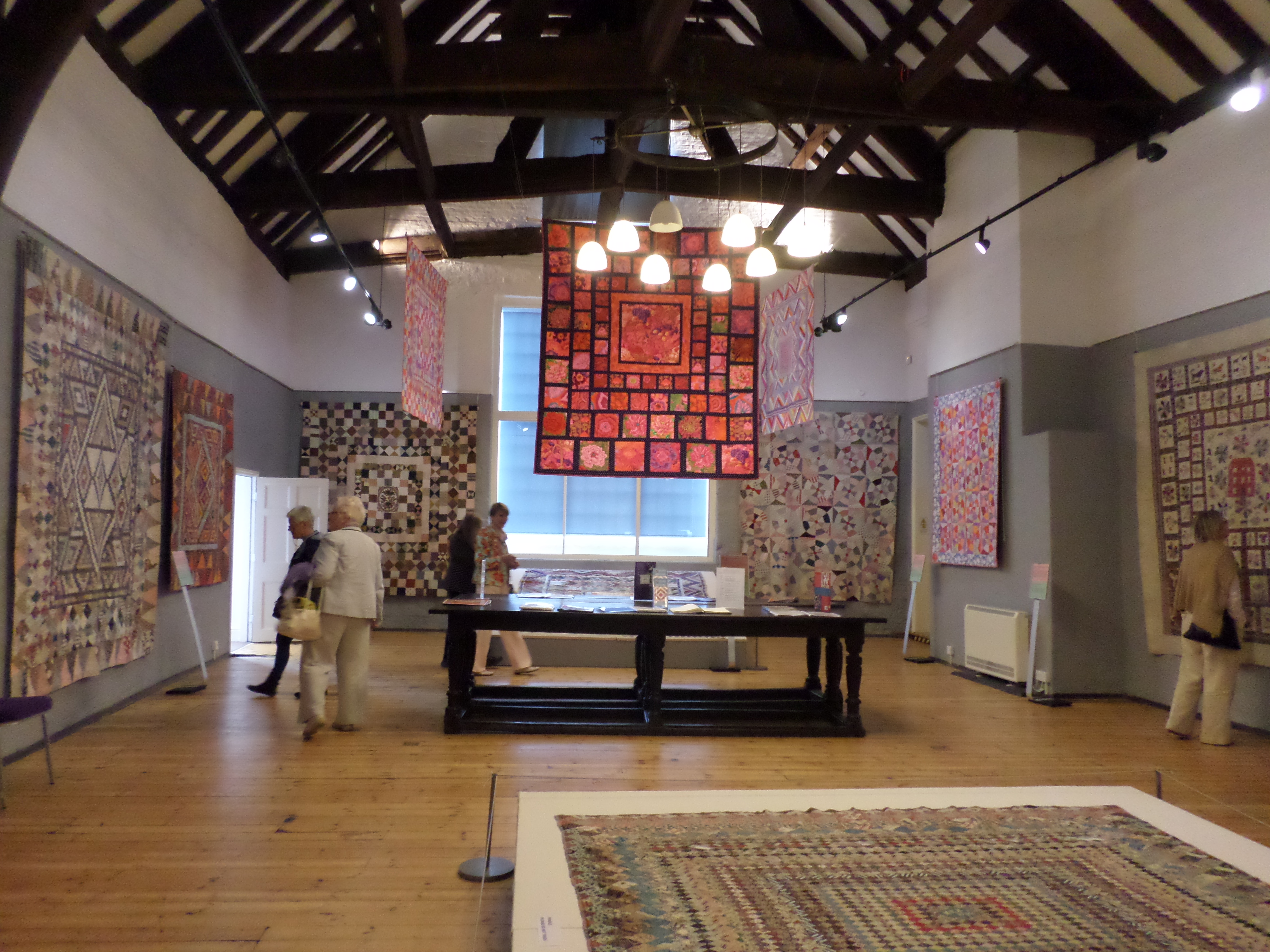
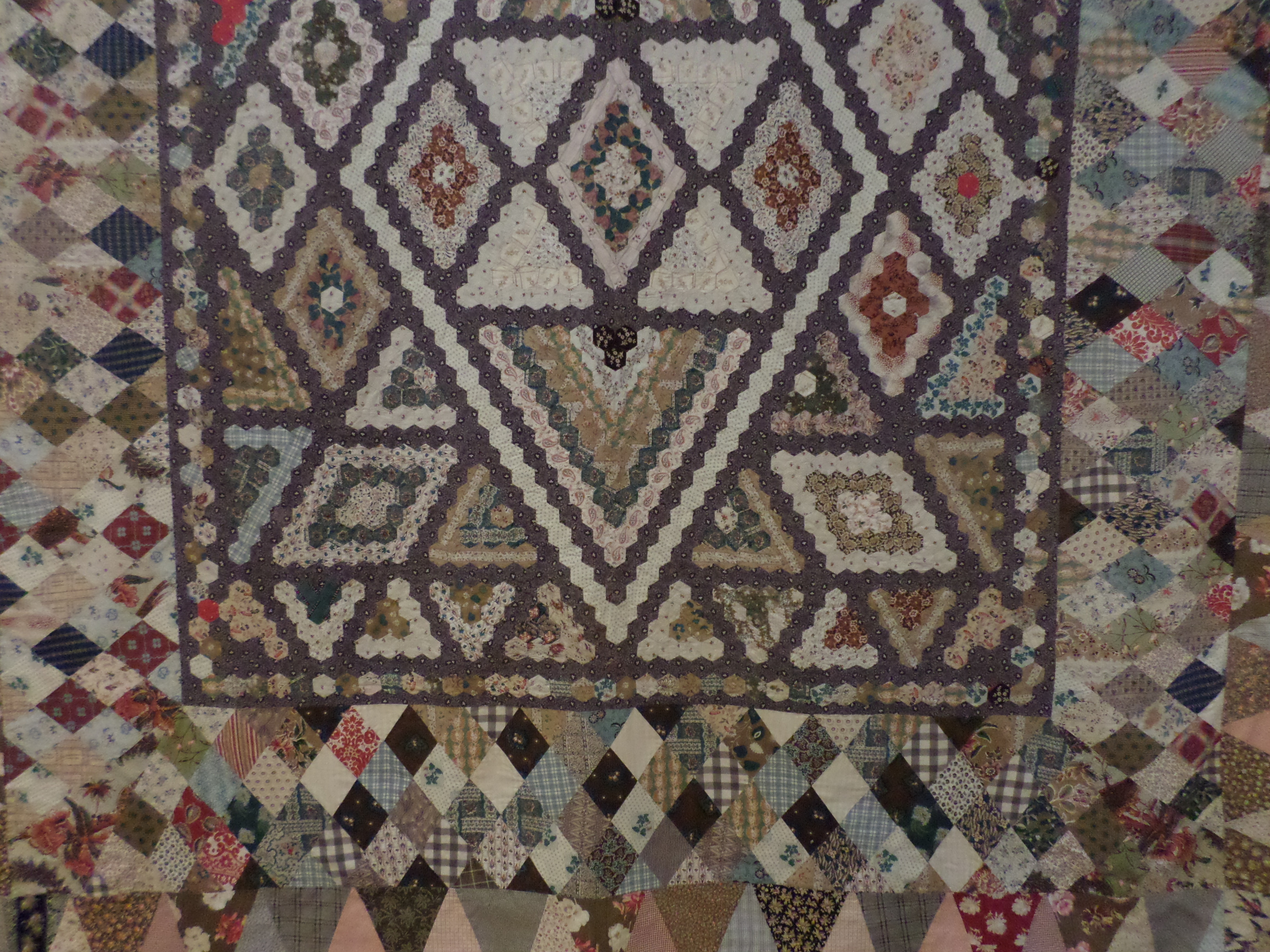
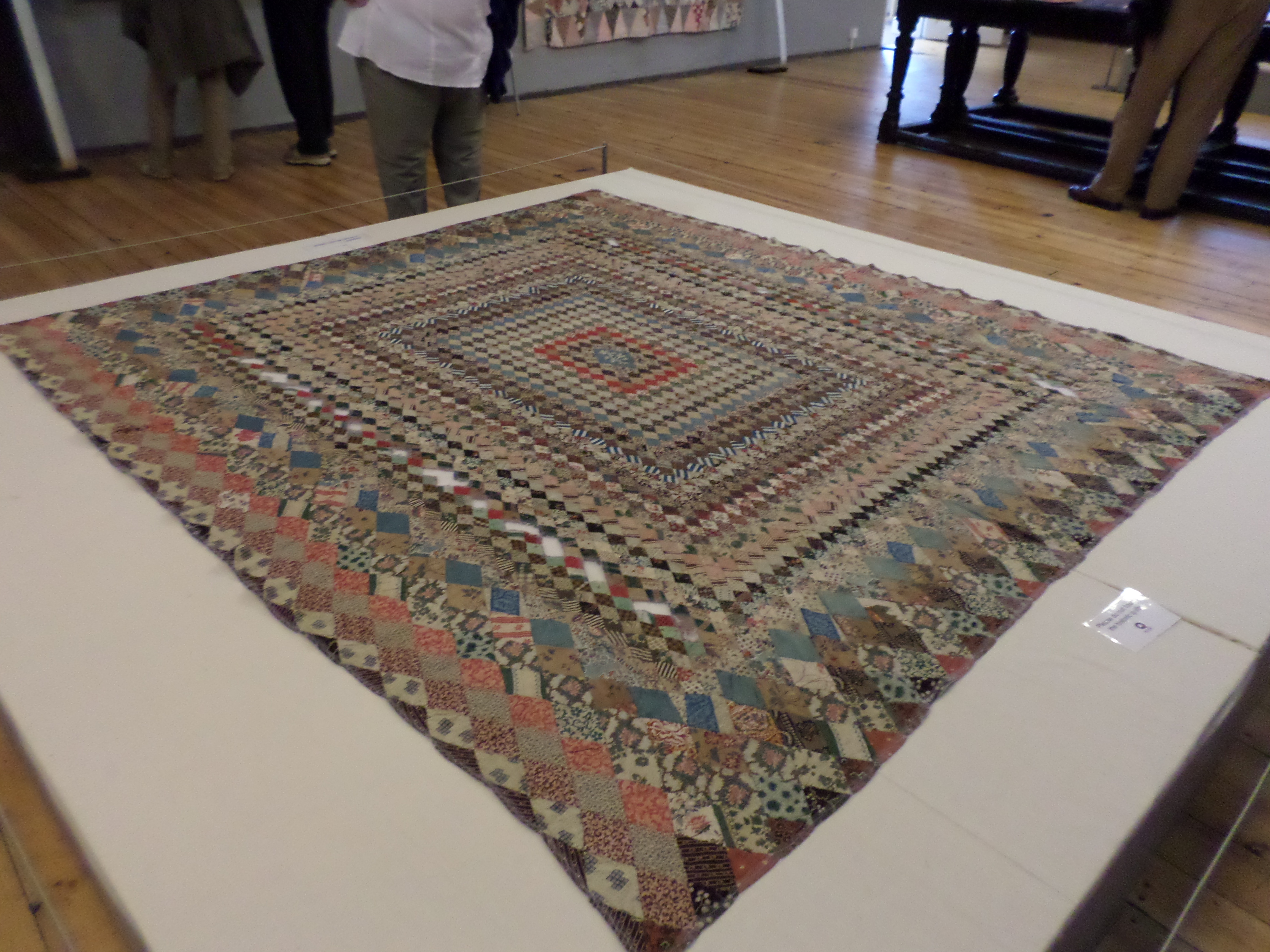
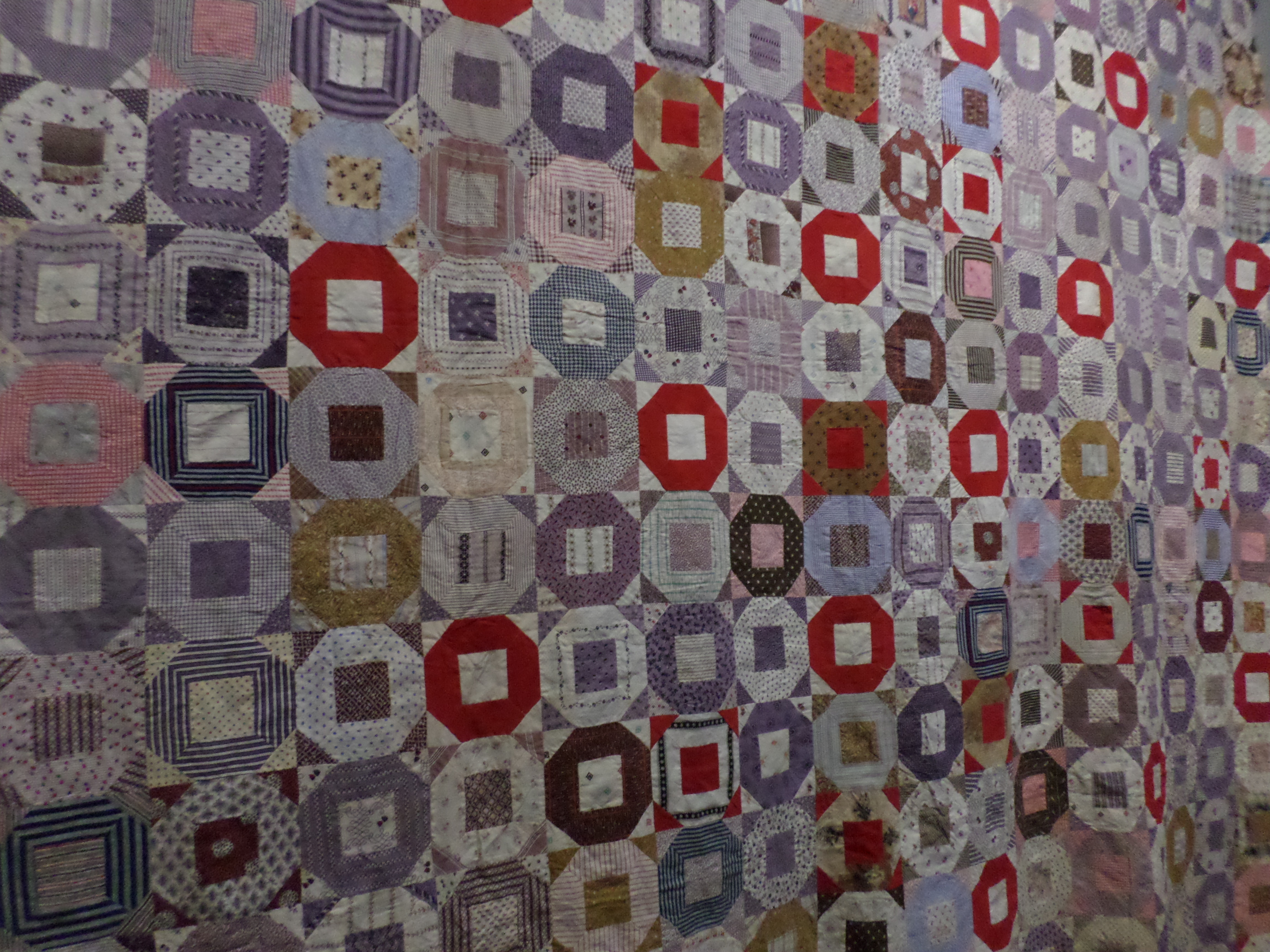
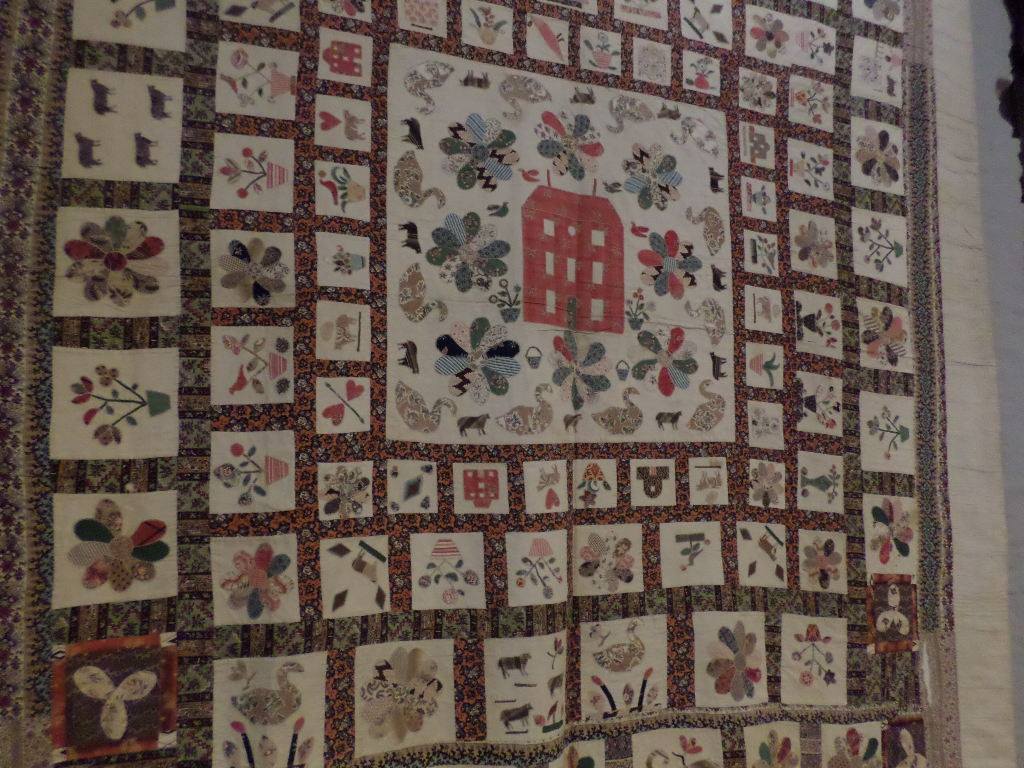
    The next museum we walked to was the Quilt Museum. Loud and proud quilt lover here. I just love the patterns and the intricacy of the shapes fitting together. There were some beautiful quilts from the 18th and 19th centuries on display. It’s not like the Viking museum, a museum for everyone, it’s more if you have a specific interest. Luckily I do and luckily the museum was excellent to see. There were about twenty quilts on display. The staff were so helpful and obviously passionate about the textiles which made the experience even better.

    SAMSUNG CAMERA PICTURES
    Quilt Museum
    SAMSUNG CAMERA PICTURES
    Quilt Museum
    SAMSUNG CAMERA PICTURES
    Quilt Museum
    My absolute favourite quilt. Credit: Kaffe Fassett and the Quilters' Guild Collection.
    My absolute favourite quilt. Credit: Kaffe Fassett and the Quilters’ Guild Collection.

    So far so good York! I cannot wait to see what fun tomorrow will bring.

  • Wollaton Hall & Workhouse in Southwell

    Well today is the day I have to bite the bullet and write my first negative review. I really don’t want to because I like to think that every museum has something to offer – something positive to write about. Wollaton Hall, however, has been the exception. It is a Hall but it also claims to be a Natural History Museum. Let’s start at the beginning.

    To enter into the property is near impossible. There are no signs indicating the location of the car park, Hall and cafe/gift shop. So we arrived in a pretty bad mood to begin with. To be fair, the gentleman on front of house was pleasant and tried to help us as much as possible.

    The bottom story of the Hall is meant to be a recreation of the Hall from the Elizabethan and Georgian periods. It kind of resembles that but it’s mostly just “hey let’s throw some stuff together and say Batman was filmed here”. Upstairs is the natural history section. You cannot throw a whole bunch of stuffed animals into a room and go “hey now we have a natural history section we can say was not in Batman”. My sarcasm is helping me to not cry at how this whole experience went.

    SAMSUNG CAMERA PICTURES
    Wollaton Hall

    So we left pretty disheartened. Alas the one good thing that came out of it was we found a brochure to an old Victorian Workhouse. I’ve learnt a bit about them so I was quite eager to see one.

    Front of the Southwell Workhouse in Nottinghamshire.
    Front of the Southwell Workhouse in Nottinghamshire.

    Thank whoever is up there for that brochure. We turned a horrible day right around before lunchtime visiting the Workhouse in Southwell, Nottinghamshire. This was such an awesome museum. A free audio guide that explained every room of the workhouse was a bonus. The building itself is great to just walk around and get a feel for how these famous workhouses would have functioned. It’s one of the largest intact remaining workhouses in England. What I like most about them is that they counteract this romanticism people seem to have developed about the Victorian era. For the most, life was tough. Very, very tough. This workhouse was a reminder of this history and it was presented very well.

    Childrens' slates hanging in the classroom of the workhouse.
    Childrens’ slates hanging in the classroom of the workhouse.

    Almost none of the furniture from the workhouse has survived so most of what you see are replicas. I understood their justification – if you put replicas in it might take away from the place. It really didn’t need bits and pieces thrown in. The building told the story all by itself.

    Don’t miss the garden out the front where you can find plants that would have been harvested in the nineteenth and early twentieth-centuries. You can even buy fresh herbs or berries from the reception.

    So on the balance scale today was more on the good side than bad with regards to the museums visited. It could have gone horribly, horribly wrong.

  • Ashmolean Museum Broadway

    On our way to Nottingham we visited our final Cotswolds village, Broadway. One of the main reasons why I wanted to visit this town is because it’s home to an offshoot of the Ashmolean Museum. The setting for this museum is wonderful. Broadway is such a beautiful town with so many quaint cafes and shops. Even if you don’t intend on seeing the museum, add this town to your Cotswold itinerary.

    SAMSUNG CAMERA PICTURES
    Museum Entrance

    The Ashmolean Museum is near the end of the main street. It’s inside an absolutely incredible Tudor house – very hard to miss. That’s what I loved most about this museum. Similar to the Commissariat back home, it’s a museum set in a historic building. This just adds so much charm to the place. So let me talk a bit about the house first.

    Museum Sign
    Sign outside the museum.

    It was originally built in the seventeenth-century as a coaching inn. Over four centuries it has been renovated – expanded and revamped. According to the website for the museum (http://www.ashmoleanbroadway.org/aboutus.aspx) the house has served as a school, farm and also as a private residence. You can see different architectural styles interacting with each other as you walk through each doorway in the museum. Make sure you take a peak at the back garden through any of the windows. Everything about the architecture and layout of this museum is beautiful.

    View to the Garden.
    View out the window to the garden.

    Now to the objects themselves. This museum has only a small collection on display. This allows you to enjoy the atmosphere of each room as you move through the centuries. There is an example of a seventeenth, eighteenth, nineteenth and twentieth-century room – all of which have their own unique exhibit.

    Personally, I loved the display of a cabinet of curiosities. I believe it was in the eighteenth-century room right at the back before you walk up your first flight of stairs. Inside the room is a huge glass case and inside that, as you can imagine, are many curious things. Stone-age axes, shabtis from Egypt and Roman marble busts etc etc.

    There was also a wonderful temporary display of Chinese artworks depicting the “Garden”. Right at the beginning was a painted scroll showing a springtime garden at the Han Palace. It is absolutely worth seeing! This scroll is from the seventeenth-century. As pointed out by the front of house, it’s great having a house built in the seventeenth-century display an item from the same century but from many miles away.

    It was a very quaint and relaxing museum to wander around. If you find yourself in Broadway add it to your list!

  • Winchcombe Police Museum

    I was so thrilled to see that the beautiful Cotswold Village of Winchcombe had a police museum! It was one room filled with objects here and there and folders containing village ancestry piled high. Such a beautiful local museum.

    The first section told the story of Winchcombe. Basically how the town was constructed, then reconstructed, then constructed again. The town dates back to neolithic times – there is even a section you can touch fossils dating back to this period. The town’s strongest connection is to the Saxon period. It has survived everything in between and beyond. There are so many cute knick-knacks around the reception desk. Victorian and Edwardian love cards, opera glasses and their case and a few Roman mosaic tiles. Beneath the glass case of goodies are a few folders containing oral histories of the area. These were a very nice addition. It is great to see the history, told by the people, kept alive.

    SAMSUNG CAMERA PICTURES
    Uniforms

    After the first half-ish of the museum you step into a section containing bit of police memorabilia. Not just from this town or even this country! There are police patches from almost all states of America and hats and uniforms from all over the world. I loved seeing all the hats lined up on display. I spotted one of them is actually from Victoria. So amazing to see an Australian police hat on the other side of the world in a small Cotswold museum.

    Collection of Police Hats on Display!
    Collection of Police Hats on Display!

    My favourite experience, however, was seeing all the uniforms. There were about twenty on display. These were mostly from areas of England, Scotland and Wales. A few from Russia. Even a few from Japan. If I had to narrow down the highlight out of all of them I just can’t go past the women’s uniforms from Scotland and England. I have become extremely interested researching women in the Queensland Police Force. Seeing more stories from around the world was pretty great. There was one picture in particular of a woman dressed in her Harrods Police Women’s uniform dated 1908. She had no power of arrest and no formal authority yet, but she wore her uniform with pride.

    Things have come a long way. Female recruits are growing in numbers each year and I am so glad to see this. I appreciate such a small museum telling and showing their story. If I had to summarize this museum in two words it would have to be: “informative” and “local”. A nice way to spend an hour or so. Also very friendly front of house!