• Museum of Applied Arts & Sciences: Art of the Brick

    Art of the Brick is currently on display at the Museum of Applied Arts and Sciences (MAAS) until May 1. With only one month left until the exhibition closes, I thought now was better than never to write a quick review. I also feel as though I need to say straight out that my allegiances are, and always will be, with the Marvel Universe. I am currently revolving my sense of time around when Captain America Civil: War is released (oh that essay is due three days post-Captain). Anyway, if you are the same as me and prefer Marvel to DC do not let that dictate whether or not you visit. Some of the work you will see inside is unbelievable.

    The exhibition starts with a short film. I quite like this idea for a couple of reasons. Firstly, it allows for casual crowd management. Secondly, it means that you are exposed to some context before delving in to what’s on display. The Art of the Brick film is short, around 2-3 minutes. It shows the behind-the-scenes work of Lego artist Nathan Sawaya, the creator of all Lego pieces inside the exhibition. In the entrance space you are also able to see one of his most famous pieces – the yellow man ripping open his chest.

    After the film you exit into a room similar to that of the entrance. Again, you come face to face with the yellow Lego man except this time he has transformed into the Joker. It was a great way to introduce the exhibition – visually transporting visitors into the world of DC Comics.

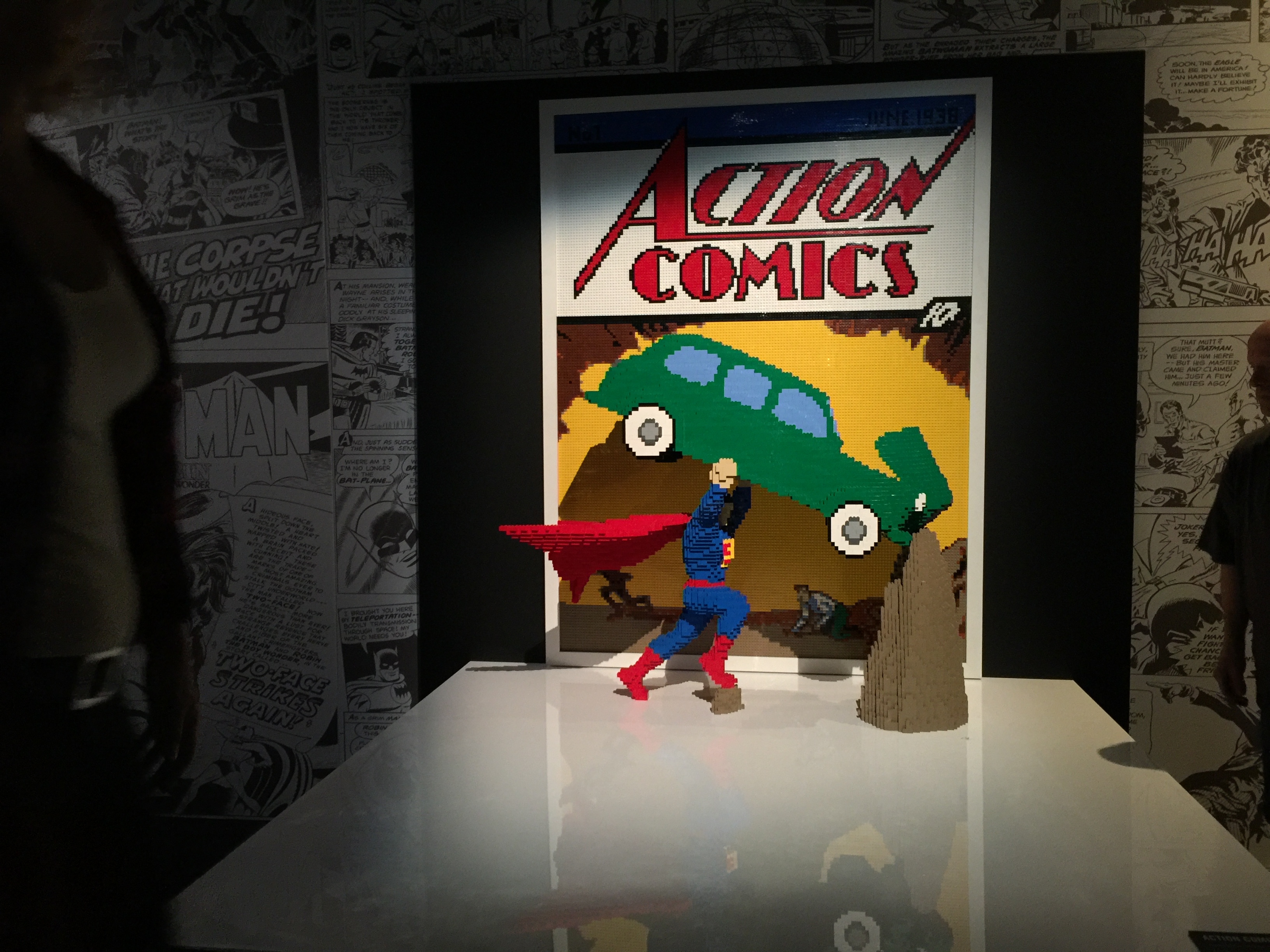
    Superman Blue
    Superman
    Superman and Car
    Superman

    It is quite a large exhibition inside with ten rooms filled to the brim with superhero stories. The rooms are thematically organized. For example, in one there are heroes and in another, the villains. There are also rooms dedicated to one superhero. I loved the Batman rooms that were curated to look like Gotham City.

    In terms of layout, the entire exhibition is quite dark with spotlights highlighting the specific pieces. Each piece is displayed open-air with no protective glass. Essentially this means I had a small heart attack each time a child was running directly into the path of one. On the other hand, having things open-air means you can really see the intricacy of the structures and appreciate how much time and effort went into their creation.

    The pieces range from quite small to absolutely massive. No spoilers here but the finale of the exhibition is definitely worth seeing. After exiting the rooms there is a small gift shop and an area for kids to play with Lego. It was great seeing so many children playing with the Lego pieces and trying to build their own creations.

    If I had to describe the exhibition in one word it would probably be fun. I didn’t worry about reading the exhibition labels or writing down any information. I simply walked around and admired the pieces for their artistic value and for their ability to show the beauty of creativity.

  • Biennale: Museum of Contemporary Art

    This Easter long weekend presented a perfect opportunity to see the Biennale artworks at the Museum of Contemporary Art (MCA). Located right next to Circular Quay, the MCA is an impressive building combining elements of the old with the new. It is also a lovely gallery to visit if you are looking for a day on the Harbour and hoping to see the Harbour Bridge/Opera House or explore The Rocks area.

    Until June 5, the MCA is displaying a few of the Biennale artworks. I ran through what Biennale is in my last blog post. Whereas Cockatoo Island is the Embassy of the Real, the MCA is the Embassy of Translation. It was difficult to truly understand and appreciate the artworks without a guide. In saying this, the MCA does offer an app, free to download within the museum, that promised to provide more context for the artworks on display. Although the app was easy to use, it did not add anything to our experience. If anything, it repeated a lot of the information already on the artwork labels.

    IMG_5575
    Museum Sign

    Biennale is located on the entrance level in quite a small room. The works of eleven artists are on display and include paintings, sculptures, and photographs. In total, we spent around 30 minutes walking through the entire exhibition only occasionally stopping to read the labels.

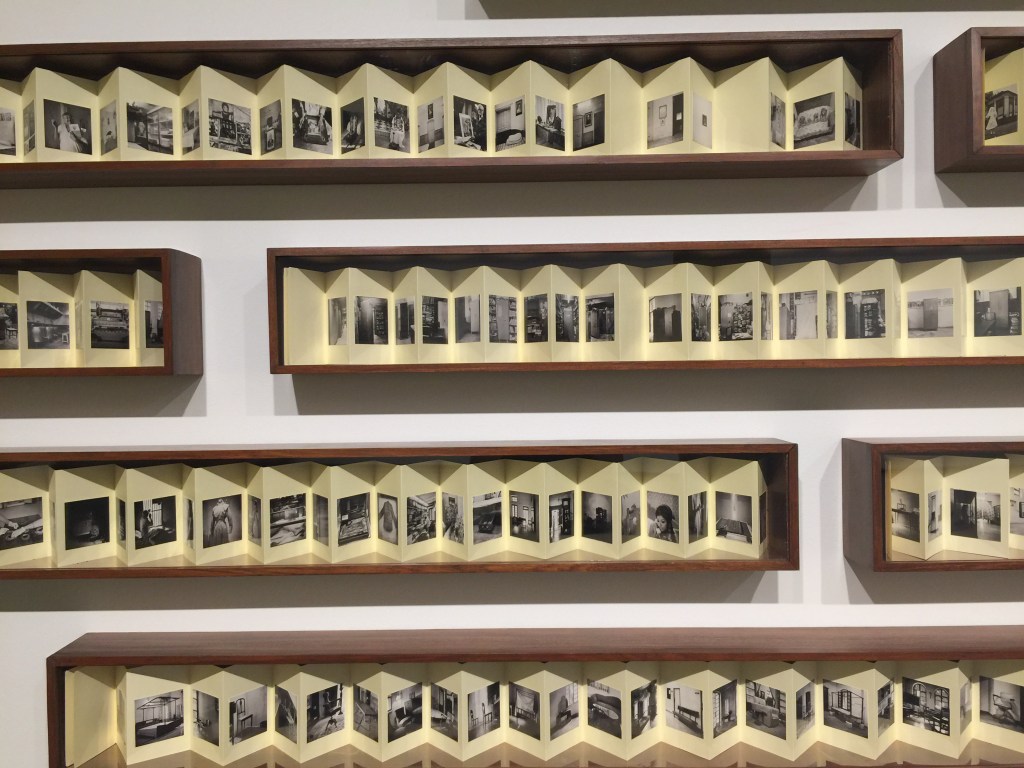
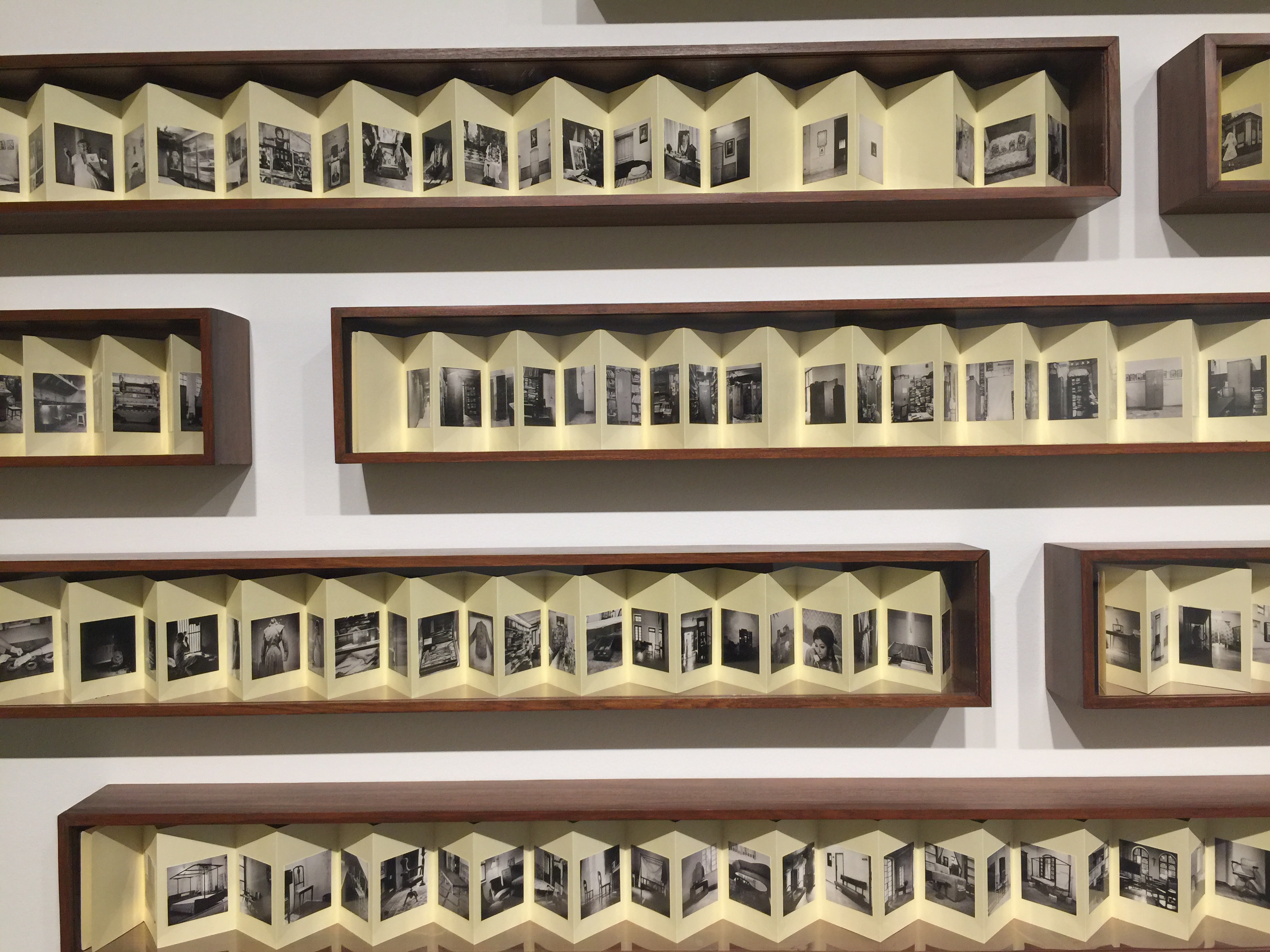
    One particular installation that caught my eye is pictured below. The piece is by Dayanita Singh, an artist from New Delhi. It is simple, yet aesthetically pleasing. Without even knowing its meaning or significance, I was drawn to look at all the photographs. According to the artwork label, these photographs are ‘both a catalogue and miniature, traveling exhibition of Museum Bhavan’. Each accordion correlates to one of nine museums (Printing Press Museum, Museum of Photography, Little Ladies Museum, Museum of Machines, Godrej Museum, Museum of Men, Ongoing Museum, Museum of Vitrines and Museum of Furniture). It was great seeing how visitors reacted to and interacted with this piece. After reading the label, more often than not visitors would go through the nine accordions and try to match what photographs came from which museums.

    IMG_5570
    Dayanita Singh

    There is another piece by Singh in the museum titled the ‘Suitcase Museum’. It consists of large leather bags that each contain an array of black and white photographs. In my opinion, Singh’s work raises questions of the museum experience and who can visit an exhibition. Personally, what interests me about these themes is how the exact same exhibition in a different location can elicit new meaning. How it is curated, who is visiting the space, etc etc can change the experience and, ultimately, result in an entirely different outcome.

    One final word on the artworks. When you first walk into the exhibition room, it is truly a multi-sensory experience. To the left of the entrance is a sculpture/installation of coffee cups floating above piles of coffee beans. The smell of coffee is quite strong. Straight away I felt as though I was a guest to the exhibition being offered some coffee to start my day.

    Overall, I would recommend seeing the Biennale artworks at the MCA. It would probably be best to combine this embassy with a couple of the others. This is not because the artworks are disappointing, but, because they will hopefully leave you wanting to see more!

  • Biennale: Cockatoo Island

    To be perfectly honest, I had no idea what Biennale was until last year. I had heard little snippets of information about it prior to this but never took much notice. During an Exhibition Development course, our lecturer spoke about installations that have featured at Biennale in the past.From then on I desperately wanted to see the installations for myself.

    IMG_5531.JPG
    Biennale Sign

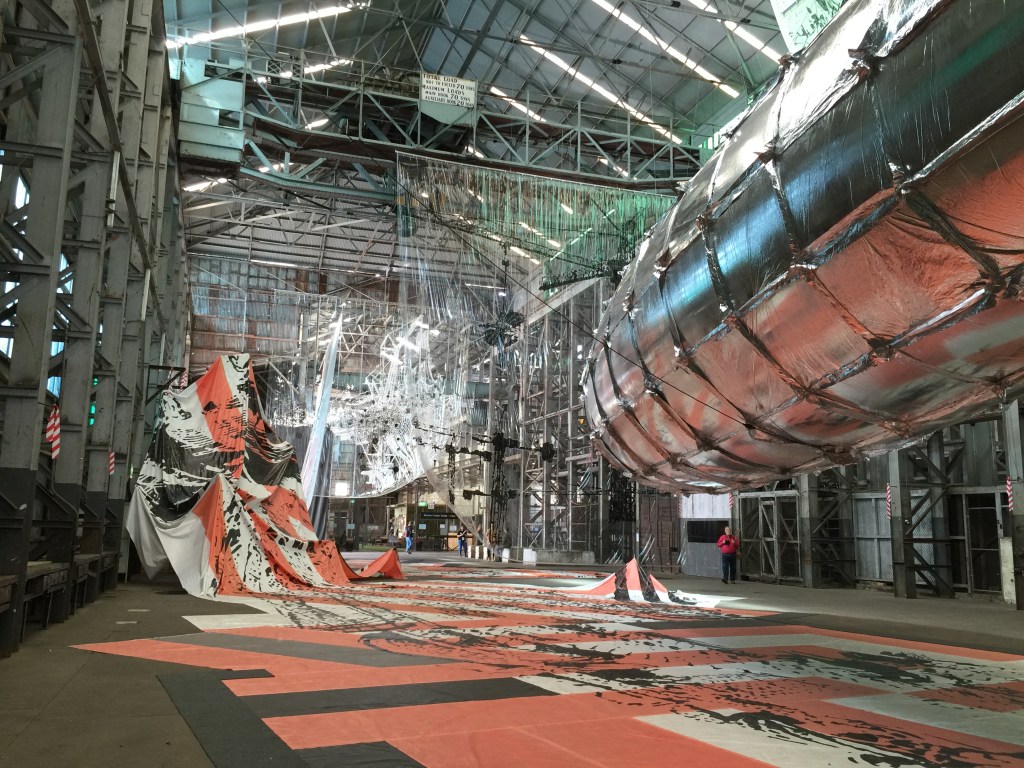
    Spread across a variety of venues, Biennale is essentially a huge art festival featuring contemporary art from all over the world. It is held in places like the Museum of Contemporary Art (MCA), Art Gallery of New South Wales and Cockatoo Island. It is running until June 5 and most of the venues have free entry! A pretty perfect day out. Today I went on a behind-the-scenes tour of the artwork displayed on the Island. Not to sound biased at all, but, I reckon if you are going to see Biennale then Cockatoo Island is the place to go. Firstly, unlike the MCA etc the entire Island is filled with artwork. It’s not separated off nor is it confined to one specific area. Secondly, due to the nature of the buildings on the Island huge installations can be displayed. The Turbine Hall in particular can support some pretty amazing pieces. Last, but not least, the mix between the old and the new on the Island is amazing. Think of contemporary art installations inside Convict Barracks.

    IMG_5534.JPG
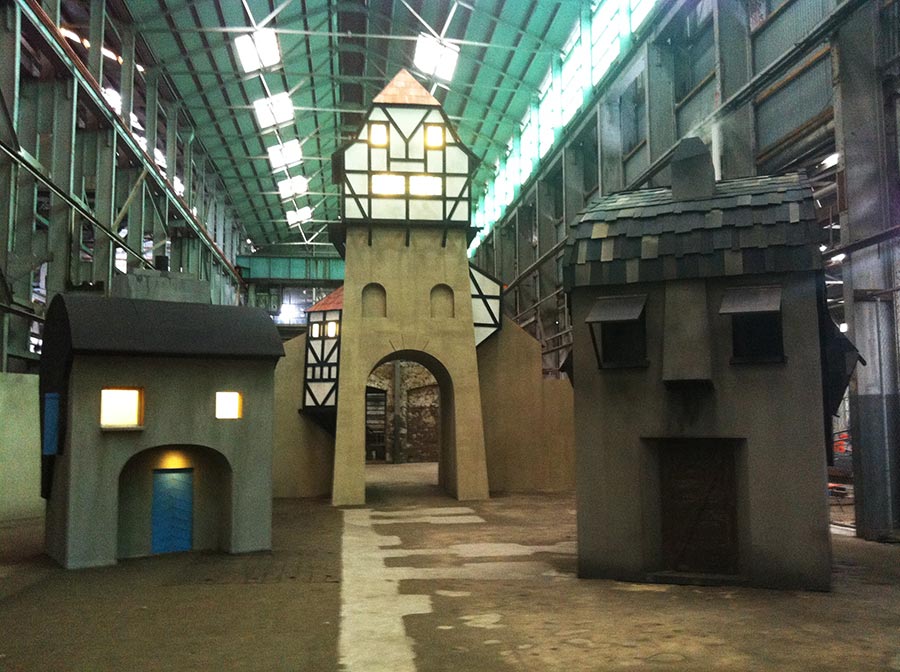
    Huge installation inside the Turbine Hall

    The theme for Cockatoo Island is Embassy of the Real. Each piece of artwork brings into question what is real? Who is our real self when we co-exist both in real life and in the virtual world? It is a very interesting theme to see played out in the various artworks.

    Highlights for me. I cannot go past the video installation next to the Convict Barracks in the old hospital. It shows a small village in Turkey completely cut off from electricity etc. When someone wants to make a call they must hike to the top of a mountain for mobile reception. The video shows the locals hiking, making calls, and engaging with their technology. It calls into question the main theme of Biennale ‘the future is here just not evenly distributed.’

    I also enjoyed the installation by Shanghai artist Xu Zhen. Zhen has combined the Elgin Marbles with Asian sculptures to represent the literal clashing of heads between different cultures. It simultaneously has a very clear message yet is still open for interpretation.

    ‘Eternity’

    In the future I will definitely take the opportunity to experience the virtual reality tunnel. One at a time visitors are sent through the tunnel with video googles and headphones to experience an alternate reality. Probably best to steer clear if you’re claustrophobic.

    There is so much more on the Island worth exploring. I loved the way it has opened up Cockatoo Island for the public to explore and engage with on a whole other level. Experience each space and see what it has to offer. If you are there Thursday – Sunday make sure you enjoy some wine tasting on top of the Island as well.

    My introduction to Biennale has been eye-opening and filled with curiosity. I’m not a massive fan of contemporary art, but, seeing it interact with the heritage of the Island is truly something special.

    More information can be found here: https://www.biennaleofsydney.com.au/20bos/

  • University of Sydney: Semester 2.0

    Back in Sydney and back to study. I’ve been a little quiet on the blog front lately mainly because I’ve been dealing with moving interstate (again), starting a new job, going back to study etc etc all the excuses. I am greatly looking forward to this year and all the museum and heritage goodness it will bring. The second half of last year felt so rushed and intense so I’m extremely happy to have settled in for a full twelve months this time around.

    To kick things off I will be attending Biennale on the 21st of March. For those of you unaware of what this is, it’s basically a huge art festival they hold in various locations around Sydney. It runs for approximately two and a half months (18 March – 1 June). During this period there are a lot of huge and fascinating art installations on Cockatoo Island. A perk of working on the Island (one of many) is that I will be attending a behind-the-scenes tour of the artwork. I will make sure to write a little something about it and on the festival itself.

    glampingcockatoo07.jpg
    Previous art installation in the Turbine Hall on Cockatoo Island

    Speaking of the Island, on Tuesday I led my first public tour. I had a great group of very interested individuals who were so engaged the whole time. I never thought in a million years that I’d love being a tour guide as much as I do today. Public speaking was something I actively avoided. When I started taking convict history tours of Brisbane last year, however, a switch went off in my brain. All of sudden I had people actually interested in what I was saying and asking questions, wanting me to say more etc etc. The impact that had on me can never be taken for granted. It’s just unreal to now have the opportunity to talk about something I love (history and heritage). I think as well this whole ‘Australian history is boring’ thing needs to stop. We need to know our history. That is another rant for another day.

    Moving on, my core unit subject on engaging audiences has a few excursions so again I will try to write some blog posts about those. Included are visits to the Hyde Park Barracks and Susannah Place Museum. That is basically what to expect from me until the Open Palace Program starts in July.

    Until then, goodbye!


  • Heritage I Love

    On Valentine’s Day I wrote a top 5 ‘Museums I Love’ post. I promised I’d do the same with heritage places so here it is. Again, this is entirely my personal opinion.

    5. Tower of London, London – http://www.hrp.org.uk/tower-of-london/

    The first time I visited the Tower I was about ten years old. I still remember how excited I was to walk through the site and learn as much as I possibly could. Fast forward six years. Sixteen year old me was just as excited to see the Tower again and for this reason it’s my number 5. Side note, it has an amazing cafe inside that cooks really good home-style food. It also has a great gift shop. This was a tough choice because I really like all the Historic Palaces in England. Later this year on the Open Palace Programme I hope to learn more about these fantastic sites!

    05232-London-Tower of London 14.12.00
    Tower of London

    4. Historic Center of Warsaw, Poland

    I love a good historic city center. The one in Warsaw, Poland is one of the best. Containing a collection of stunning buildings it’s clear a lot of work and love has gone in to maintaining its charm over the years. I highly recommend joining a tour of the area to really appreciate the history. The one I took was: http://orangeumbrella.pl/.

    Old Town Square with Mermaid Statue
    Warsaw

    3. Bauhaus in Weimar and Dessau – http://www.bauhaus-dessau.de/en/index.html

    For those of you unaware, the Bauhaus movement in the 1920s-1930s had three central locations: Weimar, Dessau, and Berlin. In Dessau you can visit the famous Bauhaus teaching building and see the ‘masters’ houses’. One particularly famous resident was Wassily Kandinsky. In Weimar, there is a fantastic museum that explains the movement. Both have a wide array of Bauhaus furniture and are devoted to showcasing the Bauhaus style.

    Bauhaus Museum 6
    Dessau

    2. Chichen-Itza, Yucatan, Mexico – http://whc.unesco.org/en/list/483

    There were so many amazing archaeological heritage sites in Mexico. As we progressed throughout the country we saw how the pyramid styles etc differed and developed. This all culminated in Chichen-Itza. It is truly a magnificent site. You gain a sense of the power of the Mayans and how their cities were organized. The pyramid in the center is the highlight of the site.

    IMG_4603
    Chichen-Itza

    1. Yosemite/Grand Canyon/Everglades

    I just couldn’t decide what to make number 1 so I cheated and made it a three-way tie. When you see the candidates you’ll hopefully understand. Yosemite, Grand Canyon and Everglades truly showcase the beauty of the American landscape. They are all so unique yet equally stunning. The mountains and lakes of Yosemite, the expansiveness of the Grand Canyon, and the unassuming beauty of the Everglades are all worth seeing. I truly cannot describe the beauty of these locations and even the photographs do not do them justice. They do, however, provide a taste.

    Me and El Capitan
    Yosemite
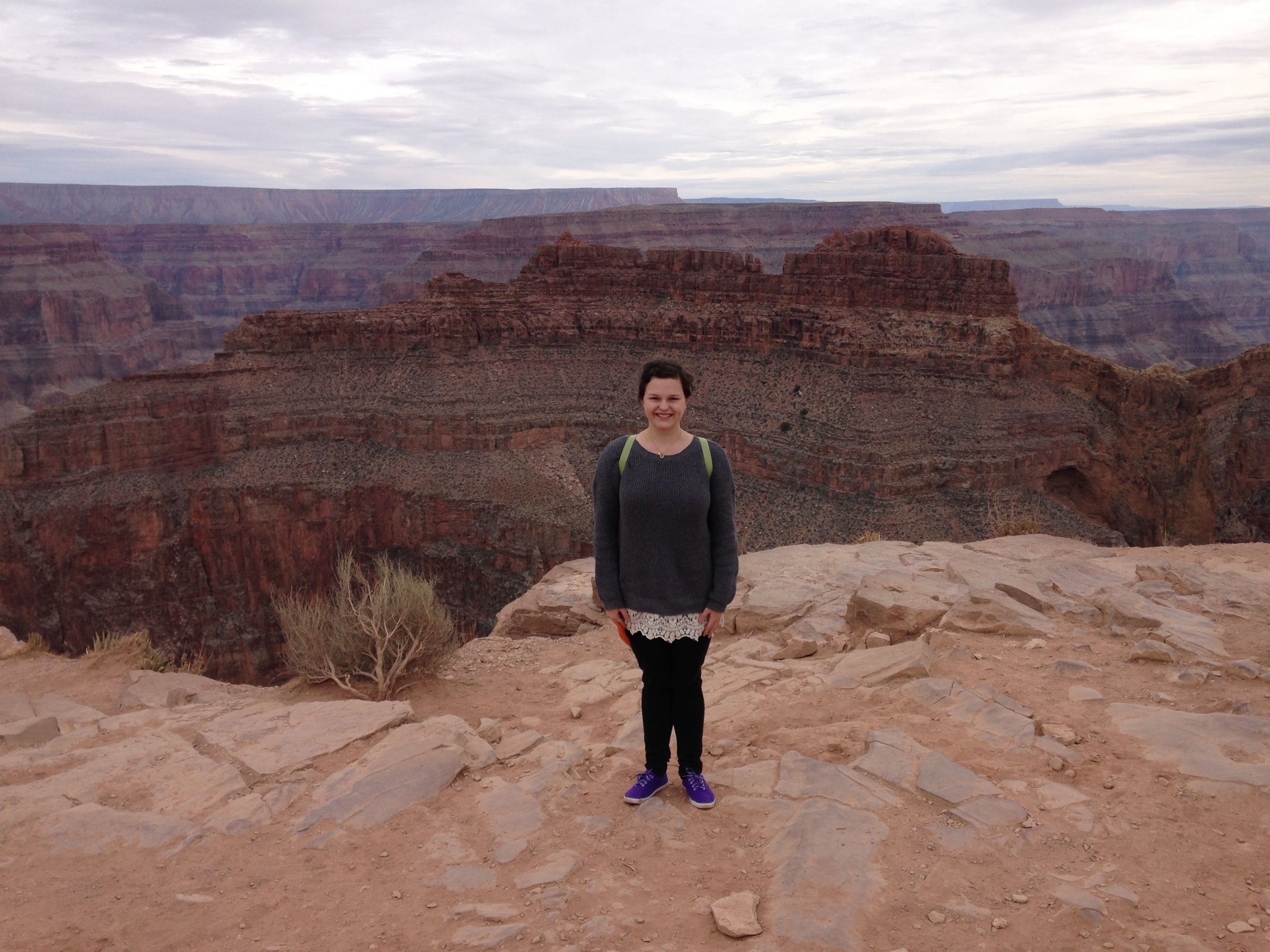
    Grand Canyon.14
    Grand Canyon
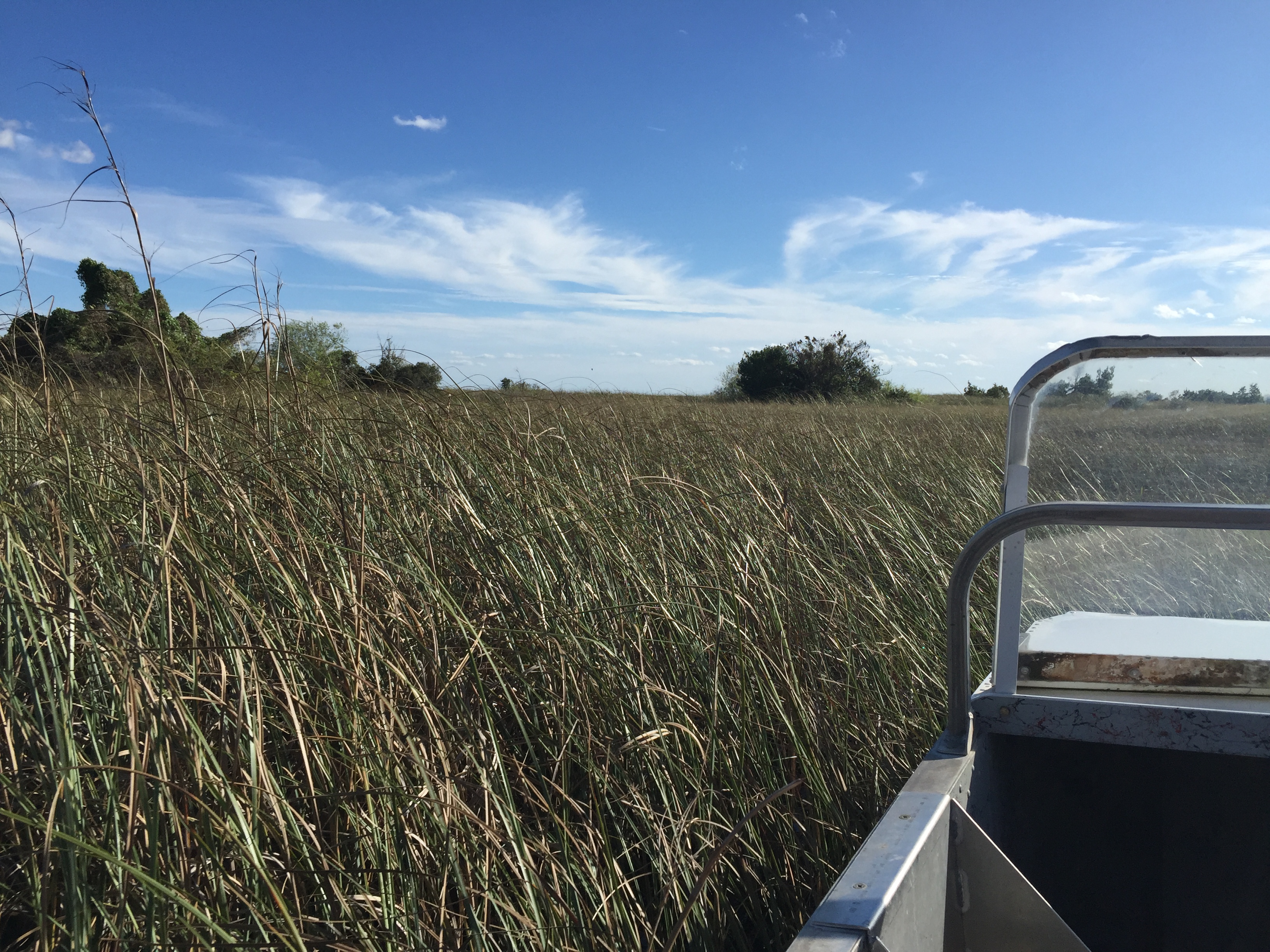
    IMG_3946
    Everglades
  • National Civil Rights Museum

    This is the second installment of my Memphis reviews. Before returning to Nashville, we stopped at the National Civil Rights Museum. It’s partly located in the Lorraine Hotel where Dr Martin Luther King Jr. was assassinated in 1968.

    The first section of the museum chronologically guides you through significant Civil Rights moments. It starts with a small section on slavery. Although small, it provides an overview that places the rest of the museum in context. You are then guided through the Civil War, Brown Vs Board of Education, Freedom Rides, etc. etc. Each section is clearly divided through the use of different coloured boards and information panels. It’s a very informative museum with didactic exhibitions that present narratives. Even though there is a large overriding narrative, each different section also contains its own story that can be traced through the text and objects.

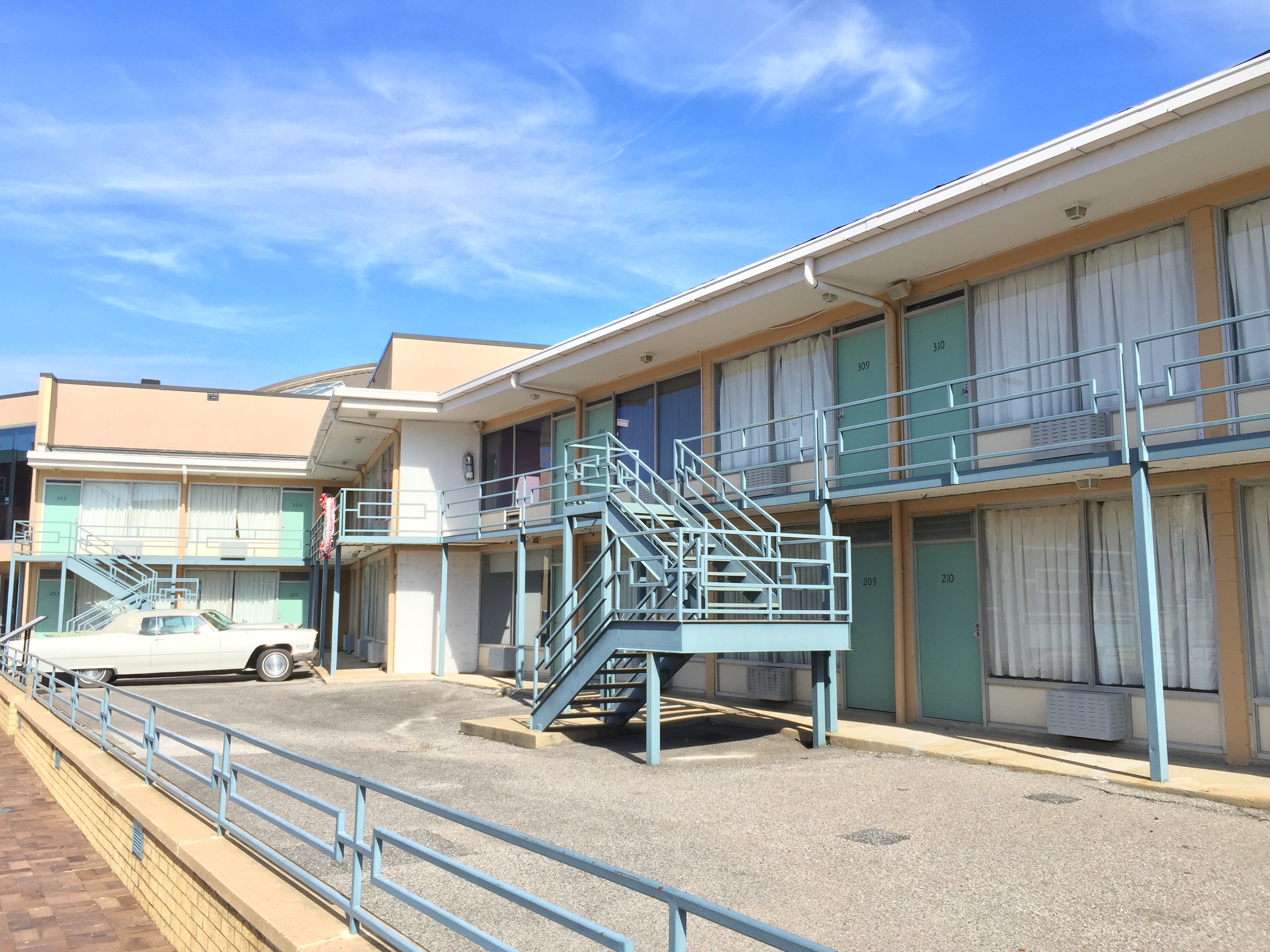
    IMG_5368
    Lorraine Hotel

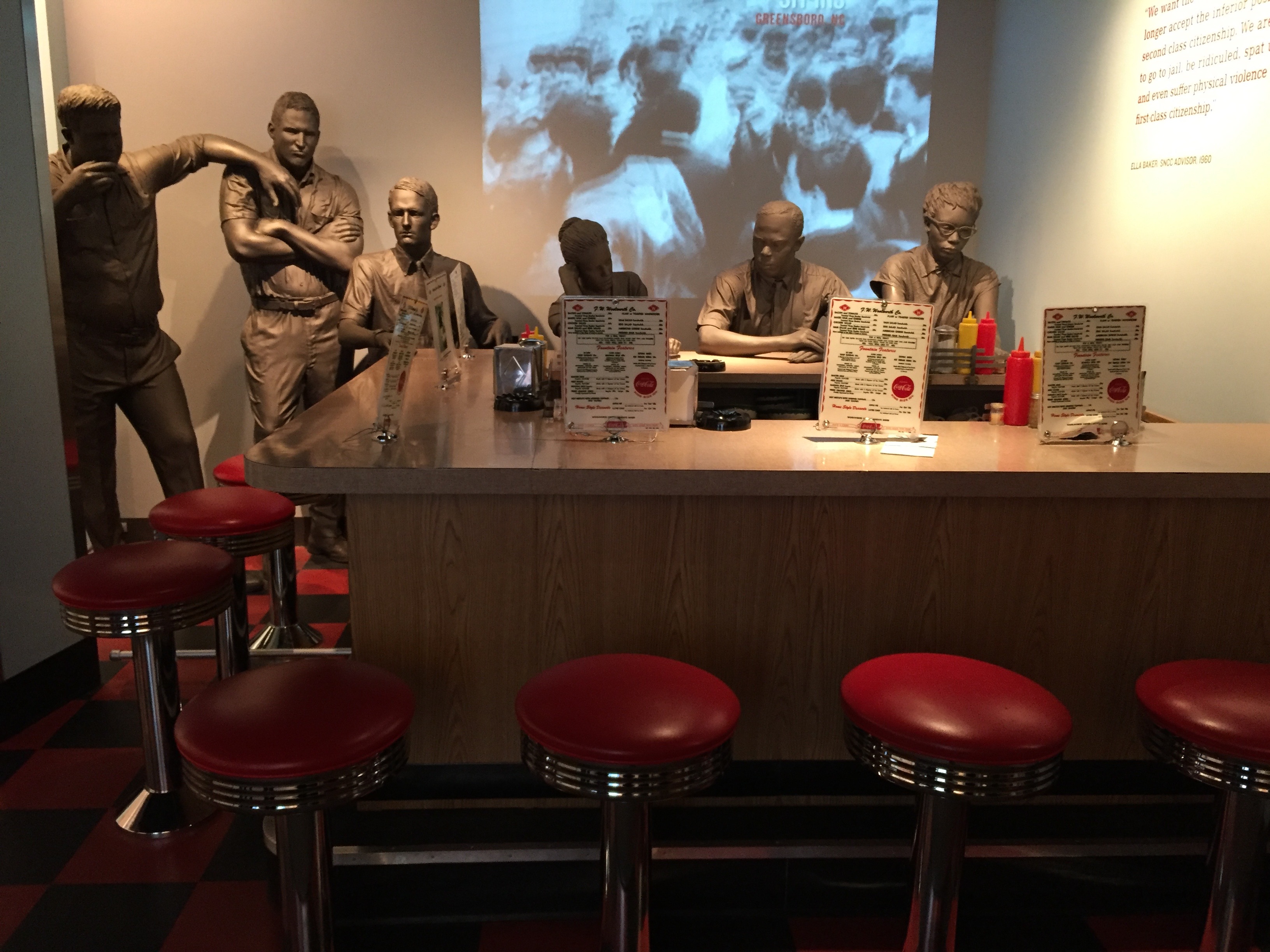
    Large amounts of text are almost always accompanied by films and photographs. There are objects on display, however, these begin to peter out as the museum progresses. In some sections there are large objects on display including a Freedom Rides bus and a reconstructed Woolworths counter from North Carolina. Alongside all of this there are many oral history interviews you can listen to relating to most of the events. The museum, therefore, provides a multitude of ways in which you can interact with the subject matter.

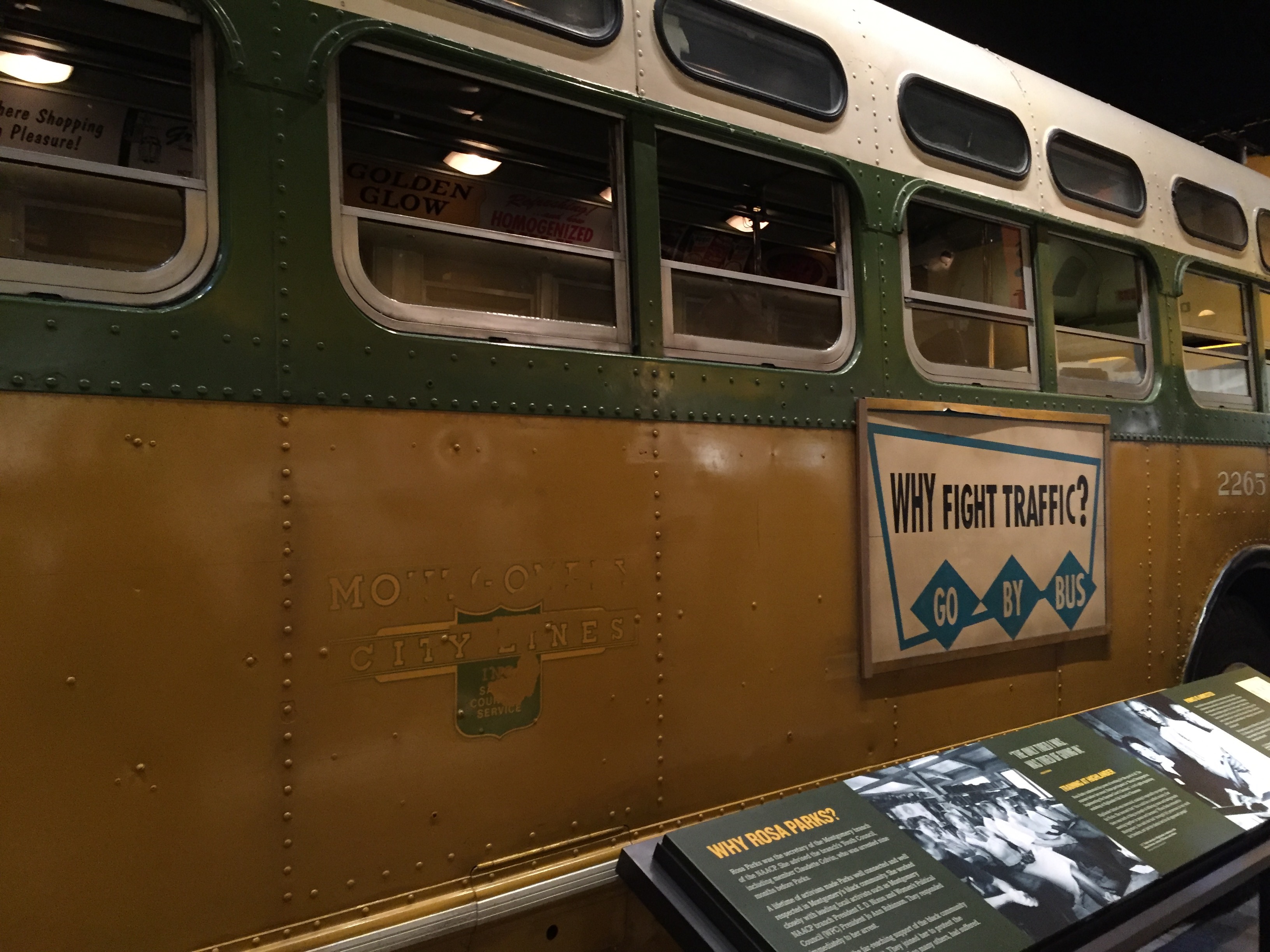
    For me, the most powerful section was on Rosa Parks and the rise of Dr King. A bus similar to the one that Parks refused to stand in is on display. The thematic panels dotted around the room explained the event in detail and explored the aftermath as well as the actual event itself. I similarly found myself reading every panel in the section on the Woolworths counter sit-ins.

    IMG_5376
    Example of Montgomery bus.

    Before exiting the museum you can walk through a memorial to Dr King. In the preserved Lorraine Hotel, you can see his hotel room, as it was, on the day of the assassination. There is a segment of museum across the road where the assassin was situated. This section focuses on what occurred after 1968 and the legacy of Dr King.

    Both sections are clearly emotional places. In terms of how the museum is pieced together, these exhibitions are extremely well curated.

    IMG_5382
    Woolworth’s counter sit-in bench from North Carolina
  • Graceland

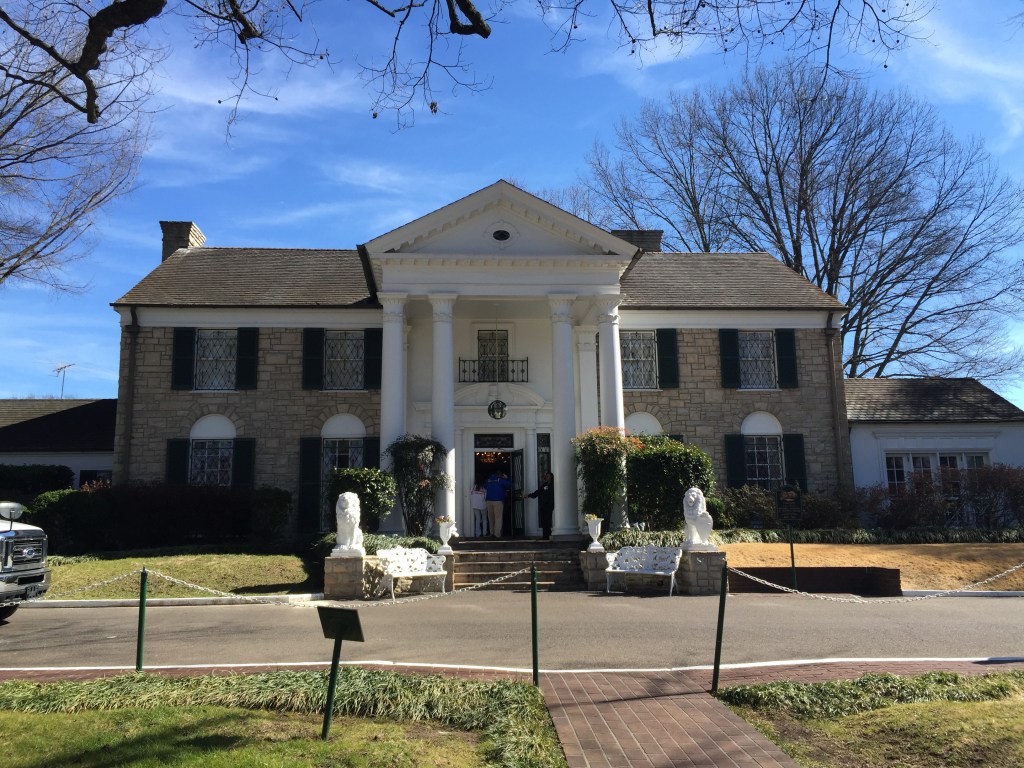
    I’ve decided to separate my posts on Memphis considering we visited two extremely different heritage sites/museums. Both, I believe, deserve their own focus. The first I want to review is Graceland – the former home of Elvis Presley. Just to be clear it is a massive tourist site drawing around 800 people a day in off season and up to 2 000 during peak season. You will find tacky shops and just about everything Elvis-themed under the sun. This, however, should not detract you from visiting. I wanted to see Graceland for two reasons. One, I’ve heard it’s a beautiful house and two, I spent a lot of Sunday afternoons sitting at home with nothing to watch on TV but old Elvis movies.

    At Graceland you have the opportunity to tour his house and the surrounding gardens, and see a little museum. The tour is very high tech with each visitor receiving an iPad to guide them around. I really enjoyed the tour. It was well paced and gave a nice overview of everything. I don’t like those audio guides that spend 10-15 minutes in front of each object/room. All it achieves, in my opinion, is congestion.

    IMG_5287
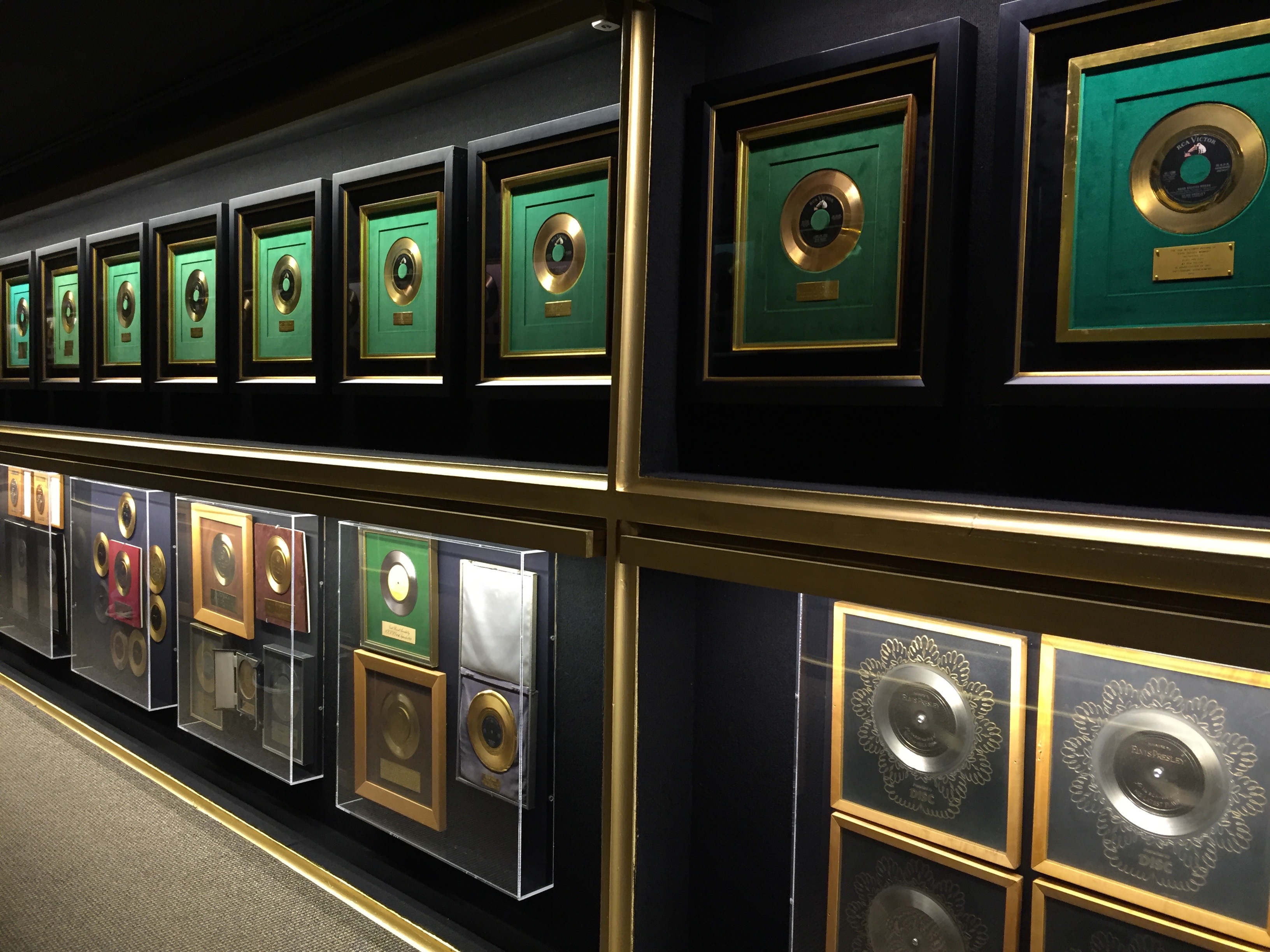
    Gold Records

    Graceland is also where Elvis is now buried and right at the end of the tour you can visit the meditation gardens and pay your respects. In total, the tour lasted around an hour. Ignoring the multitude of gift shops at the visitor center the house itself has been managed very well. It’s a tastefully done tour and a great site filled with music heritage.

    IMG_5252
    Living Room (first on tour)

    I’ll post in a couple of days or so on the National Civil Rights Museum also located in Memphis.

  • Civil War Heritage

    If you ever find yourself in Nashville I highly recommend the Civil War tour offered by Grayline. On this tour you have the opportunity to learn about the Battle of Franklin (known as the five bloodiest hours of the Civil War) at three different heritage sites: Carter House, Lotz House, and the Carnton Plantation. All sites are incredibly well preserved and offer a slightly different perspective on the life and times of those who resided in Franklin during this battle.

    My personal favourite was the Carter House. The visitor center museum is a great place to start your visit. You can learn a little about the Carter family and see some of their more fragile possessions. It’s pretty unbelievable to think that on November 30, 1864, 20 000 Union soldiers essentially showed up uninvited to settle in and around the house. They were met by Confederate soldiers. Between approximately 4 pm and 9 pm, a battle ensued resulting in over 10 000 casualties. During this time the family hid in the basement emerging at midnight to absolute carnage.

    IMG_5179
    Carter House

    The guided tour of the house lasts around an hour and thoroughly takes you through all the rooms explaining who occupied them and general background information. The most shocking part of the tour was being shown the bullet holes in the side of the house.

    Carter House
    Carter House

    Across the road is the Lotz House. It is almost the same as the Carter house in that the tour explained the background of the family who lived there and what happened to them during the battle. It’s interesting to hear how two families, across the road from each other, experienced the battle and the aftermath differently.

    The final stop, the Carnton Plantation owned by the McGavock family, was a Confederate hospital during and post-battle. The most eerie thing about this house was the operating table where many amputations were performed. Our tour guide was very respectful of the blood stains on the floor utilizing them to talk about the possible experiences of those who were cared for in the house. The plantation also contained a Confederate soldier cemetery, smokehouse, and an example of slave quarters specific to that plantation.

    IMG_5218
    Carnton Plantation

    Although these houses exist today and are, in my opinion, incredibly valuable assets in teaching Civil War history their value hasn’t always been appreciated. The first two, Carter and Lotz, came so close to being demolished to make way for various building projects. It’s great to see that this didn’t happen and that the houses have been preserved and maintained to educate visitors today.

    If you would like more information on any of the houses we visited the links are below!

    http://www.boft.org/carter-house.htm

    http://www.lotzhouse.com/

    http://www.boft.org/carnton.htm

  • Tennessee State Museum & The Parthenon

    I wanted to write a quick blog entry on the Tennessee State Museum and the Parthenon.

    Firstly, the Tennessee State Museum is located very close to the Tennessee State Capitol. It is an absolutely huge museum covering the entire history of Tennessee. And I mean the entire history from the prehistoric period to today. The museum starts with an overview of relevant Native American history. The other two floors are focused on the Antebellum and Civil War periods. We found it impossible to read every label and see every object. Basically the museum struck me as more of a place where you wander around and read what looks appealing.

    IMG_5131
    Tennessee State Museum

    It was a bit overwhelming so we enjoyed retreating to the temporary exhibition area. There was a fantastic exhibition on display by artist Jessica Ingram. It included a series of very harrowing photographs of locations in Mississippi and Tennessee where attacks on African Americans took place prior to the 1960s. Each photograph was accompanied by their story. It was a very powerful exhibition.
    Moving on to something completely different – the Parthenon. In the middle of Centennial Park is a life-sized replica of the Parthenon. It is one of the most bizarre things I have ever seen. It was left over from the 1897 Tennessee Centennial and International Exposition. Inside, is one of the worlds largest free-standing sculptures depicting Athena. The rest of the museum contained a limited number of objects but did give a general idea of the exposition. There were some medals and ribbons on display.

    IMG_5148
    The Parthenon

    This city continues to amaze me.

  • Andrew Jackson’s Hermitage

    President Andrew Jackson was the seventh President of the United States of America serving from 1829 to 1837. The Hermitage in Nashville was the living quarters of Jackson and his family. It was also a cotton and tobacco plantation. Today, the Hermitage is regarded by many as the best preserved early Presidential home. I have been eagerly awaiting the opportunity to visit this site.

    IMG_5066
    House Entrance

    The Hermitage is divided into a visitor center (museum), the actual Hermitage mansion, and the plantation grounds. As opposed to telling the story of President Jackson, it also endeavours to display and interpret the stories of the slaves who worked on the plantation. I’ll talk about this a bit later on.

    When you arrive at the Hermitage your first stop is the visitor center. In here you learn about the life and times of Andrew Jackson. My knowledge of early American Presidents is very limited so I was relieved to read a bit of context before seeing the mansion. I equally enjoyed how the museum employed visuals and interactive elements to reduce the amount of text on display. Take, for example, the Battle of New Orleans. Apart from a few objects scattered around the place and a couple of thematic text panels, in the middle of the exhibition was a large interactive computer. This explained the important elements of the battle and kept things interesting.

    For an introductory museum, a lot of information was covered in a small space. I left with a general gist of who Jackson was and why he was important. I feel as though I belonged in the target audience of the museum (limited knowledge). For those who are more familiar, the museum may be a little too basic. However, in saying that the objects are very much worth seeing.

    IMG_5103
    Medicine Chest belonging to Jackson.

    After the center we walked up to the mansion. When you reach the front door a staff member dressed in period clothing greets you and takes you on a 20-30 minute tour. It’s really a beautiful mansion containing original wallpaper and furniture. The staff we encountered were incredibly knowledgeable and this really added to the experience.

    When you exit the house the tour of the grounds begin. This is self-guided tour with an audio guide unit. Unfortunately it was raining too heavily for us to listen to the audio. We basically ran from location to location to avoid the cold. Although Jackson is obviously mentioned on the grounds tour, there is a shift in focus to the slaves and the plantation. There is a really nice walk you can do that starts at the back of the gardens and takes you on a short journey to see the slave quarters. It is great to see the Hermitage not shying away from this history but embracing and displaying it.

    IMG_5046
    For an idea of scale there are two log cabins in this photograph. One is right in the background.

    The grounds also include the graves of the Jackson family and the original Hermitage building. There were a lot of text panels scattered throughout and we tried to read them all! Many were on the archaeological excavations that have occurred at the site and the objects that have been uncovered. Many of these objects relate to the slaves including buttons, marbles, combs, and even small toys. They can be seen in the preserved log cabins.

    IMG_5093
    Contains the graves of Andrew and Rachael Jackson.

    Overall, the Hermitage is a great place to spend a day. There is so much to see and even more to learn!