• National Gallery of Victoria: 200 Years of Fashion

    After Degas, I walked across the Yarra River to Federation Square and the NGV Australia. This was the first time I had visited the second location of the NGV! Although I didn’t have time to walk around and see the permanent collection, I did see 200 Years of Australian Fashion.

    Unlike Degas, I had been looking forward to seeing this exhibition for weeks. I was especially intrigued as to how it would be displayed and what kind of stories it would tell. Of course, I was also looking forward to seeing the fashion!

    The first room of the exhibition contains a curtain with pictures projected onto it. At the end of the room is a small thematic panel basically outlining the exhibition rationale and what to expect. The rest of the exhibition is displayed chronologically, outlining important developments in Australian fashion. My favourite object was right at the beginning – one of the first dresses ever made in Australia. Considering how difficult textile conservation is, I was very excited to see it is estimated to be from 1805!

    image
    200 Years of Fashion

    The greatest achievement of the exhibition, in my opinion, was its layout. For example, after viewing the colonial dresses you move through a room with parasols covering the ceiling. Not only is it aesthetically beautiful, but, it also marks the beginning of the display on department store and mass produced fashion. Essentially, the parasol room provided a smooth segway between the two separate spaces.

    image
    200 Years of Fashion

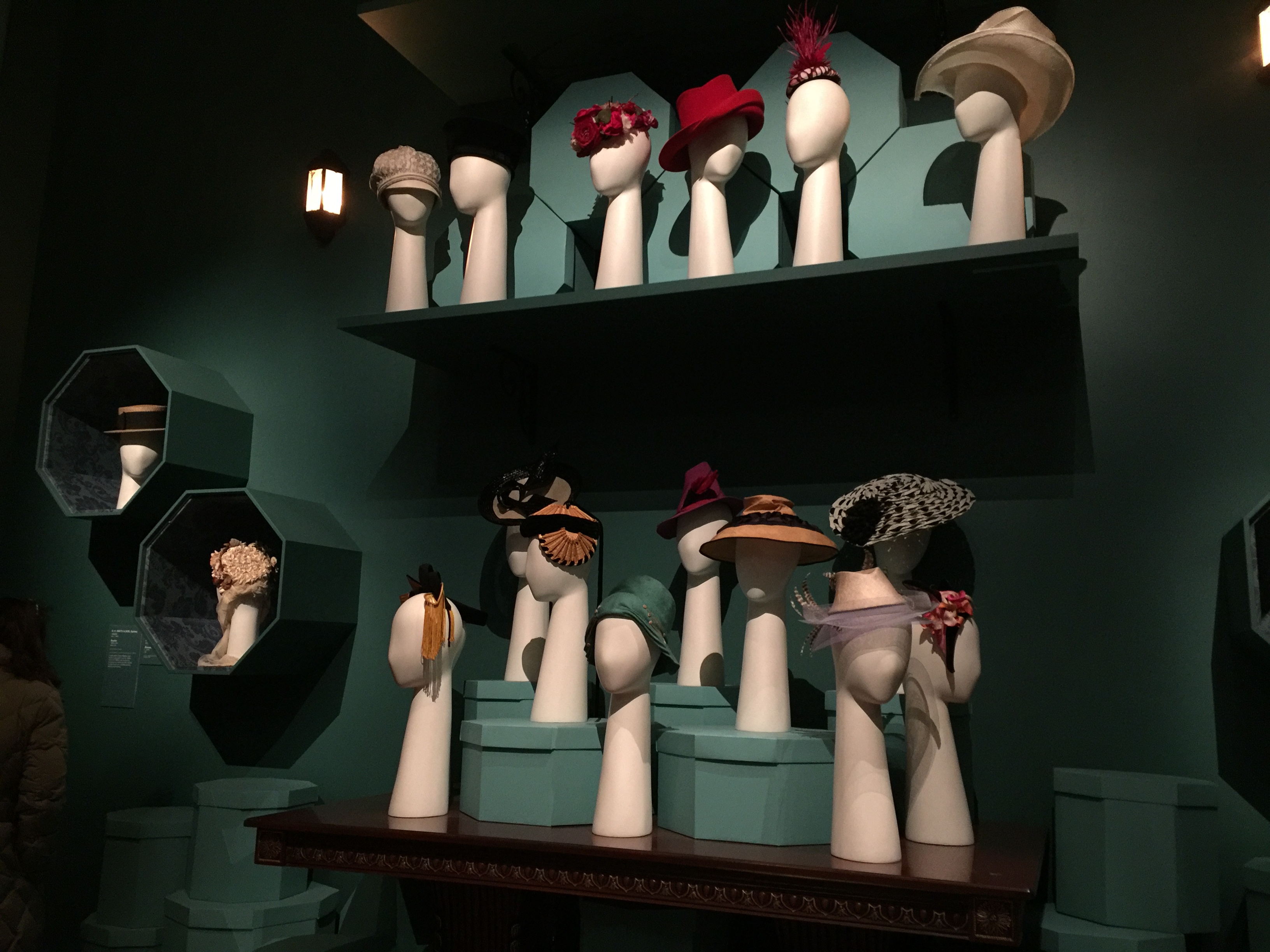
    In department store fashion was a wonderful hat display! I’ll put a picture below, but, to me, it looked like a contemporary take on an old department store setup.

    image
    200 Years of Fashion

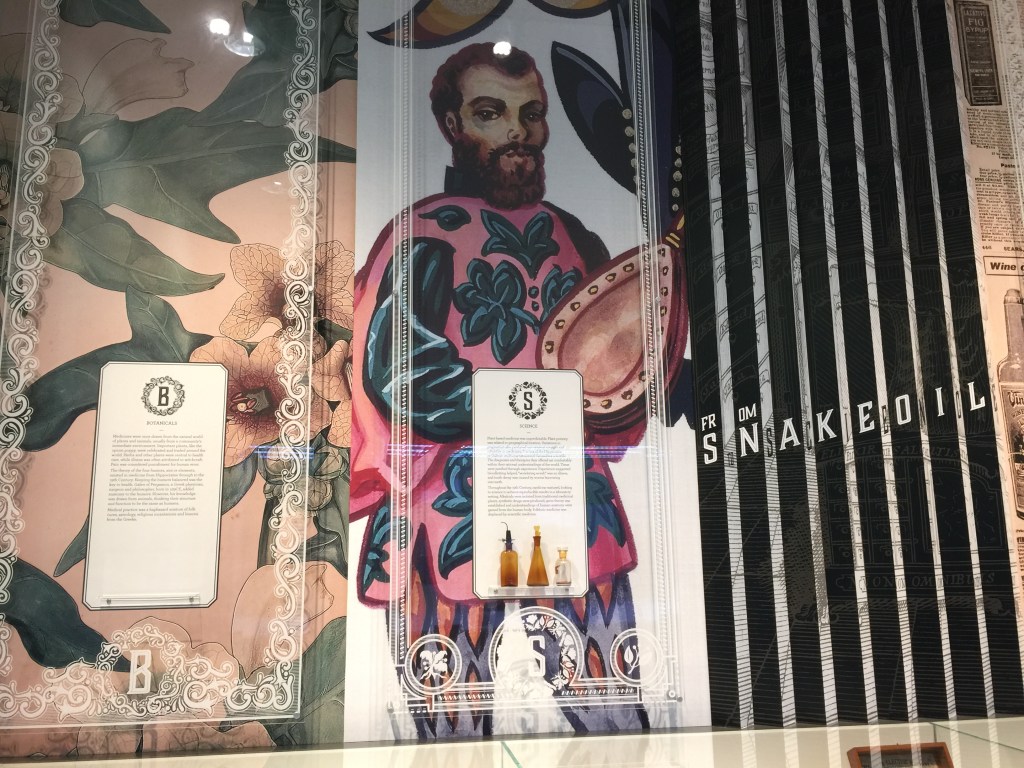
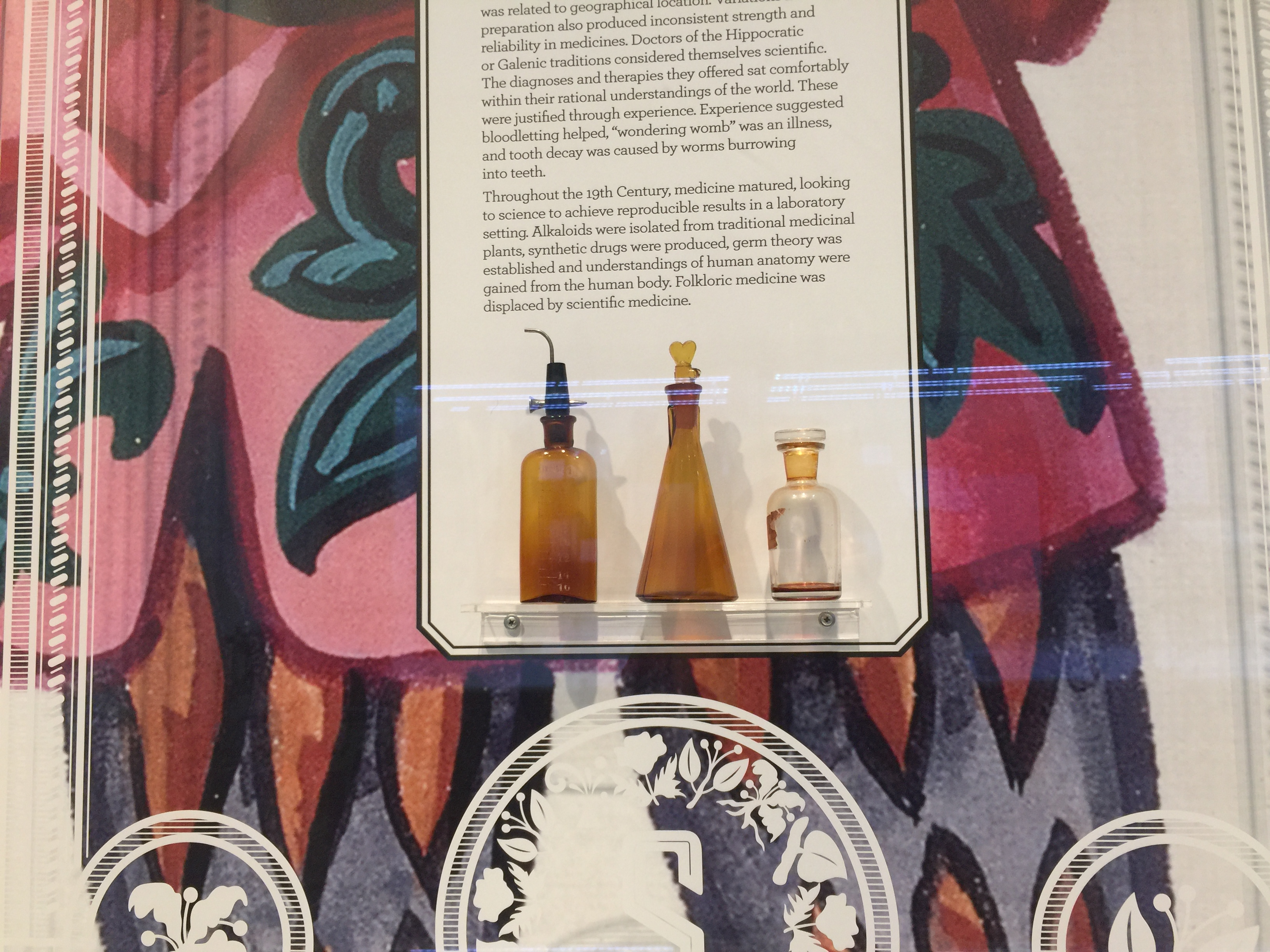
    Similar to Degas, the labels were, at times, quite difficult to read. White writing on a light grey background was particularly challenging to follow. At one point in the exhibition, the thematic panel was printed on a mirror. Whilst this looked amazing, it was almost impossible to read.

    image
    200 Years of Fashion

    Also similar to Degas, there were no interactive elements in the exhibition. I would have loved to have seen more information on the showcased fashion! I purchased the catalogue (couldn’t help myself) so I am looking forward to reading that on the flight home. At least it will provide a bit more context.

    Parts of the exhibition did have oral history recordings that could be listened to through headphones. I didn’t listen to any but lots of people were stopping for a minute or two. I am glad they went with headphones. It would have been very noisy otherwise!

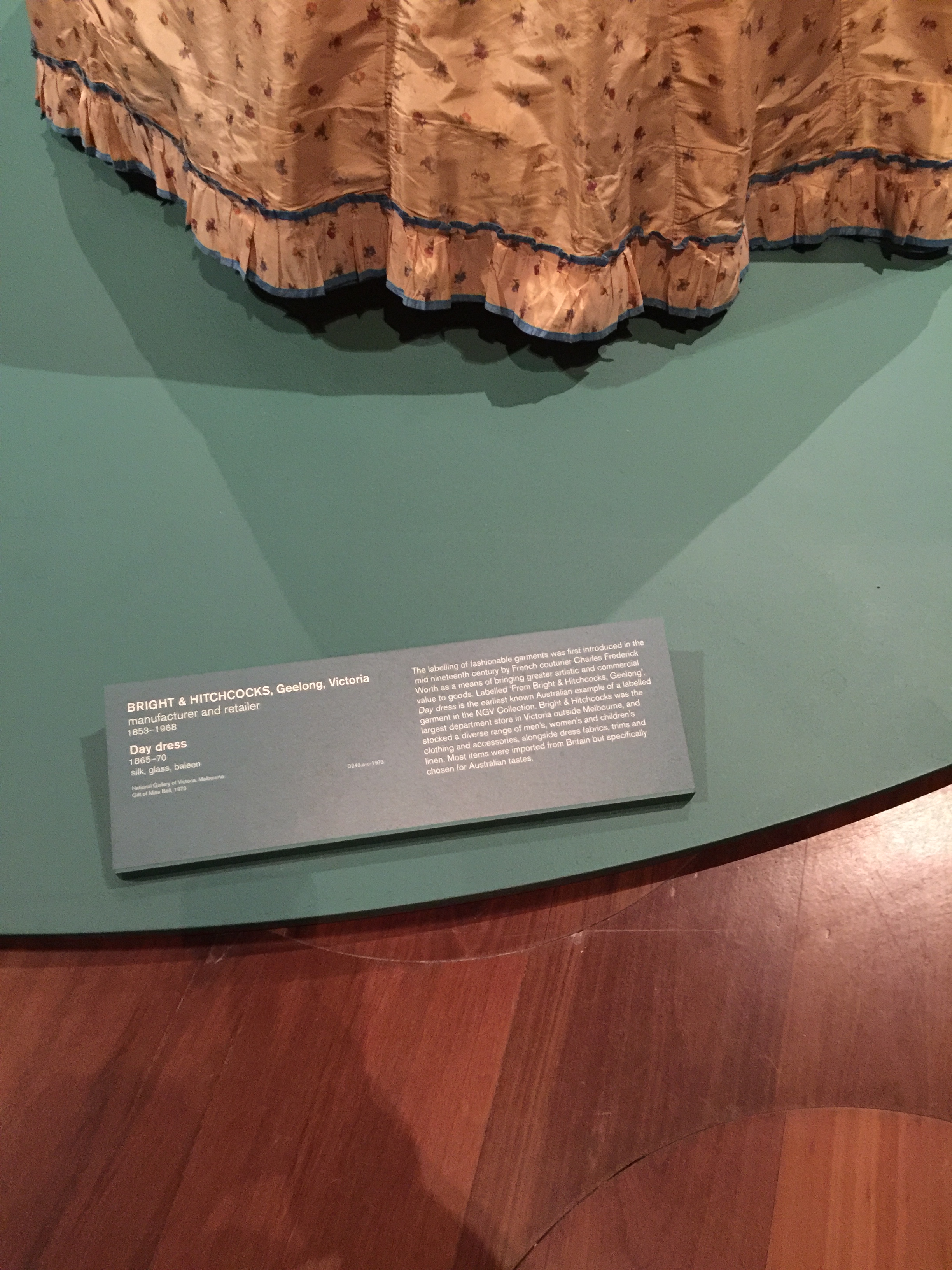
    To finish on a positive, the exhibition went above and beyond just displaying fashion. It made important links to economic, political, social, and cultural changes in Australian history. My favourite example was in the department store section. On one of the object labels was some information on the origins of having clothing labels attached to fashion pieces. In short, the labels added artistic and commercial value.

    If you’re thinking of seeing this exhibition it is definitely worth your time!

  • National Gallery of Victoria: Degas

    After quite an intense semester (to say the least) I was ready for a short vacation. The next three days in Melbourne will be packed with visiting exhibitions and seeing my supervisor again at Geoffrey Kaye! I am also excited to experience a few days of very cold weather and heated museums.

    The first exhibition I visited was completely unplanned. I love pre-booking tickets online because it usually means skipping queues! With Degas, however, I decided to go very last minute. I knew very little about the artist except that he painted some ballet scenes. Since I was in the area I thought I might as well have a walk through and see his other work. I also have a soft spot for the NGV. I have yet to see an exhibition there that has been disappointing.

    image
    Degas

    So, I walked in with no idea what to expect. The two things that really stayed with me after I walked out of the exhibition were how beautiful the art was and the exhibition narrative. Essentially it was a mix of chronology (from his first works to last) and themes (ballet scenes, brothel scenes, etc). Each section was separated by a different pastel colour so it was quite easy to navigate the space. On top of this, each section also offered visitors different paths to take. This meant I rarely found myself bumping into others. I should note it was incredibly busy.

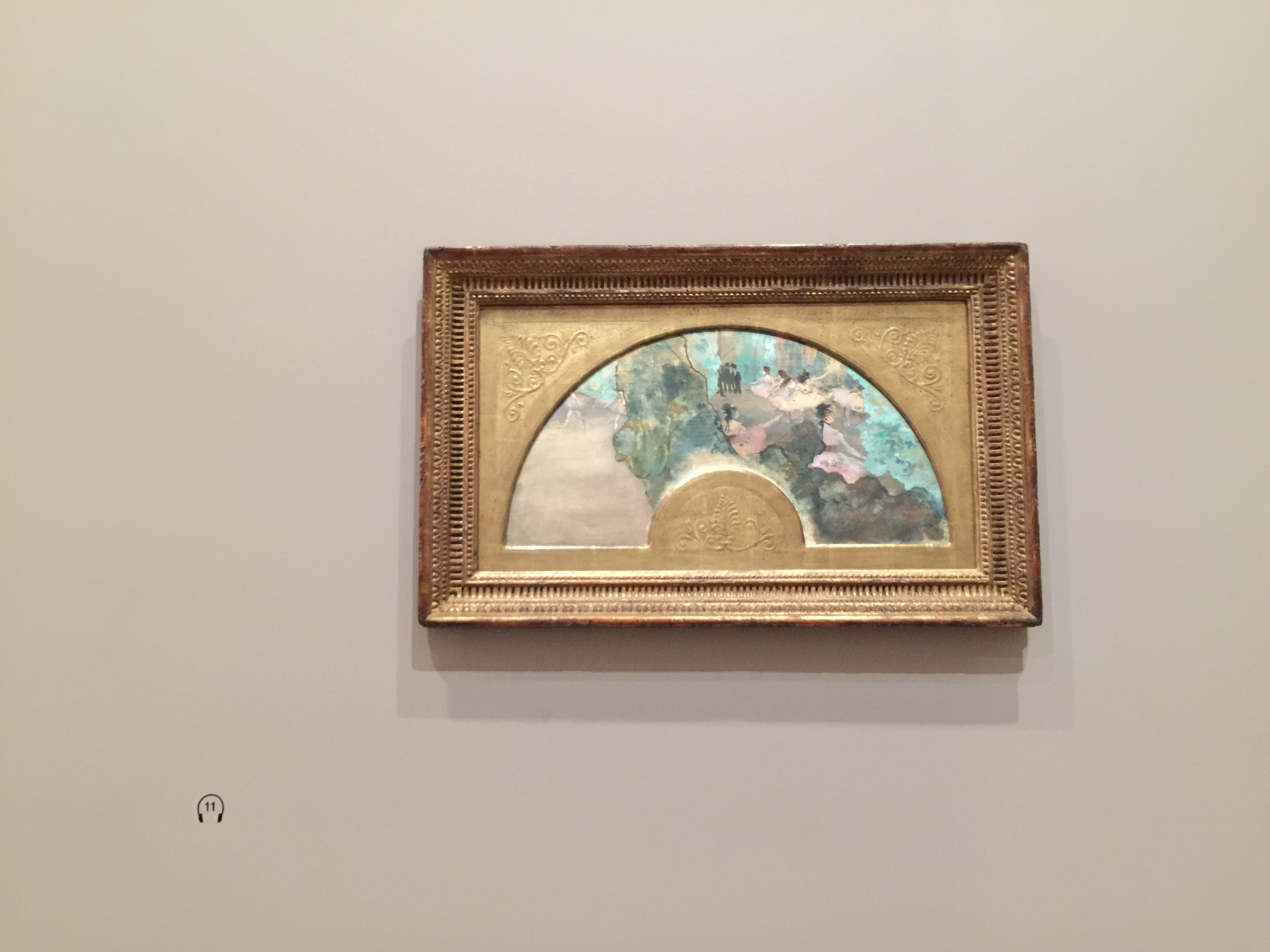
    image
    Ballet Fan Painting

    Crowds at the thematic panels, however, were a bit of an issue. I saw a few people taking photos of the signs and stepping away to read them without being crushed.

    The hanging artwork had no labels on the wall meaning it didn’t look too cluttered. Instead, the labels were located beneath each picture. I did strain my neck a bit to read them. Not to mention the kids labels were only marginally shorter!! In saying this, the content on the labels was well worth reading. It was in plain English and contained some very interesting information.

    image
    Labels

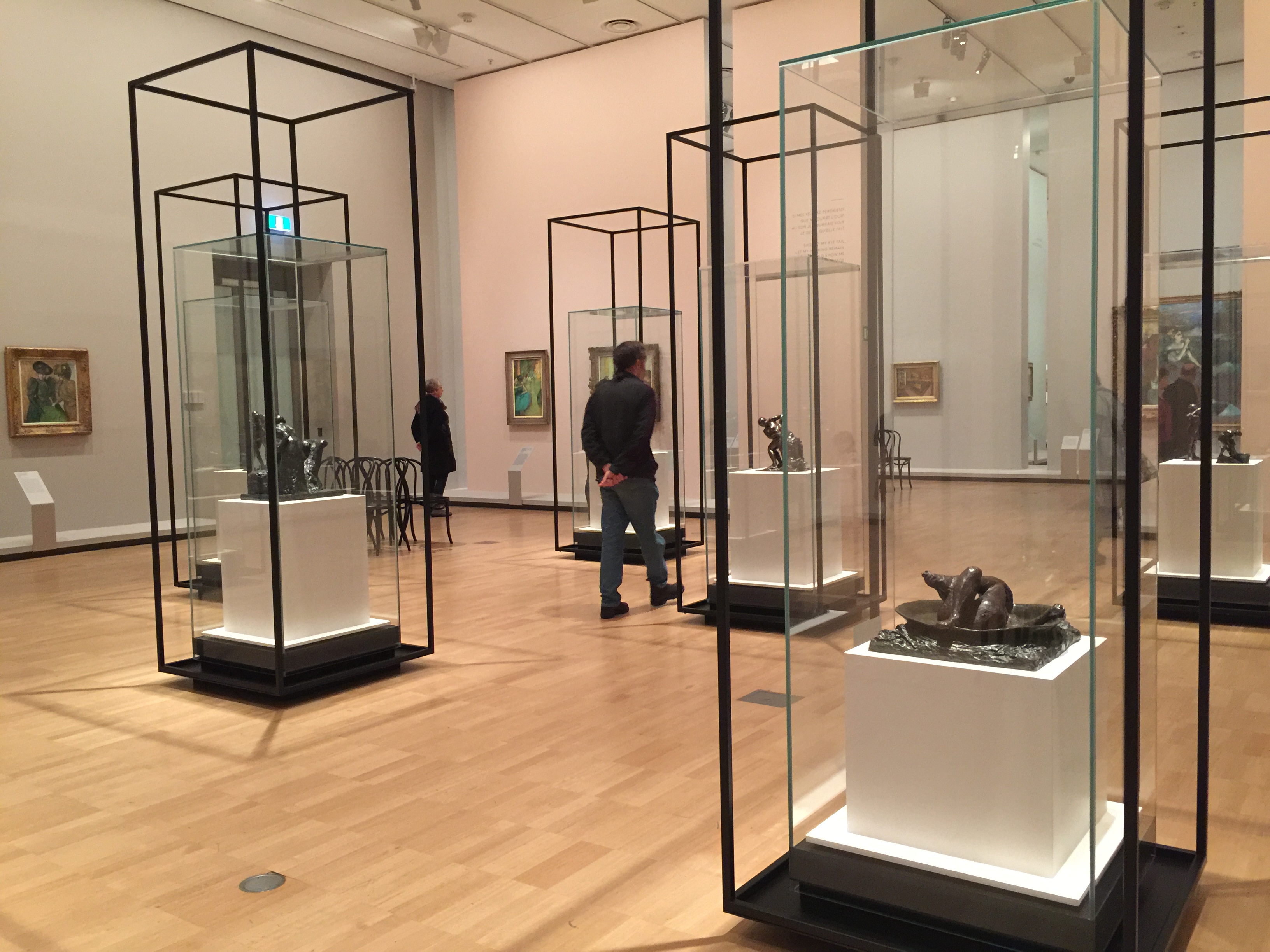
    The sculptures were beautifully organised. I quite liked the sculpture display cases. Especially in one room (pictured below) where there were a few.

    image
    Degas Layout

    I have to confess that I didn’t really read the thematic panels in too much depth. I felt as though if you were a massive fan they would be interesting but there was so much information. I just enjoyed walking around and reading the specific painting/sculpture/drawing/etc label if it caught my attention. This allowed me to see snapshots of information without feeling too overwhelmed. It was also fun to read the kids labels. Some of them made me look a little bit closer at the object.

    Overall, it was a traditional art gallery show. Don’t go expecting what was at Warhol and Wei Wei. Whilst I do love a good interactive show I can appreciate what this exhibition was trying to achieve. The space was relaxing and the art was well presented. It worked well as a place for people to go through quickly or for people to stop and see in depth.

    Stay tuned for my next post on 200 Years of Asutralian Fashion!!

  • Art Gallery of New South Wales: Tang

    Another day, another excursion. I think I have started a blog post like this before, but, it so perfectly summarizes how wonderfully excursion-filled this semester has been. Even coming down with quite a terrible flu did not ruin the day!

    I will begin by saying this was my first visit to the Art Gallery of New South Wales. I don’t usually visit art galleries – the only exception being the NGV. Even when travelling I tend to prefer history museums. Personally, this has a lot to do with accessibility. I find that art labels are often quite convoluted and unnecessarily complex. Having no background in art or artistic concepts means I can struggle with trying to figure out what exactly I’m seeing. The irony is, as with Biennale, as soon as someone explains a piece to me in more casual terms, I can end up really loving the art! Anyway that was a bit of a rant, but, it does link with what I’m going to say next.

    What made this visit enjoyable was the fact we had a guide, digital designer Andrew Yip, who showed us around the exhibition and explained the digital technology. The exhibition is split over two floors, the first floor focusing on life under the Tang dynasty and the second exploring concepts of religion and the underworld. Incorporated into this bottom level is a digital experience that Yip described as an immersive experience. Equipped with an iPad, visitors can explore one of the hundreds of Dunhuang caves in China.

    IMG_6174
    Holding the iPad

    It’s significant for two main reasons. Firstly Dunhuang was a thriving trade city at the end of the silk road. What is contained in these caves can shed much light on the trade of commodities and ideas. Secondly, the caves have been accessed by thousands of visitors and are in dire need of conservation. In my opinion, whilst we should never go with digitization as opposed to actual conservation efforts, it does provide the perfect way to record, keep, and share the wonder. It also means the caves can reach beyond their geographical location and actually influence individuals in other countries etc.

    The room in which the digital experience takes place just looks like three black-painted walls with randomly drawn white lines everywhere. If you look hard enough, you can notice the infrared cameras dotted above the wall. What transforms this room into the cave is the iPad that connects to a whole lot of computer and infrared technology. Wherever you point the iPad in the room you can see the cave. The paintings on the wall and the 3D sculptures come to life, sometimes literally, and transport you from the AGNSW to China. What I thought was most effective about this experience was the level of control. If you wanted to zoom, see something different etc you could. This was lacking from the VR experience we saw a couple of weeks ago. I was also less claustrophobic in this space and definitely felt I could spend as long as I wanted exploring at my own pace.

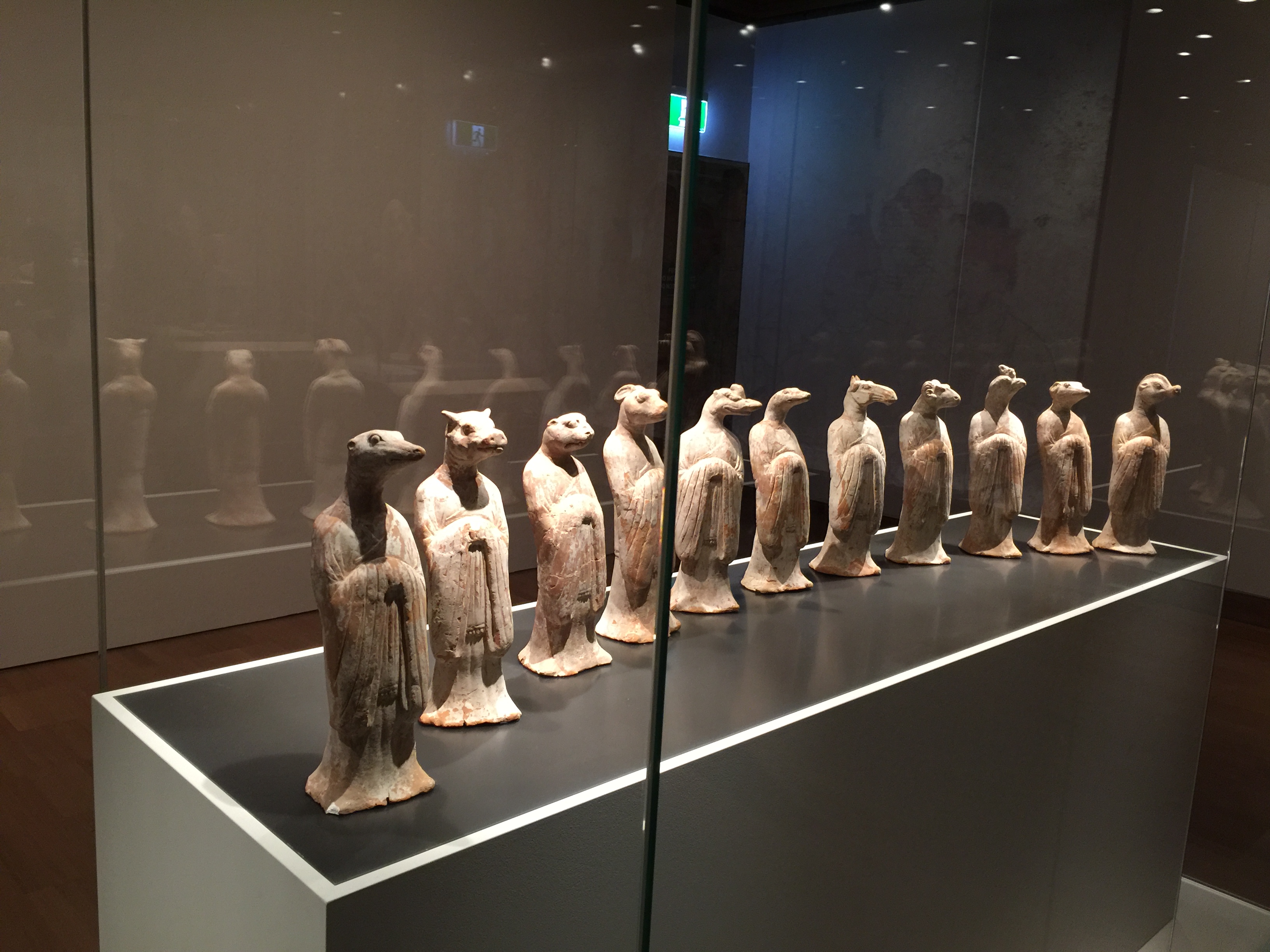
    This experience actually made me want to see the rest of the exhibition in more depth and learn more about this fascinating time period. Again, this is just personal opinion, but I felt as though the experience was integrated well into the overall exhibition and not just tacked on. The rest of the exhibition space had some wonderful objects included but I did not get a clear narrative or holistic idea. Yes, the objects were about religion and the underworld but there was no clear indication of how they all related. I had to keep in mind it was an art gallery and this is not necessarily the point.

    IMG_6187
    Figurines

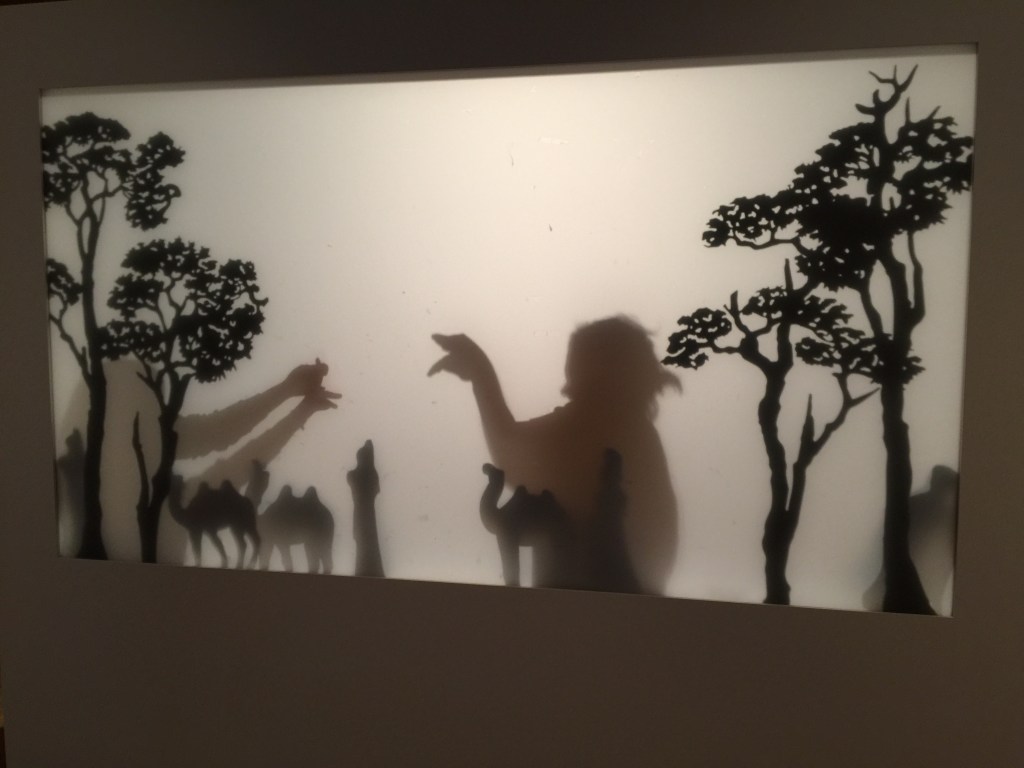
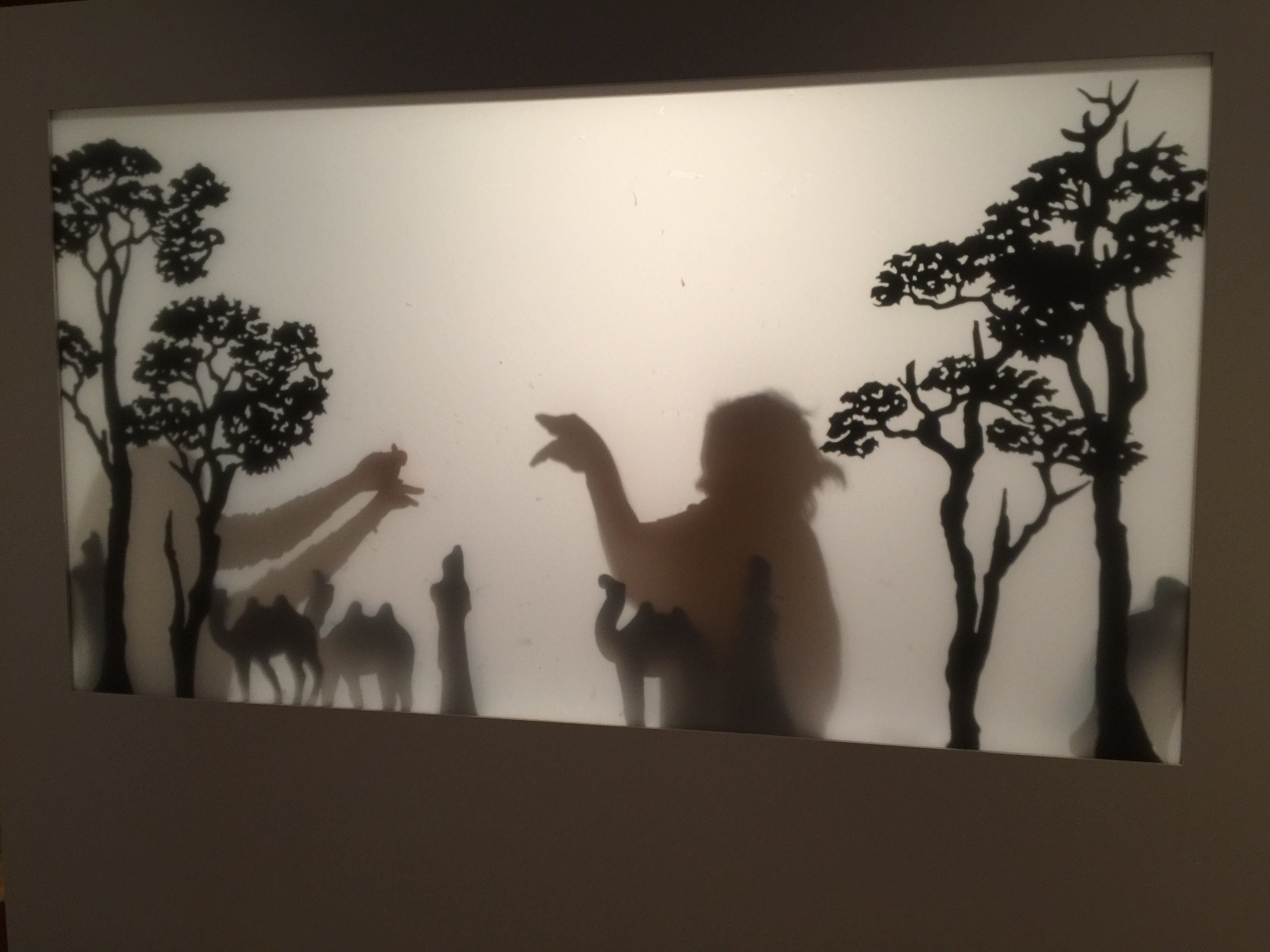
    Another shout out must go to the kid’s activities. The shadow puppet screen was amazing and creating silk road trade bags, heaps of fun.

    IMG_6192.JPG
    Shadow Play

    If I had to say one thing I’d like to have seen in the exhibition, I would say that what made my experience amazing was having Yip guide us around the cave. If the iPad had some audio accompanying what visitors were seeing, this could be really effective as a more in-depth learning tool. I am, however, just being very picky. This kind of technology is still in its infancy and it will be great to see how it evolves and transforms over time!

  • Hyde Park Barracks Museum

    ~ International Museum Day! ~

    It was wonderful to spend today with fellow museum-studiers at the Hyde Park Barracks! It was, above all, a very fun afternoon. We started the visit with a talk from a representative of Sydney Living Museums (SLM). Although we didn’t touch too much on how SLM engage audiences, we did learn about an interesting way to categorize visitors. The program SLM has found particularly effective is called Culture Segments and was developed by Morris, Hargreaves, and Mcintyre.

    I took the quiz just then to see what segment I fit into and got: stimulation.

    “Stimulation is the segment that is most attracted to unusual, spectacular and experiential cultural events. They like culture that introduces big ideas but they like to consume it socially with friends.”

    After reading through the other potential categories, I’m pretty sure that’s where I fit! Bring on the big ideas. To learn more see here: http://mhminsight.com/static/pdfs/culture-segments/en.pdf.

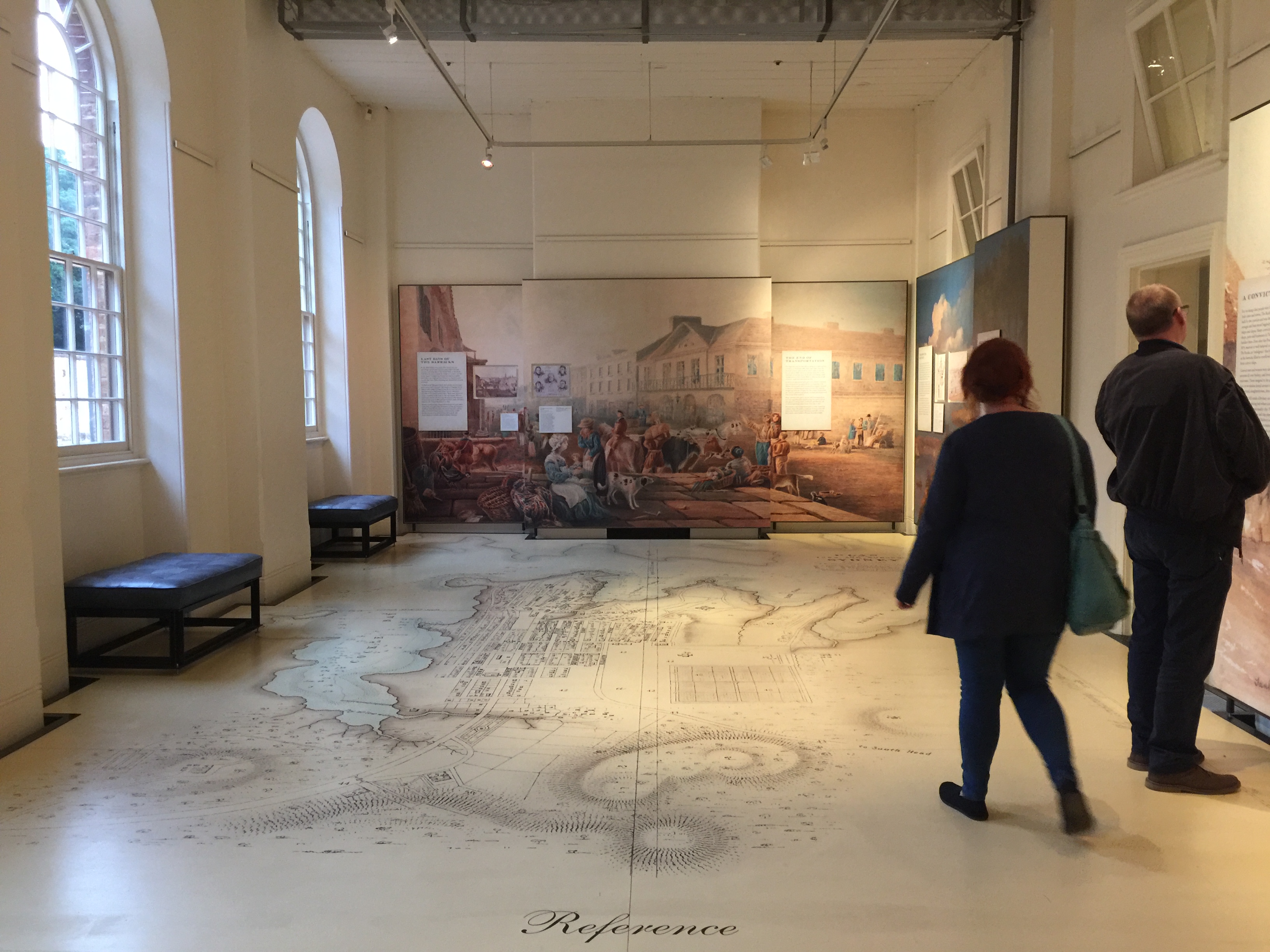
    After the chat we were let loose to run around the museum (not literally) and interact with whatever we could find! I have to admit that I’m an absolute tragic for dressing-up so I was excited to see a couple of dress-up boxes. The one thing that struck me most about Hyde Park Barracks was the numerous opportunities for interaction. A lot of the time this was digital interaction, however, there were objects such as shackles etc that you could touch and even try on.

    A real highlight of the museum was the convict hammocks. Schools around New South Wales can opt to have convict sleepovers where students stay in the Barracks overnight and “sleep” in the hammocks. Sleep is in inverted commas because I am pretty sure there wouldn’t be much of it. It is still a great idea as students can fully immerse themselves in the heritage and experience it in a way that’s not normally on offer. Who hasn’t dreamed of spending a night in the museum. I would love to see how students have reacted to the sleepovers and what they believe were the positives and negatives.

    IMG_6113.JPG
    Incorporating maps effectively.

    Another interesting section of the museum was the second floor archaeological exhibition. The display of archaeological material was, to me, very effective. The exhibition took the classic archaeological grid pattern and used this as its base for display. I can’t quite explain why, but, it was visually appealing.

    IMG_6119 2.JPG
    Archaeology Material

    I would have loved more time to fully explore the Barracks. I am going to definitely return in the holidays and take the audio guide tour. Especially considering my work at Cockatoo Island, it will be fascinating to hear how convicts are portrayed at this site.

  • Australian Museum: Virtual Reality Experience

    Today our museums and the digital subject introduced us to some interesting concepts. We started this morning with a wonderful lecture by Madeleine Borthwick, a designer who works for the company Kiss the Frog. They are a Netherlands-based company that has worked on some very interesting digital projects around the world. Check them out here.

    I am particularly in awe of the work they have done at the National Maritime Museum in Amsterdam. I first visited this museum in 2013 and again in 2015. I do remember the technology implemented in the spaces to be quite advanced and interactive. There was one particular section of the Golden Age exhibition where you could place objects on a table to activate particular stories. It worked really well until someone came along and placed an object down before the previous story had ended. Pretty sure the tourists who came to the table after me temporarily broke the system.

    After the lecture we headed to the Australian Museum to check out their new virtual reality (VR) show. It was great hearing from members of the digital team at the museum. What was very clear is that although digital endeavours can be problematic, they are worth pursuing. I think the marriage between museums and technology can yield some absolutely amazing results.

    Take Rijsstudio by the Rijksmsueum (https://www.rijksmuseum.nl/en). If you have no idea what this is or what it does I’ll completely oversimplify it by saying it offers a very unique opportunity to interact with the collection.

    Back to the Australian Museum. I won’t talk about the museum as a whole because we had just under an hour to walk around and see the exhibitions. I didn’t spend enough time in one place to gain a real sense of it. What I will discuss is the VR David Attenborough film on the Great Barrier Reef (GBR).

    I really had no idea what to expect with this film. You wear a pretty clunky goggle-like device and headphones. The movie itself was quite interesting focusing on the GBR  and the research that is occurring on Lizard Island. There were times when you could see the GBR wherever you turned. It was literally a 360 degree film which was absolutely immersive. The actual technology itself has a fair way to go but I think once it has been tweaked, it could lead to some amazing opportunities.

    A tiny section of the film showed a 360 degree view of space. I cannot wait until planetariums around the world can offer this kind of VR experience. Especially thinking of the films I saw at the Kennedy Space Center in Orlando. It is the kind of museum that would greatly benefit from this technology!

    I am definitely still getting used to this level of technology in a museum. I think as long as the digital enhances the tangible and offers another layer of interaction it will be successful. Nothing beats the real thing, but, I think people know this. I have never heard anyone say I would be happy for all museums to just be virtual and nothing more. That’s not going to happen. Instead, I think the digital will grow from what we already have and, hopefully, offer new and exciting experiences for visitors.

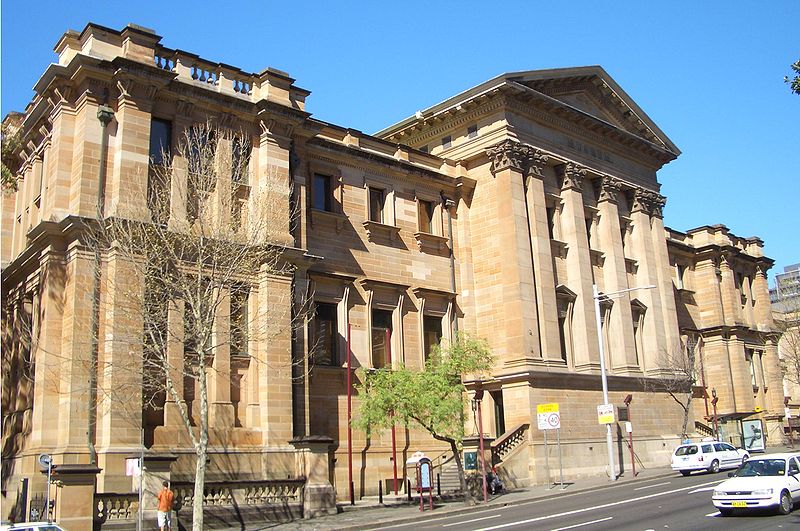
    Cover photograph: J Bar at the English language Wikipedia [CC BY-SA 3.0 (http://creativecommons.org/licenses/by-sa/3.0/)%5D

  • National Volunteer’s Week

    Despite the fact that this week is National Volunteer’s Week, I would like to think that museums (and other institutions) around the world support and appreciate their volunteers every week. I’m using this week as an opportunity to say thank you to all the wonderful supervisors I’ve had over the past six years. The opportunities and wisdom you have provided has been truly amazing.

    I started volunteering in 2010 at the MacArthur World War II Museum in Brisbane. I was procrastinating from studying and thought that maybe I should start volunteering somewhere. Mum and I had visited the MacArthur Museum some years earlier and I was so excited to see that they accepted volunteers. Little did I know this would be the start of a beautiful friendship between me and volunteering.

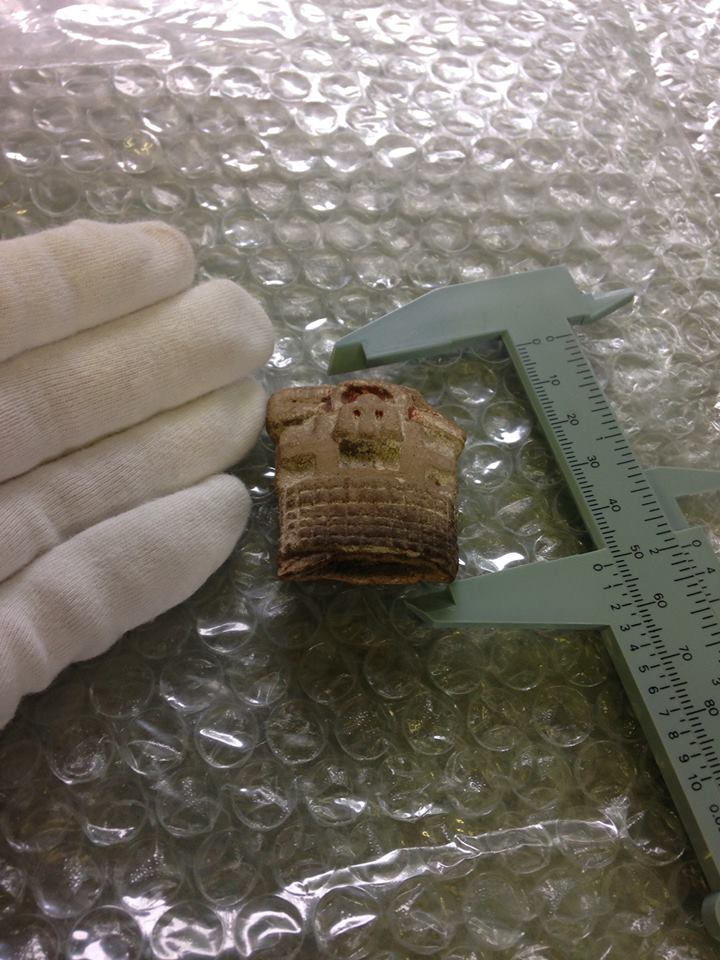
    Abbey Museum of Art and Archaeology
    One figurine from Teotihuacan Mexico – Abbey Museum of Art & Archaeology
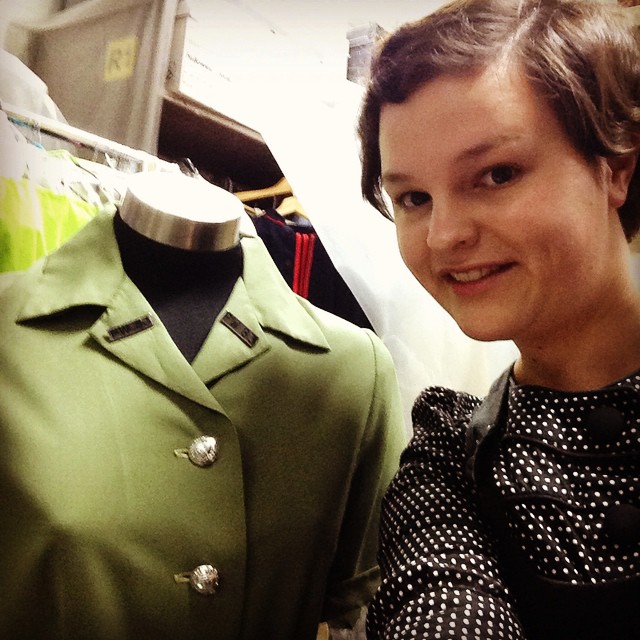
    Queensland Police Museum
    Selfie with a Queensland Police Uniform

    Since 2010 I have volunteered with a whole range of museums – from the Queensland Police Museum to the Geoffrey Kaye Museum of Anaesthetic History. During this time I have been involved in collection management, exhibition design, and almost everything in between. These opportunities have existed in some amazing networks that I’ve been able to tap into. For example, I worked very closely with the Australian Dress Register whilst volunteering at the Queensland Police Museum. Now, I am volunteering with the Register itself at the Powerhouse Museum in Sydney.

    Dr Mary Burnell’s graduation cap. Photograph by Rebecca Anne Lush, 25 November, 2015. .jpg
    Dr Mary Burnell’s Cap at the Geoffrey Kaye Museum of Anaesthetic History

    I’ve also been lucky enough to volunteer all over the east coast of Australia from Brisbane (my beautiful home) to Sydney (my new beautiful home) and Melbourne (maybe one day my home).  I have met some truly inspiring people in the field who have given me the opportunity to go above and beyond what I think I can do and learn new skills along the way. They have recognized my passion and have been nothing but supportive.

    Thank you so much to the following places (in chronological order of start year):

    MacArthur World War II Museum

    Queensland Parliament Library

    Queensland Police Museum

    Abbey Museum of Art & Archaeology

    Commissariat Store Museum

    Museum of Applied Arts & Sciences (Visitor Services & Australian Dress Register)

    Geoffrey Kaye Museum of Anaesthetic History

    Rd Milns Antiquities Museum

    Enjoy the rest of National Volunteer’s Week!

  • Susannah Place Museum & The Rocks

    I love getting out of the classroom and experiencing the heritage and museums that Sydney has to offer! For our ‘engaging audiences’ class today we spent an hour at the Big Dig archaeology site and at Susannah Place Museum. For those, like me, still working out the geography of Sydney, both sites are located in The Rocks precinct. What struck me at both places was just how much The Rocks has transformed over time and what stories have been captured by the area’s heritage.

    Our group started at the Big Dig. To be completely honest I had no idea this place existed. It’s called the Big Dig because a big dig happened here in 1994. So the name makes sense. Around 400 volunteers and 20 archaeologists excavated the area finding over 750, 000 artefacts. According to their website, these objects have “provided a rare insight into early urban life in Sydney”. So it’s basically a large excavation site that comes equipped with an education centre. It offers a large range of education programs catering to children as young as 5/6. It provides a great opportunity for students to see firsthand what archaeologists do, how they question the past, and how they interrogate the evidence. Most of the programs go one step further and allow students to become archaeologists and perform their own excavations.

    After a little chat, we were taken out to examine the site and saw firsthand the foundations of the early housing. We had a quick course in how to read the site, what evidence to look for etc, and heard some great stories about The Rocks former inhabitants. It was fascinating to see how the stories were drawn from the archaeology. We then had the opportunity to handle some excavated objects.

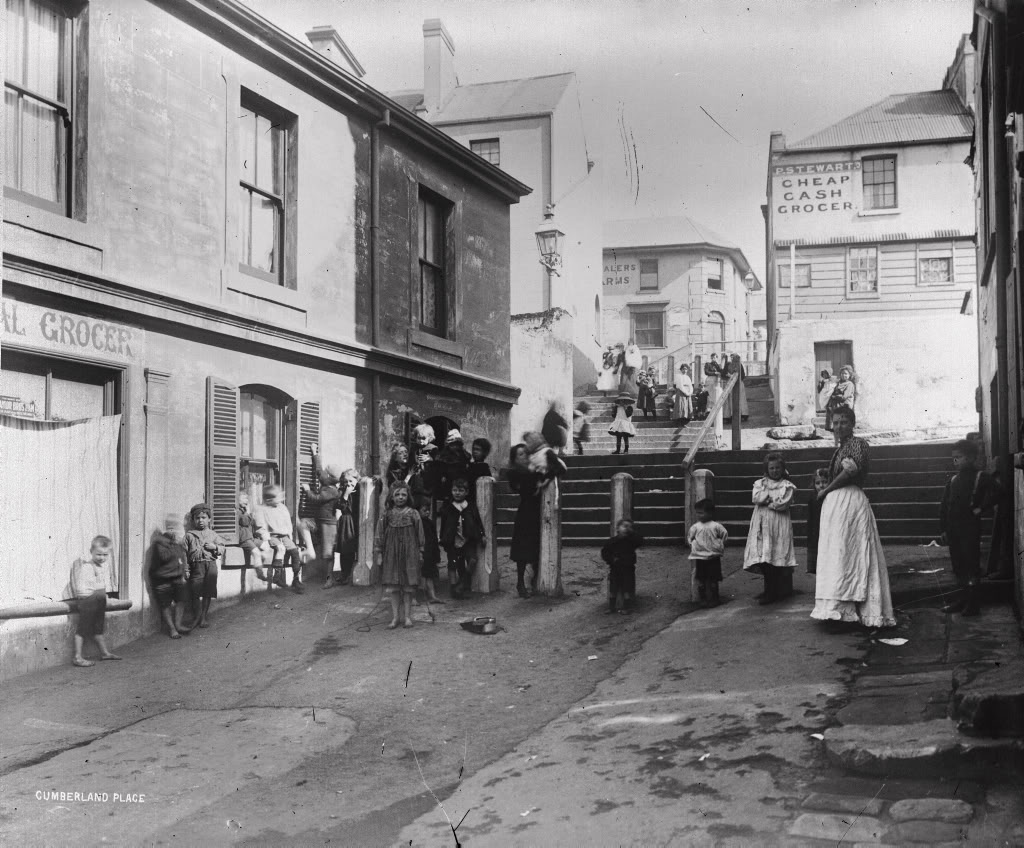
    After the Big Dig we walked across the road to Susannah Place. This museum, owned by Sydney Living Museum, consists of four preserved houses that have been conserved to showcase working class life. They are actually pretty incredible having housed families from 1840 until as late as 1990. Some of them have rooms decorated to reflect a particular period. For example, we saw an 1840s parlour and a 1940s bedroom. In the words of the curator who guided us around, the houses are meant to feed into the larger history of the area.

    2801918748_49e8df122f_o
    Historic Image

    What was fantastic to hear at Susannah Place was how oral histories have been integrated into the tour. Because they were occupied until 1990 quite a few residents are still alive and willing to share their stories. I think this added just that little bit extra to the experience. This mix of tangible and intangible is what made both experiences today memorable (I know I say that a lot). Susannah Place had a slight edge in this regard because the stories had come from the women and men themselves and their memories will hopefully be preserved.

    susannah-place.jpg
    Museum Today

    I found Susannah Place quite a powerful site. I can’t quite describe it, but the houses most definitely had a lot of character and you could imagine families actually being there and using the space. This kind of social history being preserved and presented is something that I am so grateful to see and have experienced today.

  • National Museum of Australia

    I find it quite difficult to talk about a museum that is meant to represent my identity and nationality. I’m writing this blog sitting in the museum itself – mainly because I’m tired of navigating. I am going to start by talking about what I enjoyed at this museum.

    The Eternity gallery was my favourite by far. In here fifty stories about Australian personalities are told through the means of digital technology. The stories are divided into themes such as chance, hope, and joy. Accompanying each theme is a touch screen where you can learn more about the individuals on display and see a short oral history video. It was quite a dark space meaning I couldn’t read all the object labels. Having the technology meant I could at least interact with what was on display to an extent. Personalities included Harold Holt, The Wiggles, and Benita Collings. It was a compact space with everything on display in two large glass cabinets.

    IMG_1479.jpg
    The Wiggles

    In terms of the other exhibitions, both my friend and I found it quite difficult to navigate the space often finding ourselves lost and confused. This was especially the case when we exited the ground floor of the First Australians Gallery and could not find any signage to re-enter the museum to the Landmarks gallery. The map is a little open to interpretation. Fortunately there were many Visitor Service Officers around who were very helpful. We were not the only ones who were lost. Often we found individuals with their maps open and confused looks on their faces.

    The other exhibitions also utilized a very eclectic colour scheme that often detracted from the thematic panels and object cases. For example, in the First Australians Gallery bright orange is mixed with bright red, purple, black, and olive green. The colour and the architecture combined were quite busy and distracting.

    We did enjoy reading and seeing the diversity of stories that the museum tells. From Greek Milk Bars to Chris the sheep’s mass of fleece, there is no stone left unturned by the exhibition spaces. There definitely isn’t an overriding Australian narrative which I think is a good direction to take. Rather than one story, the museum tells many that all contribute to this elusive idea of Australian nationalism. A bit more chronology in some of the spaces, however, would have been beneficial.

    IMG_1481.jpg
    Loved this effect!

    Overall, the National Museum was interesting from the perspective that you can learn about many facets of Australian life and how other people interpret what being Australian means. These stories are told thanks to a rich variety of objects in the collection. I think the museum is definitely suited to tourists who are looking for a snapshot of Australia. I think it’s important to visit this museum with the understanding that Australia is a multicultural and multi-dimensional society that, in my opinion, does not lend itself to one overarching story.

    IMG_1480.jpg
    Not sure why a modern hat and water bottle were in the Burke and Wills case
  • Australian War Memorial: New First World War Gallery

    The first stop on our weekend away in Canberra was the Australian War Memorial. The last time I was there was 2013, just before the new First World War gallery opened. I had very high expectations for the space. I was especially hoping for the objects to show more of the social history of war. There are, of course, so many amazing stories that deserve to be told and providing an insight into some of them was what I really wanted this exhibition to achieve.

    Walking into the memorial is quite an emotive experience. The Pool of Reflection was surrounded by wreaths from the ANZAC (Australian and New Zealand Army Corps) Day commemorations last Monday, which most definitely added to the atmosphere. Right at the end of the Pool is the Hall of Memory and the Tomb of the Unknown Soldier. Such a stunning building I would highly recommend stepping inside to see the murals and the tomb. Whilst your outside, also take some time to see the poppies on the Roll of Honour.

    IMG_1416.jpg
    Australian War Memorial

    Then you will be ready to enter the memorial museum. The first space you encounter is an orientation gallery that has an information desk, a place to pick up an audio guide (just for the First World Gallery), and some maps. We opted not to do the audio tour purely because we wanted to discuss the exhibition whilst walking through without an audio guide distracting us.

    The first objects you encounter include a huge glass case filled with curiosities and an original ANZAC landing boat. This introduction made a pretty huge impact on me. Considering it was only last year I discovered two of my ancestors were at the landing at Gallipoli seeing one of the landing boats was quite an experience. The halls and exhibition spaces that followed were well designed and contained an array of learning opportunities that suited a variety of learning styles. The use of digital technology especially enhanced the exhibition space and the information it contained. Exhibition cases were combined with dioramas and separate large objects. I think what the dioramas achieved was to show the landscape of some of the battlegrounds. It was a quick reference to the conditions faced and I thought they added quite a lot to the space.

    IMG_1422.jpg
    Australian War Memorial

    I have a couple of specific highlights that I want to mention. The first was the combination of photographs and digital technology. Rather than having exhibition labels next to photographs clogging up the space, the photographs had been arranged in a family album style layout with an iPad in the middle. If you wanted to learn more about a specific picture you could read about it on the iPad. This is generally how the digital technology worked. It was never superfluous. In my opinion, that was the main achievement of the exhibition.

    IMG_1424.jpg
    Australian War Memorial

    Another highlight for me was that social history was most definitely included. The words of those who fought in the First World War were on display alongside more general uniforms and weapons. These were the objects that attracted me the most and even included a ration biscuit that had written on it ‘What  Soldiers Live On From Rabaul’.

    IMG_1423
    Australian War Memorial

    Finally, I cannot write about this exhibition without a quick reference to some of the medical equipment on display. Having learnt so much from the Geoffrey Kaye Museum about medical developments during the First World War it was fascinating to see some more kits and equipment that developed out of necessity.

    IMG_1432
    Australian War Memorial

    Overall, the exhibition was a stand out for me. If I had to say something critical, it was a very large exhibition and there was a whole lot to read. In saying this the space was divided into the battles of the war meaning if you had a particular interest in one you could focus on that. For those of you like me who wanted more of an overview the white thematic panels provided this and allowed you to gain a sense of the exhibition space and locate your own interesting objects.

    We were exhausted after this exhibition and only had the energy to quickly walk through the other areas. I stopped for a quick photograph of the Shellal Mosaic and we managed to catch an ANZAC Hall plane light show.

    The exhibition did not shy away from the reality of war. In particular, a room at the end talked about shell shock and the rehabilitation some soldiers experienced. I don’t know how others may feel in the exhibition space but I think the exhibition did not glorify the war etc etc but rather confronted some pretty hard topics in a way that was respectful and insightful.

  • Biennale: Camperdown Cemetery

    I wanted to briefly share the Biennale artwork on display at the Camperdown Cemetery. I had never heard of this cemetery before today so I was extremely surprised to see its historical significance. Founded in 1848 and closing in 1942, the cemetery was the main general cemetery of Sydney. It is estimated that around 18 000 people have been buried within its walls.

    The Biennale artwork on show is by artist Bo Christian Larsson titled Fade Away, Fade Away, Fade Away. The headstones throughout the cemetery are being covered, one-by-one, in custom-made white sheet pockets. The purpose behind this installation is to cover the social status etc of those buried and for everyone to appear as equal.

    13095774_10156814192730261_6523961709175507545_n
    Camperdown Cemetery

    Whilst I think this is an interesting installation I am glad that the headstones won’t be covered for long. I cannot wait to go back and explore the cemetery more. Headstones can reveal so much about the past. In a non-creepy way old cemeteries are actually amazing to visit if you ever have the time. Even the location of where someone is buried can say so much about their life and how they were regarded etc.

    I started another blog quite a while ago and quickly grew bored with it. One post, however, was on this beautiful headstone found in the Old Burying Point in Salem, Massachusetts. Two children’s epigraphs are visible showing their dates of death as 1681 and 1682. The love that has gone into this headstone is why I find it particularly interesting and emotional.

    Children.JPG
    Salem Cemetery

    I have lost track of how many hours I spent in this cemetery walking around and reading the headstones.

    Anyway, I thought it was an interesting location for an art installation. Definitely one to see if you’ve ever wondered how the living and the dead can interact through contemporary art.