Before driving from Hobart to Launceston, we booked the rental car for an extra day so we could visit Port Arthur. I am fascinated by convict history so somewhere like Port Arthur will always be high on my ‘must-visit’ list. I am so glad we dedicated an entire day to exploring the site and I’m sure we could have filled a second day if needed. Entry tickets cover two days for this very reason. It is a huge site to explore with a free harbour cruise included and multiple tour options. If that’s not enough, a select number of buildings have short talks throughout the day. There is so much to do and so much to write about. I’ll start with a brief history of the site followed by some highlights and what could be altered for a better experience.

Port Arthur’s History
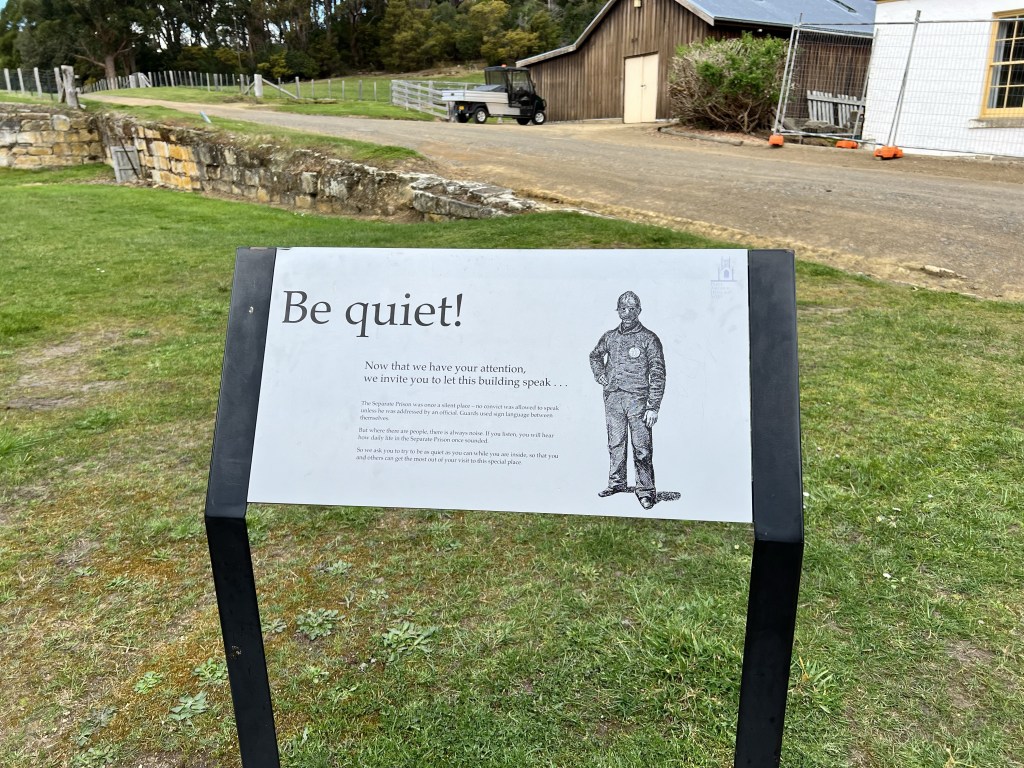
The following information has been sourced from the Port Arthur website. Here, the history section begins with the creation of a timber station to house convicts in 1830. Throughout the 1830s and 1840s, the settlement focused on more industrial pursuits and equipping convicts with useful ‘real-world’ skills such as carpentry and metalwork. The population of Port Arthur grew in the 1840s to around 1100 convicts. They built a flour mill/granary and a hospital to accommodate the growing population. At the end of the 1840s, they also built the Separate Prison, which was used for mental subjugation and punishment.
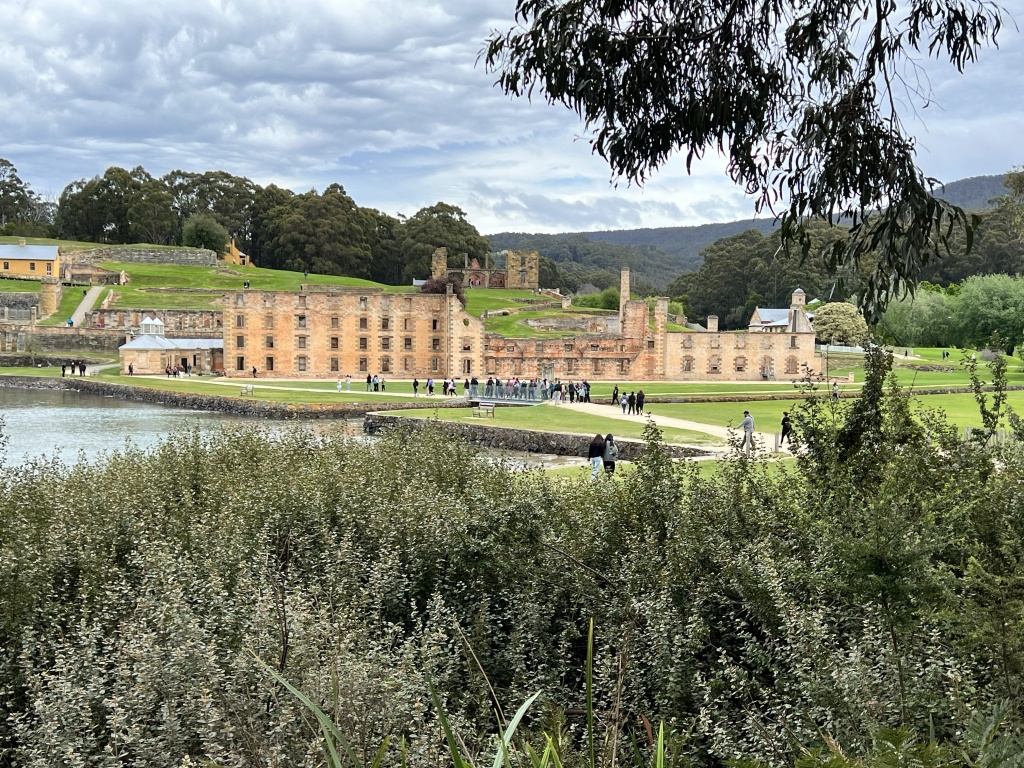
Transportation of convicts to Port Arthur stopped in 1853 and the final convict left the island in 1877. After its convict period, Port Arthur became the town of Carnarvon. Residents moved into some of the original houses maintaining them for years to come. The name, Port Arthur, was reinstated in 1927 and tours of the site commenced shortly after. The Port Arthur Historic Site Management Authority took over in 1987 increasing the interpretation and focusing on the preservation of the site. It is still run by the Authority today.
In 2010, it was declared a UNESCO World Heritage Site, inscribed as an exceptional example of how the 19th-century British penal system was adjusted to Australian conditions. In particular, how punishment and reform worked together. Its entry also mentions its role in tourism, its local significance as the town of Carnarvon, and how an absolute tragedy that occurred at the site in 1996 led to changes in Australia’s gun laws. The following have been included in its inscription:
- Scientific Value: the site has great research potential and has developed Australian archaeological methods and theory.
- Aesthetic Value: Port Arthur is a prominent visual landmark and a large, well-maintained site.
- Technical Value: The site speaks to adapting industrial practices to local materials and conditions.
- Social Value: Supports and fosters a community to tell important social stories.
- Special Association Value: Included due to its association with notable reformers, administrators, convicts, artists, and writers.
- Indigenous Value: This is the first time I saw the site’s Indigenous history mentioned. It’s World Heritage listing includes that the site was and is significant to the Indigenous population.
- Rarity: Port Arthur is one of a handful of examples of a penal settlement used for recidivists.
- Representativeness: The site has a wide range of buildings, construction techniques, materials, and designs all representing the era and the type of convict settlement.
This is only a very brief introduction to the history of Port Arthur. If you are interested, there is so much out there to delve into. I suggest starting with the official Port Arthur website and going from there.
Highlights of Port Arthur
There were quite a few highlights I want to mention and one thing you can skip if you don’t have the time. It is a huge site with so many buildings to explore. I’ll include a picture of the map below so you can see just how many heritage places there are and gauge how long it might take to visit them all.

Highlight 1: Isle of the Dead
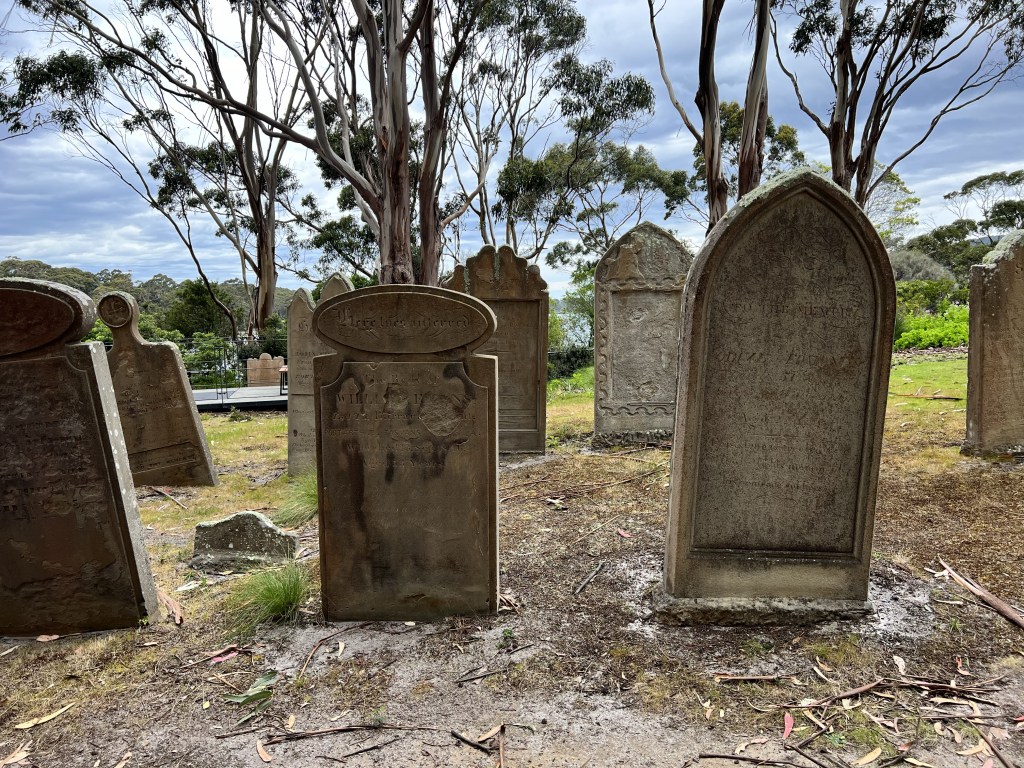
I strongly encourage any visitor to Port Arthur to add an Isle of the Dead ticket to their order. You depart on the harbour cruise and spend about 40-45 minutes being guided around the island. No surprises here, it is where the dead were buried. There are a few surviving headstones but it is worth going for the stories. I felt a bit detached from the stories just walking around the site so this was an incredible tour for shining a light on some of the individuals who called Port Arthur home. The best part of our day was this tour!

Highlight 2: Heritage Interpretation Panels
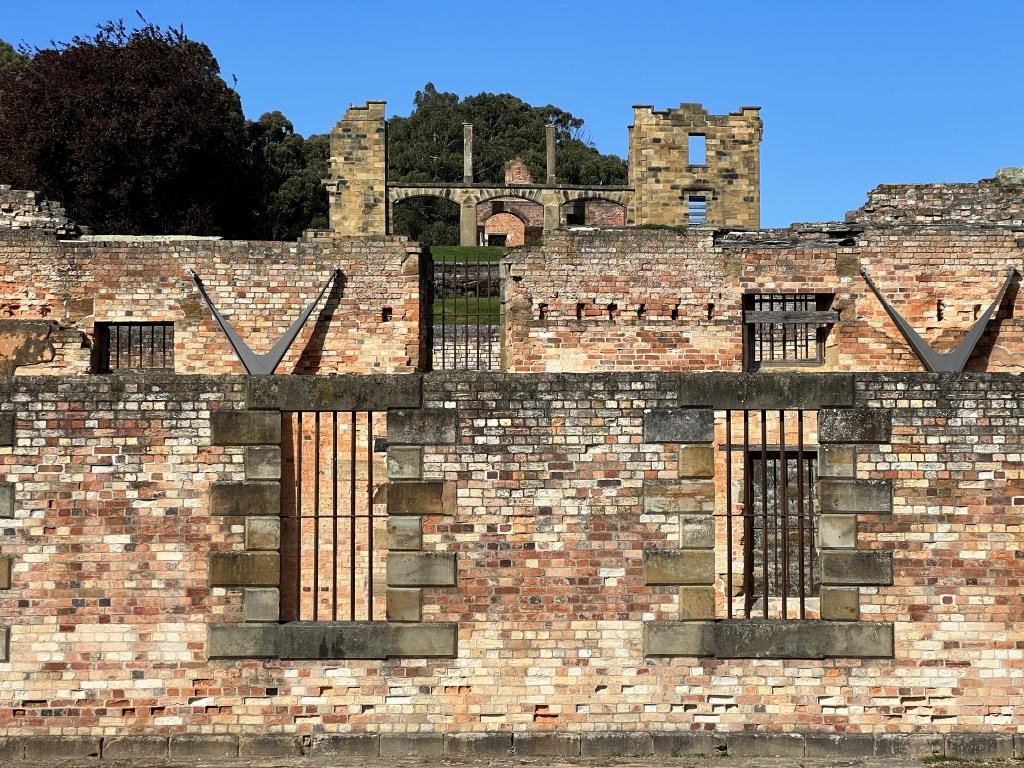
Port Arthur has great wayfinding signs, a comprehensive guidebook and map, and plenty of heritage interpretation. This works especially well in areas where the original building no longer stands. For example, next to the penitentiary were the old workshops. While there is nothing there today, the interpretation sign provides context for the workshops and a map of the building. There are also some stories and photographs shared via the panels.

Highlight 3: Open Buildings
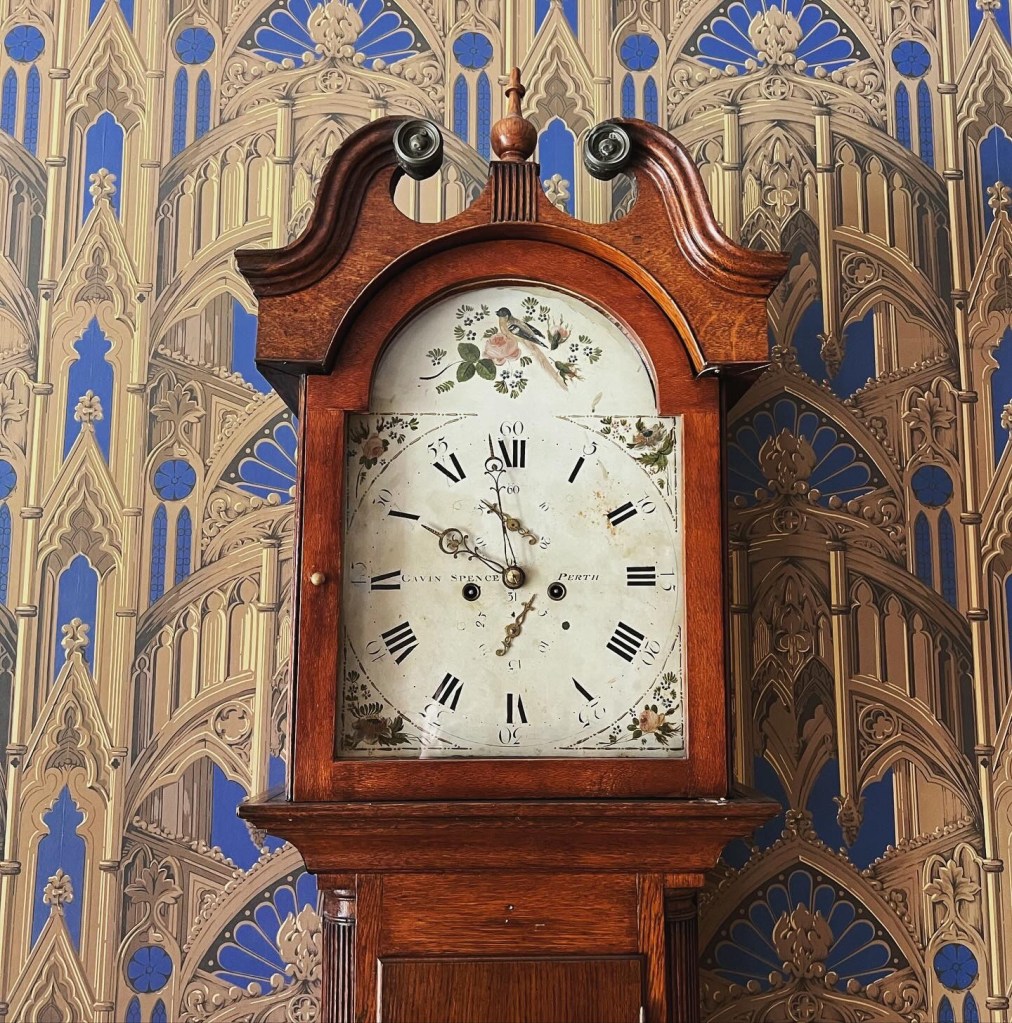
So many of the buildings at Port Arthur are open to visitors. Unfortunately, when we visited there were more closed than open. Still, the ones we could go into were fascinating and helped to piece together the entire story of the settlement. The Junior Doctor’s House was one of my favourites and shared the story of medical care at Port Arthur. Due to their nature, not many of the buildings are fully accessible.

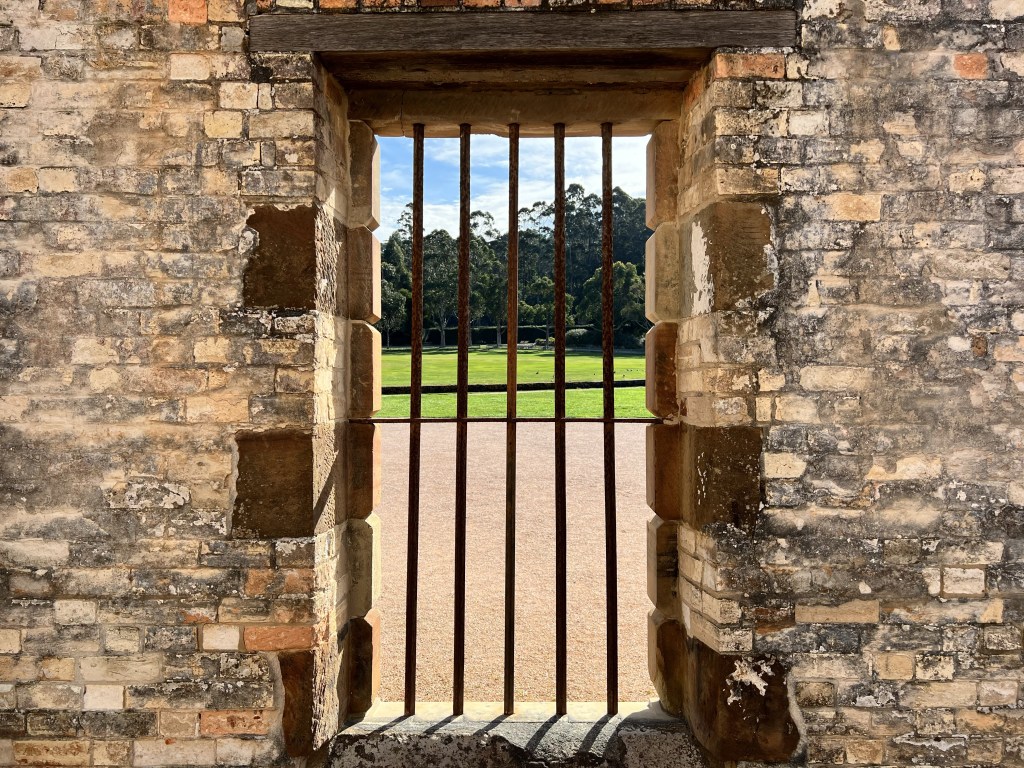
Highlight 4: Government Gardens
The Government Gardens are stunning and one of the first places you see after exiting the Visitor Centre. It is so well maintained and a beautiful space to walk around for a bit of a break. I do think a garden tour of the site would be excellent to offer! There is so much to cover and so much history in the gardens to explore.
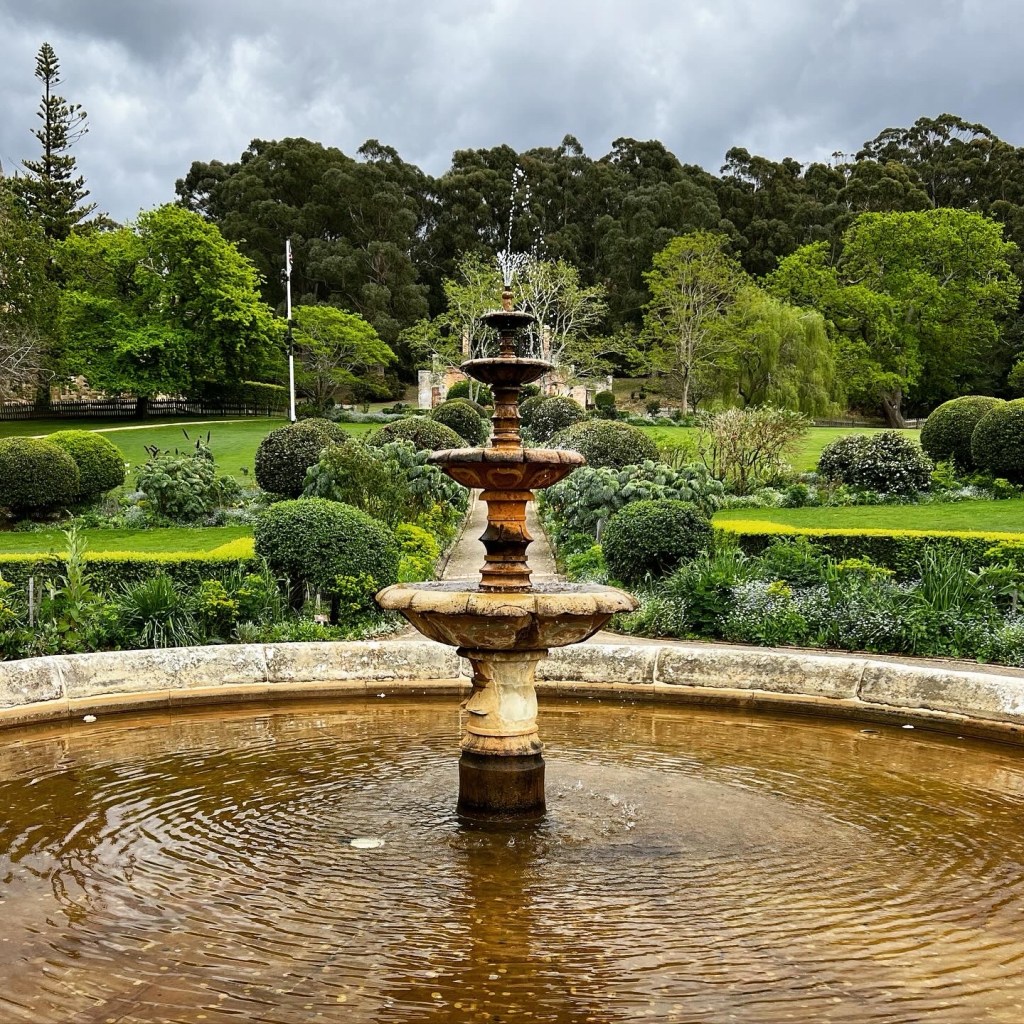
Highlight 5: Separate Prison
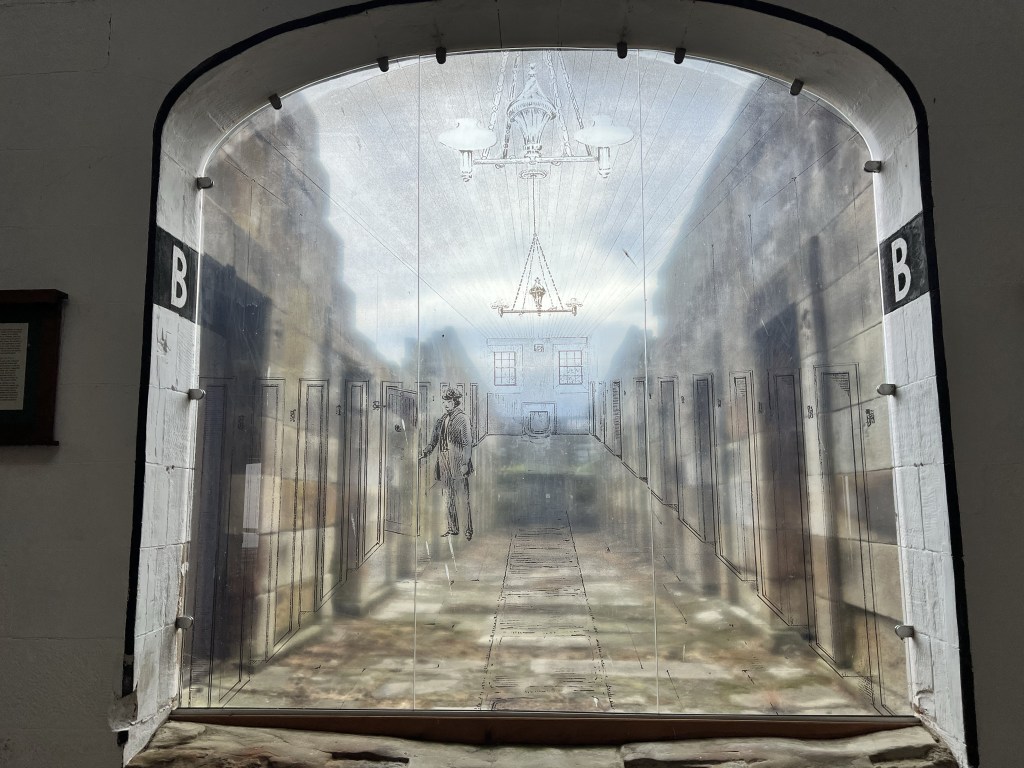
One of my favourite buildings at the site is the Separate Prison. Convicts were sent here for solitary confinement. As you can see below, they’ve used old historical images to add context to the heritage buildings. They also have a memorial to those who were sent to solitary. All the lit-up photographs below are of men who were sent to the Separate Prison. The memorial has a great impact in the space.

Alteration 1: Convict Tour
Before our Isle of the Dead tour, we joined a Convict Tour to gain an overview. We didn’t really enjoy this tour and would recommend the self-guided audio tour instead. If you want a very basic introduction that is more about the site and not about any of the heritage, this would probably work for you.
Logistical Information
Port Arthur is open daily (except for Christmas Day) between 9am and 5pm. I really appreciate that a ticket covers visitors for two days! Also included in the ticket price is the free harbour cruise, some side-talks at a few locations, and the audio guide. It is great value for money! I’d strongly recommend purchasing your tickets online prior to your visit.
 Curate Your Own Adventure
Leave a comment